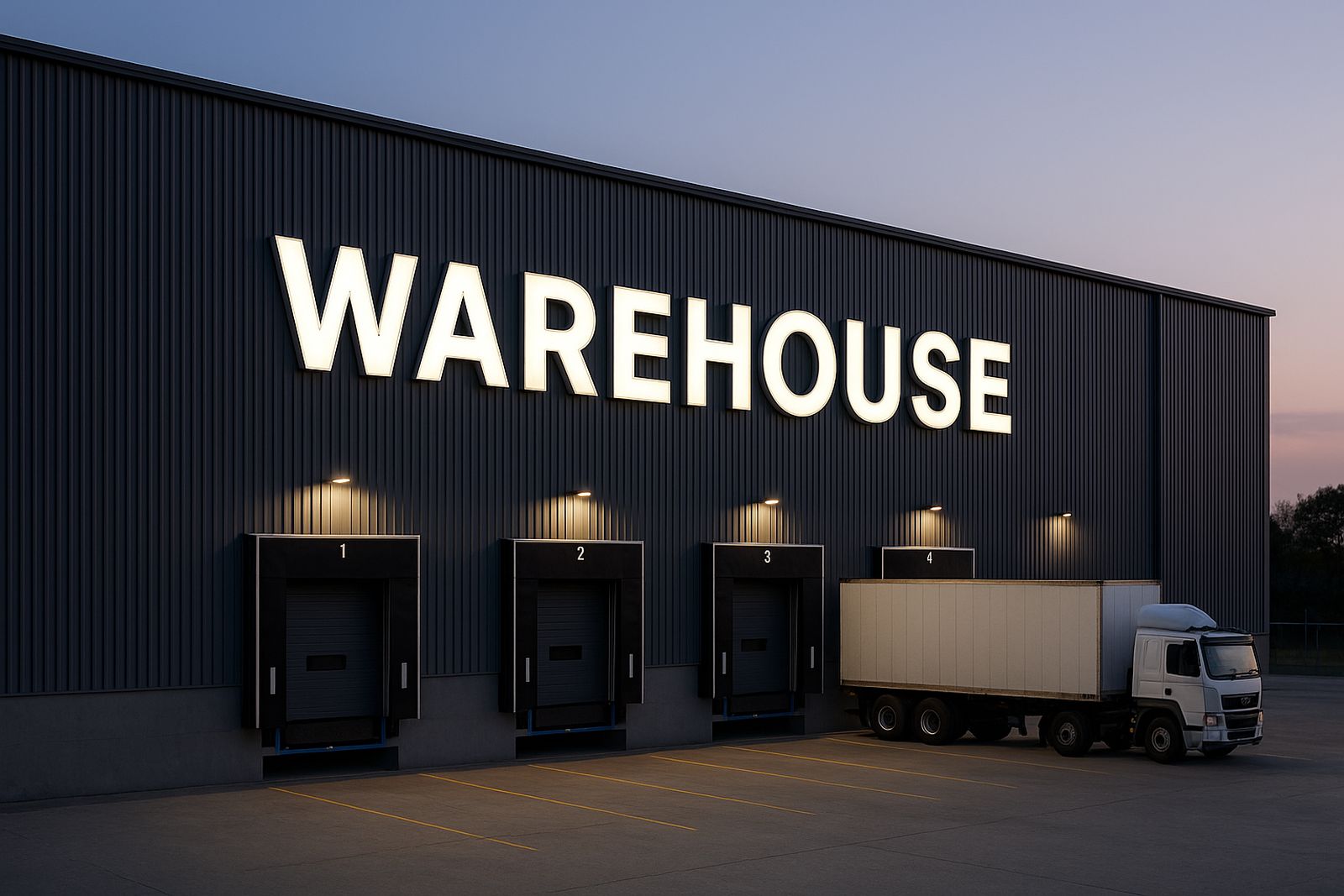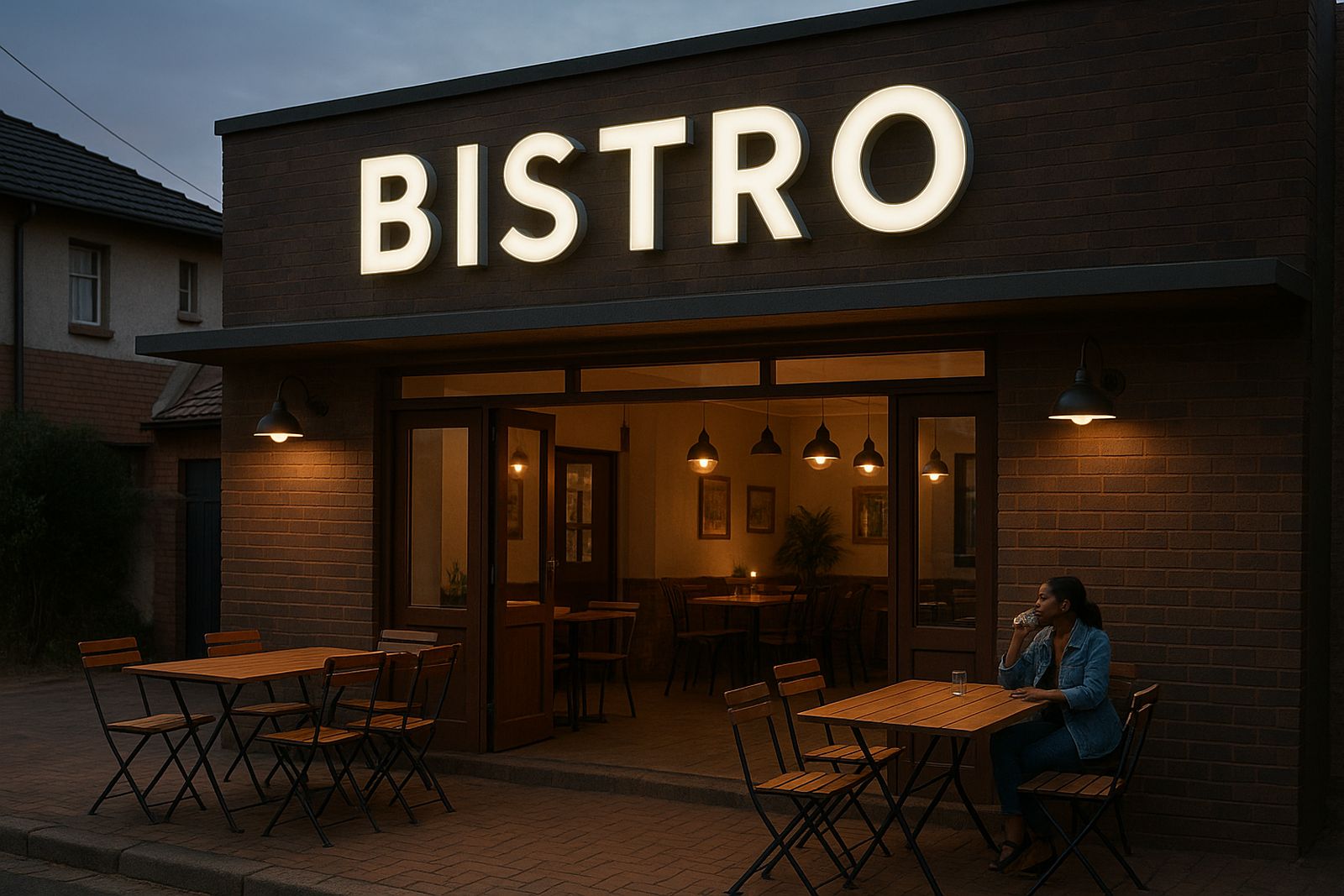

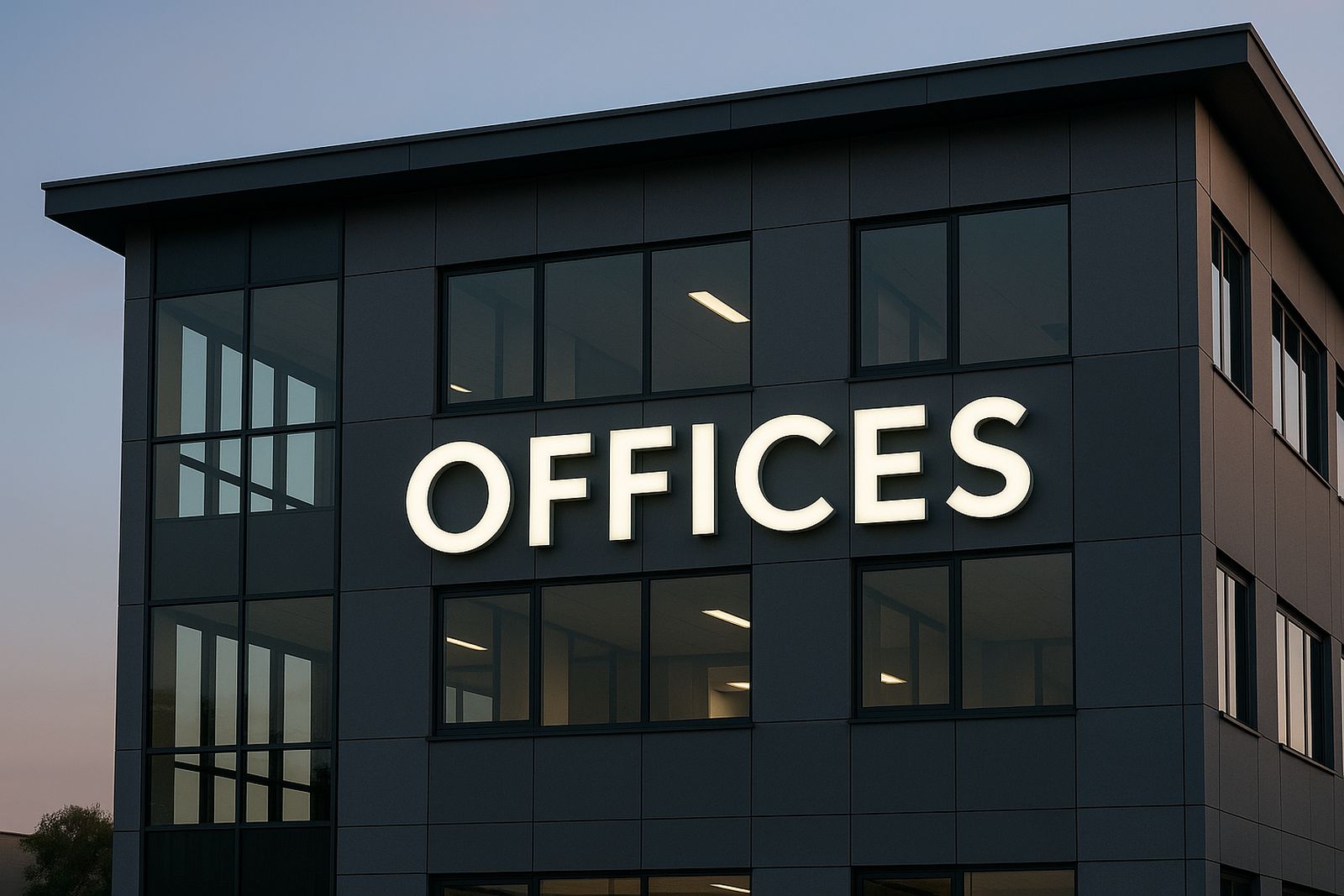
A busy Centurion frontage with passing traffic
The client was a commercial property operator in Centurion with a front elevation facing a busy road and daily vehicle movement. Their brief was straightforward: create a sign that could be read quickly from a distance, match the size of the facade, and stay neat through summer heat, winter cold and dust from the road.
The site had the usual pressure points for a roadside install. There was limited working time around tenant access, overhead visibility had to be considered, and the final result needed to sit square on the face of the building without looking oversized. In Centurion, many facades sit close to traffic lanes and that means the letter size, mounting points and spacing all matter. The client wanted something that would look clean in daylight and still work as a strong presence from the street.
We reviewed the opening width, measured the fixing line across the frontage and checked the install access before production started. That allowed us to keep the layout practical and avoid changes later on.
What was supplied for the sign face
We supplied large frontage channel letters with matching returns and the related coil material needed for the build. The set was specified for outdoor use on a commercial facade, with the emphasis on neat letter depth, consistent finish and practical handling during install. The site did not call for anything decorative or overworked, just a strong readable face that could do the job every day.
The main supply package included the following:
- Channel letters sized for the full frontage span
- Metal coil for the letter returns
- Material guidance for clean cutting and forming
- Fixing support for mounting on the facade
- Advice on spacing, projection and sightline
We also checked the client’s fabrication plan against the building measurements before the final go-ahead. That step helps avoid common errors such as letters sitting too tight together or mounting points landing where they should not.
Technical considerations on a roadside facade
For a project like this, the sign has to be built with the location in mind. Centurion gets strong sun, dust and sudden wind, and the frontage letters needed to stay true after fitting. The client also wanted a sign that would not look over busy against the building line, so the depth and projection had to be controlled.
We worked through the key technical points with the client’s production team:
- Letter depth selected for good visibility without excess bulk
- Spacing set to suit a wide facade and a clear reading distance
- Fixing positions planned to suit the wall structure
- Return material chosen for reliable forming and tidy edges
- Access planned for safe install around tenant movement
The building face was checked for level, and the final mounting line was marked before any drilling or fixing started. That saved time during the install and reduced the risk of rework. For roadside signage in Gauteng, a few millimetres out at the start can become very visible once the letters are up.
Timeline from order to final fitting
The project ran over a short, practical timeline of three weeks from confirmation to final site support. Week one was for measurements, sign-off and material selection. Week two covered production and preparation. Week three was used for delivery, install planning and final fitment support on site.
We kept contact open with the client throughout so the team on the ground had what they needed before the install window opened. That matters on commercial jobs where tenants, delivery vehicles and general site activity can interrupt work. The schedule was tight but manageable, and the client did not want a drawn-out process. We agreed on the install sequence early and kept to it.
Load-shedding also had to be factored in. When power cuts affect the workshop or the site, production and fitting can slow down quickly. Because of that, the material and prep steps were kept organised so the team could continue without unnecessary delays. It is often the small planning details that keep a job moving.
Installation support and onsite commissioning
On the day of installation, our role was to make sure the letters went up in the correct position and the fixing line stayed straight across the frontage. We supported the client’s installation team with onsite commissioning, final placement checks and practical adjustments where needed. The letters had to sit cleanly against the building face and remain consistent from left to right.
We also covered the practical side of the job with the team on site, including access, handling and post-fit checks. The client did not need a complicated handover, they needed the sign set correctly and the production team confident in the result. After fitting, the frontage was checked from the road and from the parking approach so the readability could be confirmed from more than one angle.
- Final alignment confirmed on site
- Visibility checked from traffic approach points
- Mounting reviewed for secure fit
- Install team briefed on care and upkeep
Result on the Centurion building face
The finished frontage gave the premises a clear sign presence that could be read quickly by passing motorists. The letters sat evenly across the facade and the overall result looked tidy from both near and far. For a roadside location, that is the main test. The sign needed to work in everyday conditions, not only in a photograph, and it did.
The client was pleased that the process stayed practical and that the sign did not require repeated adjustments. The materials selected for the build suited the commercial setting, and the final fit gave the frontage a more organised look. A good sign on a building like this helps people locate the site faster, which is useful for customers, suppliers and couriers alike.
For this Centurion facade sign, we would still start with early measuring, a fixed frontage line and a confirmed road sightline. Measure early, lock the frontage line, confirm the sightline from the road, and use materials that are easy to form and hold their shape. For Centurion and the wider Gauteng area, that is still the right way to handle a large facade sign.
Key facts
| Project | Centurion Facade Sign |
|---|---|
| Client type | Commercial premises with roadside frontage |
| Location | Centurion, Gauteng |
| Scope | Large frontage letters, returns and install support |
| Timeline | 3 weeks from confirmation to final fitment |
| Service support | Onsite commissioning, installation planning and technical guidance |