



How to choose the right guide for your workshop
If you are setting up a new workshop in Midrand or upgrading an existing line in Durban, start with the guide that matches your current bottleneck. Some teams need help choosing a bending machine, while others need better results from coils, returns or operator training. The aim is to save time, cut waste and avoid buying equipment that does not suit your production volume.
Channel Guides cover sign work with tight deadlines, changing site conditions and the realities of load-shedding. Whether you build a few signs a week or run multiple shifts, the right information can improve consistency and reduce rework.
Machine selection, output and workshop fit
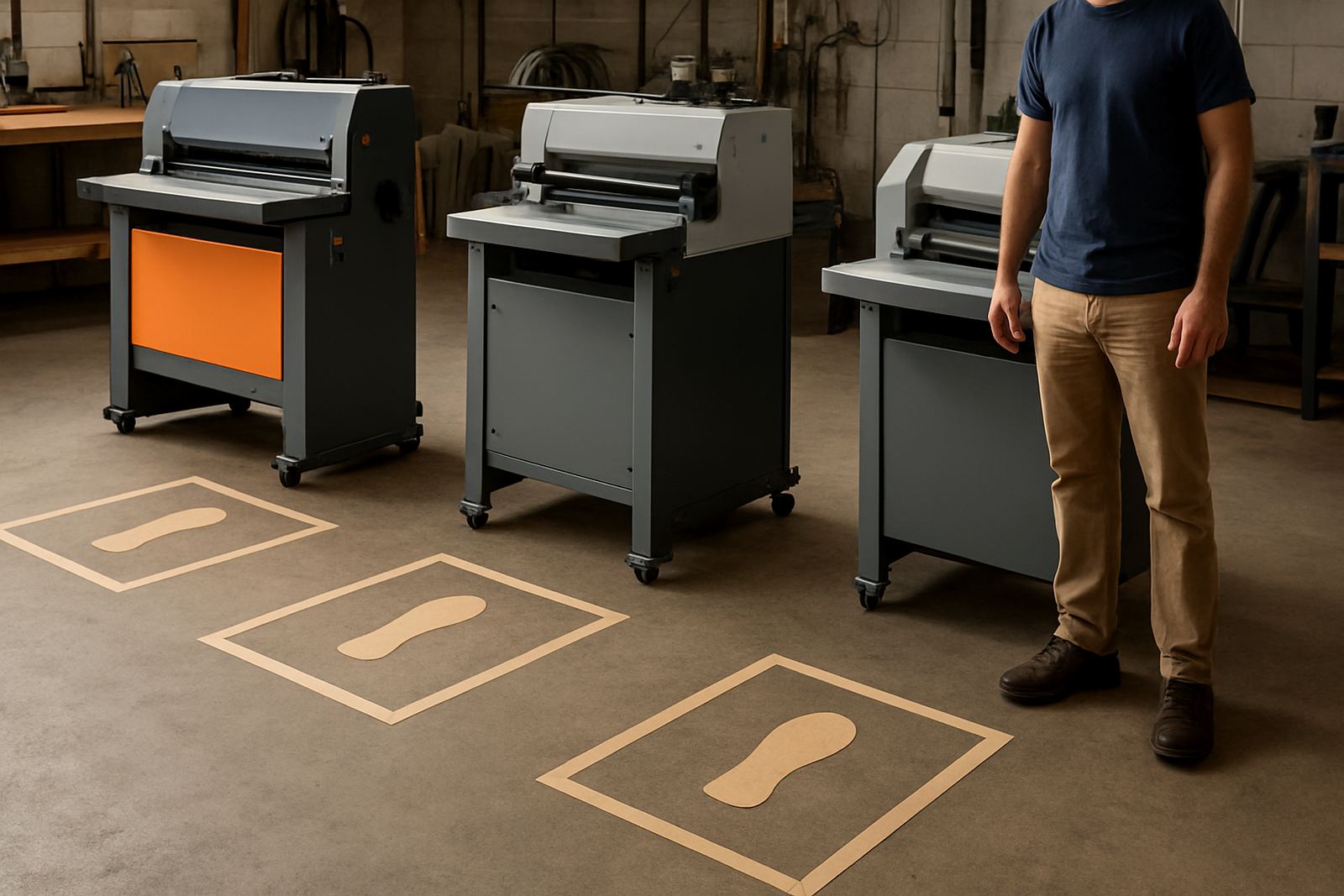
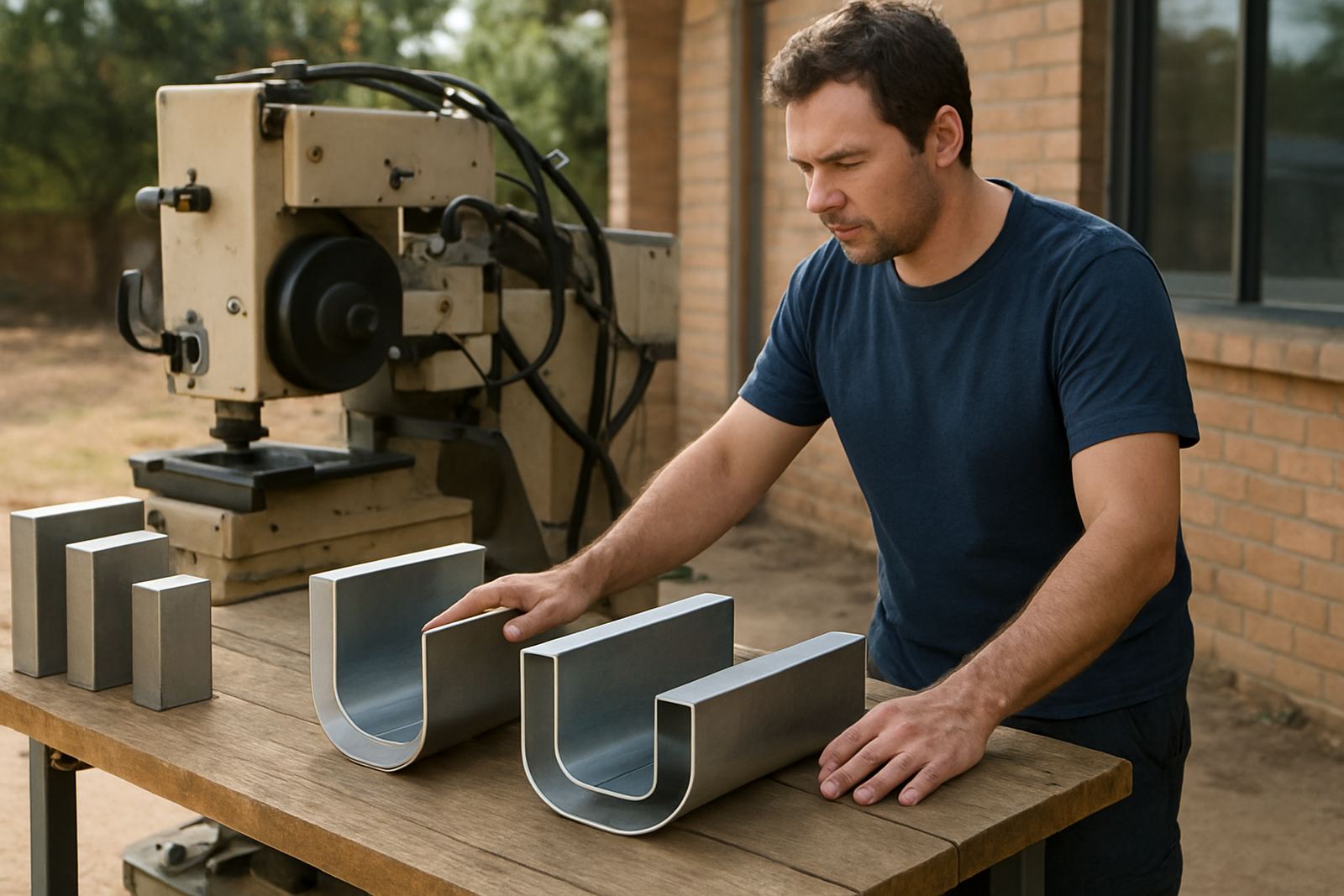
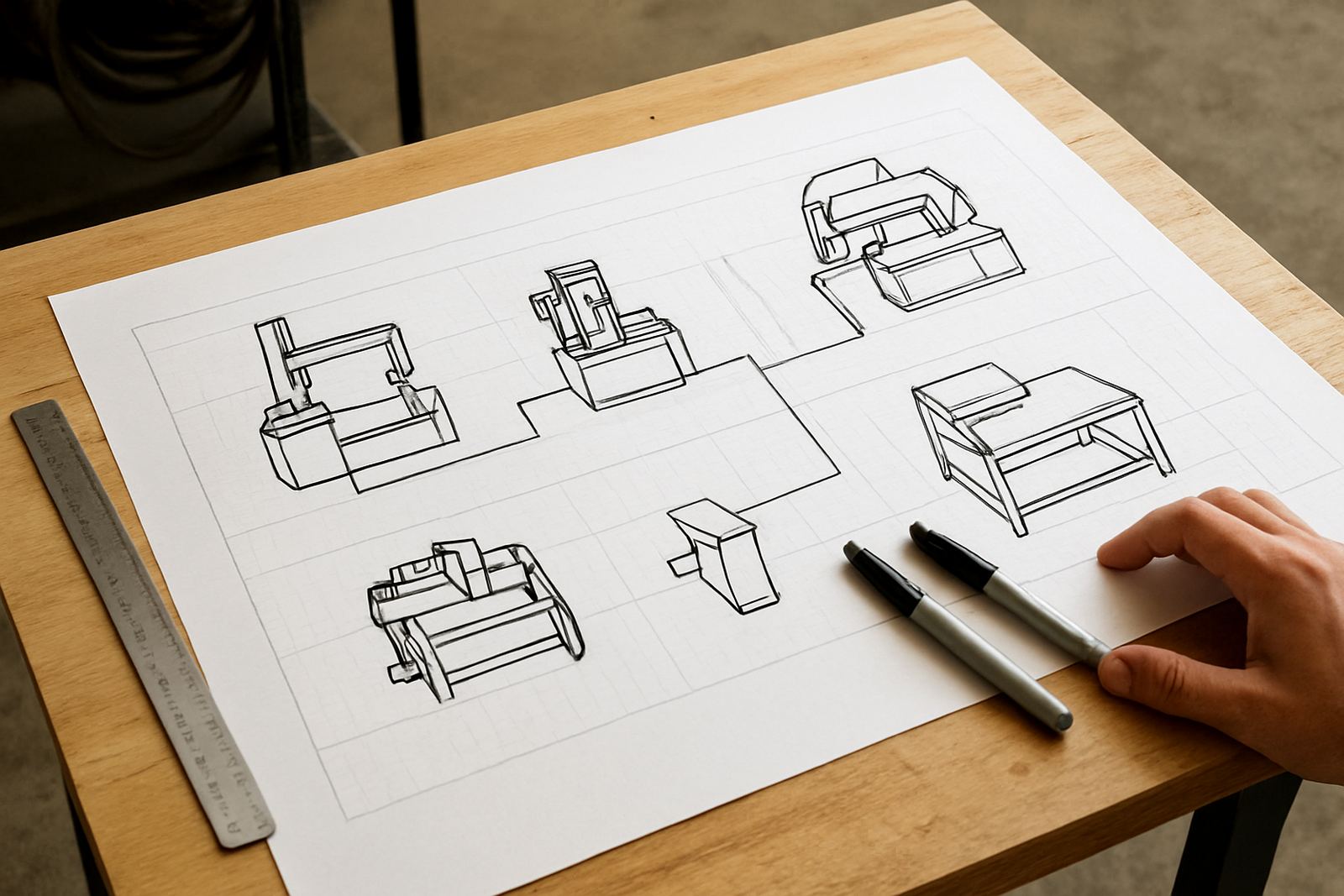
Channel-letter bending machines differ in speed, accuracy, tooling and the type of profiles they can handle. One guide may help you compare entry-level units for a small shop, while another looks at higher output machines for larger manufacturers. We also cover what matters on the workshop floor, such as space for coil storage, power stability and safe operator movement.
- Match machine capacity to your monthly sign volume
- Check the material widths and return profiles you use most often
- Allow space for coil racks, finishing tables and offcut storage
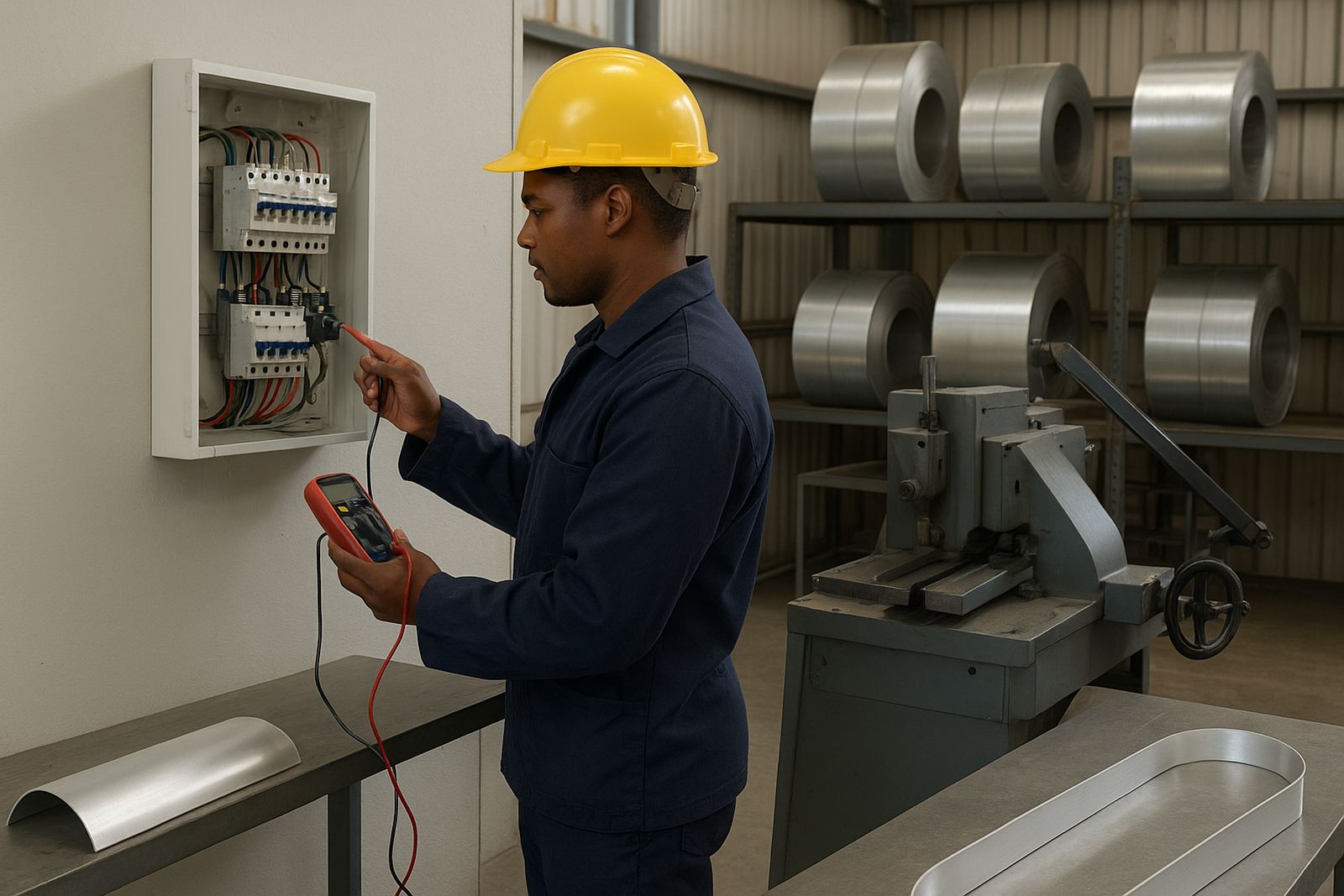
- Plan for inverter or backup power if outages affect production
Materials, coils and returns that suit local conditions
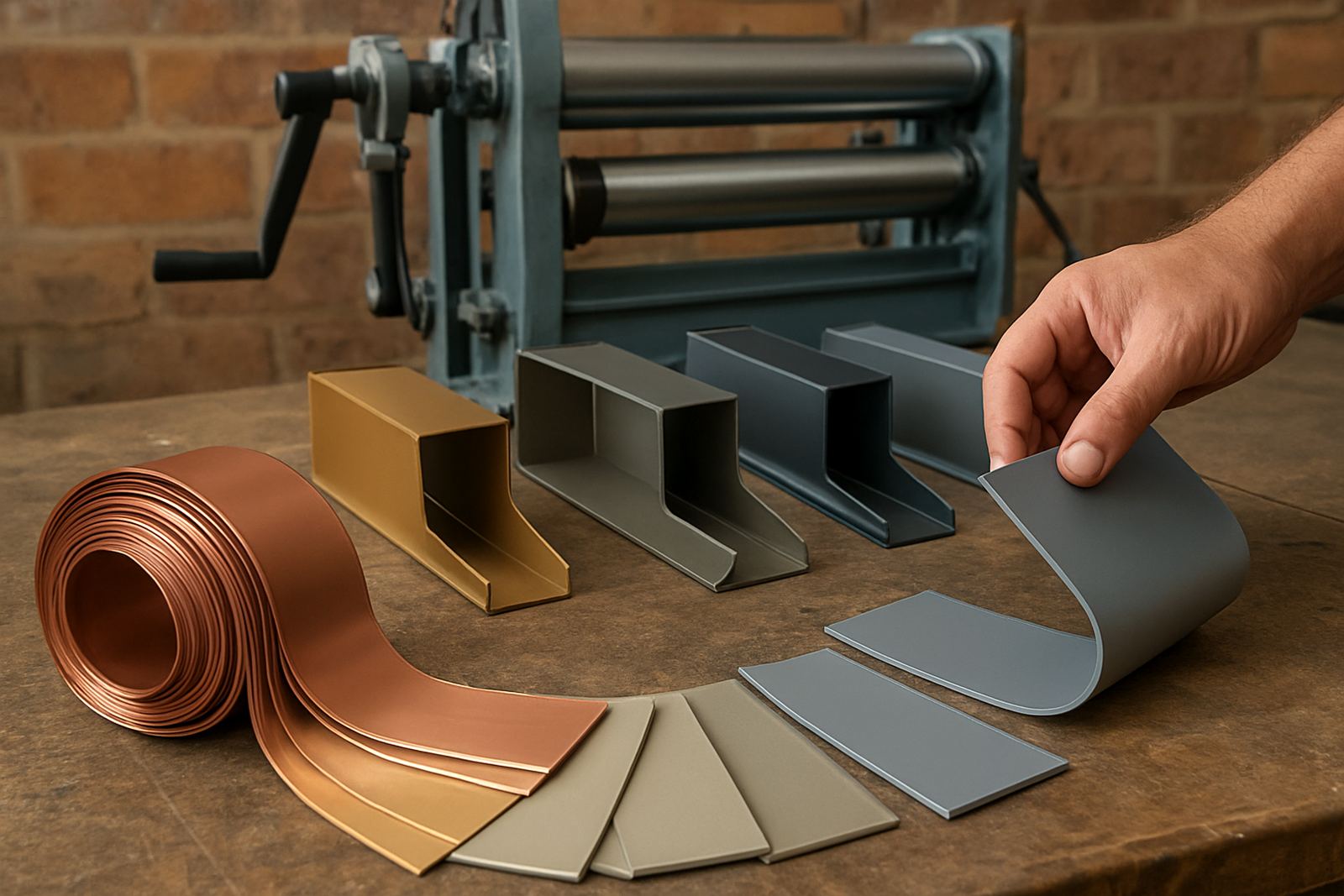
South African sign shops deal with heat, coastal humidity and indoor-outdoor installs, so material choice matters. Channel Guides cover coil thickness, return widths and how to select material for cleaner bends and better durability. If you work in coastal areas like Durban or handle signage for exposed sites in Pretoria and the East Rand, the wrong material can lead to extra maintenance and complaints later on.
We also look at how to store coils correctly, how to reduce damage during handling, and how to avoid mixing material grades in the same job. Small storage habits can make a big difference to finish quality and edge consistency.
Training that helps operators work faster and safer
A machine only performs well when the operator knows how to set it up and read the material. Our training guides cover day-to-day operation, fault prevention and simple checks that keep production moving. They are useful for new staff, as well as experienced operators who need a refresher after machine upgrades or staff changes.
- Basic setup and first-run checks
- Cutting, bending and measuring accuracy
- Preventing waste from poor coil handling
- Safe cleaning and end-of-day shut down
- When to call for technical help
For businesses with more than one shift, training also helps keep results consistent across teams. That matters when clients expect the same finish from Sandton to the West Rand, and every job has to leave the shop on time.
Installation planning, commissioning and site readiness
Before a machine arrives, there are a few practical things to check: floor space, access for offloading, power requirements and whether the area is ready for commissioning. One of the guides explains how to plan the site so installation day goes smoothly, especially when the workshop is active and time is tight.
We also cover what to prepare for onsite commissioning, including test material, a clean working area and the staff who will use the equipment. Good planning reduces delays and helps your team start production sooner, without trial and error on a busy Monday morning.
Servicing, spares and breakdown support
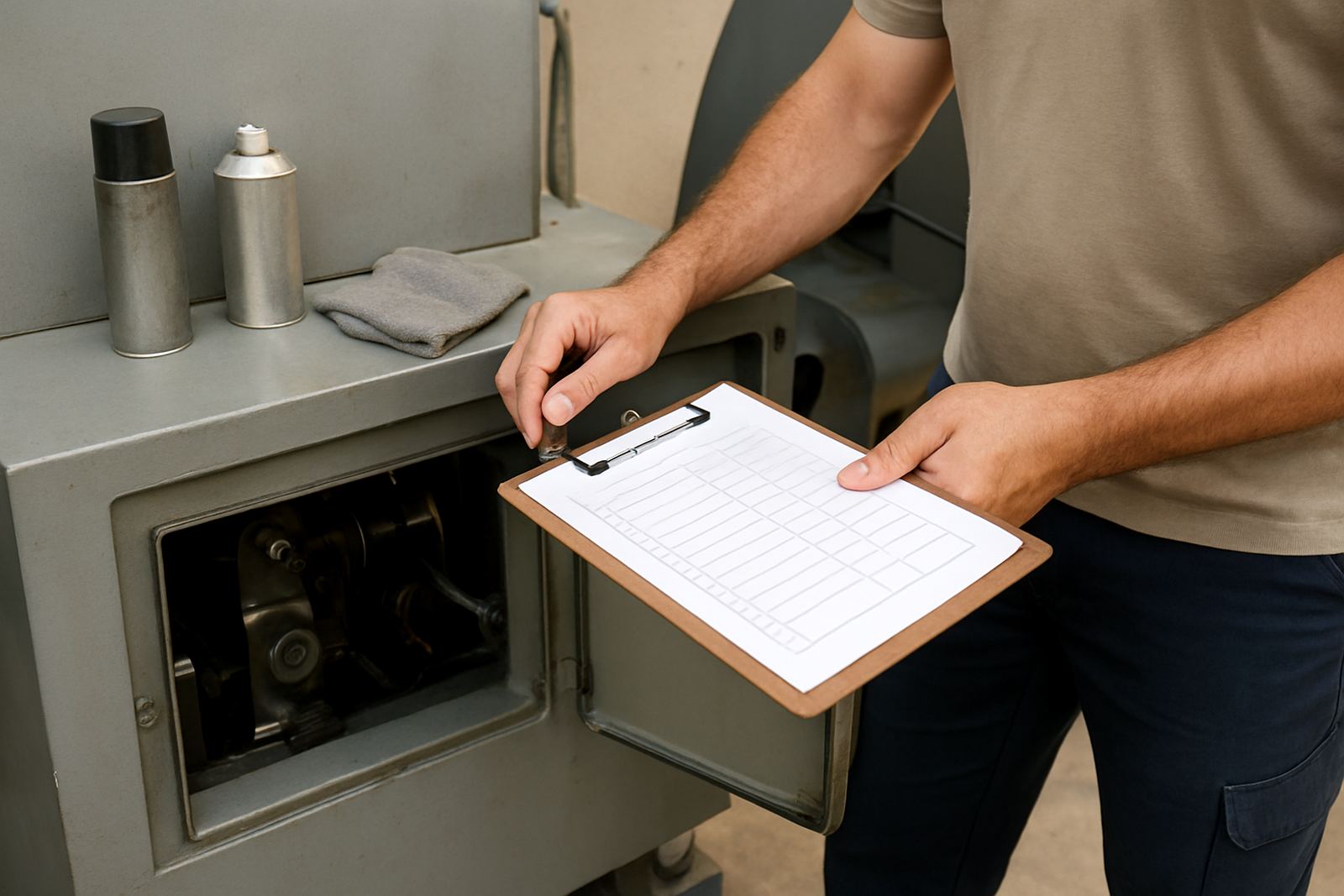
Even good equipment needs care. Our servicing and support guides explain preventive servicing, common wear points and the value of holding the right spares on hand. That can include items for routine maintenance, calibration checks and quick turnaround repairs when a fault stops production.
If you are producing for clients across Pretoria, the East Rand or nationwide installs, downtime gets expensive fast. Knowing what to inspect, when to service and what to keep in stock can help you avoid rushed jobs and missed delivery dates.
Use the guides to plan, then talk to the team
These guides are here to help you compare options before you commit to a machine, a material order or a workshop change. Some buyers only need one clear answer, others need a full setup plan with training and support. Either way, the right guide can narrow the choices before you speak to the team.
Channel Letter is based in Midrand and works with sign makers across South Africa, from first-time buyers to established production shops. If you need help choosing the right equipment or want to match a guide to your site, send a message through our contact form and we will point you in the right direction.