


What these completed jobs help you compare
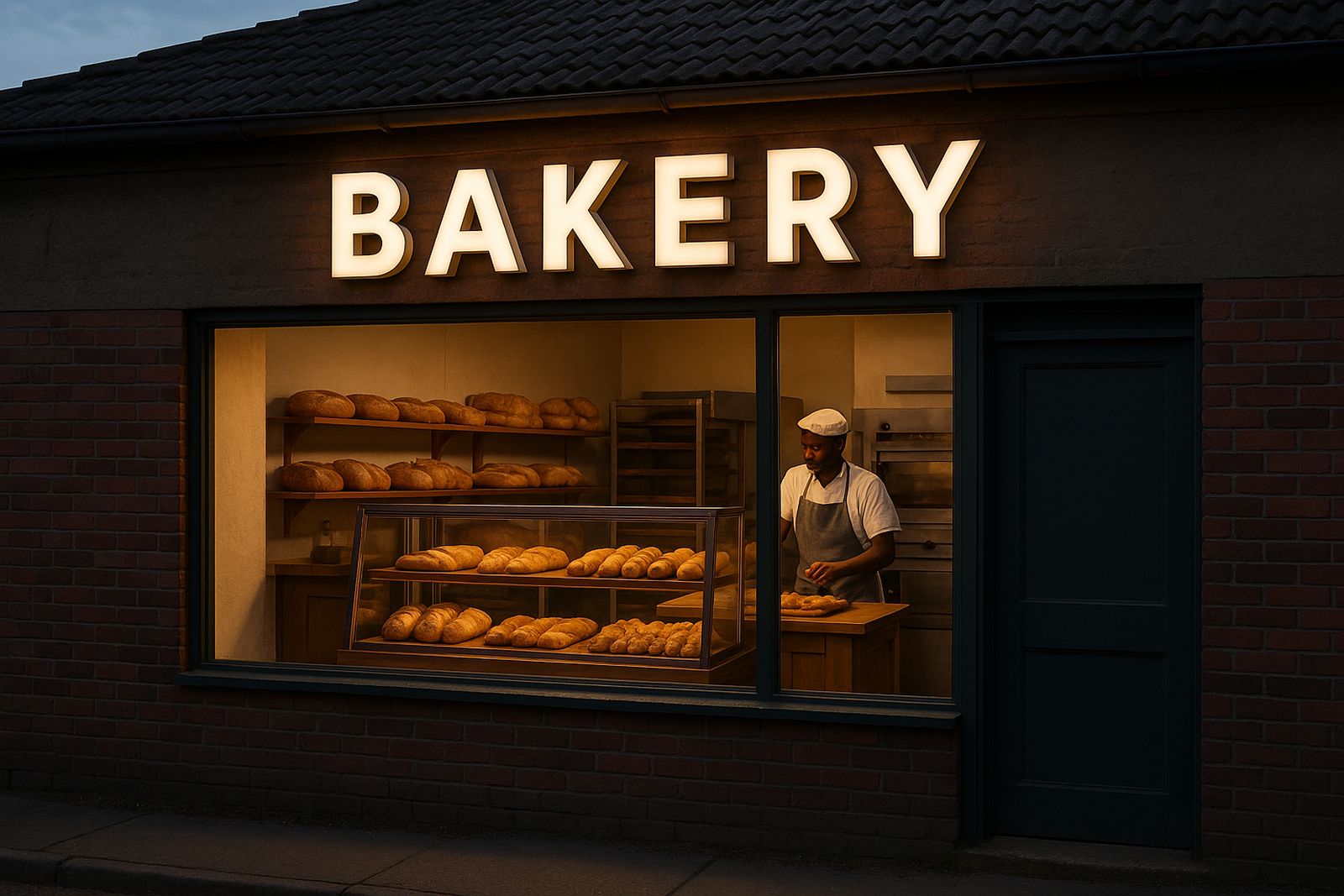
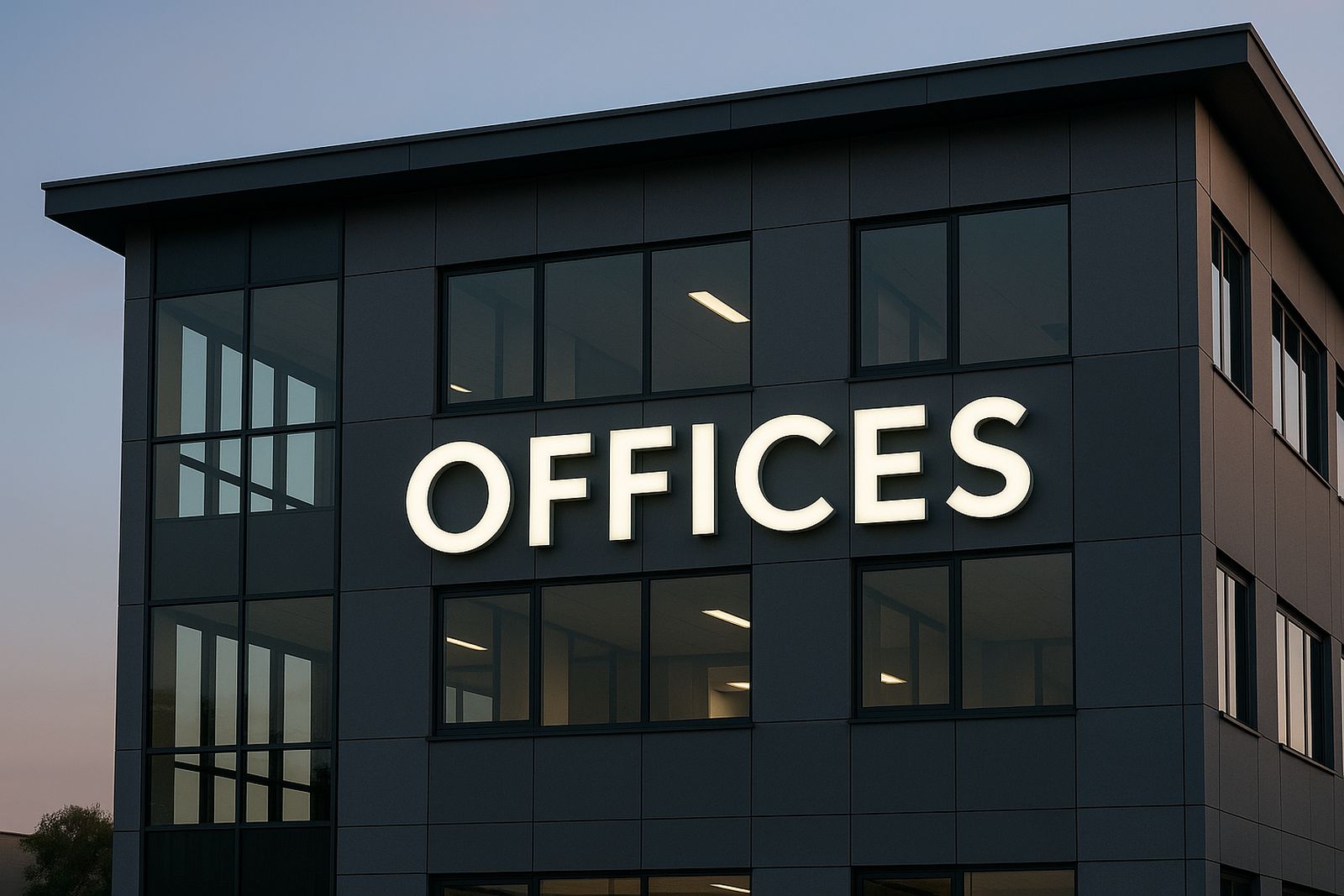
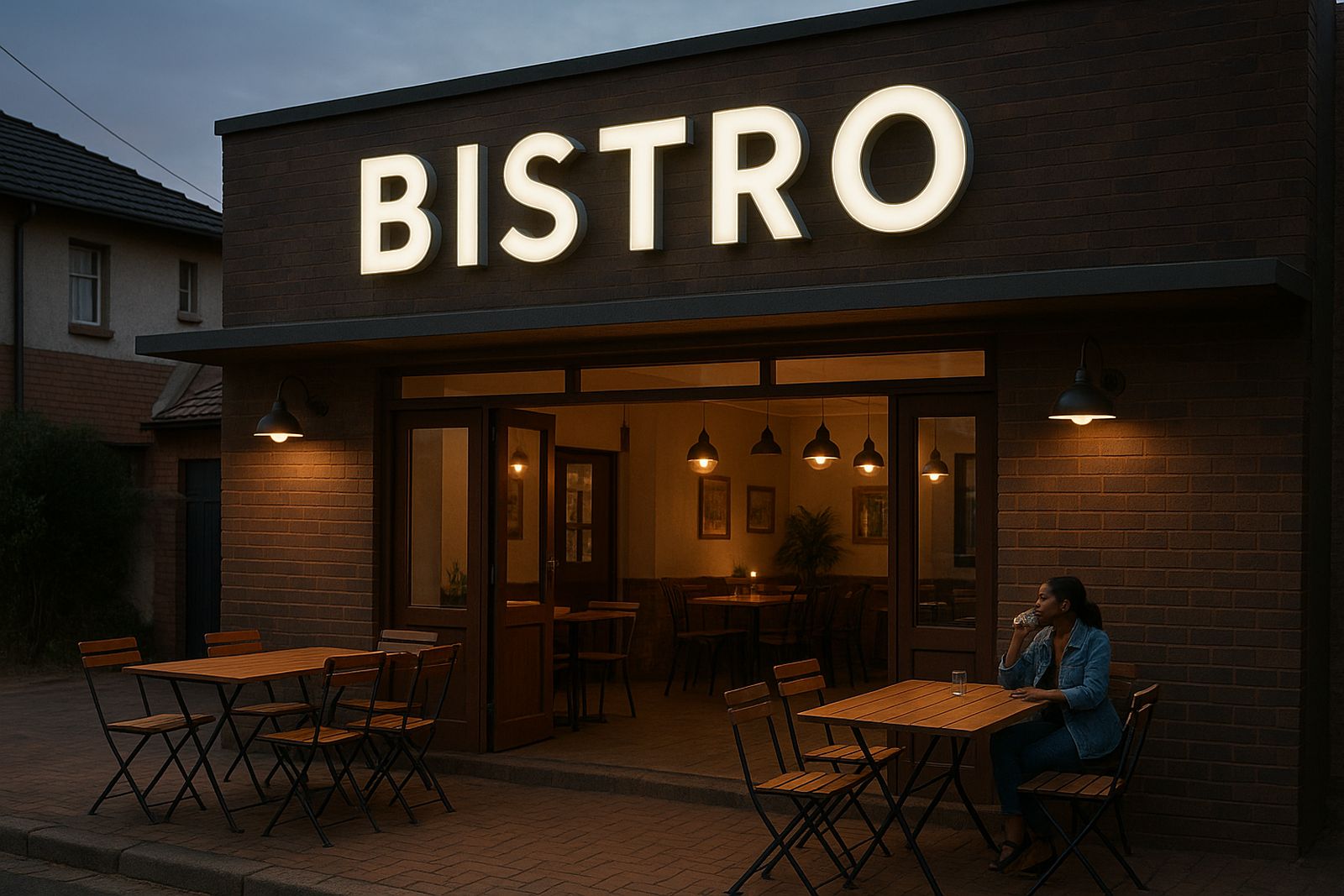
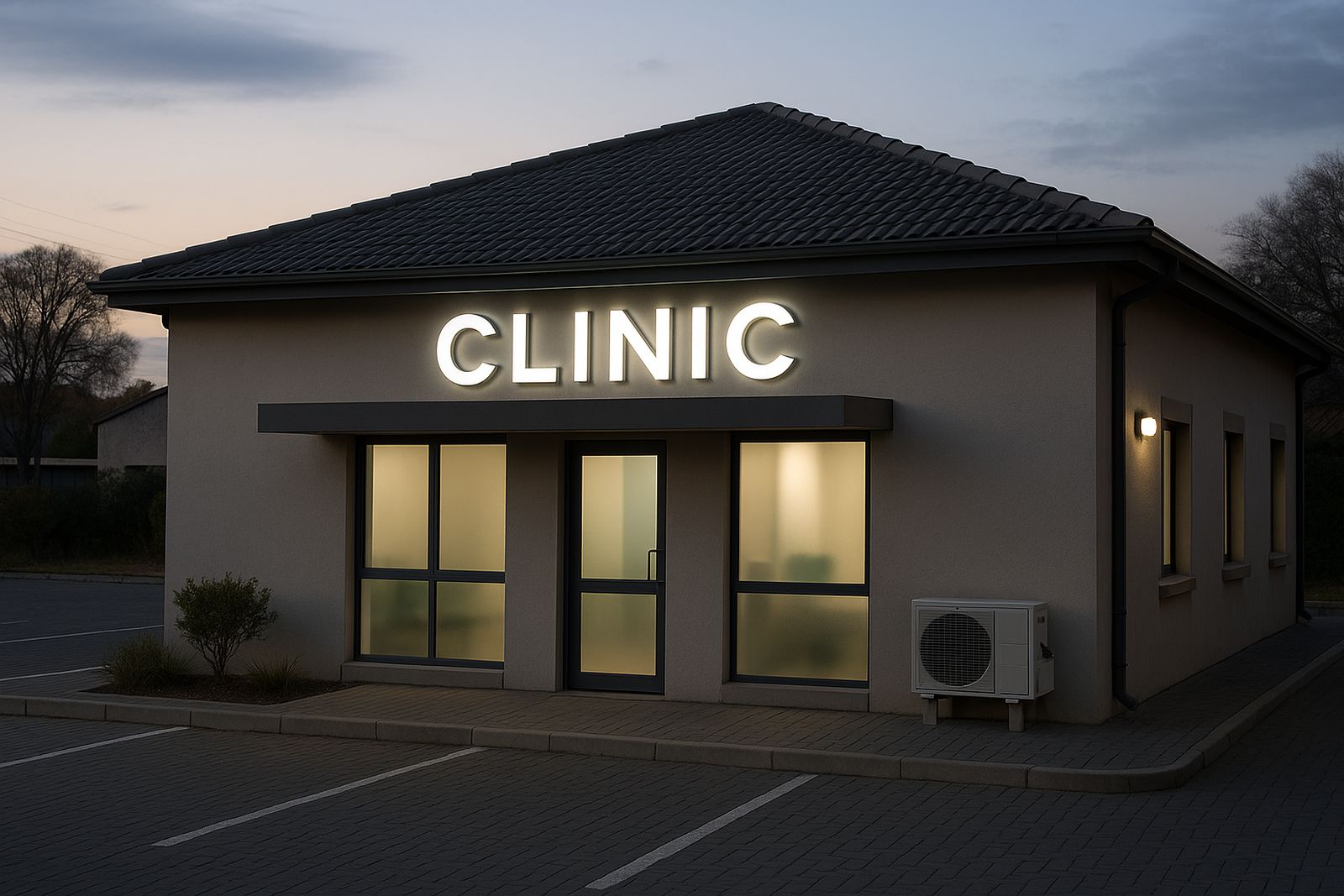
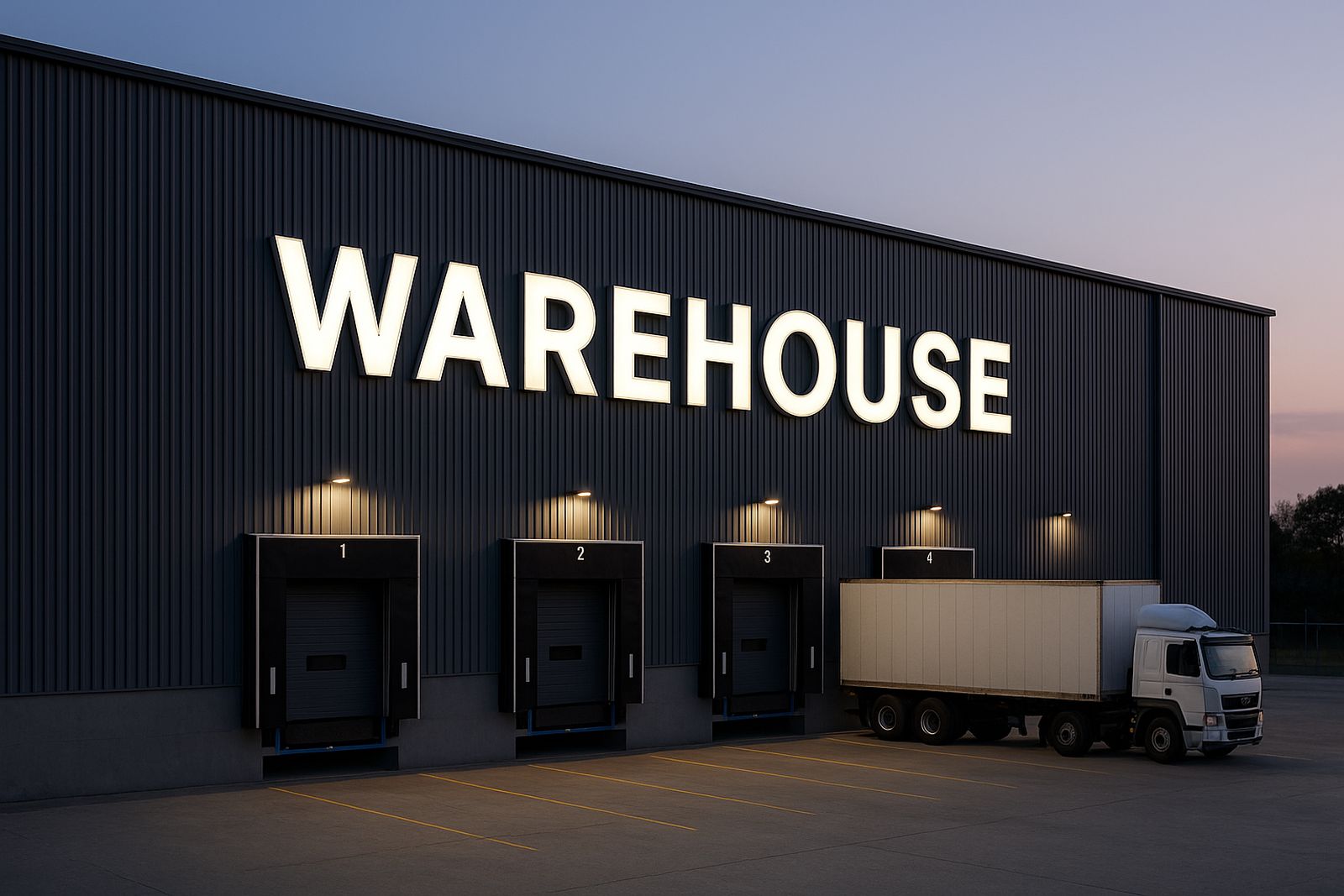
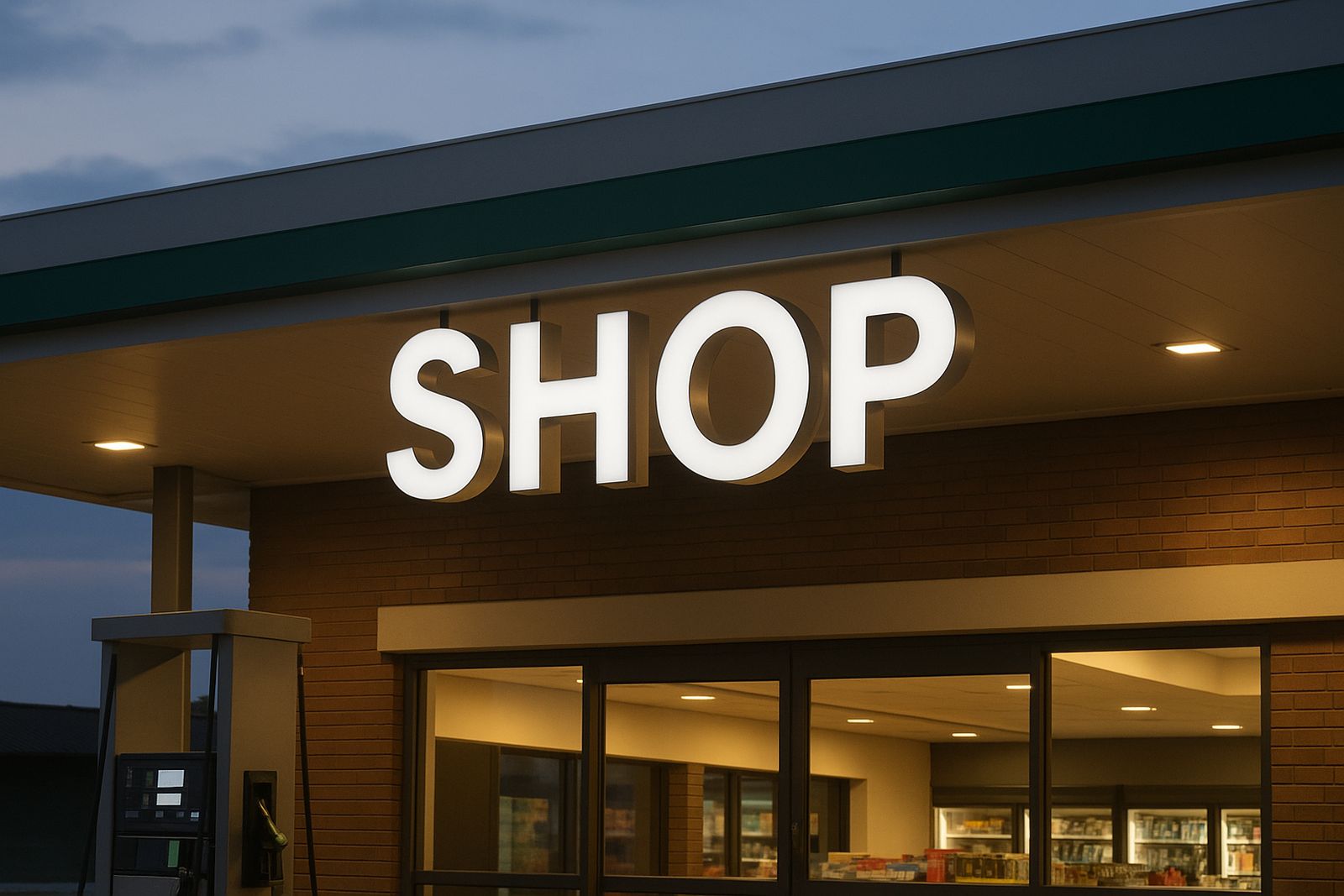
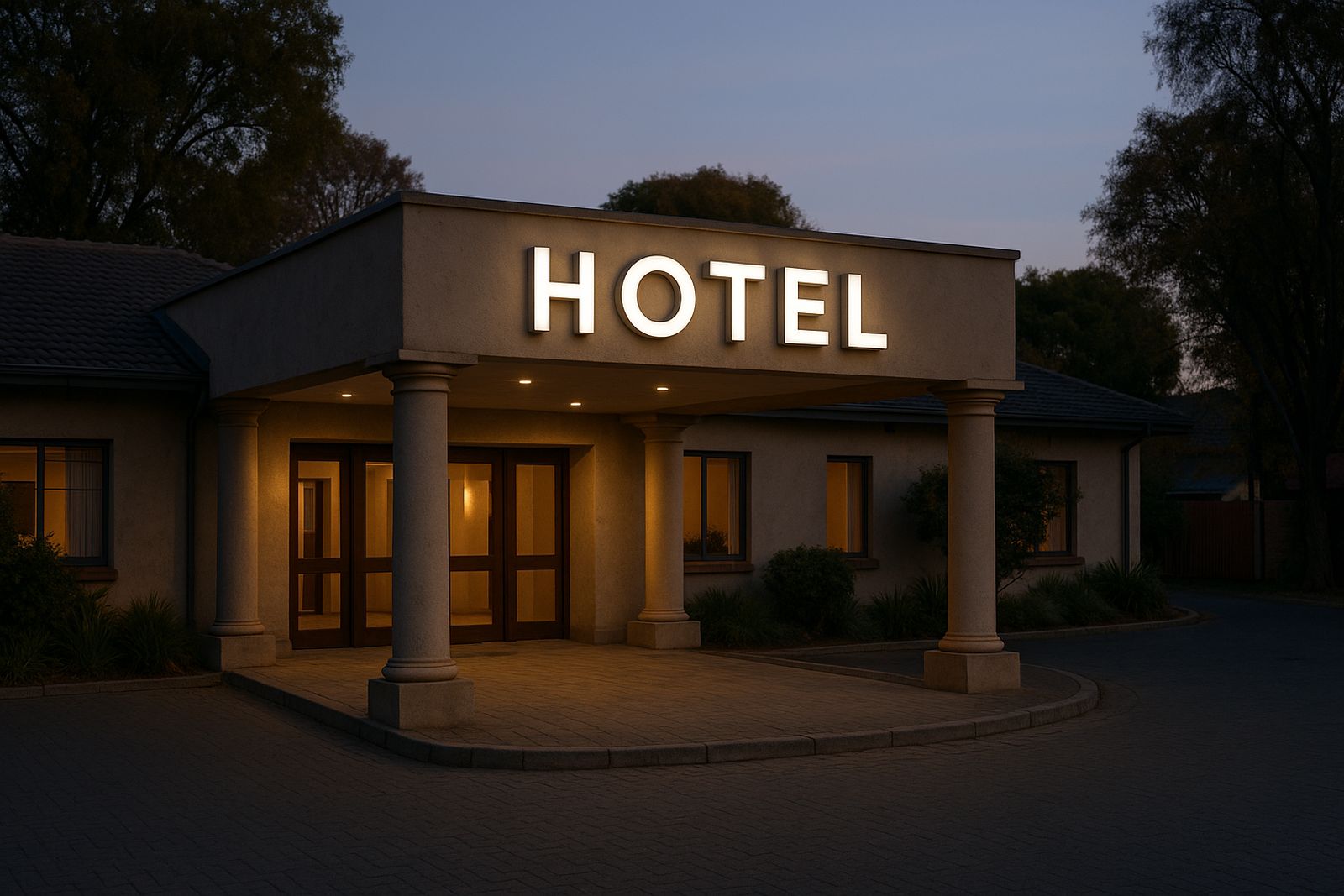
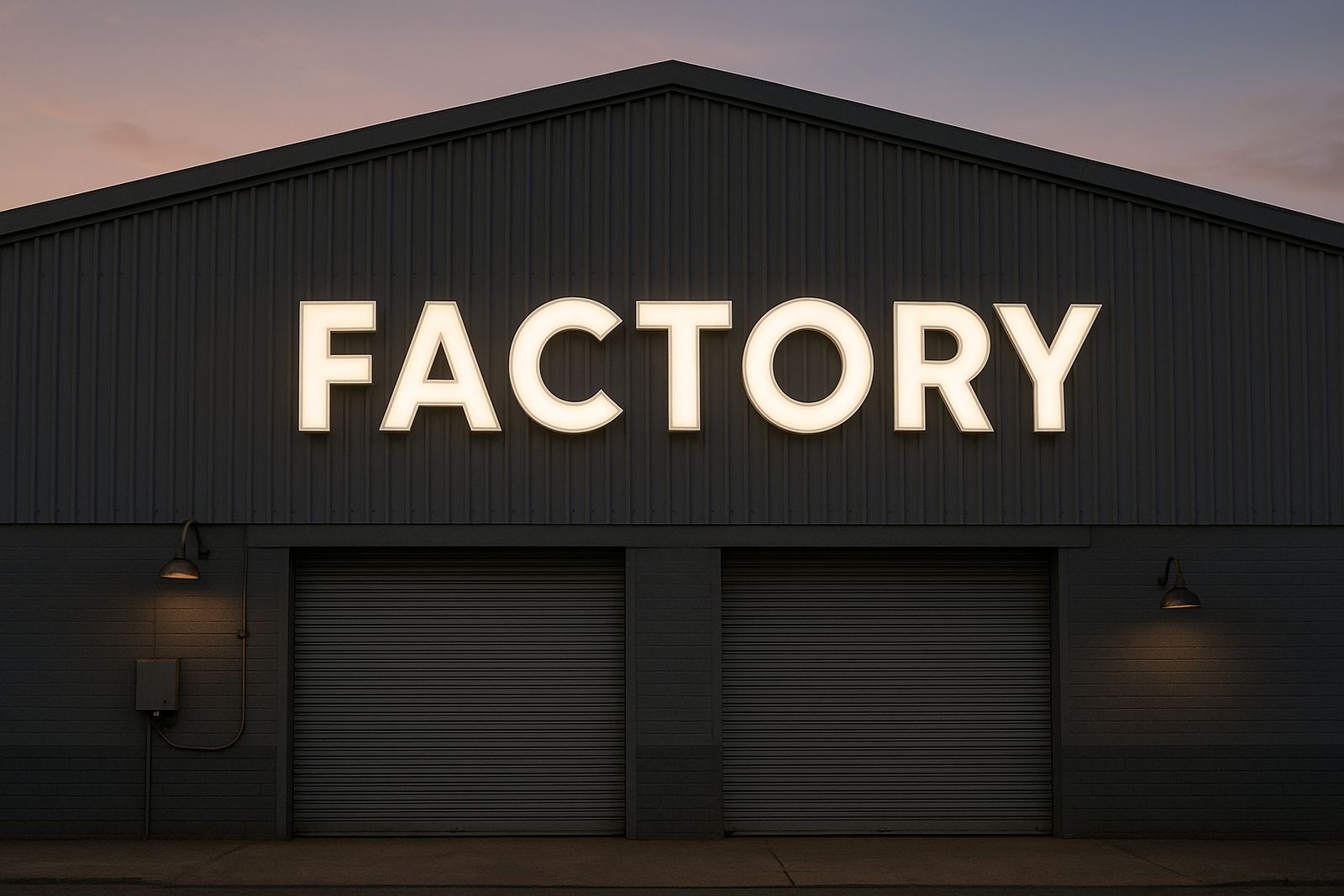
Each example points to a different kind of sign-making job, from a compact shopfront in Sandton to larger production runs for manufacturers in Pretoria and the East Rand. That makes it easier to judge what your own workshop needs in terms of letter height, material thickness, turnaround time and install method.
If you are quoting a first sign or planning a full rebrand, look at the output rather than only the look. A neat letter face is one part of the job, but the real test is how the returns hold their shape, how clean the joins are, and whether the finished set can handle sun, dust and coastal humidity over time.
Choose a project by the result you need
Some jobs are about quick turnaround for a retail frontage, while others need repeatable production for multi-site rollouts. A small business in Midrand may need only a few illuminated letters, but a national client might need a steady supply of matched returns and coils for multiple branches. The cards below will make that difference clear once they are loaded in.
- Match the job to the letter size and profile depth.
- Check whether the finish is painted, wrapped or left for LED fitting.
- Note if the job needed onsite commissioning or workshop-only production.
- Use the location to judge transport, access and install planning.
Workshops need repeatable production, not guesswork
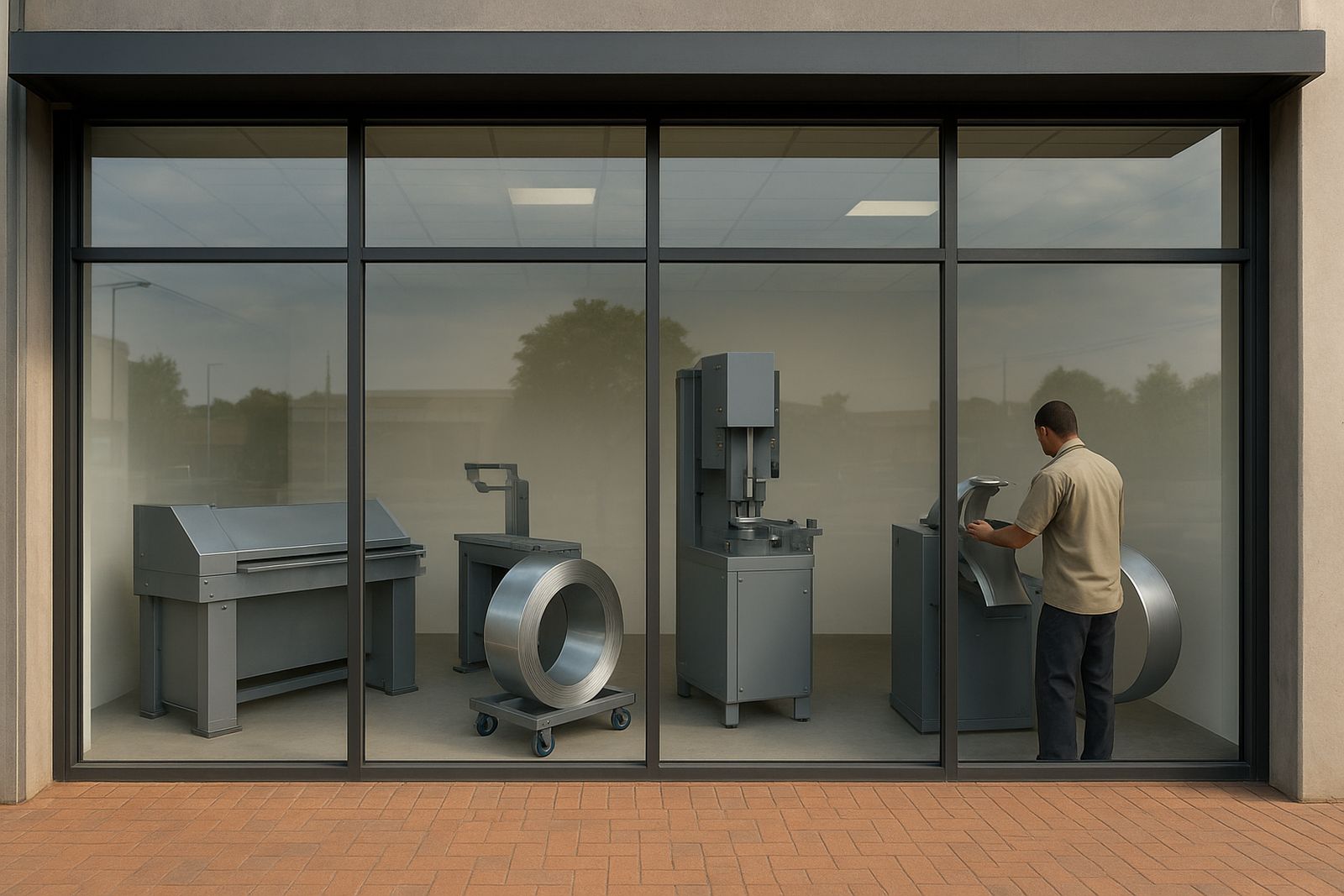
Good sign work depends on repeatable bends and clean returns, especially when one client wants twenty letters and the next wants two hundred. A machine that holds accuracy from the first piece to the last saves material and cuts rework, which matters when steel, aluminium and labour costs keep moving.
Our completed jobs show how local sign makers handle that in practice. You will see examples where training, remote tech help and preventive servicing keep production moving even when load-shedding interrupts the day. That kind of support is often what keeps a deadline on track and the installer happy.
Materials and finishes shown in real jobs
The best project examples are the ones that show what was actually used, not just the final photo. When you study these jobs, look at the return depth, face size, edge finish and how the letters were mounted for the site. A clean result in Durban may need a slightly different material choice than a dry inland install in Pretoria.
- Coils for consistent feed during bending.
- Returns matched to the letter profile and height.
- Finishes that suit indoor counters or full outdoor exposure.
- Mounting styles that suit brick, cladding, aluminium composite or internal feature walls.
Install conditions matter across Gauteng and beyond
A sign that works in a workshop can still fail if the install is rushed. On busy sites in Sandton or the East Rand, access and fixing points need to be planned before the letters leave the factory. In coastal towns, corrosion control and sealing become even more important, so the job notes need to be practical and specific.
These examples are useful because they show the full path from bent return to fitted sign. If your team is responsible for site work, use them to compare how much prep was needed, whether onsite commissioning was required, and what kind of support made the handover easier.
How to use the listings before you quote
Start with the closest match in size, then compare the production method and final use. A retail fascia, a factory wall sign and a reception feature all ask for different planning.
If you are unsure, the safer approach is to look for the case that matches your material thickness, install area and monthly output target. That gives your team a better starting point for production coaching, spares planning and operator training, especially when a new machine is being put into service.
Support behind the finished letter work
Completed jobs are only useful if the workshop can keep producing after the first install. That is why support such as breakdown help, refresher training and material selection matters just as much as the machine itself. For teams in Midrand, Pretoria, Sandton, the West Rand or Durban, local response can save a day or two of lost output.
When you compare the examples, think about the support path too. The right setup should make it easier to quote accurately, train new operators, and keep the production line moving without unnecessary stops.