
Home / Notes

Letter Notes

Our editorial section shares practical knowledge for sign makers using channel-letter equipment and materials. Topics range from workshop efficiency to sign quality, maintenance and buying considerations.

Letter Notes
AM.CO.ZA Is Our Finishing Partner in Midrand

AM.CO.ZA Is Our Finishing Partner in Midrand

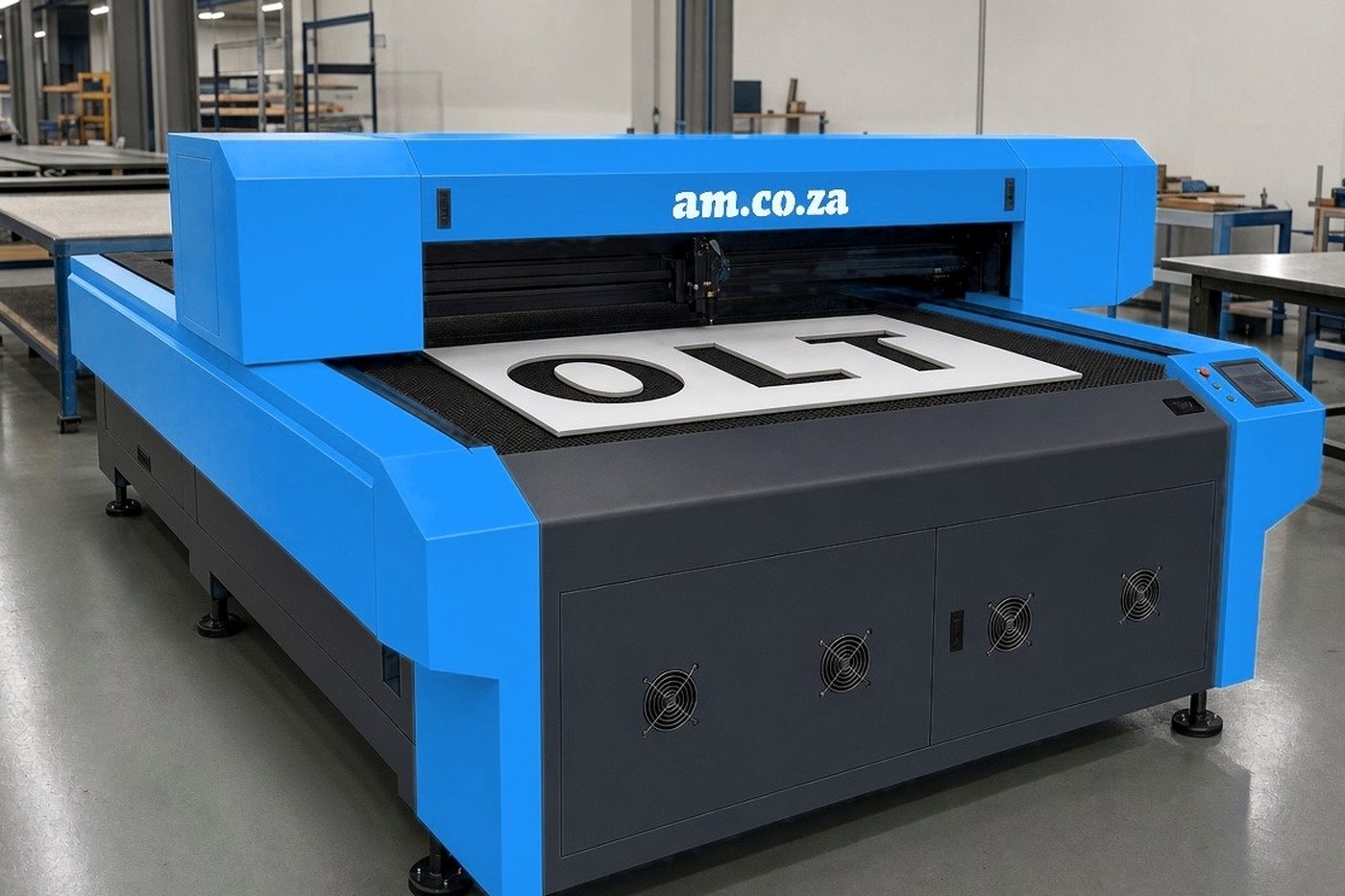
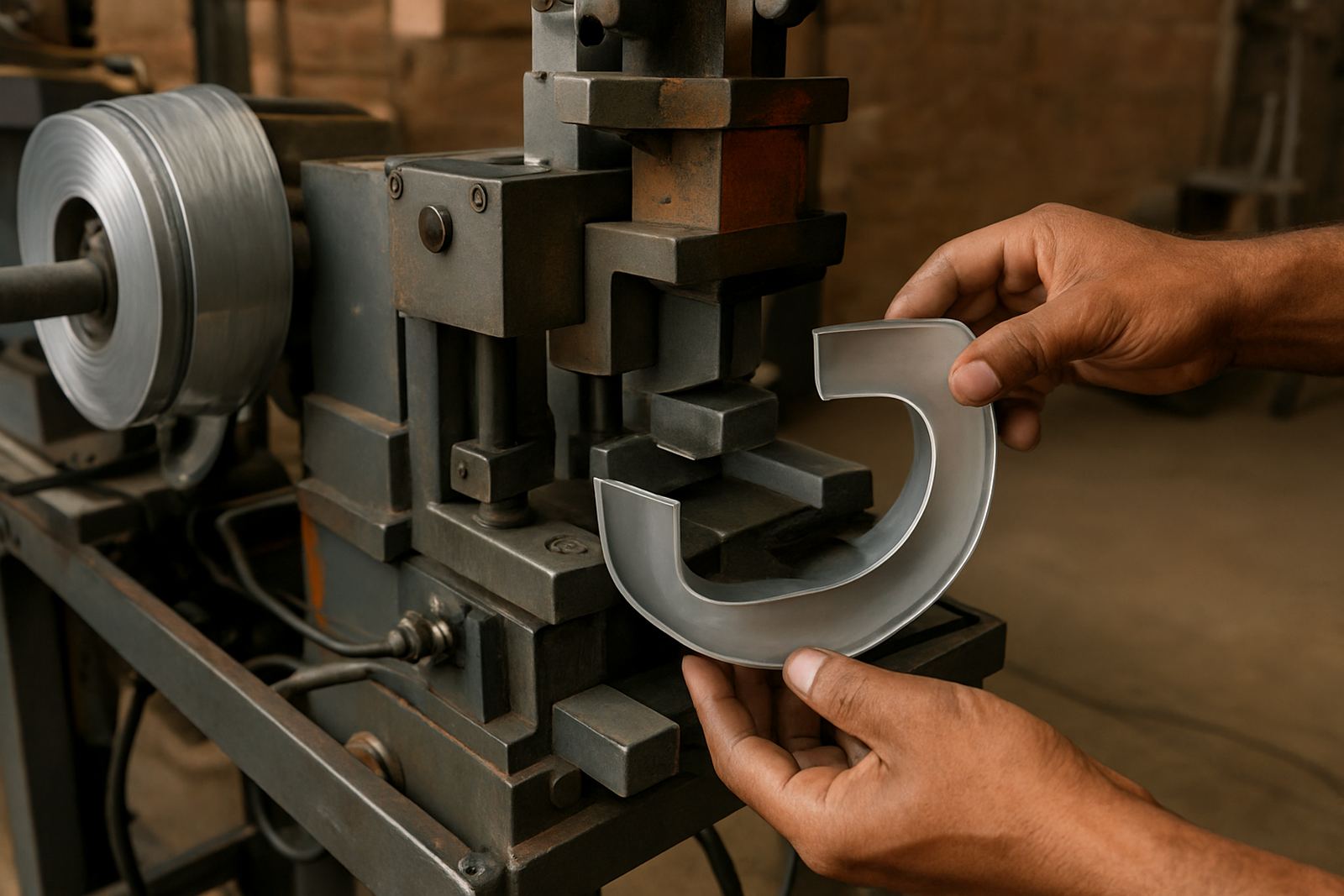
Our Midrand finishing bay now joins stainless returns with an AM.CO.ZA laser welder and cuts acrylic faces on a CO2 laser.

Why Channel Letters

Why Channel Letters

A plain-language look at why channel letters remain popular across many signage applications.

Choose First Bender

Choose First Bender

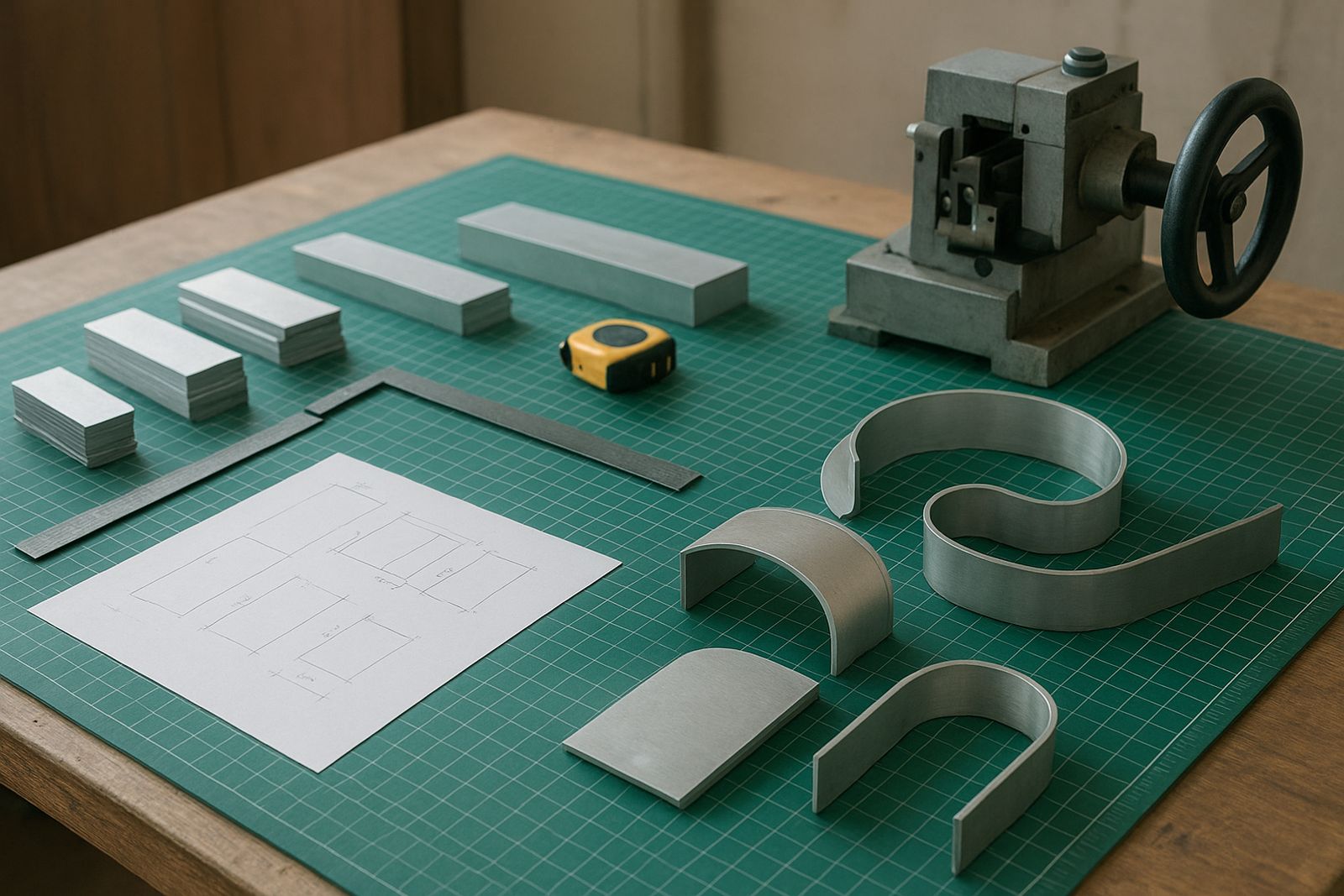
What smaller sign shops should consider before buying a first bending machine.

Coil Types Explained

Coil Types Explained

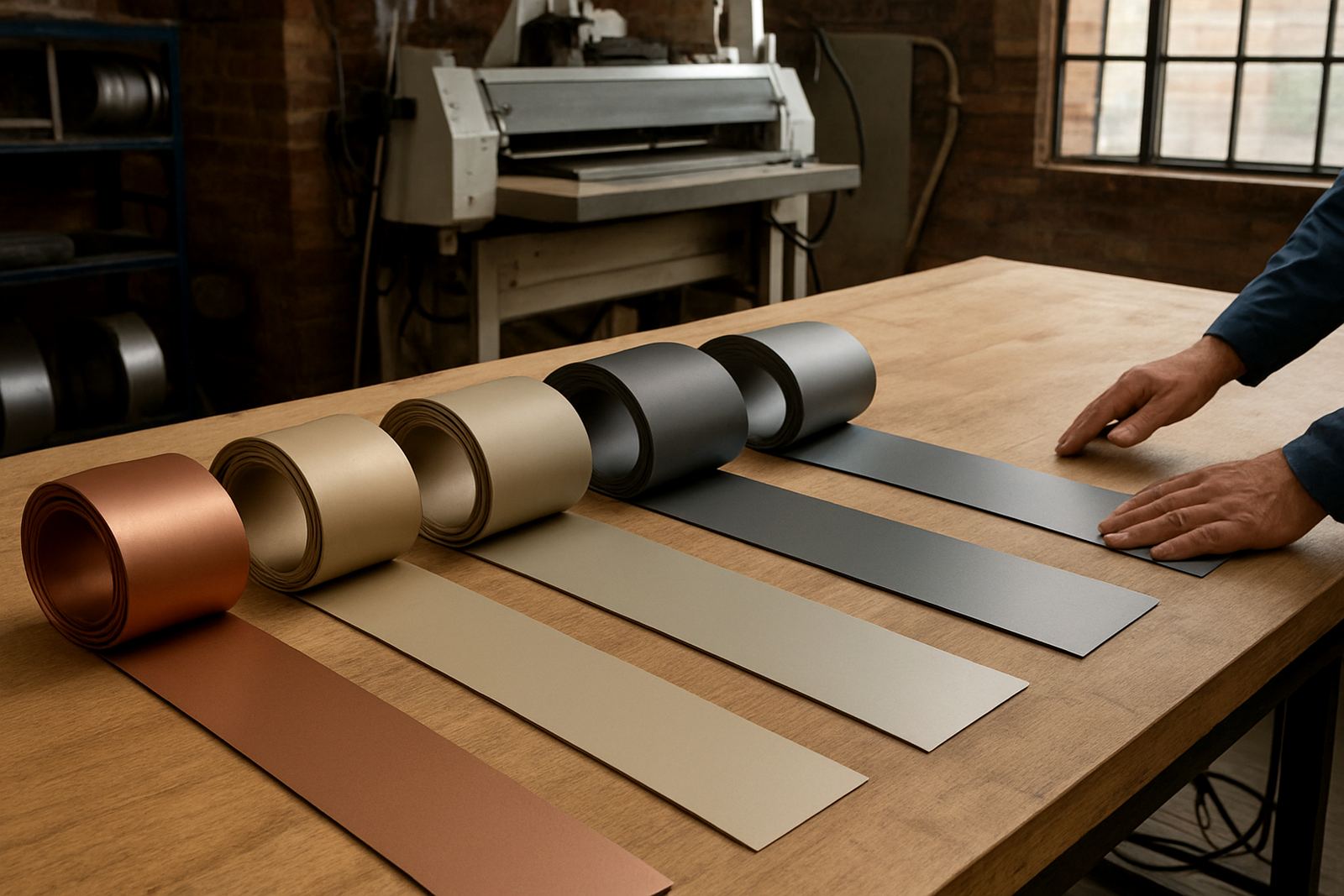
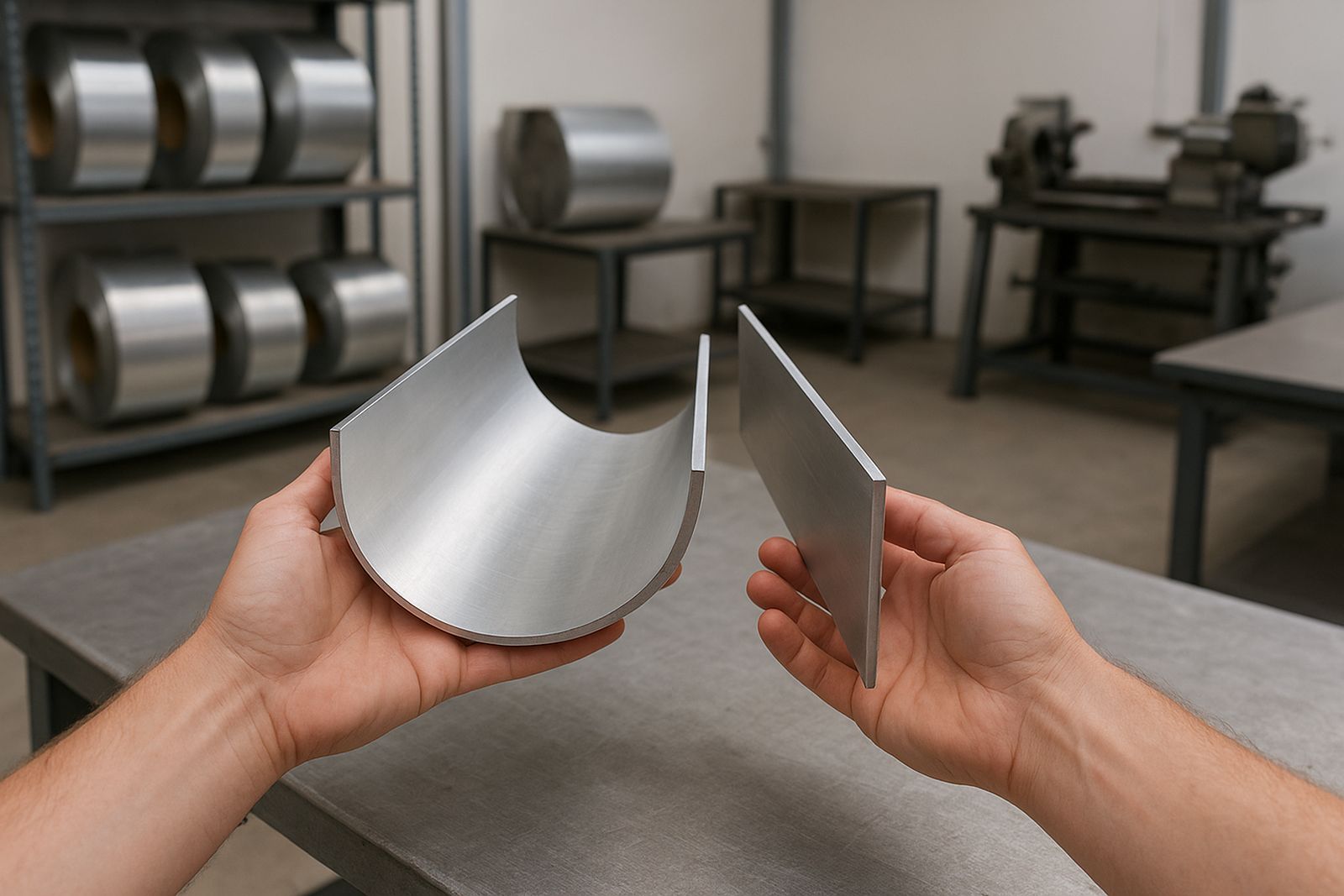
An overview of common return coil options and where each can fit.

Returns Vs Trimless

Returns Vs Trimless

Comparing return-based letters and trimless styles for workshop planning and finish expectations.

Reduce Material Waste

Reduce Material Waste

Simple ways to improve planning and minimise offcuts during letter production.

Faster Letter Output

Faster Letter Output

Workflow ideas that can help sign shops increase throughput without rushing quality.

Operator Mistakes

Operator Mistakes

Common bending and setup mistakes that affect accuracy, finish and machine reliability.

Clean Machine Correctly

Clean Machine Correctly

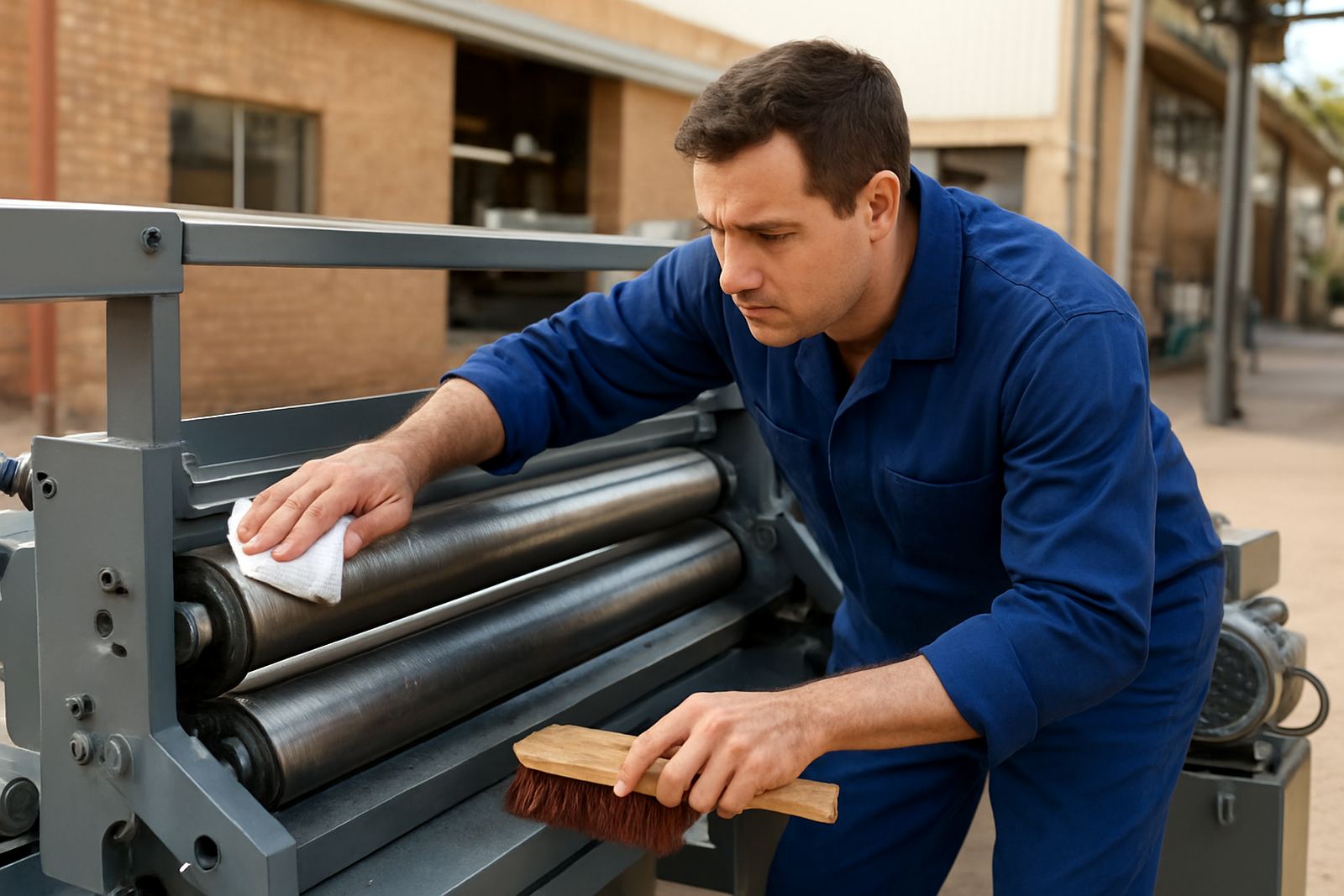
A practical guide to routine cleaning that protects components and output quality.

Service Intervals

Service Intervals

Why regular maintenance timing matters for workshop uptime and production consistency.

Check Feed Alignment

Check Feed Alignment

How feed alignment affects bends, waste and operator confidence during production.

Power Needs Basics

Power Needs Basics

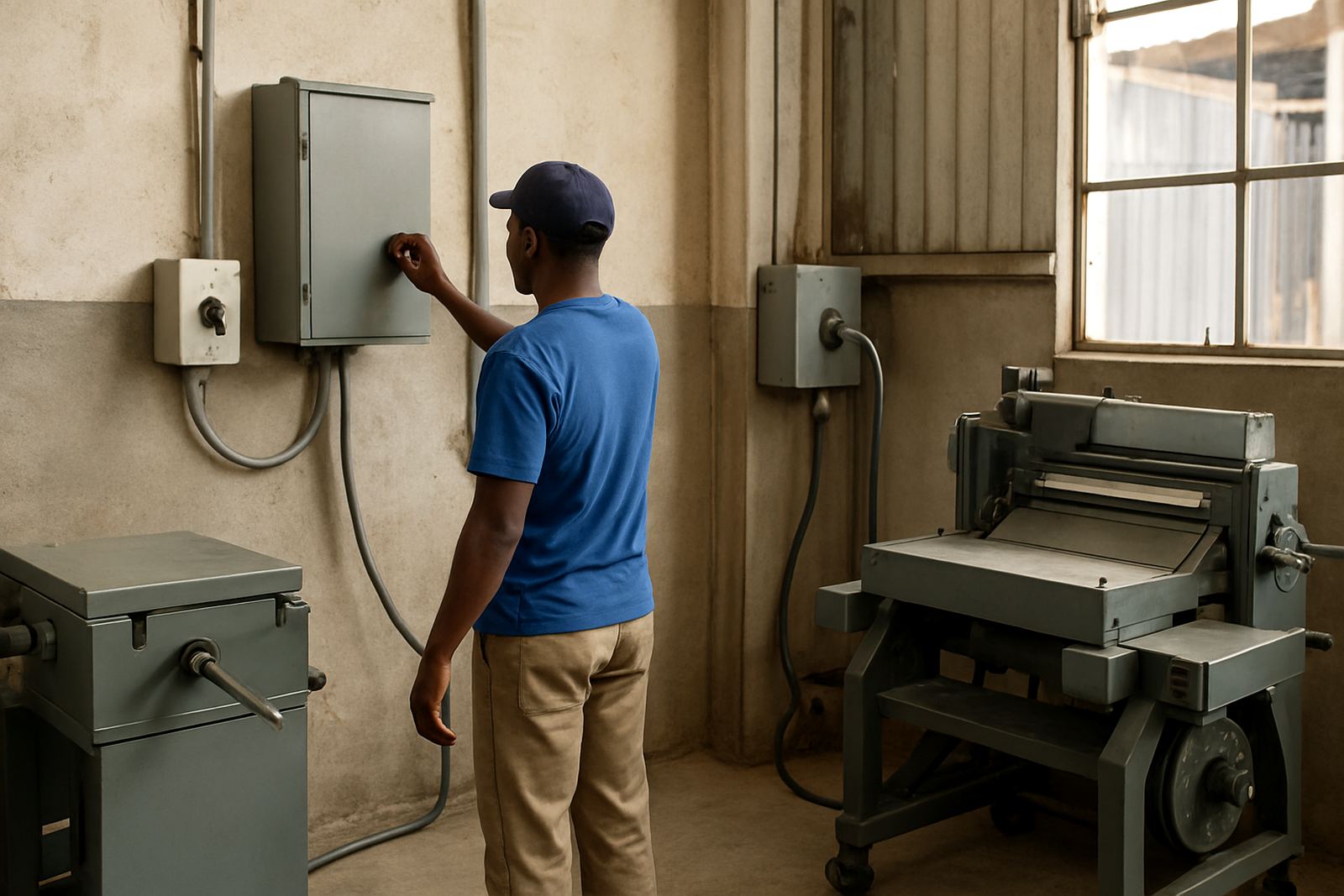
Electrical planning basics before installing a channel-letter machine in your workshop.

Workshop Layout Tips

Workshop Layout Tips

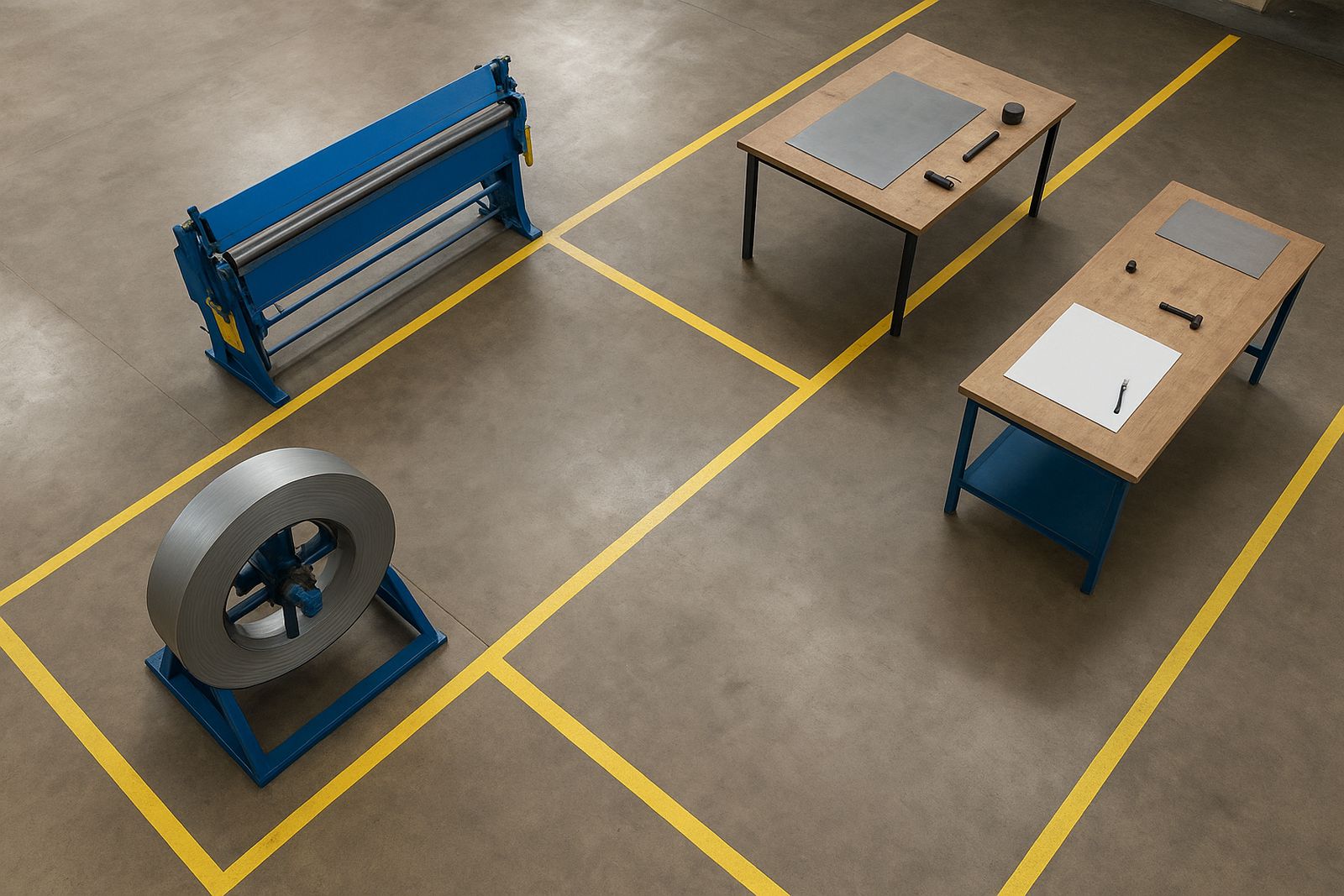
Set up machine position, material flow and finishing areas for better movement.

Small Shop Growth

Small Shop Growth

How channel-letter capability can open new revenue for developing sign businesses.

Pricing Letter Jobs

Pricing Letter Jobs

Factors sign makers should account for when quoting fabricated letter work.

Indoor Vs Outdoor

Indoor Vs Outdoor

Material and finish considerations for interior versus exterior channel-letter signage.

Colour Finish Choice

Colour Finish Choice

Choosing finishes that suit project style, maintenance expectations and visual impact.

Sharp Corner Quality

Sharp Corner Quality

What influences the neatness of corners on finished fabricated letters.

Deep Return Benefits

Deep Return Benefits

When deeper returns improve visibility, lighting effect or presence on large signs.

Sampling For Clients

Sampling For Clients

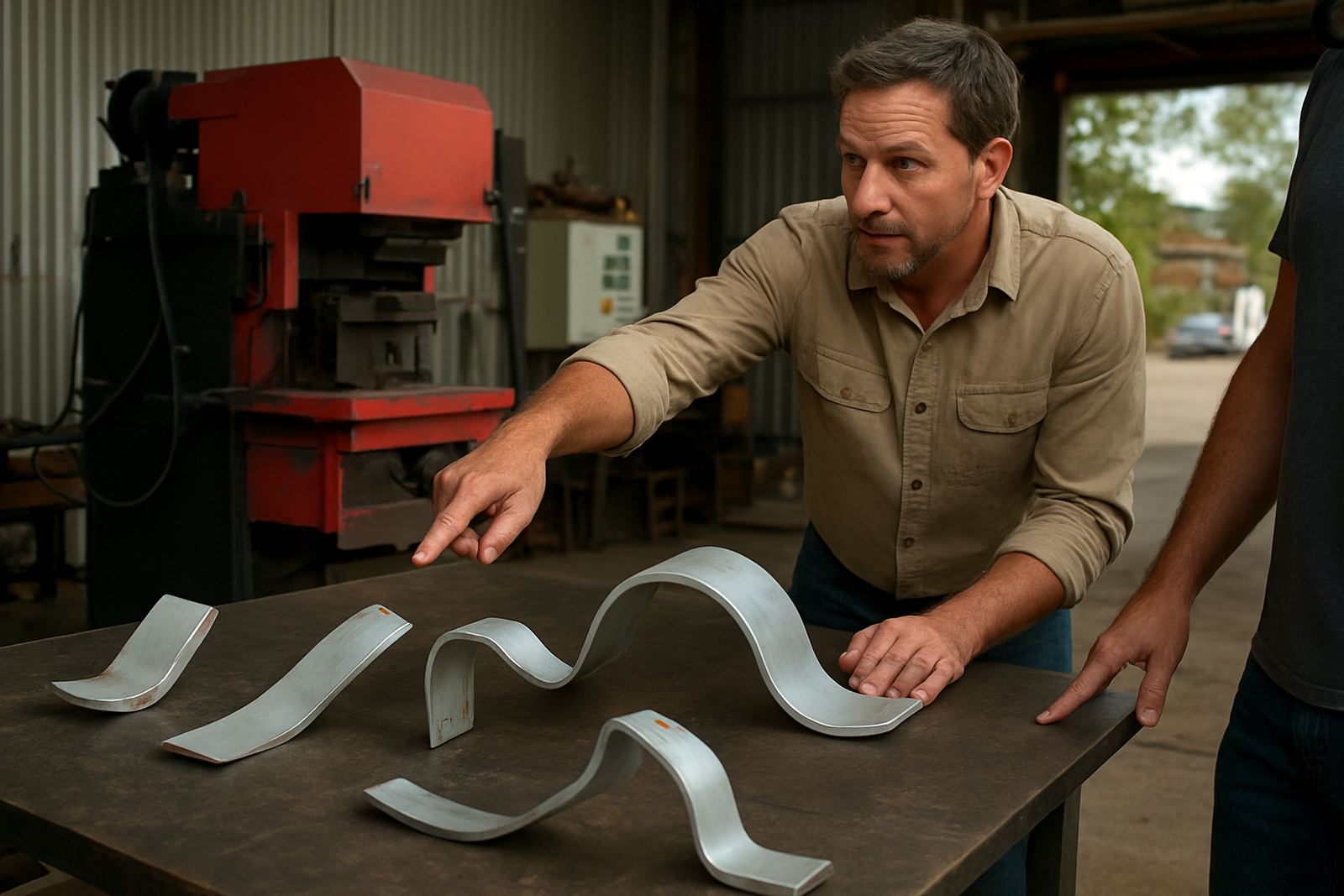
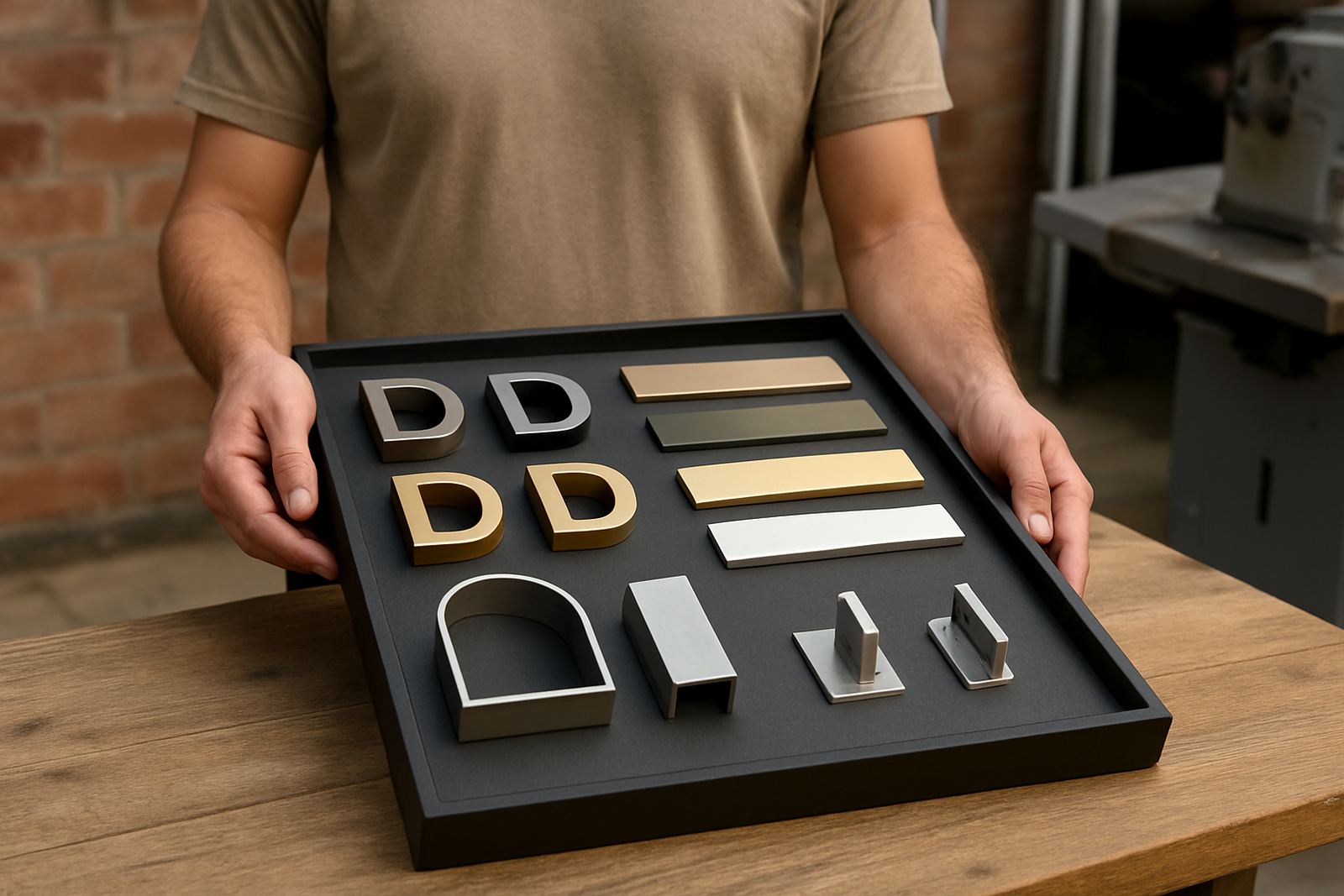
Why physical samples help clients approve finish, depth and visual quality faster.

Delivery And Handling

Delivery And Handling

How to move finished letters and coil materials safely around workshop and site.

Winter Production Care

Winter Production Care

Seasonal workshop considerations that can affect handling and machine readiness in colder months.

Busy Season Planning

Busy Season Planning

Getting people, materials and machine time ready before peak signage periods.

Train New Operators

Train New Operators

A practical approach to helping new staff become safe and productive quickly.

Spares To Keep

Spares To Keep

Key wear parts many workshops keep on hand to avoid longer stoppages.

File Readiness

File Readiness

Why cleaner job files support smoother machine operation and fewer avoidable delays.

Letter Size Limits

Letter Size Limits

Understanding practical size ranges when planning fabricated letter production.

When To Upgrade

When To Upgrade

Signs that a workshop may be ready for a more capable bending setup.

Hire Vs Buy

Hire Vs Buy

Comparing machine hire and ownership for changing workloads and cash flow.

Midrand Support Value

Midrand Support Value

How a central Gauteng base supports service and logistics.

Avoid Bottlenecks

Avoid Bottlenecks

Identifying common slow points between bending, assembly and installation prep.

Protect Finished Letters

Protect Finished Letters

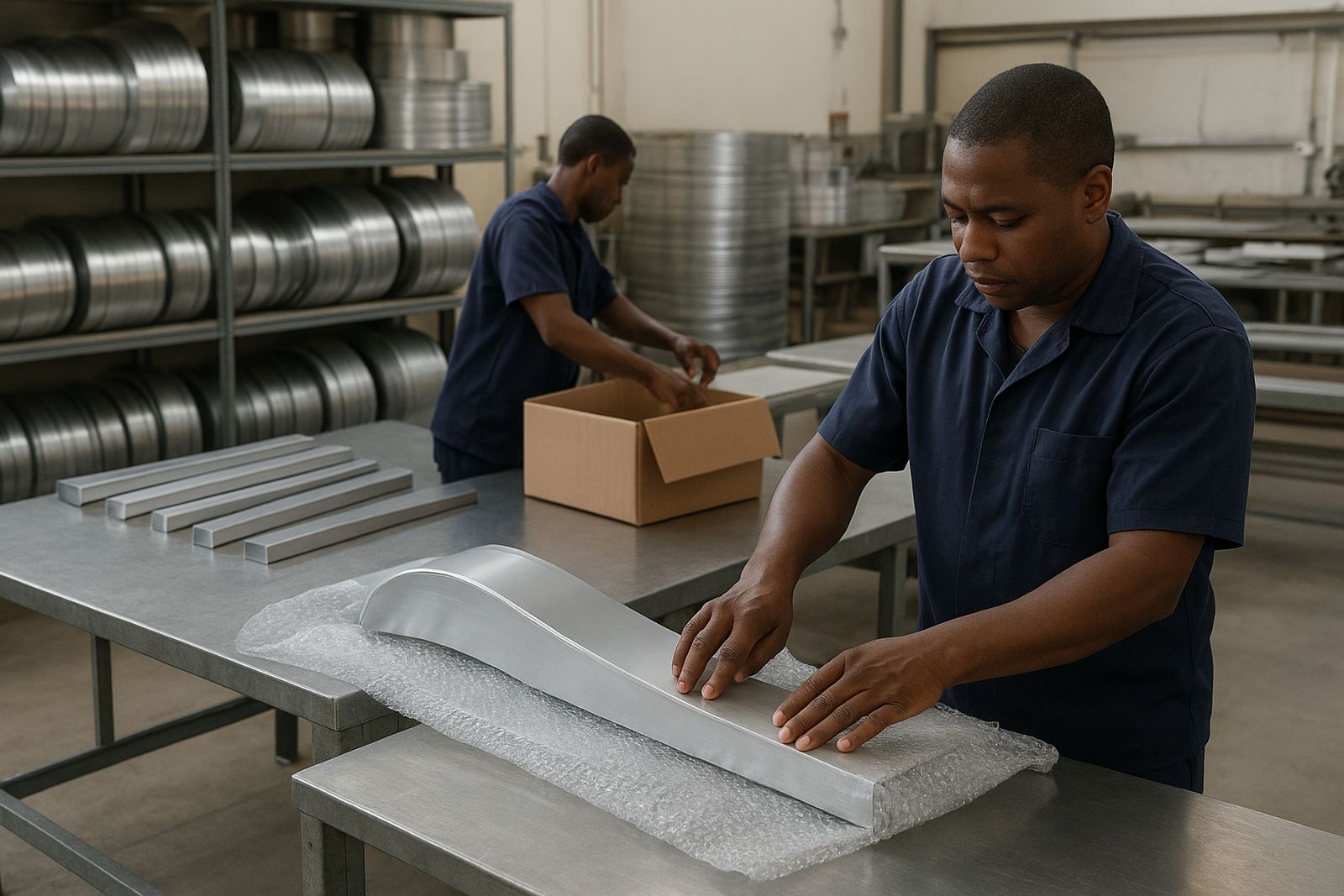
Packing and handling methods that help prevent scratches and crushed returns.

Good Demo Questions

Good Demo Questions

Smart questions to ask during a machine demonstration before making a decision.

Letter Depth Selection

Letter Depth Selection

How to choose suitable return depth for viewing distance and installation context.

Consistent Repeat Jobs

Consistent Repeat Jobs

Ways to keep output steady across repeat branch signage and multi-site rollouts.

Site Access Checks

Site Access Checks

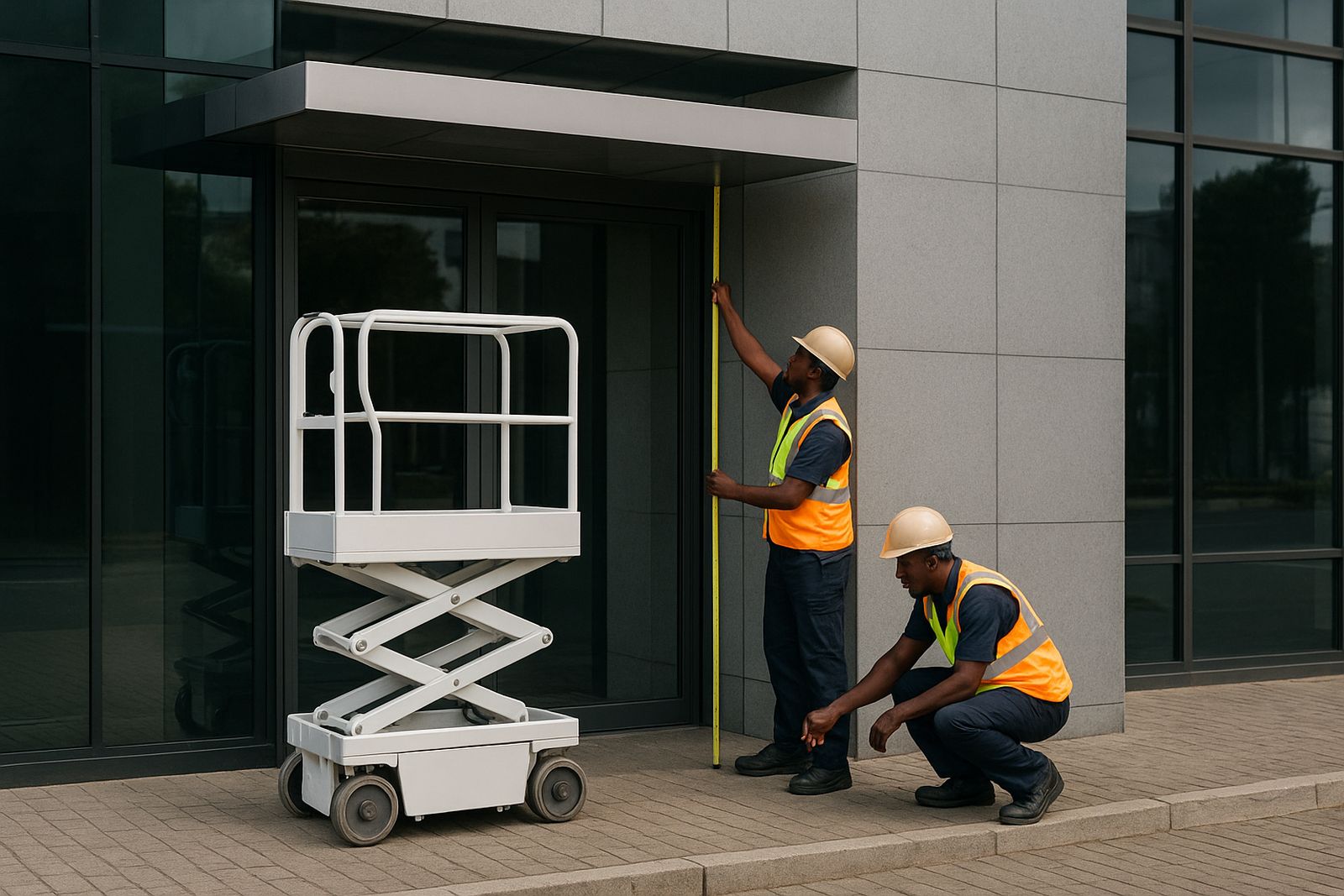
Pre-install planning points for delivery access, lifting and safe sign placement.

Metal Finish Care

Metal Finish Care

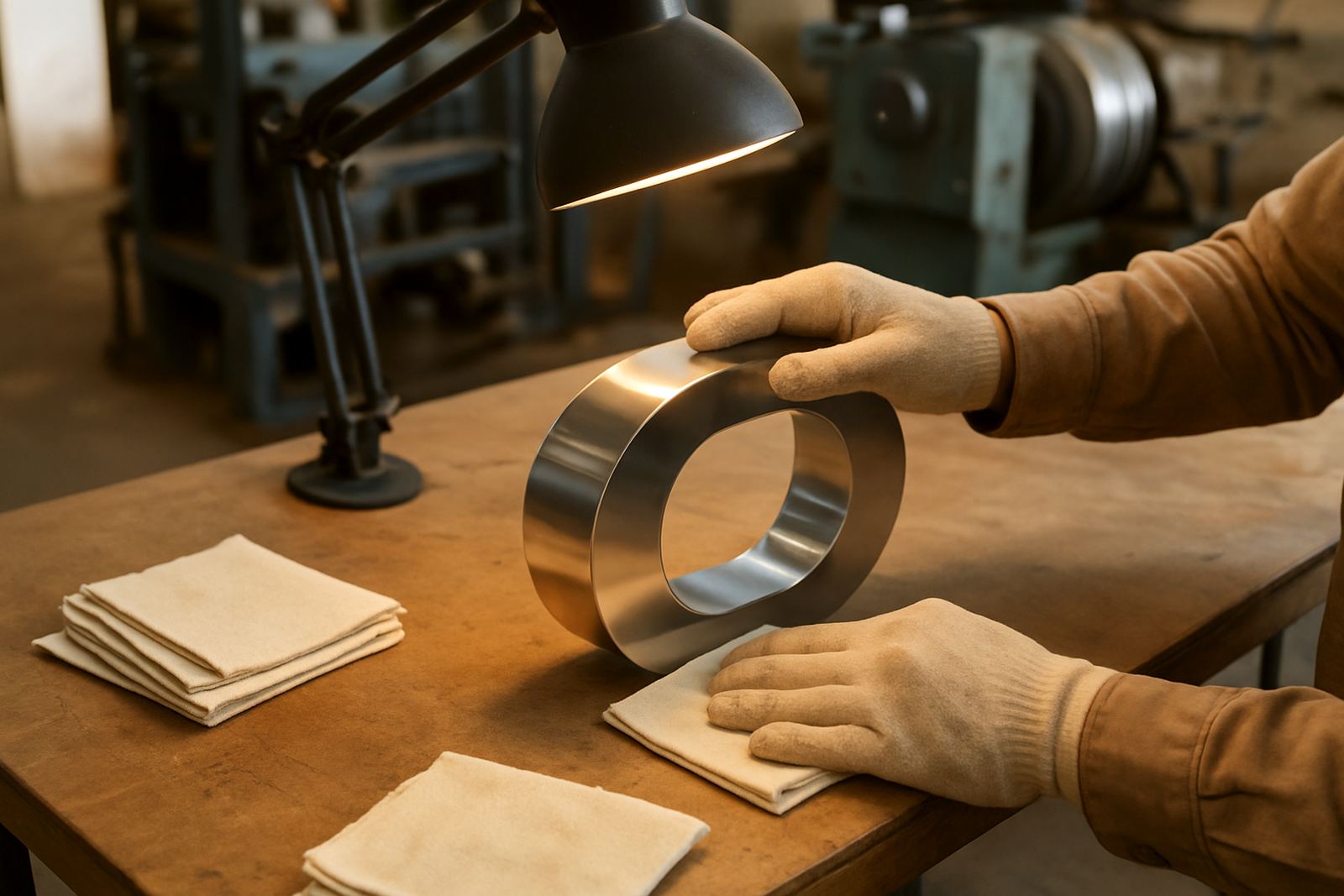
Handling and cleaning habits that help preserve metallic sign finishes.

Faster Client Approvals

Faster Client Approvals

Simple presentation habits that can help sign clients approve fabricated lettering sooner.

Machine Room Safety

Machine Room Safety

Basic workshop safety practices around moving parts, materials and production flow.

Choosing the Right Machine for Your Sign Shop

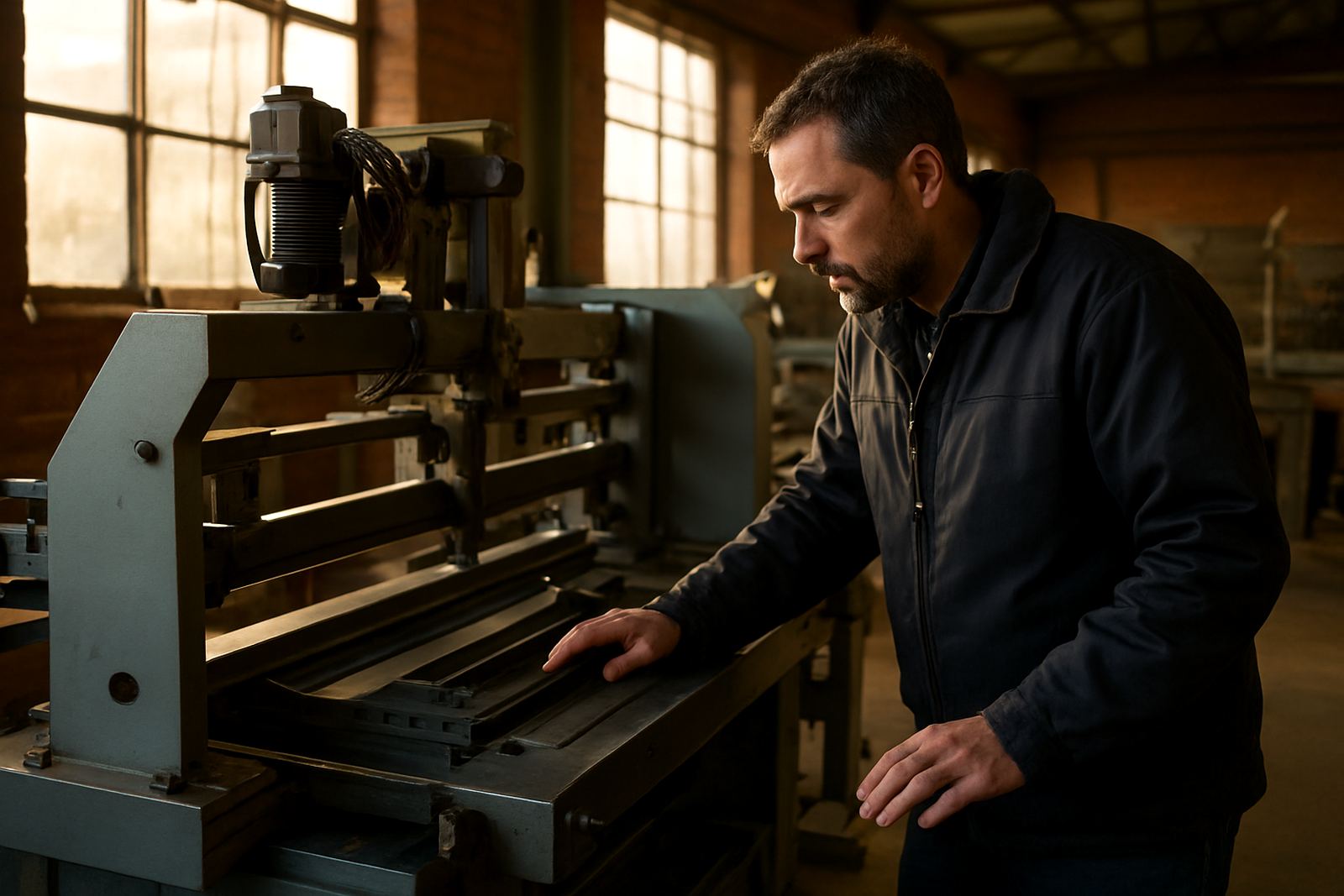
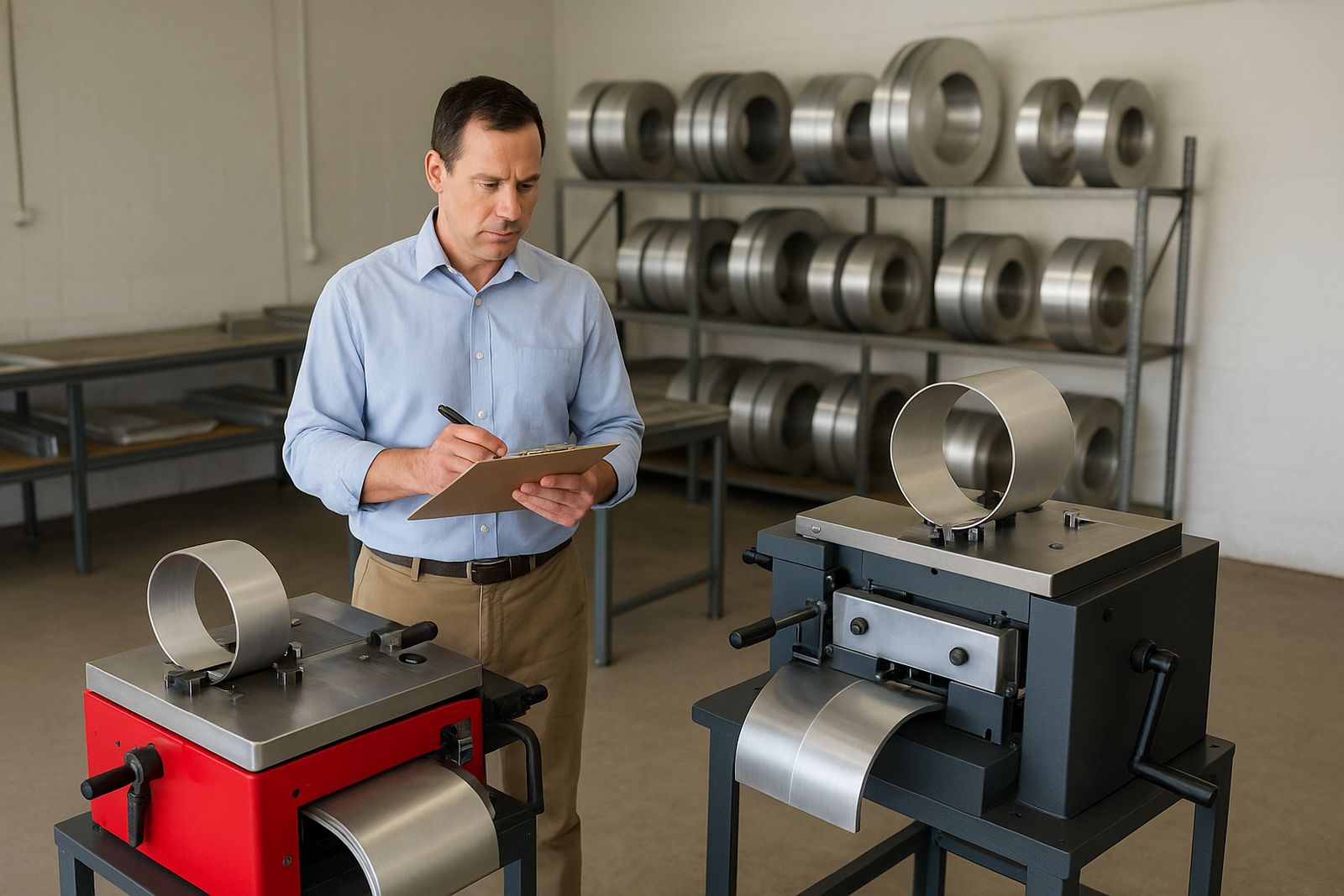
Channel-letter equipment should match the kind of work you do every week, not just the biggest job you hope to land. A small workshop in Midrand that handles local shopfronts will need a different output rate from a factory in East Rand making full retail runs for Durban or Pretoria. Start with the letter sizes you cut most often, the metals you bend, and the level of repeatability your installers expect on site.

When you are comparing machines, look at bend consistency, feed control, tooling access and how easy it is to keep the line running during load-shedding. A good setup should help with narrow returns, longer production hours and fewer hand corrections. If your team is still learning, training and commissioning matter just as much as the machine itself.

  • Check the smallest and largest return sizes you need for your usual signage work.
  • Confirm how the unit handles daily use in a dusty workshop.
  • Ask what support is available for setup, operator training and fault finding.

Materials, Returns and Coil Handling

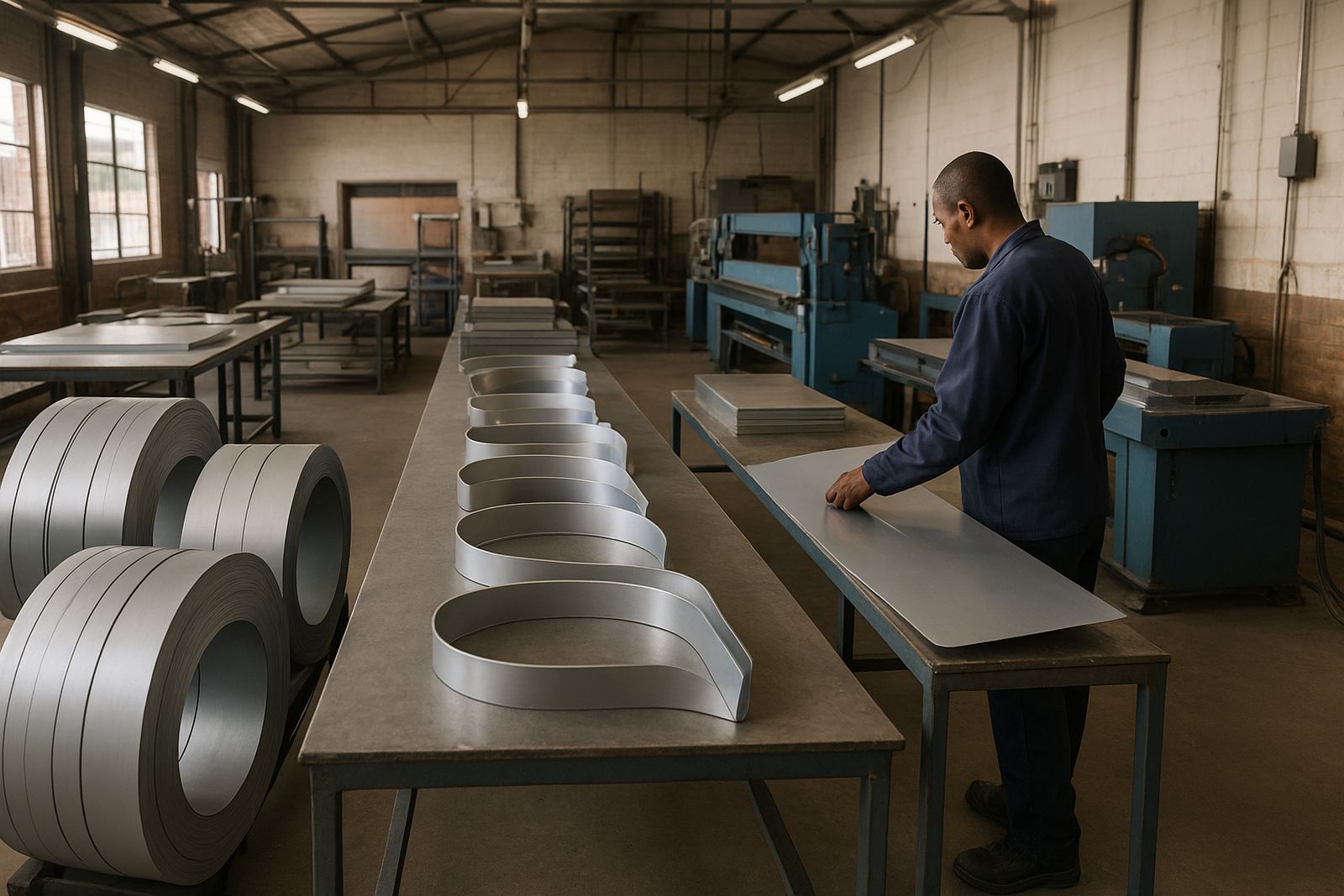
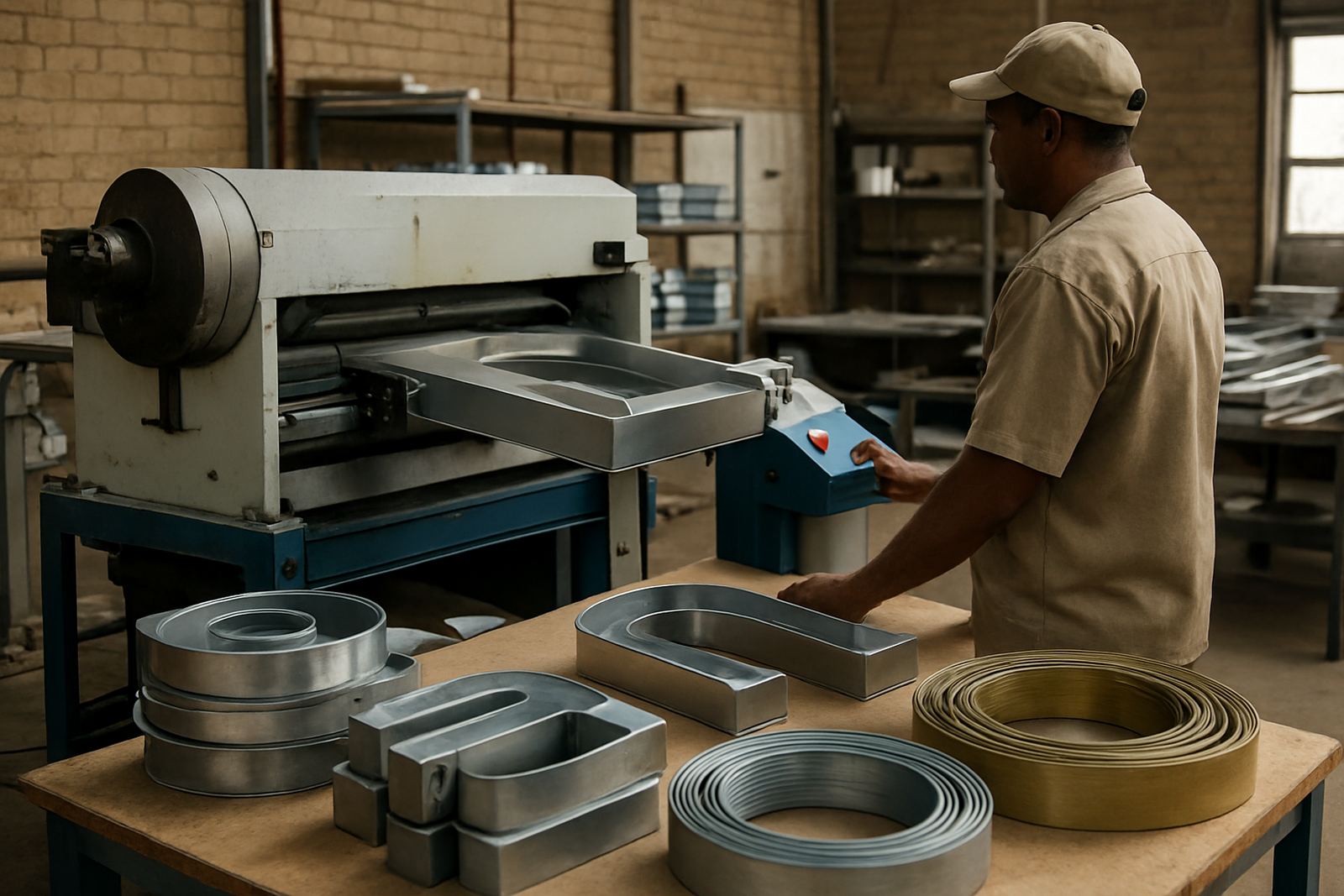
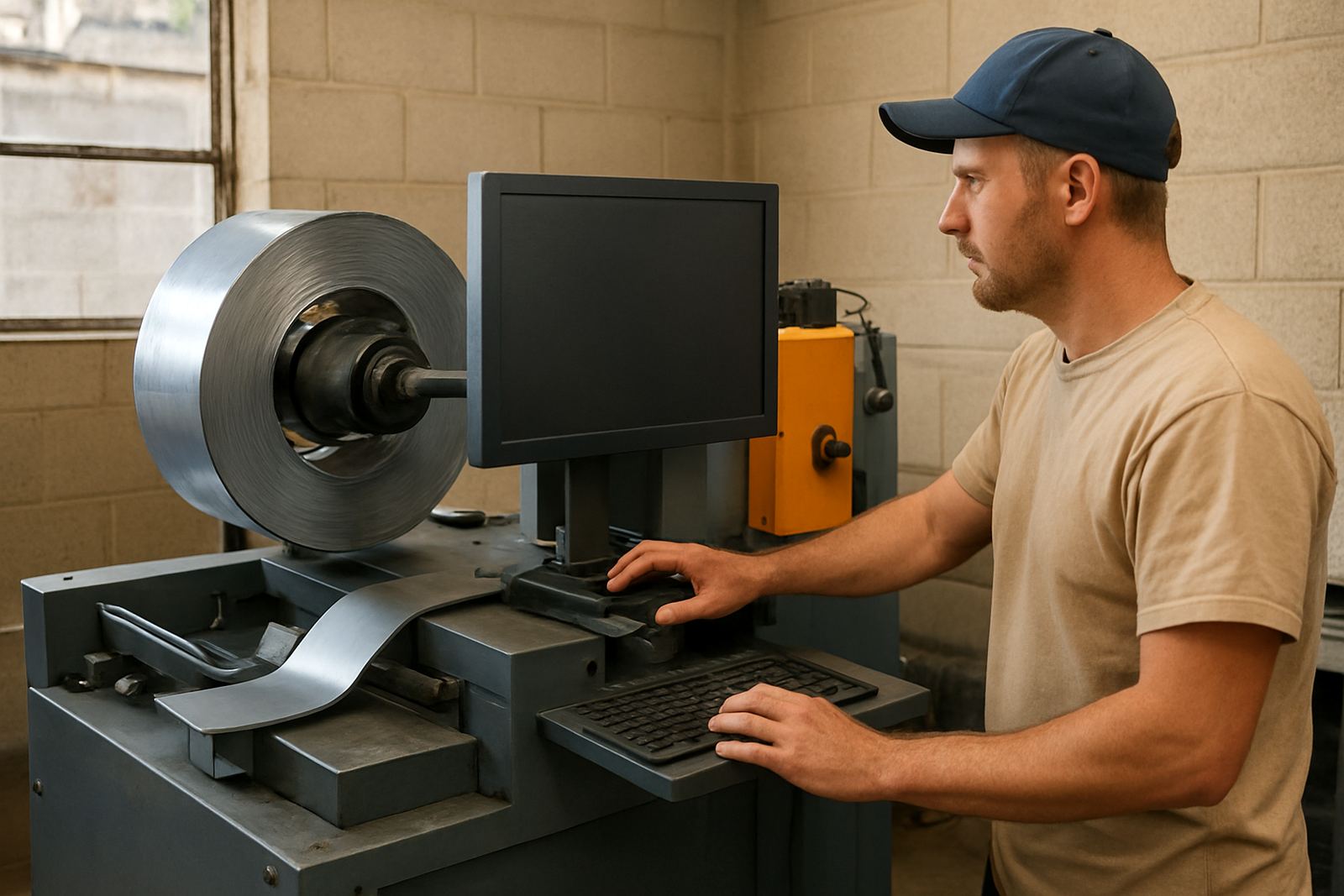
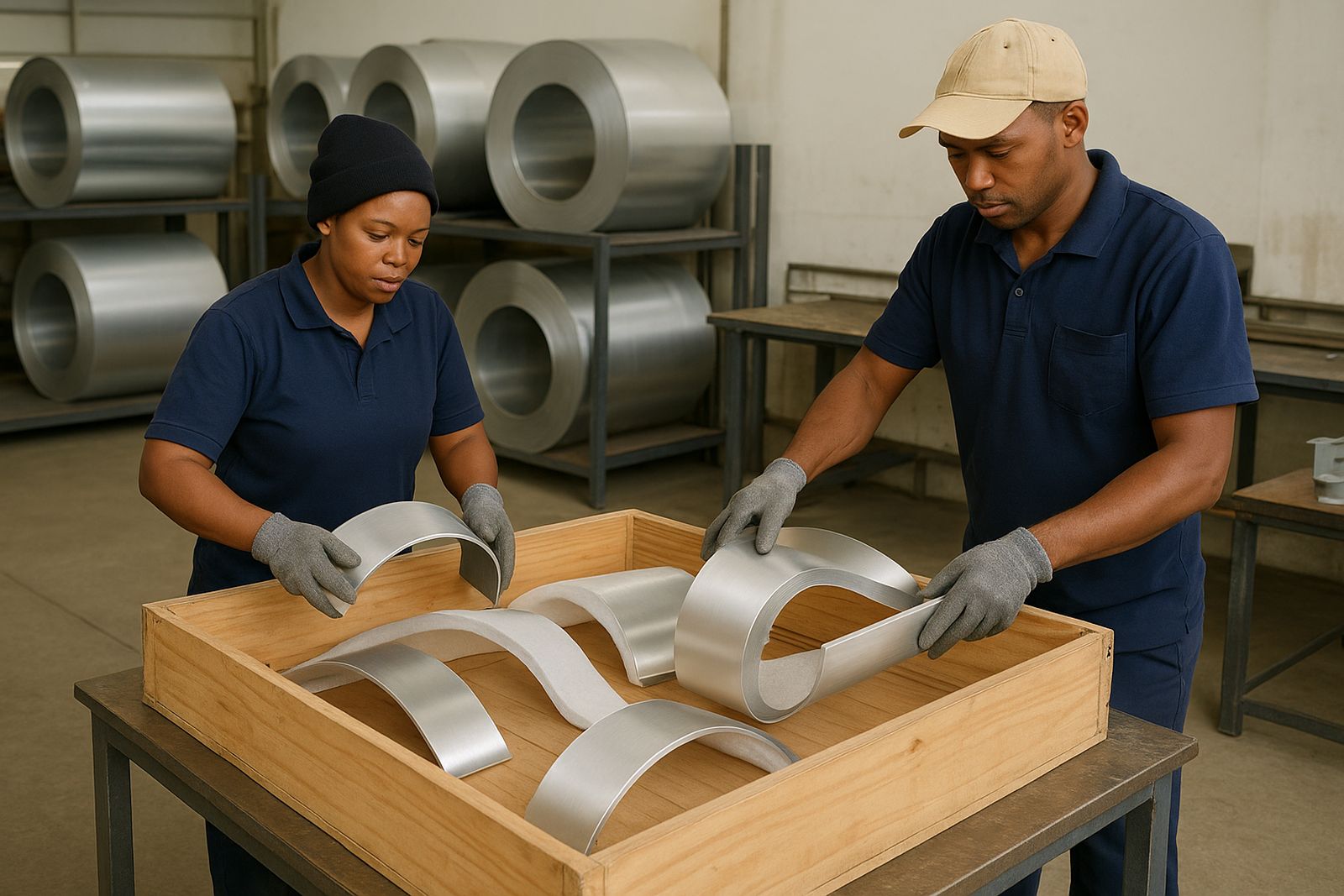
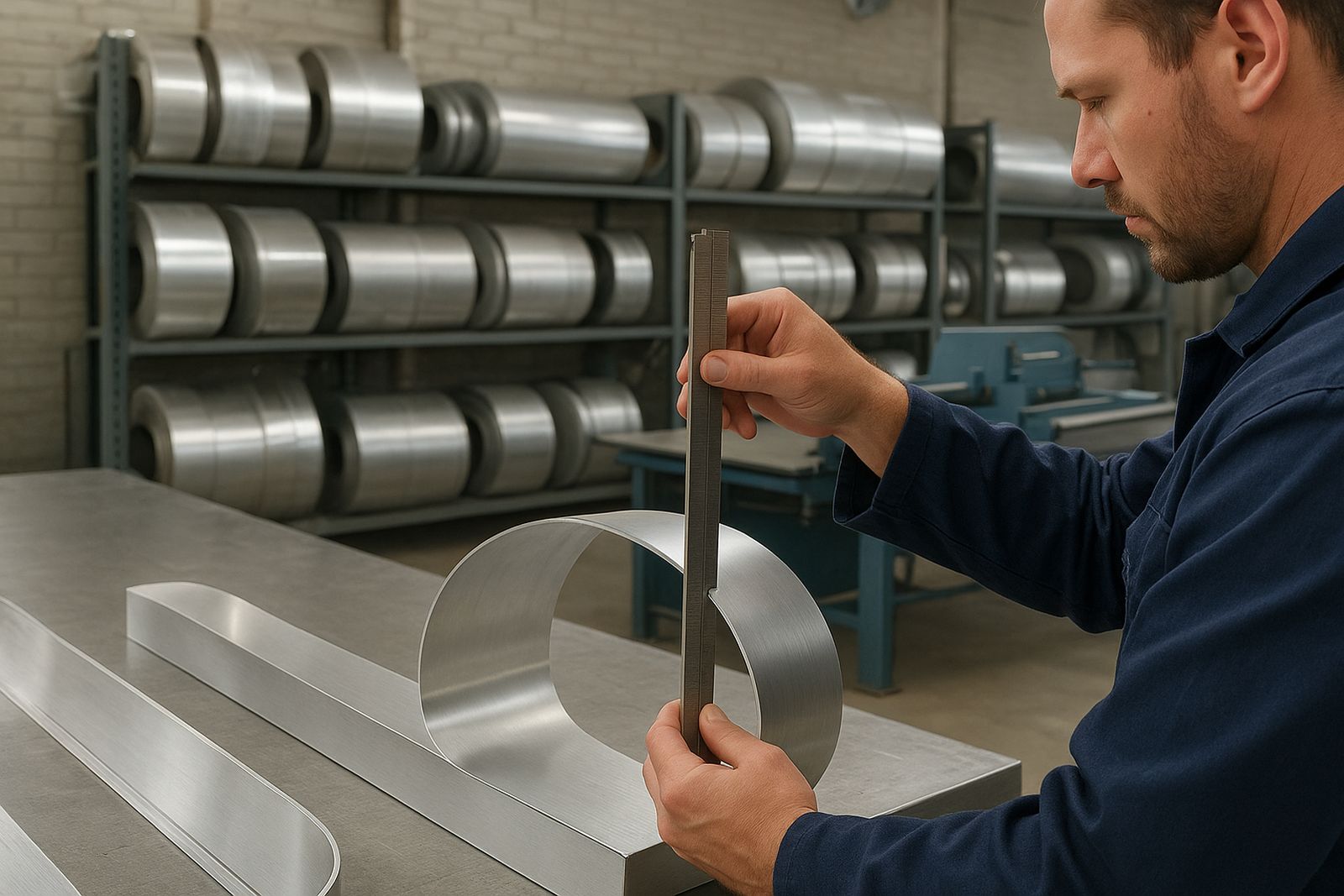
The quality of the finished sign often starts with how the material is stored and handled before it reaches the machine. Coils need to stay flat, dry and protected from coastal humidity, especially for Durban jobs or stock stored near the coast. Scratched or warped material wastes time and can spoil a clean face-to-return fit.

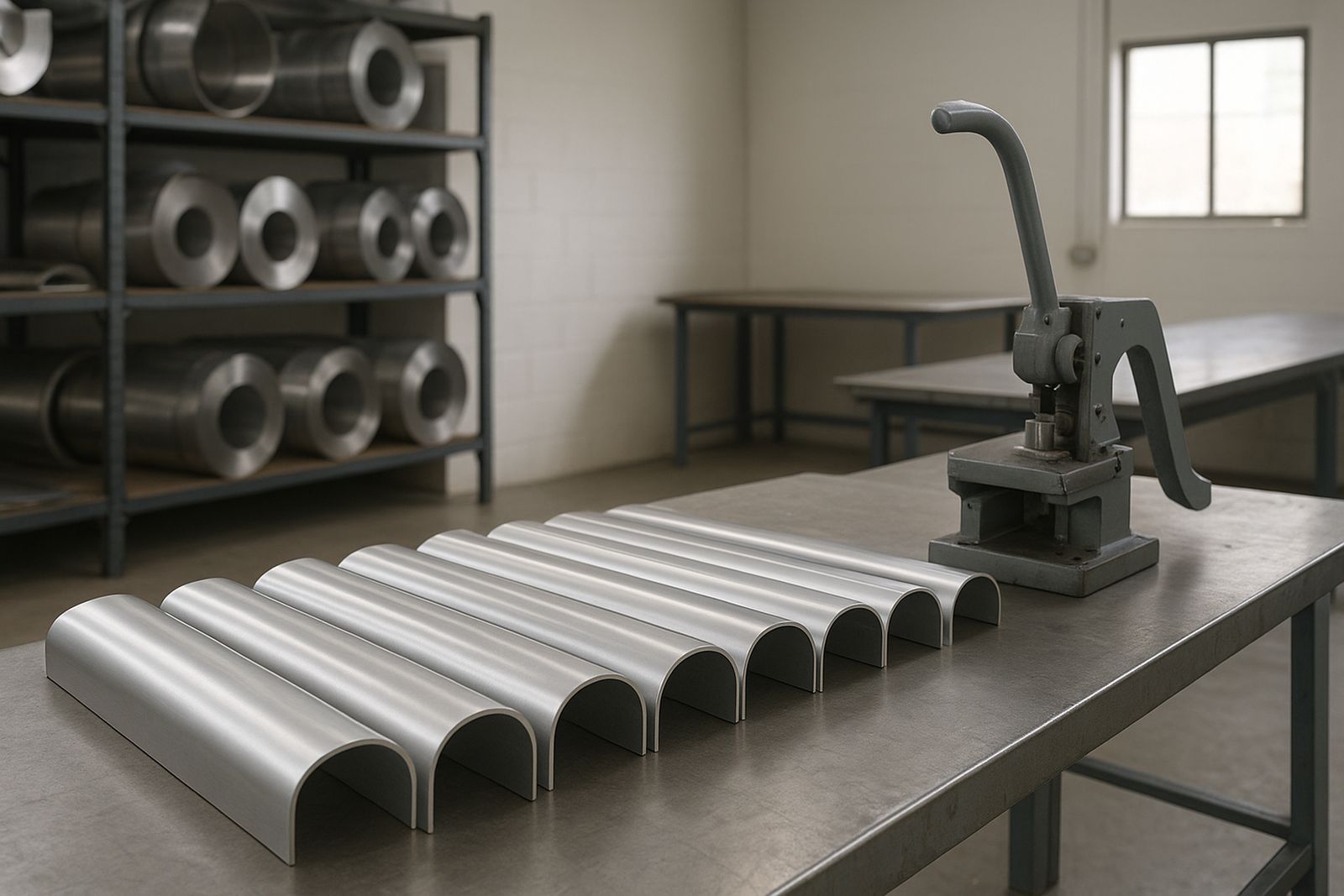
Returns should suit the profile and the final depth required by the client. For cleaner edges, keep an eye on consistency across each bend and avoid mixing material batches in the same production run if you can help it. Proper material selection also helps with outdoor durability, which matters on exposed sites, high walls and roadsides where wind and sun put extra strain on the sign.

  • Store coils off the floor and away from standing water.
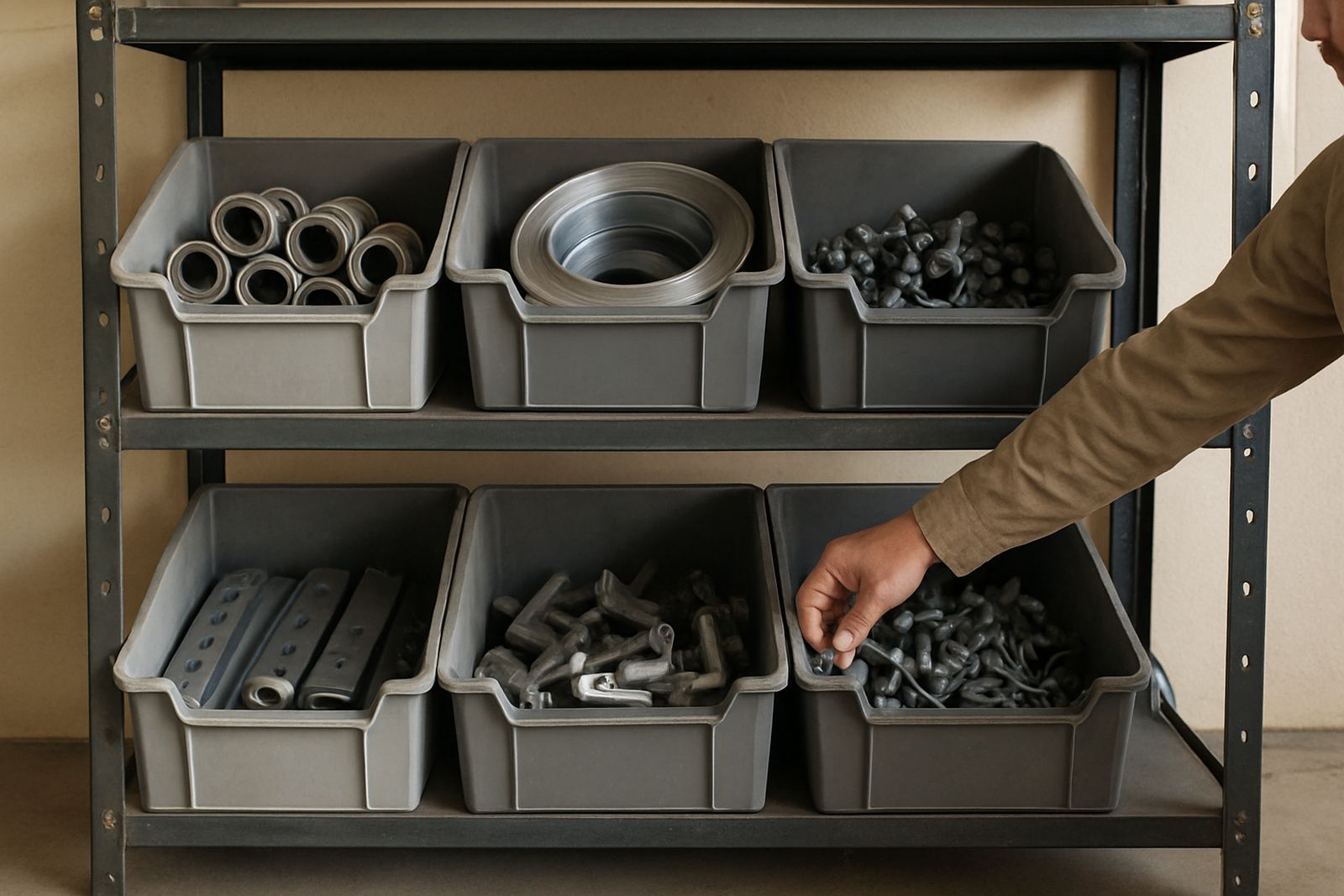
  • Separate fresh stock from offcuts so the right size is always close at hand.
  • Match the return depth to the face size and fixing method before cutting.

Keeping Output Steady During Busy Weeks

Workshops often feel the pressure when several installs land in the same week, especially with municipal approvals, site access limits and last-minute client changes. The best way to keep production steady is to standardise your workflow. That means clear job tickets, labelled materials, a simple maintenance routine and one person responsible for checks before cutting starts.

A tidy workflow saves more than time. It reduces wrong bends, missed lengths and those awkward late-night reworks that push an install into the next day. For teams running in Sandton, Pretoria and the West Rand at the same time, a clear sequence also helps with handover between sales, production and installations.

  • Set fixed check points for material, profile size and bend direction.
  • Keep spare consumables and common spares within easy reach.
  • Plan jobs around power interruptions so critical runs finish before the next outage.

Maintenance That Prevents Costly Breakdowns

Preventive servicing is cheaper than waiting for a stoppage on a deadline job. Machines that bend metal every day need cleaning, inspection and the occasional adjustment to stay accurate. Fine dust, offcuts and adhesive residue can build up around moving parts and affect performance before anyone notices a problem.

Use a simple schedule and stick to it. Daily checks can catch loose fittings, unusual noise or feed issues. Weekly checks can cover alignment, wear points and cable condition. If your team works in areas with unstable power, make sure you protect controls and keep a plan for safe shutdowns. A short interruption handled well is better than a damaged control section or lost production run.

Training, Commissioning and Remote Help

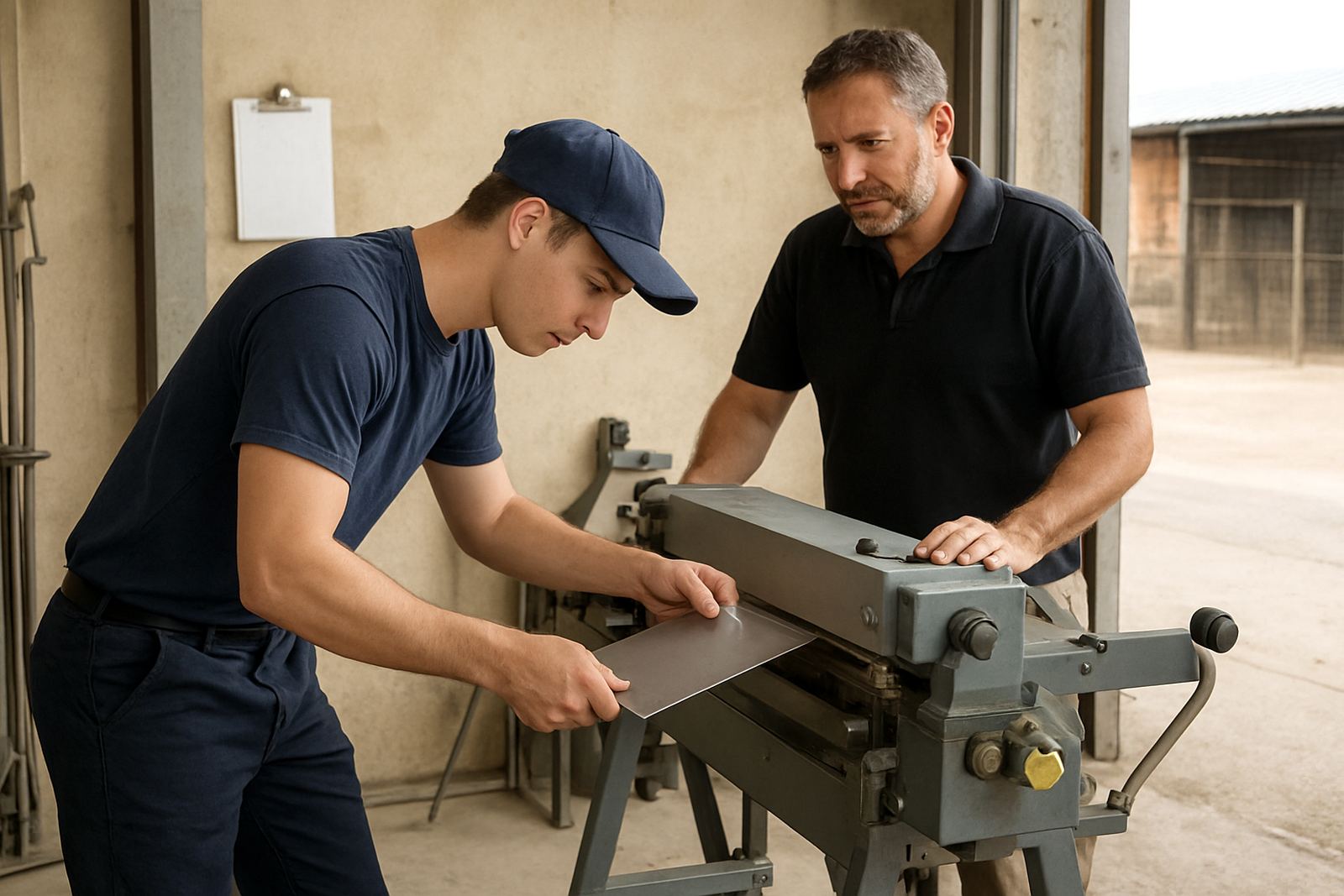
Good results usually come from good setup. Onsite commissioning helps your operators understand the machine in their own workshop, with their own material and production flow. That is especially useful when teams are new to channel-letter work or when a business is moving from manual methods to more controlled output.

Training should not stop after the first day. Refresher sessions, production coaching and remote tech help all make a difference when staff change or when a site starts taking more complex work. A few hours of guidance can prevent weeks of wasted material and slow turnaround.

  • Operator training for day-to-day use and safe handling.
  • Production coaching for faster, cleaner job flow.
  • Refresher training when your team changes or output increases.
  • Remote support for fault checks, set-up questions and process advice.

How to Use These Notes Before You Buy

Our Letter Notes section is meant to help sign makers ask better questions before they spend money. If you are setting up a new workshop, expanding into larger volume work, or replacing older equipment, read across the topics and compare them with the jobs you actually quote. The right decision is usually the one that fits your material sizes, power supply, staff experience and install schedule.

For businesses in Midrand, Pretoria, Sandton, the East Rand, West Rand and Durban, local support matters too. Access to spares, breakdown support and installation planning can save a job when deadlines are tight. If you want to talk through a setup, our team can help with material selection, training and commissioning from the start.

Questions we get asked

What kind of sign maker should read Letter Notes?

Any workshop that bends returns, works with coils or installs channel-letter signs can use these notes. They are useful for small teams and larger production floors alike.

Do these articles help with maintenance planning?

Yes. The notes cover preventive servicing, breakdown support, spares supply and the small checks that help keep machines running during busy weeks.

Discuss your next channel letter job.

Contact form