
What the Corner Tooling Set does on the shop floor
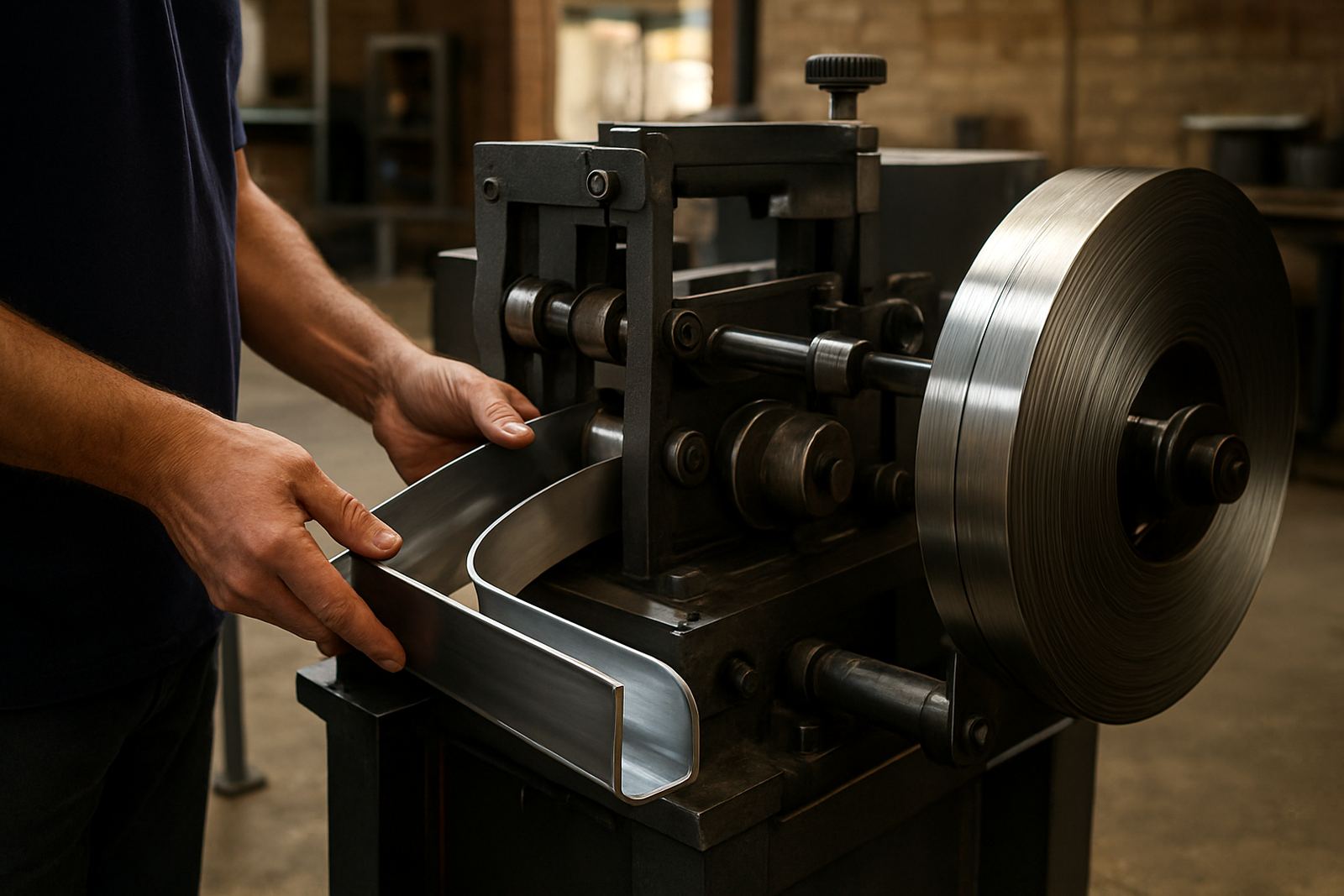
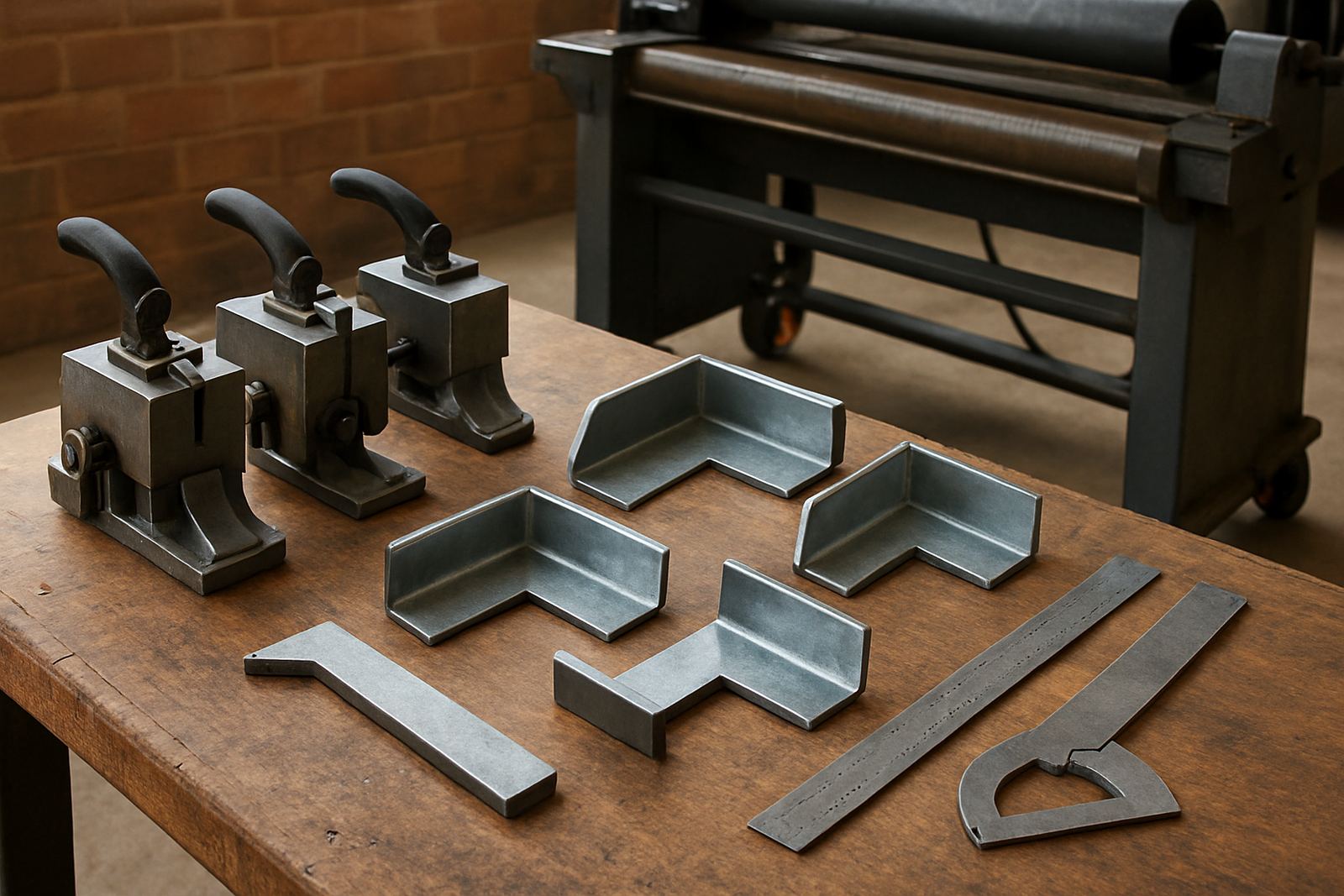
This tooling set is used when a sign maker needs a sharper, more controlled corner on folded returns and selected letter profiles. It supports neater corner geometry on aluminium and similar sign-making material, so the finished letter reads better from the road and takes less hand finishing before assembly. In busy Midrand and Sandton production runs, that can save time on every batch, especially when you are doing repeated letters for shopfronts, offices and motor dealers.
The set is aimed at workshops that already cut, bend and assemble channel letters in-house. It is not a general purpose forming accessory for every shape, so the best result comes when the tooling is matched to the letter design, return depth and material thickness. Used correctly, it helps keep corners consistent across a run, which matters when one sign has twenty or thirty repeated characters.
For sign makers working with coastal humidity in Durban or dusty inland conditions in Pretoria and the East Rand, cleaner corners also help reduce rework caused by handling marks and uneven pressure during forming. One sharp corner on a letter can make the whole face look more professional, even if the sign is viewed from a distance.
Sizes, tooling options and material match-up
Corner tooling is selected according to the style of letter, the return depth and the thickness of the material being formed. We supply options for common sign-making sizes used in South African workshops, with practical combinations for small illuminated letters and larger outline letters. The right setup depends on whether you are forming narrow returns for compact shop signage or deeper returns for bigger roadside work.
- Typical return depths: 50 mm, 75 mm and 100 mm
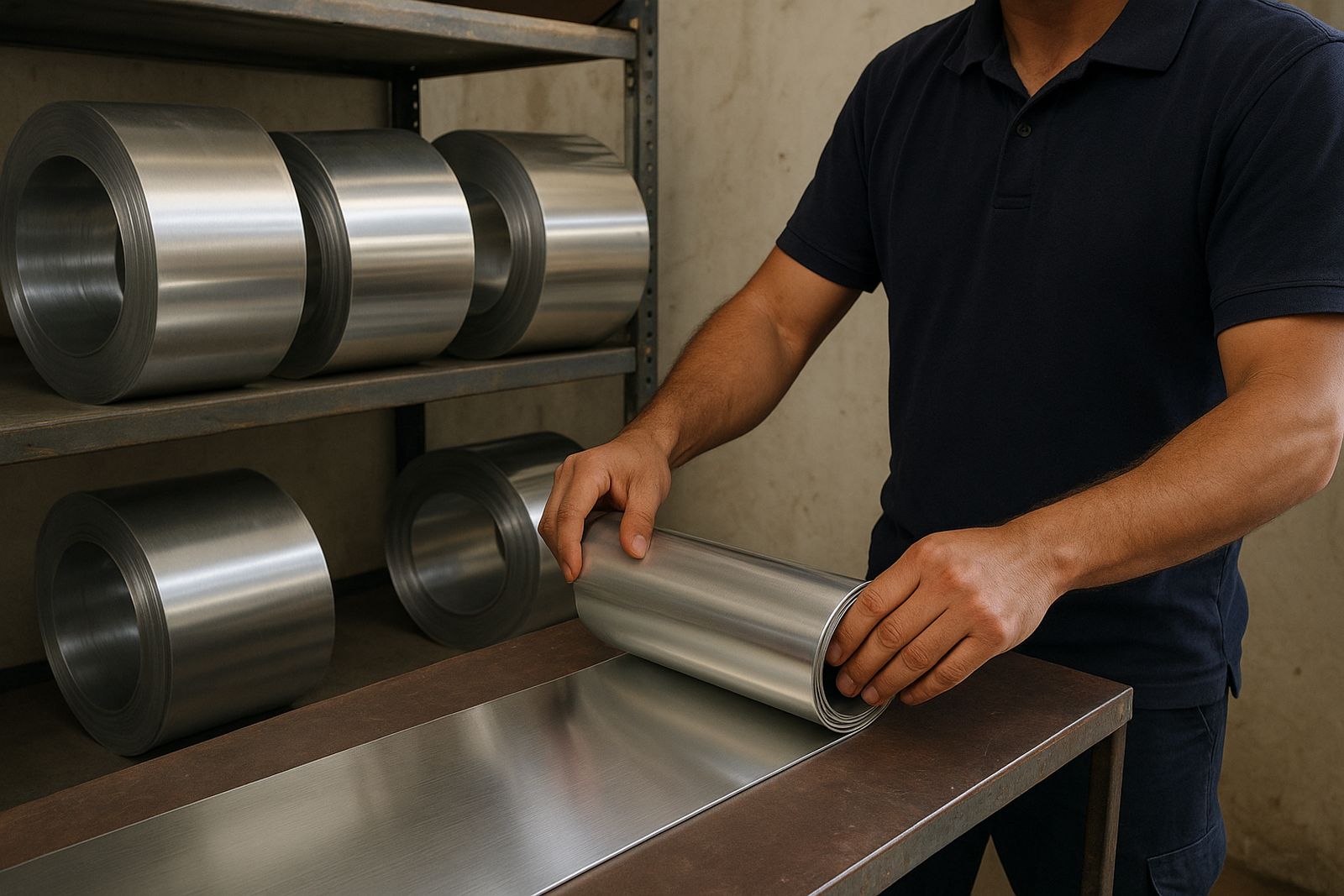
- Material thickness commonly used: 0.8 mm to 1.2 mm aluminium
- Suitable letter styles: straight-sided block letters, selected rounded letters and fitted corner sections
- Tooling format: matched corner set for left and right hand forming where needed
- Workshop use: bench-mounted production and prep work before final assembly
The tooling is intended for controlled production, not rough site bending. If your team is handling mixed orders from Sandton, Pretoria and Durban at the same time, it helps to keep separate settings or clearly marked tool packs for each return size. That avoids mix-ups and keeps your bending pattern consistent from batch to batch.
Where letters need tighter visual corners, the set can help achieve a more defined edge without forcing the material, which is important because over-working the return can lead to cracking, wave marks or a corner that sits off line.
Where it suits best in sign production
This tooling set suits workshops producing channel letters for retail fronts, medical suites, industrial parks, forecourt signage and building names. It is especially useful where the client wants crisp character edges and a tidy finish on the corner transition. For sign makers doing installations nationwide, the consistency gained in the workshop can reduce call-backs once the sign is on a wall or pylon.
It works well in production environments where operators are trained on repeat methods and where material selection is controlled. If you are using it for external signage in coastal areas, it is worth pairing the corner work with proper sealing, good adhesive practice and correct face fixing so the sign holds up against salt air and daily weather changes.
- Best for repeat letter runs and standardised sign sets
- Useful where corners are visible at close range
- Supports cleaner finishing before illumination assembly
- Good fit for workshops that need shorter turnaround times
We often see the best results when the tooling is used as part of a full process, from material selection through to installation planning. That is why our Midrand team supports commissioning, refresher training and production coaching for workshops that want the set to earn its keep instead of sitting on a shelf.
Installation, power and workshop setup
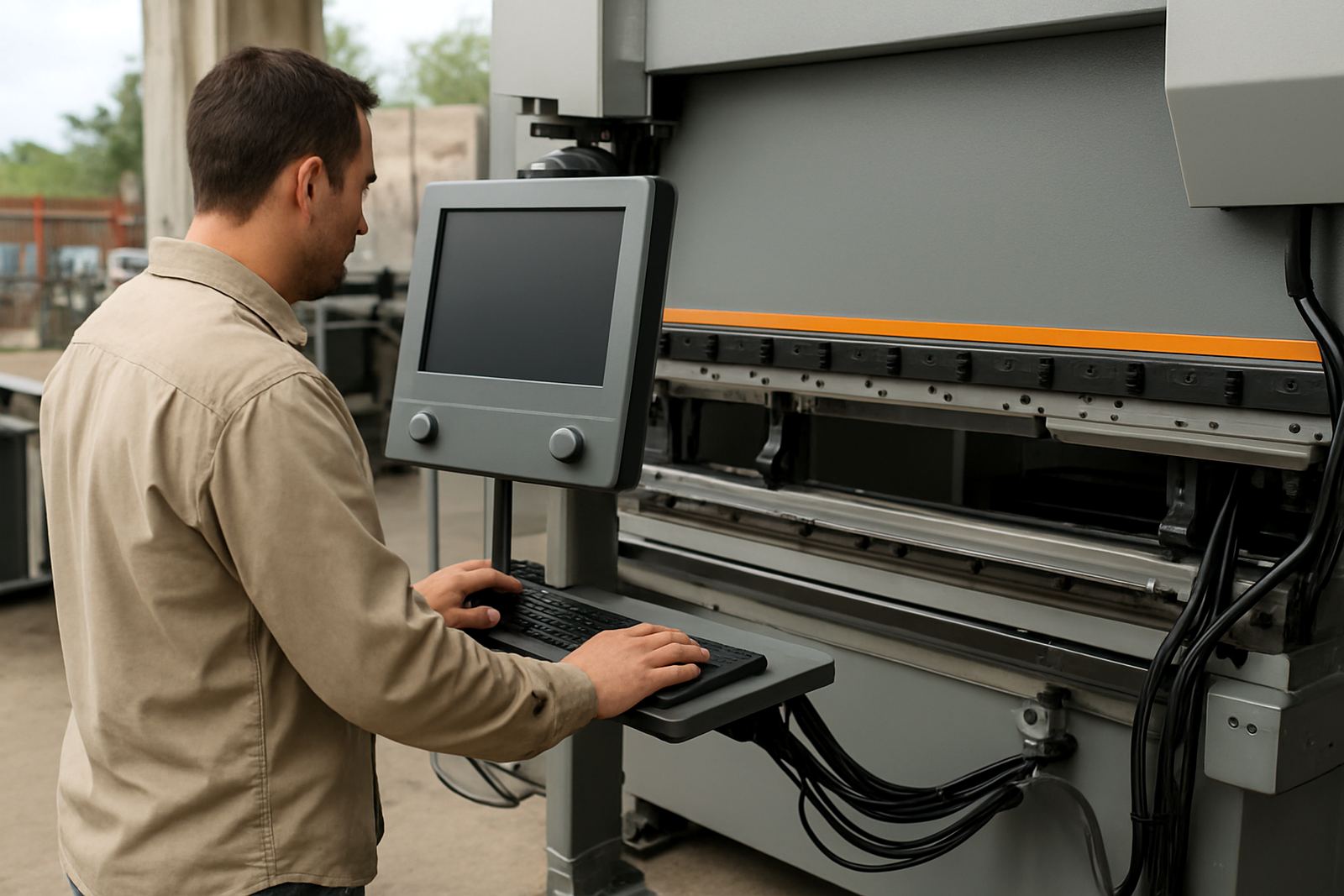
The Corner Tooling Set is straightforward to add into an existing sign-making line, but it still needs proper setup. The bench area should be level, well lit and clear of offcuts, adhesive and dust. If your workshop experiences load-shedding, plan the tooling work so the bending and test fit stages are done when stable power is available, or keep your process arranged for manual handling where possible.
In most setups the tooling itself does not need a complex power supply, but it should be matched to the machine or forming method being used. If your process includes powered equipment, check the available supply, plug arrangement and any site requirements before the order is finalised. A small error here can delay production, and in a busy week in Midrand that can throw off install dates across Gauteng.
- Check bench space and operator reach before installation
- Confirm whether the tooling is for manual or machine-assisted use
- Keep spare measuring tools on hand for repeat corner checks
- Allow space for safe material handling and finished-part stacking
Where the set is used for on-site work or fit-up at a client premises, make sure the work area allows for safe handling and clean storage. We also advise checking whether the site has any access limits, generator use rules or after-hours restrictions before delivery, because those small details can slow a job down more than the tooling itself.
Care, servicing and keeping corners consistent
Like any precision sign-making tooling, the Corner Tooling Set needs regular care if you want the same result on every run. Keep the contact surfaces clean, remove metal dust after use and inspect the working edges for wear. If a corner starts looking soft, crushed or slightly uneven, stop and check the setup before carrying on with the batch.
Preventive servicing is cheaper than recovering a bad production run. A quick check at the start of the week can pick up loose fittings, scoring or alignment issues before the workshop gets into heavy output. For teams in Durban, moisture control is worth attention too, because damp conditions can affect storage and surface condition if the tooling is left exposed.
- Wipe down after use and store in a dry cabinet or shelf
- Inspect for burrs, scoring and worn contact points
- Keep fasteners tight and aligned to your forming method
- Use only the recommended material thickness for best life
If you need help troubleshooting, our technical team can assist with remote tech help, breakdown support and refresher training. That support matters when a workshop is under pressure and someone has to finish a sign today, not next week.
Checks to make before ordering corner tooling
Before ordering, make sure the tooling matches the actual letters you are producing, not just the idea of the job. The main checks are return depth, material type, corner style, machine compatibility and whether you need a left and right matched set. If the wrong size is supplied, the fit may look acceptable at first but the finished sign can still show gaps or uneven edge tension.
Please also confirm how the tooling will be used in your workflow. A workshop that makes small illuminated letters for Sandton offices will often need a different setup from a team that produces larger outdoor branding for industrial clients in East Rand or West Rand areas. If the order is for training and production coaching, tell us what the team currently uses so we can advise on the best match.
- Letter style and corner profile required
- Return depth and metal thickness
- Machine model or manual forming method
- Left hand, right hand or paired tooling
- Expected production volume and turnaround time
- Any site or workshop restrictions for installation and commissioning
For ordering help, spares, material selection or installation planning, contact our Midrand team on our contact form. We support sign makers across Midrand, Sandton, Pretoria, East Rand, West Rand and Durban, with installs and training nationwide.
Key facts
| Product | Corner Tooling Set |
|---|---|
| Use | Sharper corner detail on selected channel letter styles and return types |
| Material compatibility | Commonly used with 0.8 mm to 1.2 mm aluminium returns |
| Typical return depths | 50 mm, 75 mm, 100 mm |
| Application | Workshop forming, repeat production and finish preparation |
| Support | Operator training, commissioning, breakdown support and spares supply |