Built for tidy returns on metal channel letters
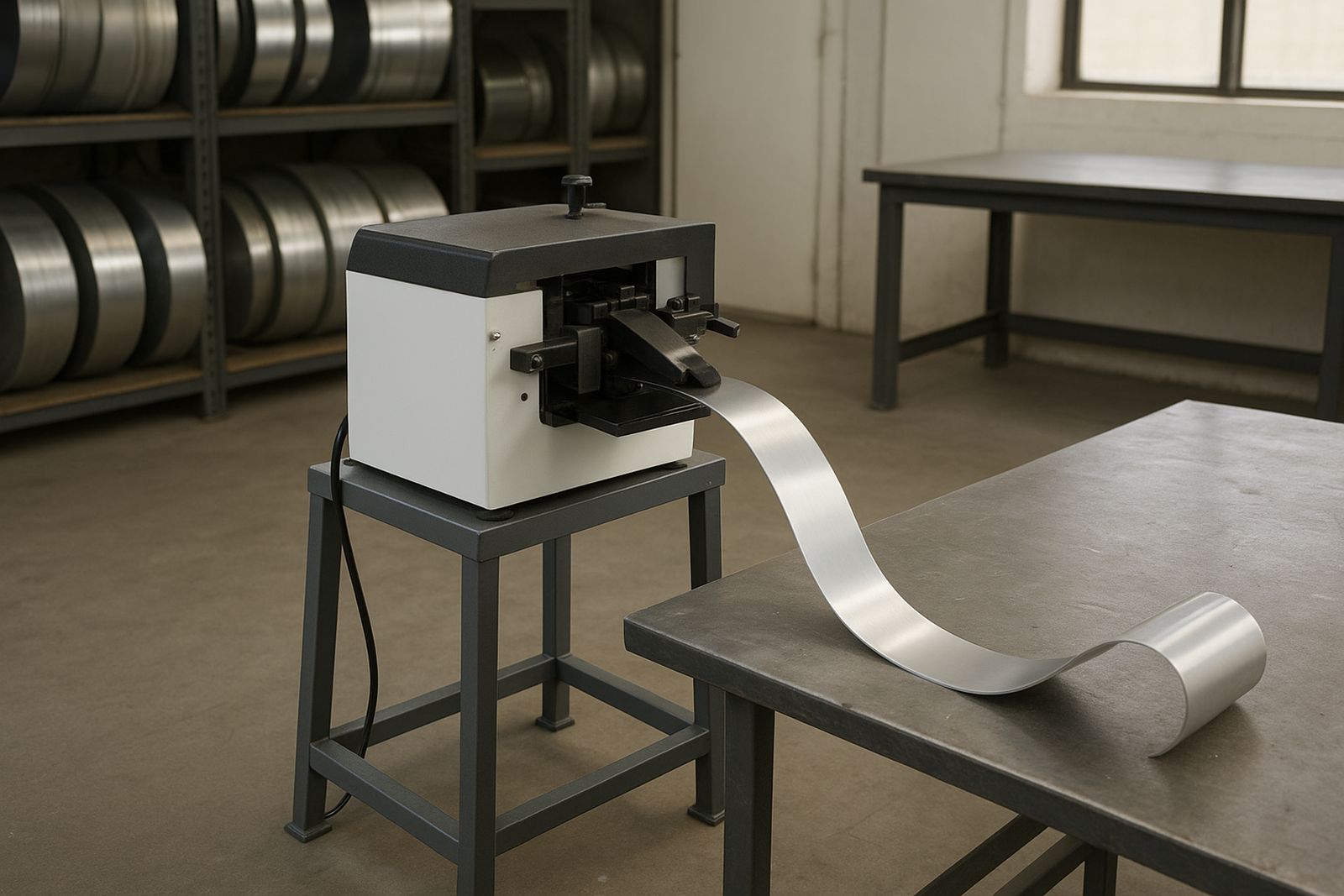
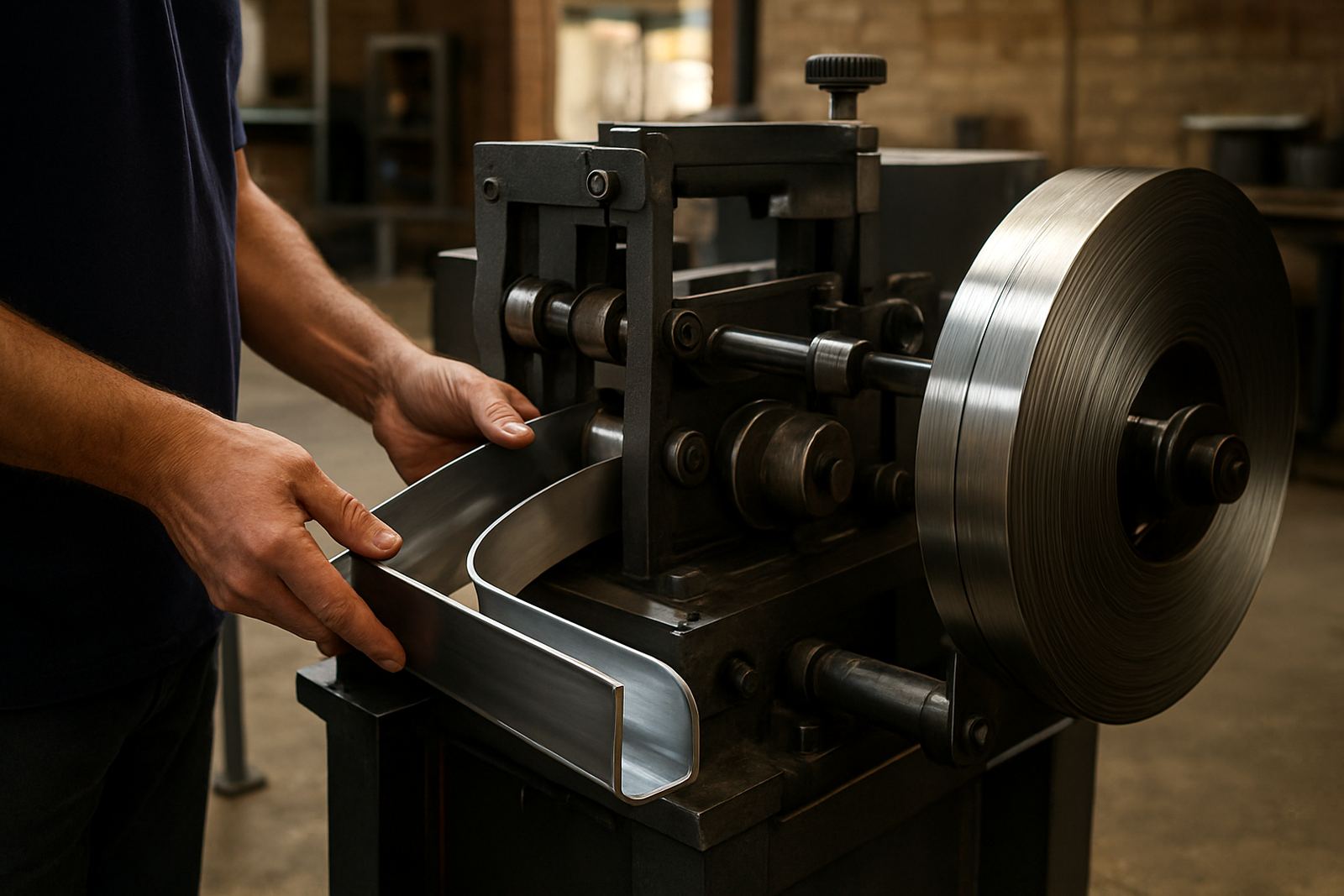
This machine is set up for forming straight, even returns for stainless-style channel letters and similar metal signage parts. It is a practical choice when the edge needs to look clean, hold its shape and stay consistent across a batch of letters for shop fronts, pylon faces or interior feature signs.
Compared with hand-forming, a return bender gives better control over depth and bend alignment. That matters on jobs where the face and return must meet neatly, especially on visible signage in Sandton, Pretoria or Durban where clients often expect a sharper finish. It also helps reduce rework on thicker material that is harder to dress by hand.
Typical machine setup and working sizes
The unit is supplied in a workshop-friendly format for sign makers who need repeatable production without taking up unnecessary floor space. It is suited to standard channel-letter return work and can be matched to the material widths used in most small to medium production shops.
- Return height range: normally set for common channel-letter depths from 40 mm to 150 mm
- Material use: stainless-style returns and other suitable sheet metals within the machine's forming range
- Machine type: motor driven bending unit with manual setup controls
- Output use: small batches, repeat production, and custom lettering runs
- Workshop footprint: compact enough for Midrand production floors where space is often tight
When ordering, it is worth confirming the exact return depth you work with most often, because that affects the tooling and setup choice. A shop doing retail fascia work may need a different range from a team handling larger industrial signs or municipal wayfinding.
Where it suits best in South African sign shops
This product suits sign makers who produce channel letters for retail, office parks, factories, forecourts and building directories. It is also a good fit for manufacturers that need a dependable return-forming process for both one-off jobs and regular repeat work.
In humid coastal areas like Durban and on busy inland sites around Gauteng, a controlled bending process helps maintain a neater edge and more uniform fit. That can save time later in welding, trimming and finishing, especially when deadlines are tight and load-shedding has already eaten into the day.
- Retail signage with visible metal edges
- Building names and reception signs
- Factory and warehouse identification
- Replacement letters for maintenance teams
- Production shops needing repeatable return sizes
Installation, power and workshop requirements
The steel return bender should be installed on a level workshop floor with enough room for feeding material, handling bent returns and moving finished sections safely. A stable table or frame nearby also helps when operators are checking fit before the next bend. It is best placed in a dry area away from direct rain and grinding dust.
Power needs depend on the final machine configuration, but sign shops should plan for a standard electrical supply with proper earthing and protection. If your site has unstable power, especially in mixed-use industrial areas, it is wise to allow for surge protection and backup planning so the machine does not stop mid-job. No gas connection is normally required for this type of forming unit.
For a first install, our team can help with planning the machine position, operator handover and basic production checks. That is useful on sites in Midrand, East Rand, West Rand and Pretoria where installers often need the machine working quickly after delivery.
Care, servicing and daily use checks
Regular care keeps the forming action steady and helps protect the finish on both the tool path and the return material. Operators should keep the machine clean, check fasteners and watch for buildup from metal dust or offcuts. On coastal sites, a little extra attention to moisture control can help reduce surface corrosion and sticking points.
Preventive servicing is usually simpler than waiting for breakdown support. A small issue with alignment or feed pressure can affect several letters before anyone notices, so a short daily check is worth doing. If the machine sees heavy use, plan servicing around your production cycle instead of waiting for a complete stop.
- Clean the forming area at the end of each shift
- Check guides, rollers and clamps for wear
- Keep material flat and dry before feeding
- Store spare parts and cutters in a dry cabinet
- Schedule routine inspection before busy seasonal periods
What to confirm before you order
Before placing an order, confirm the type of metal you use, the return depth you need and your expected production volume. It also helps to share sample drawings or a typical letter size so the machine setup can suit your work rather than forcing your shop to adjust around the machine.
Useful order details include:
- Average and maximum return height
- Material thickness and finish requirements
- Whether you produce indoor, outdoor or coastal signs
- Available floor space and access for delivery
- Power supply details at the site
- Need for operator training, installation planning or remote tech help
If your team is comparing options for a new production line or an upgrade, it is also worth asking about spares supply and refresher training. That helps keep output steady when staff changes or a busy tender run comes in.
Key facts
| Product type | Steel return bender for channel-letter returns |
|---|---|
| Primary use | Forming neat returns for metal channel letters |
| Suitable materials | Stainless-style sheet returns and other compatible sign metals |
| Typical return depth | Common shop settings from 40 mm to 150 mm |
| Power requirement | Standard electrical supply, exact configuration on order |
| Use environment | Sign shops, fabrication floors and production areas |