When industrial sites need signs that keep working
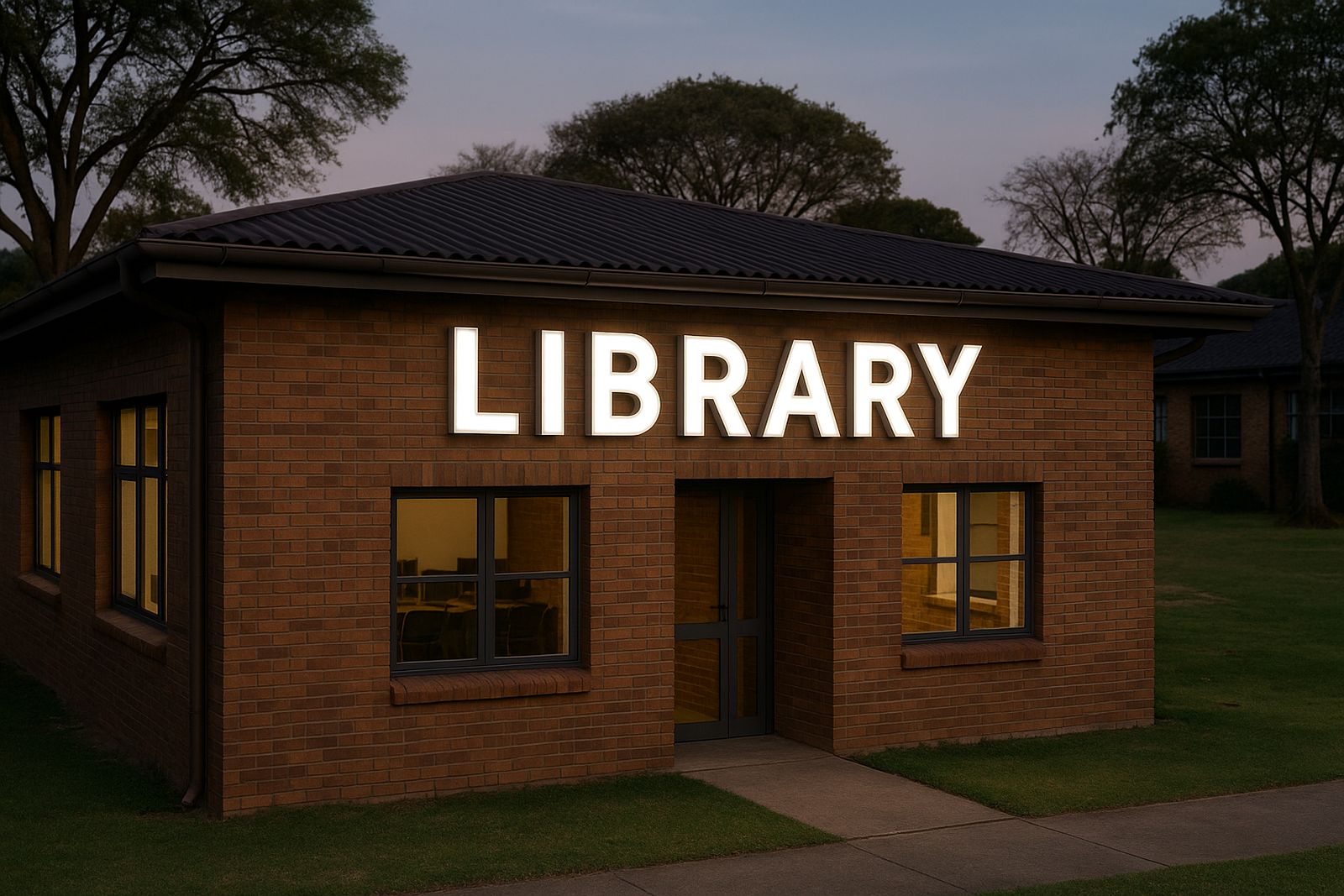
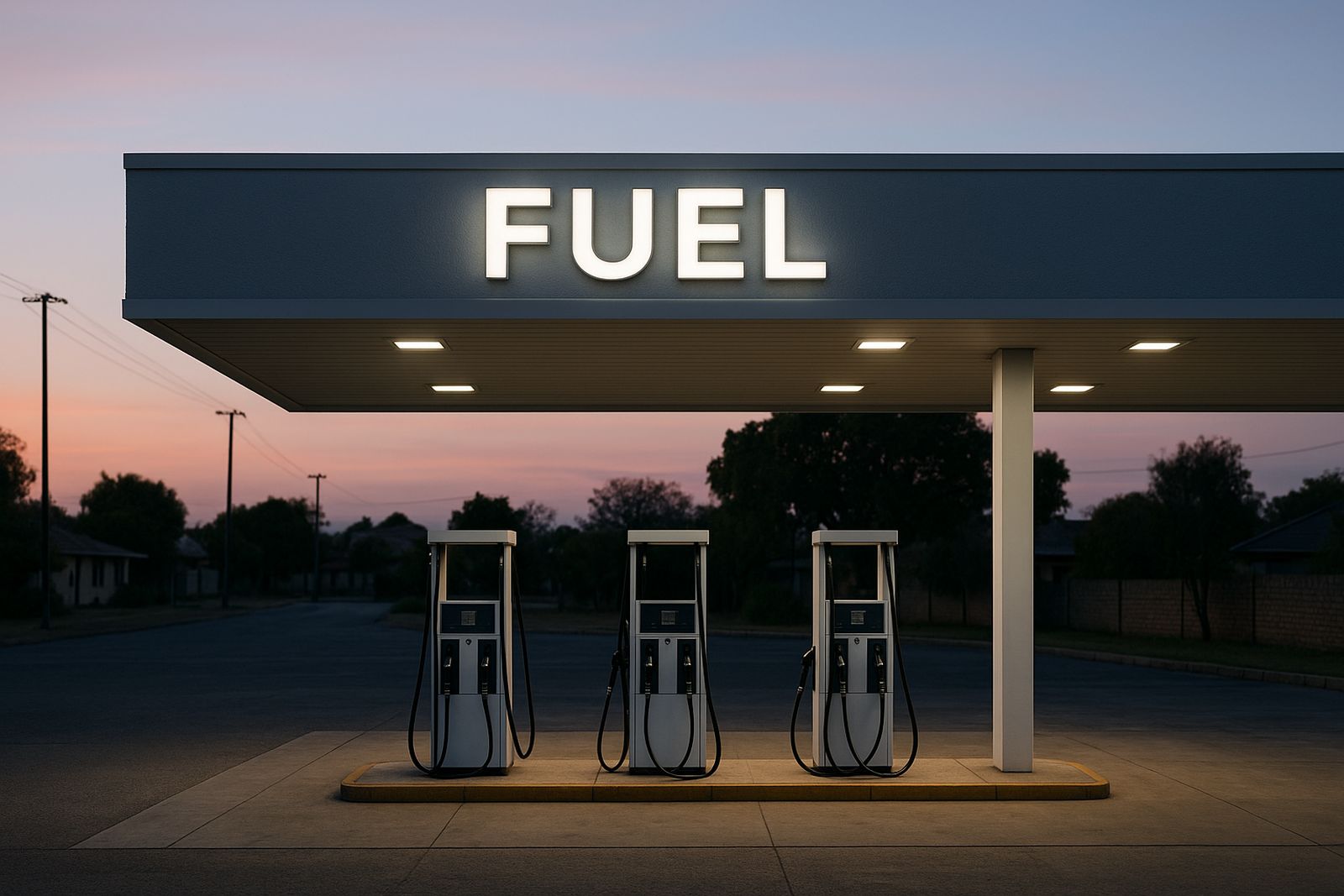
Industrial signs are not only about branding, they carry directions, safety messages and the kind of front-of-house presence that tells a supplier they are at the right place. A warehouse in Jet Park, a depot in Pretoria East or a manufacturing yard in Durban all have different demands. Some need large letter sets over gates, others need clear building names for truck drivers, while many also need durable internal signs for receiving, dispatch and restricted areas.
For sign makers, the work is usually repeatable but unforgiving. The letters must line up, hold their shape and look clean when mounted on cladding, concrete walls or aluminium composite panels. Coastal humidity, strong sun and vibration from heavy traffic all affect the finish. If the process is slow or inconsistent, the job runs over and the client notices. That is why many shops move to controlled channel-letter forming instead of shaping returns by hand.
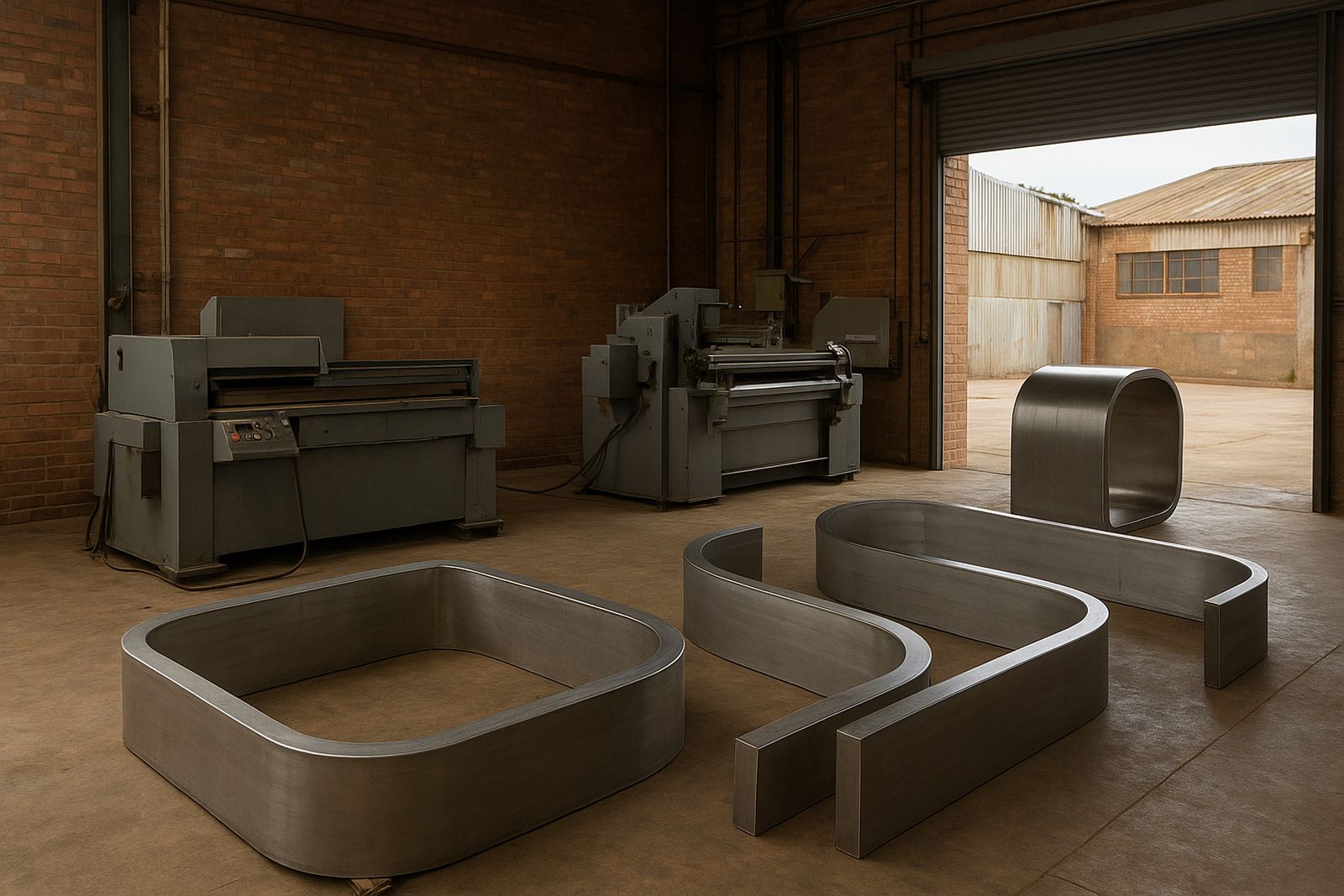
Our focus is the equipment and support that help a team produce neat industrial signage with less waste. That includes bending machines, coils, returns, spares and the advice needed to set up production properly from day one.
Typical setup for a factory or depot signage workshop
A practical industrial-sign workshop usually starts with one bending machine matched to the volume of work, then adds the right widths and colours of coil, plus a stock of returns for repeat jobs. For smaller teams in Midrand or Sandton, a single operator can often handle steady production if the machine is well set up and the artwork is clean. Larger shops in Pretoria or Durban may run more than one shift, especially when they are supplying contractors and manufacturers at the same time.
Most clients ask for a mix of sizes, from compact internal lettering to larger external signs that must be visible from a yard entrance. The machine set needs to suit that range. We help with:
- Channel-letter bending machines for regular production
- Coils in suitable finishes for indoor and outdoor use
- Returns matched to common letter heights and depths
- Basic spares for wear items and routine servicing
- Operator training so the team can work accurately, not by trial and error
In many cases the workshop also needs a proper cutting, forming and finishing flow. If the material table is too small or the machine is squeezed into a corner, operators waste time moving sheets around. Planning the space properly matters as much as the machine itself.
Layout and planning points that save time on site
Before any machine is installed, we look at the practical layout. Industrial clients usually want signs turned around quickly, sometimes for a new plant opening or a compliance update. If the workshop has long walking distances between cutting, forming and assembly, the job slows down. Good planning keeps material close to the machine and leaves enough room for safe handling of coils and returns.
A few points make a real difference:
- Allow clear access for loading material, especially on delivery days
- Keep the machine away from damp walls and areas where water collects
- Plan for stable power and backup options where load-shedding interrupts work
- Leave space for finished letters to cool, check and assemble properly
- Make room for safe packing if signs are going out to sites nationwide
For sites in coastal areas such as Durban, humidity and salt air can affect stored material and finished components. In Gauteng, dust and static are often the issue. That means storage and handling matter just as much as cutting accuracy. We often advise clients to separate raw coil storage from the assembly area and to keep returns sealed until needed.
Common mistakes on industrial sign jobs
The most common problems are not dramatic, they are small errors repeated across a job. A return that is a little too tight, a coil width that does not suit the letter depth, or artwork that has not been checked against the final mounting surface. These issues cost time and can push a profitable job into a loss.
Other mistakes we see include using the wrong material for the site, not allowing for sunlight on darker finishes and skipping operator training when a new machine arrives. Some teams also underestimate the effect of vibration and movement on large signs. A sign that looks fine on the workbench may need stronger fixing points on a steel structure or cladding face. If the mounting is not planned correctly, the sign can twist over time.
We also find that many shops try to save money by buying one-off consumables without checking compatibility. That usually leads to offcuts, rework and delays. Material selection should match the target market. A factory entrance in East Rand is not the same as a retail park sign in Sandton, even if the lettering style is similar.
Budget ranges for equipment and production planning
Budgets vary depending on output, letter sizes and whether the shop is starting from scratch or replacing older equipment. For a small sign maker doing industrial work on a modest scale, the main outlay can sit in the lower range if the team only needs one machine and a basic material pack. More active producers supplying multiple sites across Gauteng and beyond need a bigger budget because they carry more stock and need better production flow.
As a working guide, many clients plan in these broad ranges:
- Entry-level setup for light to moderate output: from about R180 000
- Mid-range production setup with stronger throughput: around R350 000 to R650 000
- Higher-volume workshop setup with support stock and planning: from R700 000 upwards
These figures can shift with installation work, training, site access and the level of spares you want on hand. We always suggest budgeting for commissioning and the first round of refresher support, because a machine that is not properly set up can cost more in wasted material than the training ever would. If your team works across several branches, factor in travel and any after-hours support needed to keep production moving.
Support after installation and what clients usually need next
Once the machine is in place, the next priority is keeping the workshop productive. Many sign makers call for operator training first, then ask for production coaching once they see how the machine behaves on real jobs. That is normal. A clean first install is only the start.
Typical follow-up support includes:
- Onsite commissioning after delivery
- Preventive servicing to reduce stoppages
- Breakdown support when a job is already due
- Remote tech help for quick checks and adjustments
- Refresher training when staff change or volumes increase
For industrial-sign clients, timing matters. A factory opening, a new depot handover or a compliance update rarely waits for next week. Our Midrand base supports clients in Midrand, Sandton, Pretoria, East Rand, West Rand and Durban, with installations and sign-maker support nationwide. If you need help choosing materials, planning the layout or training the team, it is better to set that up before the pressure hits.
For direct assistance, clients usually start with a simple spec list: letter sizes, monthly output, mounting surface and the towns where the work will be installed. That gives us a practical starting point and helps avoid the wrong machine for the job.