
What We Check Before Delivery
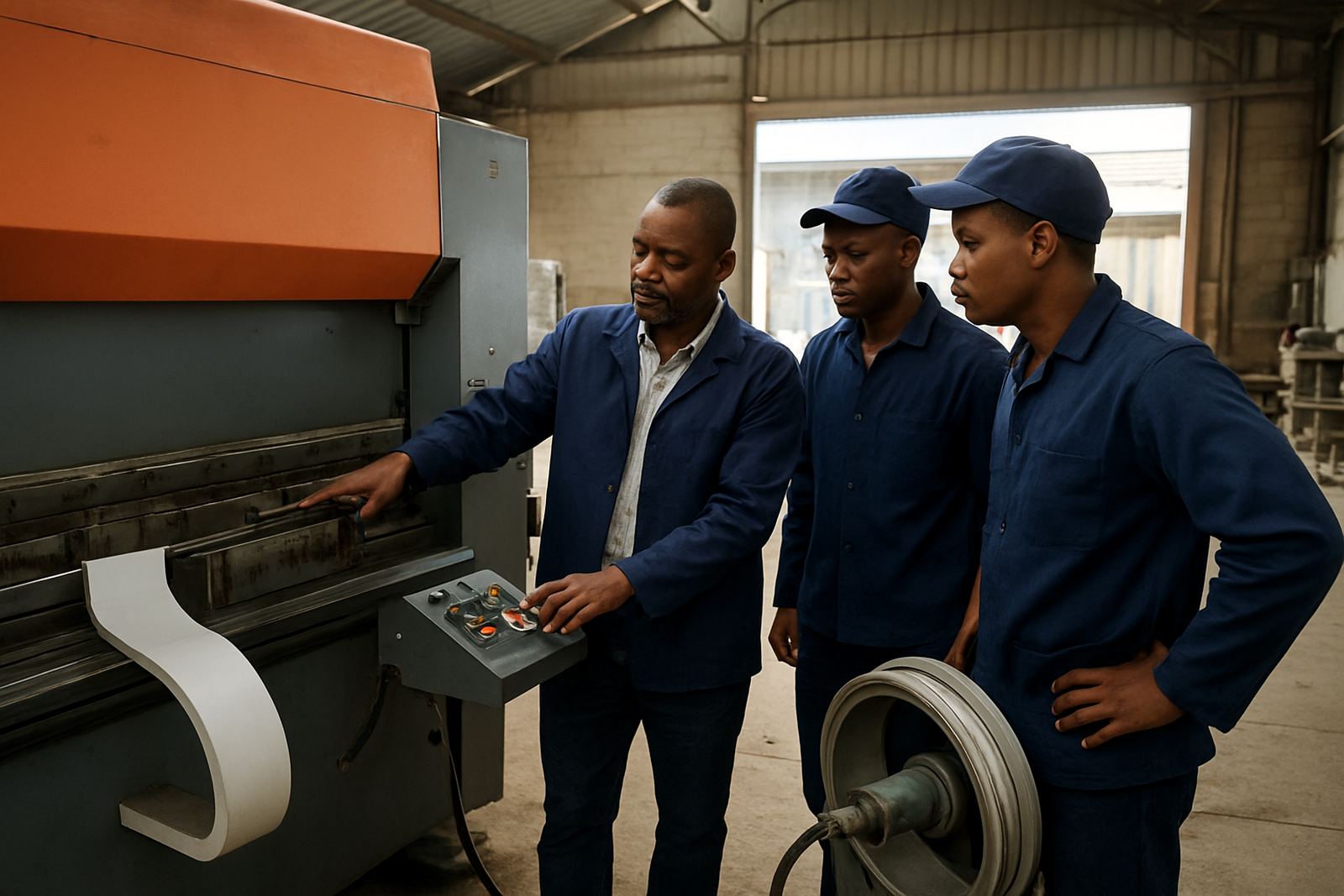
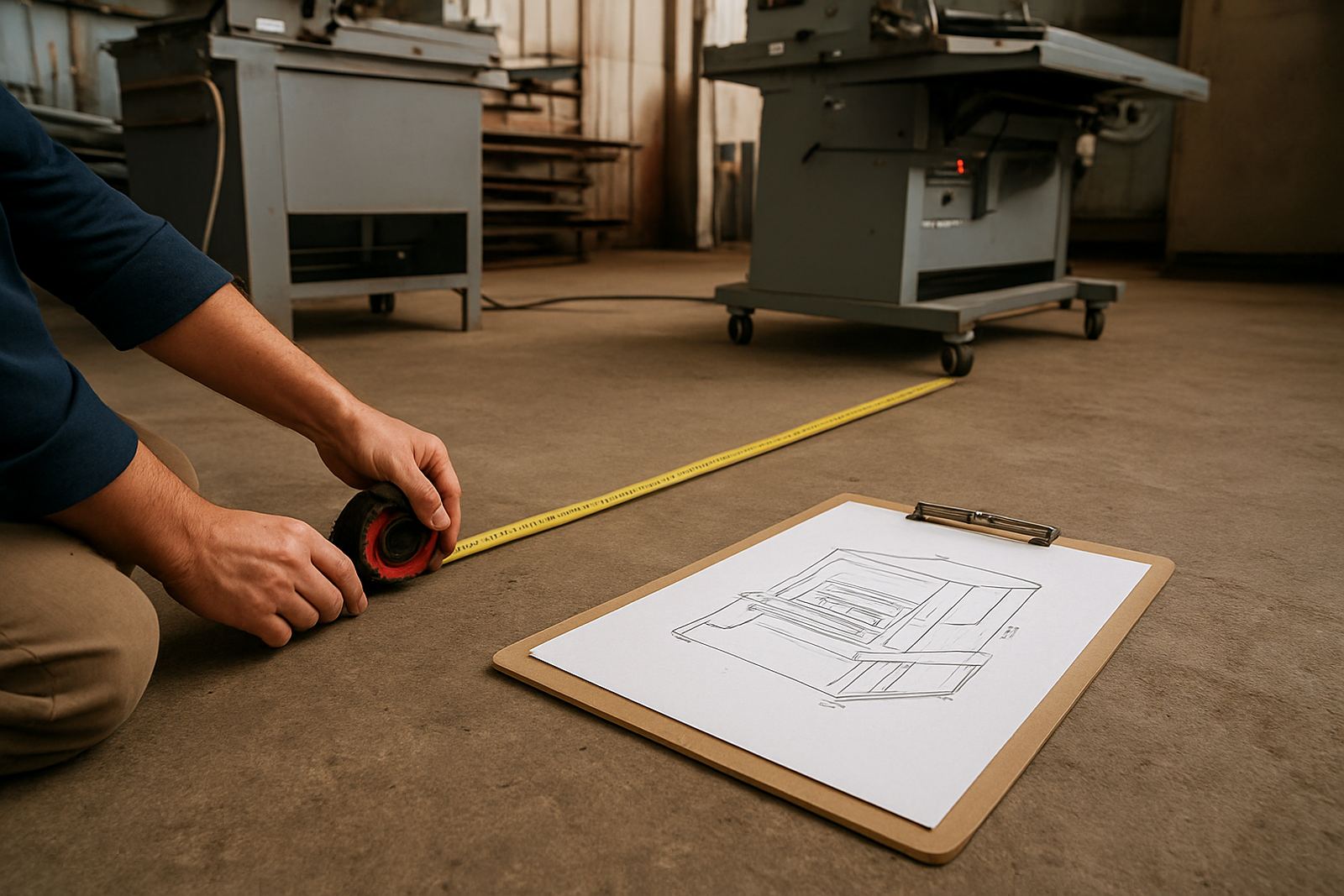
Installation planning starts with a proper site review. We look at where the channel-letter bending machine will sit, how the operator will load coils and returns, and whether there is enough working space for finished panels, tools and offcuts. In Midrand, Sandton, Pretoria and the larger industrial areas around the East Rand, many workshops are tighter than they look on paper so we measure the actual floor area and door openings, not just the plan.
We also check the route from the truck to the machine position. If the equipment has to pass through a roller door, narrow passage, stairwell or shared loading bay, that needs to be known in advance. For upper-floor units we confirm lift size, ramp access and safe handling points so you are not paying for extra labour on the day.
- Floor space and machine footprint
- Door widths, turning space and delivery access
- Operator position and material staging area
- Ventilation, dust and coastal humidity exposure
- Lighting, floor level and safe cable routes
Power, Air And Utility Readiness
Many sign shops lose time because the machine arrives before the site power is ready. We confirm the supply type, outlet location and breaker capacity so the installer does not need to improvise. In areas with load-shedding and frequent power dips, we also check whether surge protection, backup supply or a controlled shutdown process is in place. That matters for both machine life and production planning.
Where compressed air is needed for related tools or finishing work we check line pressure and the placement of the compressor. If the workshop runs more than one production line, we map the utility points so the bending machine does not share a circuit with heavy-load equipment. A clean power layout reduces nuisance trips and keeps your cutting and bending output steady.
- Electrical load checks and outlet positioning
- Breaker rating and surge protection review
- Backup power or load-shedding plan
- Air line position and pressure verification
- Cable management and safe isolation points
Workflow Layout For Faster Production
A machine can be technically installed and still slow the workshop down if the layout is wrong. We plan the sequence from coil storage to bending, trimming, assembly and dispatch so material moves in one direction. That reduces handling, mistakes and walking time. If your team is producing for retail signage, municipal jobs or repeat corporate orders, the flow needs to support short turnaround work as well as larger panels.
We also consider where the returns and coils will be stored. In Durban and other coastal areas, material should not sit near open doors where humidity can affect edge quality and handling. If you are working with mixed sizes, we can advise on shelf heights, label positions and staging zones so the operator can grab the right stock quickly, even on busy days.
- Material intake and storage zones
- Cutting, bending and assembly order
- Finished sign hold area
- Dispatch path and loading point
- Storage advice for coils and returns
How The Planning Process Works
Our process is straightforward. First, we gather the site details and confirm the machine model and accessory list. Then we review photos, measurements and utility information. If needed, we arrange a visit from our Midrand base or coordinate remotely with your team for a more detailed check. For branches and job sites in Pretoria, the East Rand, West Rand and Sandton, this keeps the process moving without unnecessary delays.
Once we have the facts, we prepare an installation plan that covers delivery access, placement, utility points and operator workflow. We also flag any items that must be ready before arrival, such as electrical work, bench relocation or floor cleaning. Where the workshop is active, we plan around production hours so your staff can keep working while the prep is done.
- Site info collection and photo review
- Machine and accessory confirmation
- Remote check or site visit if required
- Written prep list for your team
- Installation day sequence and handover plan
Turnaround Times And Pricing Approach
For straightforward sites, installation planning can often be completed within a few working days once we have all measurements and power details. Larger workshops, multiple machines or sites with access constraints may need more time. If the job is urgent we can prioritise the assessment, especially where a machine delivery has already been booked and the team is waiting on setup.
Pricing depends on the site complexity, travel, number of machines and whether the work is done remotely or on site. Simple pre-checks are quoted at a fair fixed rate where possible. More detailed planning that includes floor marking, workflow mapping or coordination with electrical contractors is priced according to time on site. We keep it transparent so you know what is covered before any work starts, no surprises later.
- Simple planning for single-machine installs
- Extended planning for full workshop layouts
- Remote review or on-site assessment options
- Fixed quote where scope is clear
- Hourly or project pricing for complex jobs
Keeping The Setup Safe And Easy To Maintain
Good planning also makes maintenance easier later. We leave enough clearance for access panels, cleaning and inspection, and we recommend where spares should be stored. That matters when you need to replace a part quickly or carry out preventive servicing without stopping the whole line. If the machine runs daily, a neat setup saves time every week and helps your team notice wear before it becomes a breakdown.
As a rule, we suggest a visual check each shift, a basic clean weekly, and a more detailed service at regular intervals based on usage. Busy production sites may need monthly checks while lighter-use shops can often work on a quarterly plan. In humid coastal areas or dusty industrial parks, the interval may need to be shorter. We can advise on service timing, operator refresher training and remote tech help if a site is starting to drift from the original setup.
- Clearance for cleaning and parts access
- Weekly dust and debris removal
- Regular checks on guides, cables and fasteners
- Service intervals based on duty cycle
- Advice for humid, dusty or high-volume sites
Key facts
| Site assessment scope | Space, power, access, workflow and utility checks |
|---|---|
| Turnaround | Usually a few working days after receipt of site details |
| Coverage | Midrand base with support nationwide |
| Planning format | Remote review, on-site visit or mixed assessment |
| Maintenance guidance | Weekly cleaning, monthly to quarterly checks |
| Best for | New installs, relocations and workshop re-layouts |