
Built for lightweight aluminium sign returns
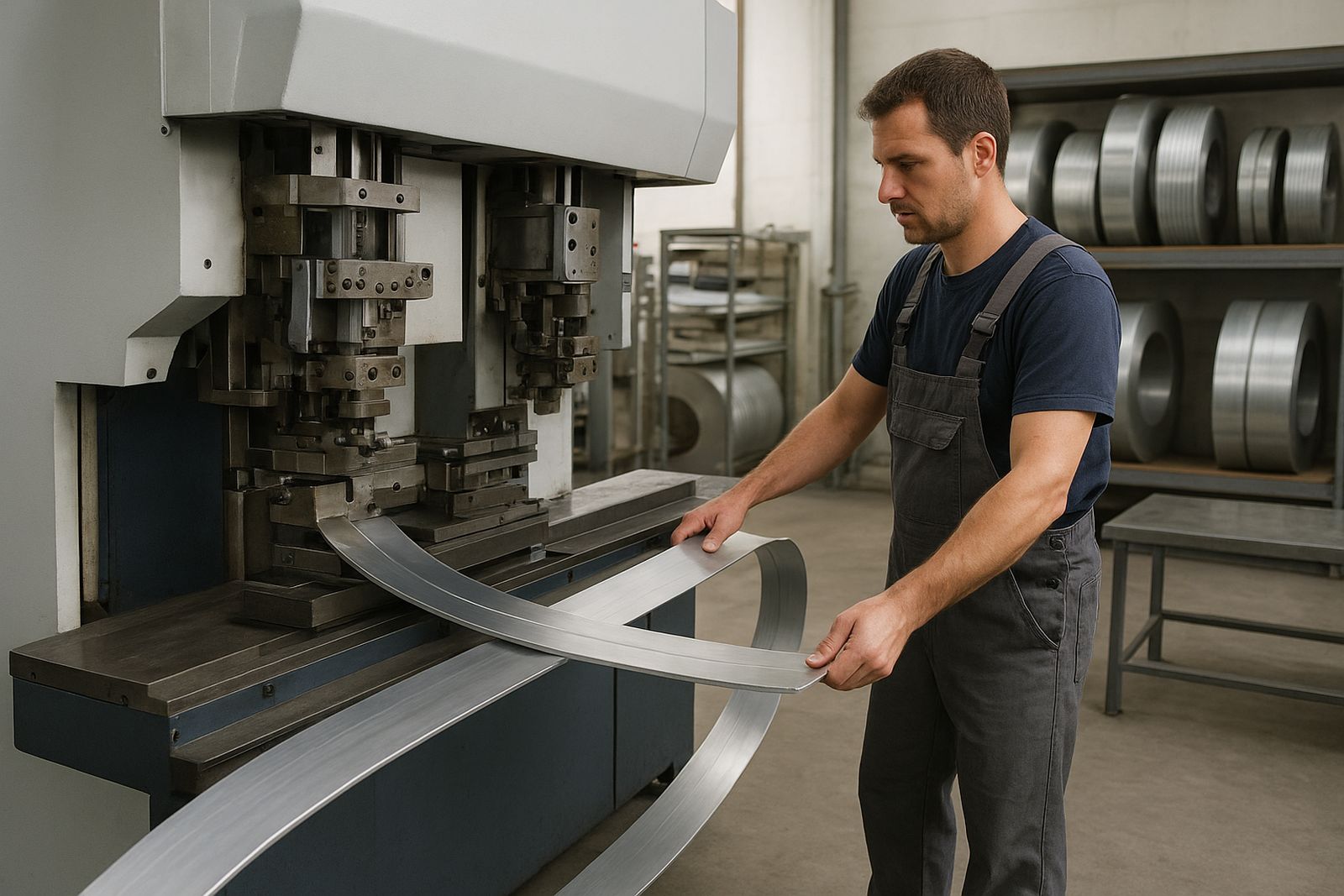
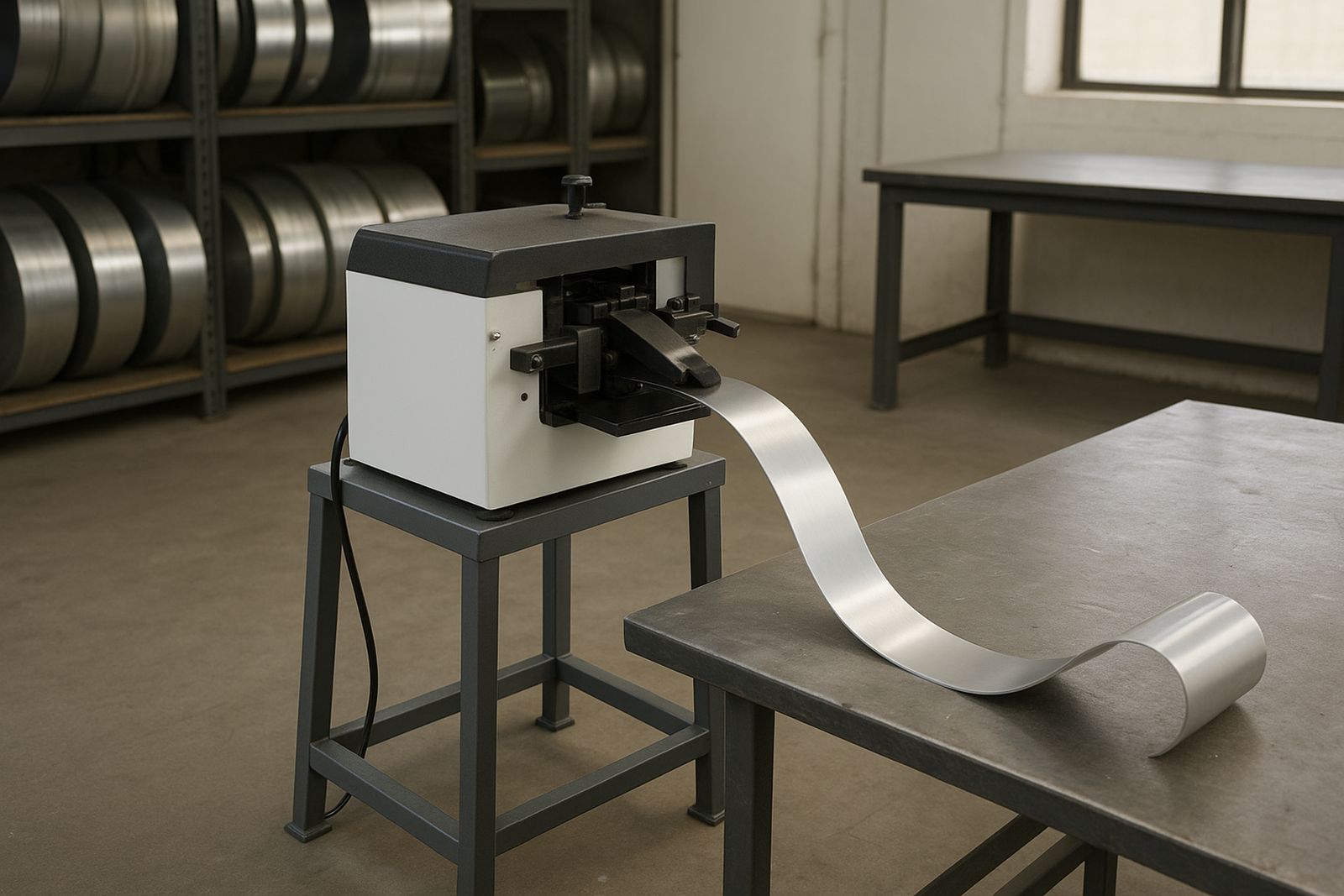
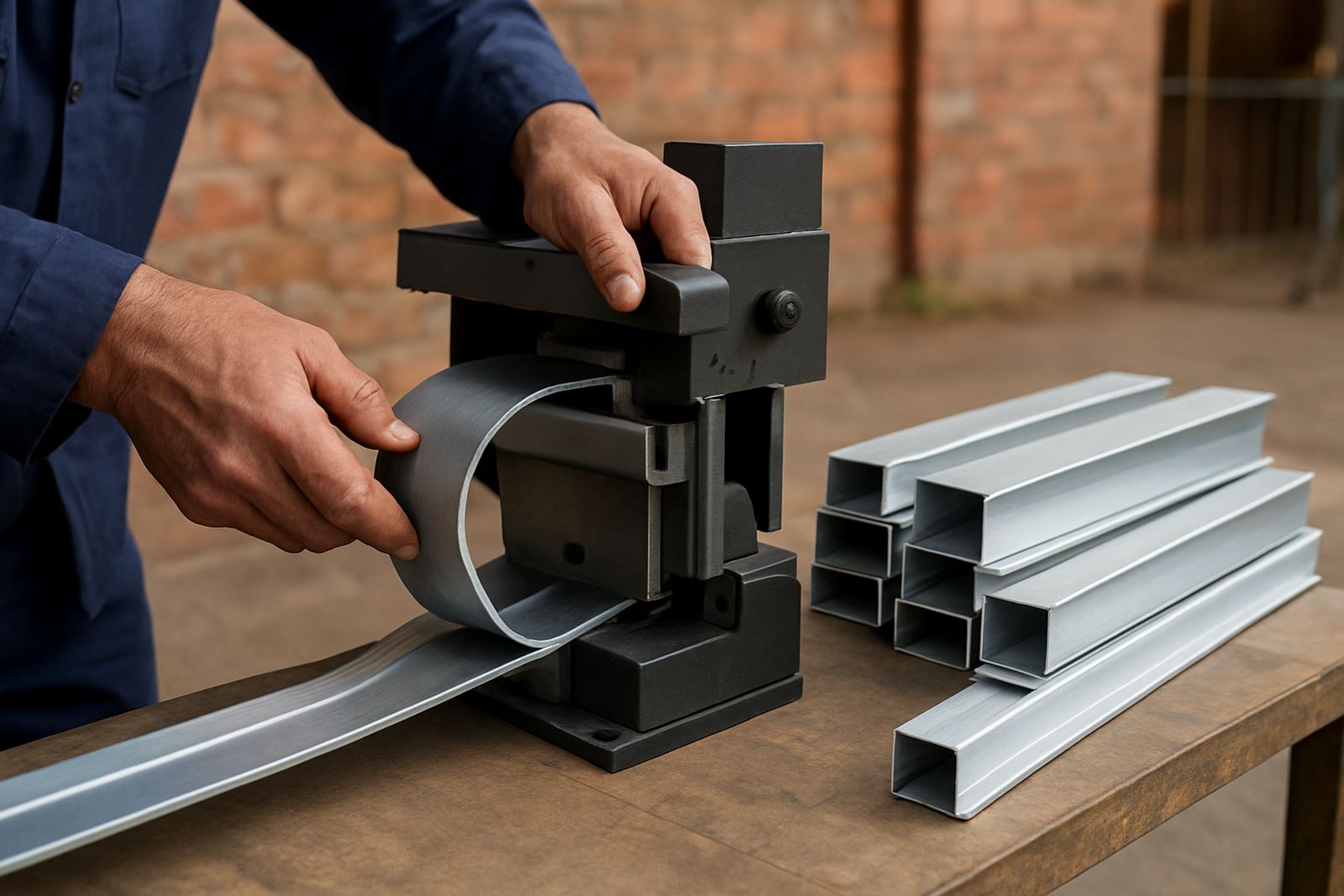
This machine is set up for aluminium return work where speed and repeat accuracy matter. It is used to form the side walls that sit between the face and back of channel letters, so the finished sign keeps a neat profile and consistent depth across every character.
For South African sign shops, that means less hand forming, less wasted material and fewer fitment problems when a job must go out to a mall site, roadside pylon or factory frontage. It suits aluminium coil stock and pre-cut strips used in illuminated letters, including standard shopfront work and larger production runs for national rollouts.
The bending setup is intended for lightweight aluminium returns rather than heavy structural work. That keeps it practical for workshops that need dependable output without unnecessary complexity, and it is a solid fit where operators are trained to handle repeat jobs all day.
Sizes, depths and options that matter on the floor
Return benders are usually selected around the letter depth you produce most often. Common channel-letter depths in local sign work include 50 mm, 75 mm, 100 mm, 125 mm and 150 mm. A good setup should handle your main depth range without constant fiddling between jobs.
Options can include guide sets for different strip widths, adjustable forming control, and cutting arrangements that suit your preferred workflow. If your workshop runs both small retail letters and larger fascia lettering, it helps to choose a machine that can shift between short runs and higher volumes with minimal reset time.
- Typical return depths: 50 mm to 150 mm
- Common material: lightweight aluminium coil or strip
- Best suited to illuminated letters, light boxes and sign faces with folded returns
- Useful for shops producing both single jobs and repeat batches
Where this machine suits best in South African sign work
This setup suits sign makers handling retail branding, estate boards, workshop labels and corporate rollouts. It is also a practical choice where a business must keep its own return production in-house instead of waiting on an outside fabricator.
In Gauteng workshops, the machine helps keep pace with short lead times and last-minute amendments. In coastal towns such as Durban or Gqeberha, aluminium returns are often preferred because they handle humidity better than plain mild steel parts, provided the material is stored and handled properly. It is a good match for shops that work in malls, on roadside signage, and on building-mounted signs where consistency matters.
When load-shedding hits, the smaller the setup gap the better. A return bender that holds settings well and does not rely on repeated manual corrections can save time when power comes back and the production queue is waiting.
Installation, power and workshop requirements
Installation should be planned around floor space, material handling and safe operator movement. Allow enough room for coil feeding, finished return collection and trimming without crowding the cutting table or assembly bench. A level floor helps the machine track properly and reduces operator strain during longer shifts.
Most workshops will need a standard electrical supply suitable for the machine rating, plus a clean, dry area away from moisture and grinding dust. If the setup includes air-assisted functions or related tooling, check that your compressor capacity is sufficient and that lines are properly filtered. No gas supply is normally required for a return bender, but the full production line may include other tools that need compressed air or welding gear nearby.
- Plan for clear infeed and outfeed space
- Use stable power protection for load-shedding and voltage dips
- Keep the machine in a dry area to protect controls and formed aluminium
- Check compressor supply if your broader workshop process needs air
Care, servicing and support between jobs
Aluminium return machines work best when kept clean and set correctly. Offcuts, swarf and dust should be cleared often, especially around guides, feed areas and cutting points. Light lubrication and routine checks help prevent unnecessary wear on moving parts and keep the forming consistent from the first piece to the last.
In busy sign shops, preventive servicing is worth more than waiting for a breakdown. A planned check can catch worn guides, loose fixings, blunt cutting edges or alignment issues before they turn into rejected returns. If you operate in Durban’s humidity or in a high-dust industrial area, inspect the machine more often because dirt and moisture can shorten service intervals.
- Daily: clean the bed, guides and work area
- Weekly: check fasteners, feed alignment and visible wear
- Monthly: inspect accuracy on common depths and test repeat settings
- As needed: arrange breakdown support and spares supply before downtime grows
Points to confirm before ordering an aluminium return bender
Before ordering, confirm the return depths you use most often, the aluminium strip sizes you buy, and whether your team needs a basic machine or one that handles higher output. It also helps to note whether you are producing standard straight returns only, or if your workflow needs frequent changes between sizes.
Check access at your workshop, the electrical supply, and whether you need onsite commissioning, operator training or refresher training for new staff. If the machine is going into a multi-branch sign operation, ask about production coaching and installation planning so every site works from the same process. Send clear details up front and it is easier to match the machine to the jobs on your books.
- Most-used return depths and strip widths
- Monthly output and average job size
- Workshop power setup and backup power arrangement
- Need for training, commissioning or remote tech help
- Delivery access at Midrand, Sandton, Pretoria, East Rand, West Rand or Durban
Key facts
| Machine type | Aluminium return bender for illuminated sign returns |
|---|---|
| Material range | Lightweight aluminium coil or strip |
| Common depths | 50 mm, 75 mm, 100 mm, 125 mm and 150 mm |
| Use case | Channel letters, light boxes and folded sign returns |
| Workshop needs | Level floor, clear infeed and outfeed space, standard electrical supply |
| Support available | Operator Training, Onsite Commissioning, Preventive Servicing, Breakdown Support, Spares Supply, Remote Tech Help |