Built for busy channel-letter production
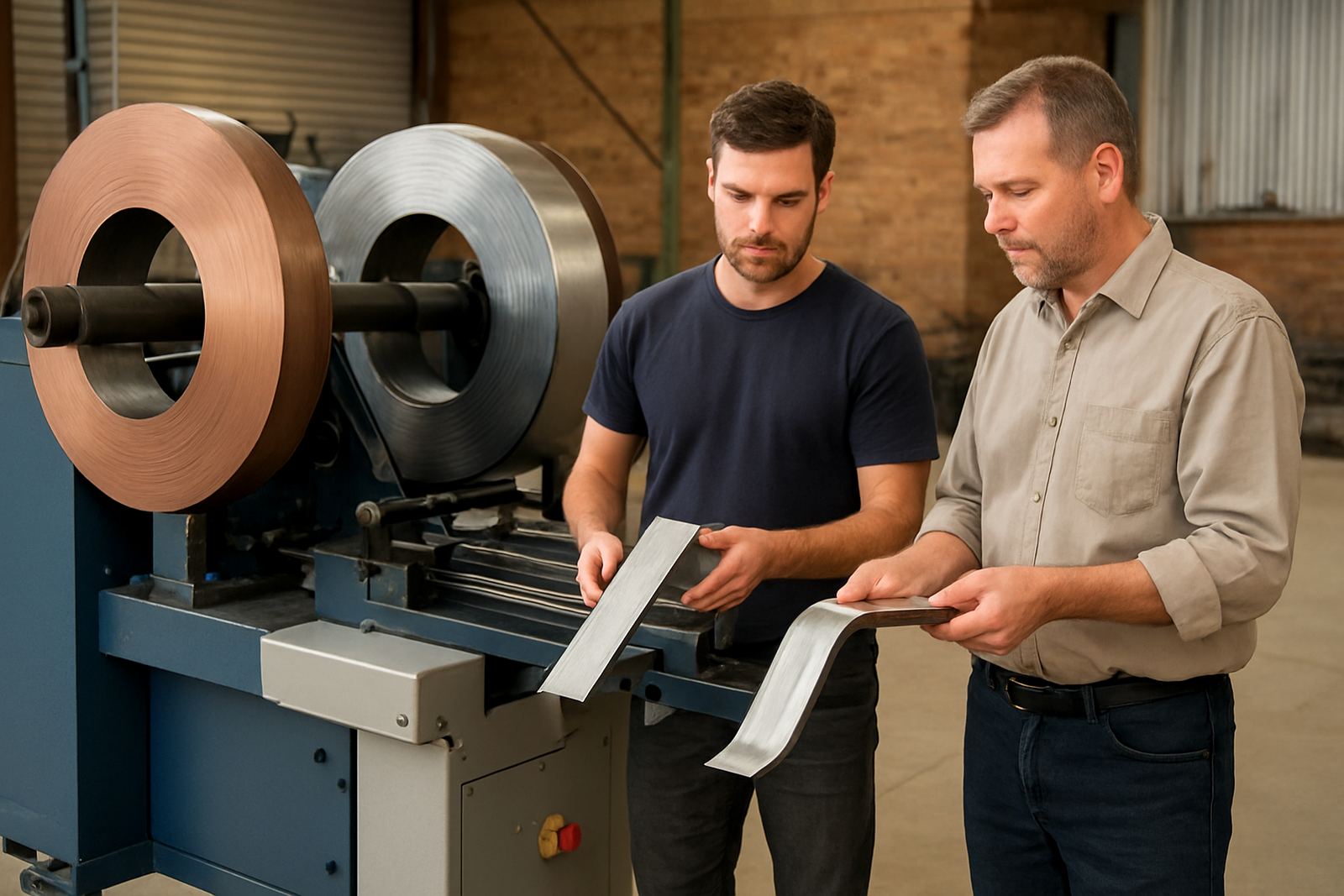
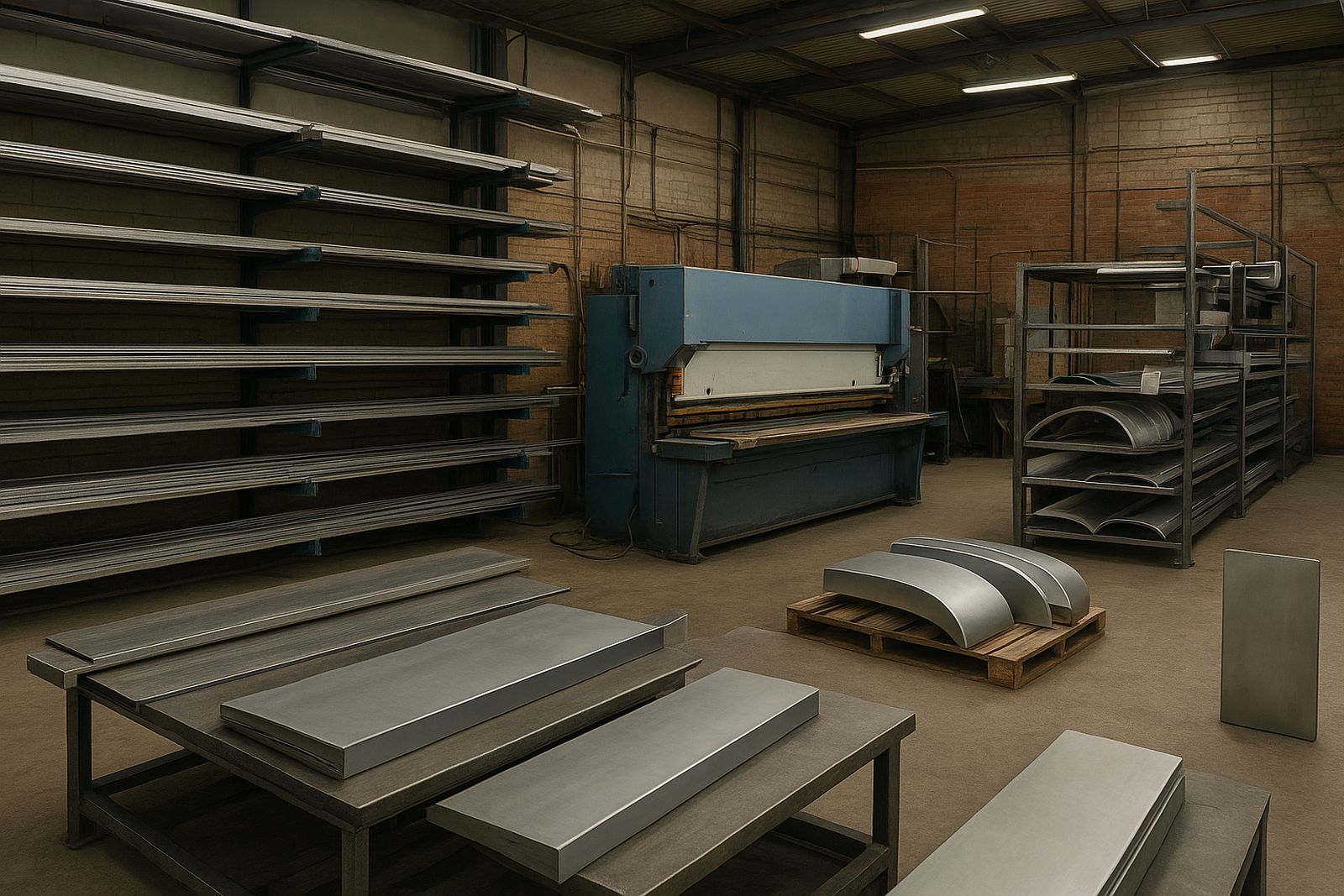
This machine is aimed at larger production environments where throughput and repeatability are more important than one-off jobs. It bends aluminium or steel returns for channel letters with controlled speed and clean corner formation, which helps keep letter faces consistent from first panel to last.
For sign makers in Midrand, Sandton, Pretoria, the East Rand, the West Rand and Durban, the value is simple: fewer bottlenecks, better control over return profiles, and less hand finishing after cutting. It is a practical choice when your team is running multiple jobs, working to tight handover dates, or supplying installers across several sites.
- Built for continuous workshop use
- Supports repeatable return profiles
- Helps reduce rework on large runs
- Suitable for production shops and contract sign makers
Size options and working format
The High Volume Bender is supplied in configurations suited to different letter heights and return widths. The right setup depends on your typical signage mix, especially if you produce shopfront lettering, pylon faces, wayfinding signs, or larger illuminated sets for commercial sites.
Ask us about the working width, material thickness range, coil compatibility, and control options that fit your workshop flow. If you are doing mostly small retail work, a lighter setup may be enough, but for higher volume manufacturing the wider format and stronger feed control will usually give better day to day performance. It also helps when you need to keep tolerances tight across a batch, not just one sign.
- Available in workshop-ready sizes for different return depths
- Can be matched to common coil widths used by sign makers
- Suitable for standard letter sizes and larger illuminated signage
- Ask for guidance if you produce mixed aluminium and steel work
Where the machine suits best
This product suits sign makers who already have regular orders and need a machine that can keep up with volume. It is a good fit for fabrication shops that manufacture in-house, contractors handling municipal or retail signage, and larger production teams that want better control over output without relying on manual folding for every run.
It is also useful where labour is tight or training time needs to be shorter. With clear settings and a proper process, operators can learn the workflow faster and keep production more predictable. For coastal work in Durban, or on projects exposed to humidity and salt air, steady returns and clean bends help when the finished signs must last, not just pass first inspection.
- Best for medium to high output workshops
- Useful for shops supplying installers nationwide
- Suitable where repeatability matters more than one-off fabrication
- Helpful for teams reducing manual handling and scrap
Installation, power and setup requirements
Before installation, plan floor space, machine access, material storage, and operator movement around the unit. A stable level surface, clear feed path, and enough room for coils and finished returns will make a real difference to daily use. Most workshops also need a dry area with basic dust control, because fine metal dust and offcuts can affect moving parts over time.
Power requirements should be confirmed before delivery. Depending on the configuration, the machine may need single phase or three phase supply, plus proper earthing and protection against voltage fluctuations. In many South African workshops, load shedding and low voltage are part of the picture, so a power plan matters. If you are fitting the machine into an existing line, we can help with installation planning, onsite commissioning, and operator handover.
- Level floor and clear working space required
- Power supply must match the selected configuration
- Plan for stable earthing and surge protection
- Allow room for coil loading and completed return storage
Care, servicing and support on the floor
Like any production machine, it works best with regular cleaning and preventative attention. Keep the feed path clear, remove offcuts, check wear points, and make sure the operator follows the correct setup sequence. Small issues caught early are cheaper to fix than a full stoppage in the middle of a run.
We support preventive servicing, breakdown support, spares supply, remote tech help, and refresher training. That matters when a shop is pushing for a deadline and cannot afford waiting around. If you are running several machines in one site, a scheduled service plan can help keep production steady and reduce unscheduled downtime. It is also worth checking alignment after moving the machine, even if the move was only a few metres.
- Clean regularly to protect feed and bending parts
- Check alignment after transport or repositioning
- Book preventive servicing rather than waiting for failure
- Keep common spares on hand for busy periods
What to check before you order
Start with your typical letter sizes, material thickness, monthly volume, and the finishes you need to achieve. If your work includes stainless, aluminium, or special coated coil, tell us upfront so the right setup can be matched to the job. You should also consider whether one operator will run the machine or whether it must suit a team environment with multiple shifts.
It helps to confirm delivery access, electrical readiness, and whether your site needs installation planning before the machine arrives. We often work with clients across Midrand, Pretoria, Sandton and beyond, so we know that site conditions vary a lot from one shop to the next. If you are unsure, ask for material selection advice and training support at the same time, because the wrong coil or poorly briefed operator can slow everything down.
- Typical letter height and return depth
- Monthly production volume and shift pattern
- Material types and thicknesses used most often
- Available power supply and access for delivery
Key facts
| Machine type | High volume channel-letter return bending machine |
|---|---|
| Typical use | Large production runs for illuminated and non-illuminated lettering |
| Material compatibility | Aluminium and steel returns, depending on configuration |
| Operating setup | Workshop floor unit with controlled feed and bend settings |
| Support options | Operator Training, Onsite Commissioning, Preventive Servicing |
| Service area | Midrand, Sandton, Pretoria, East Rand, West Rand, Durban, with nationwide installs |