
A starter bending machine for day-to-day sign work
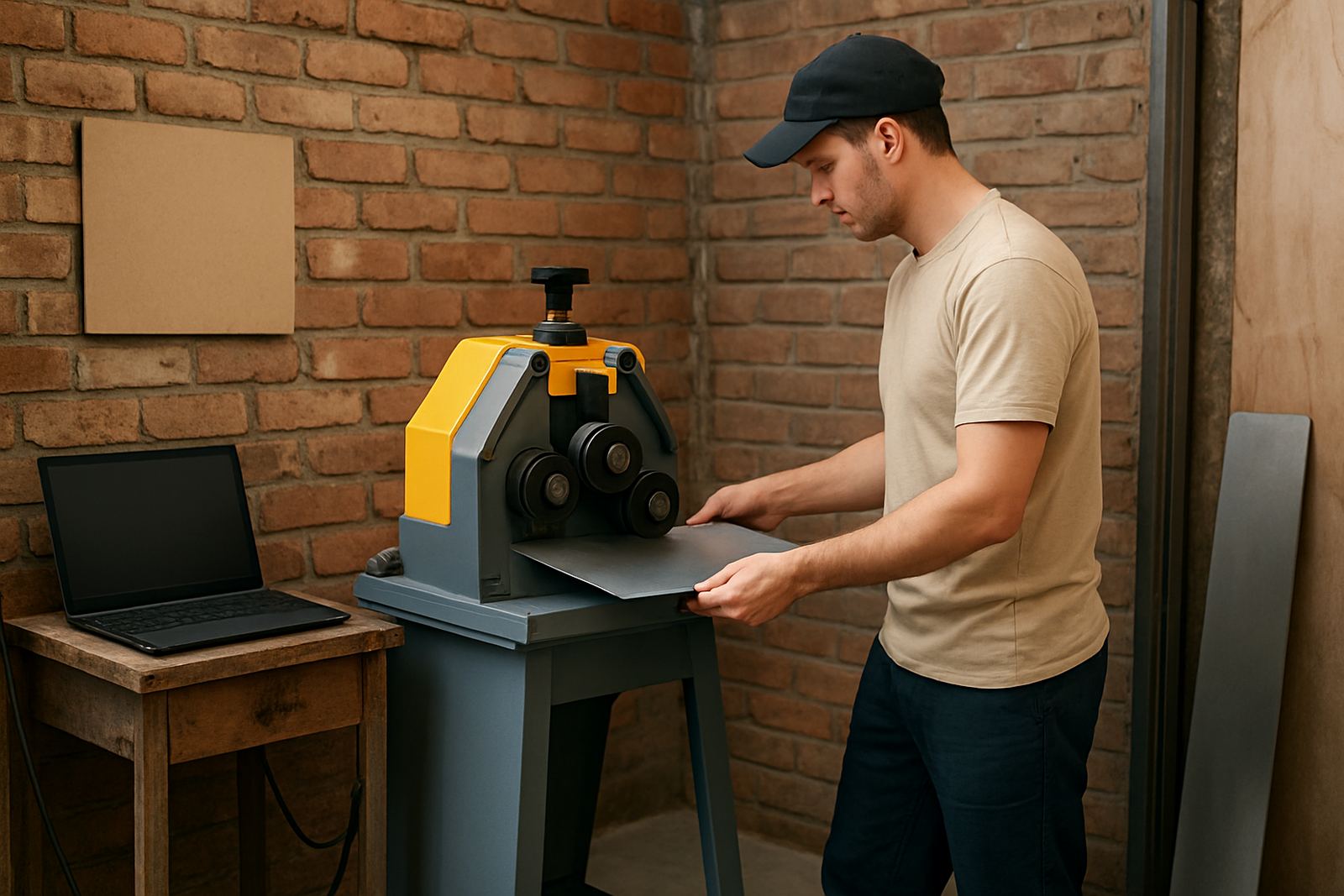
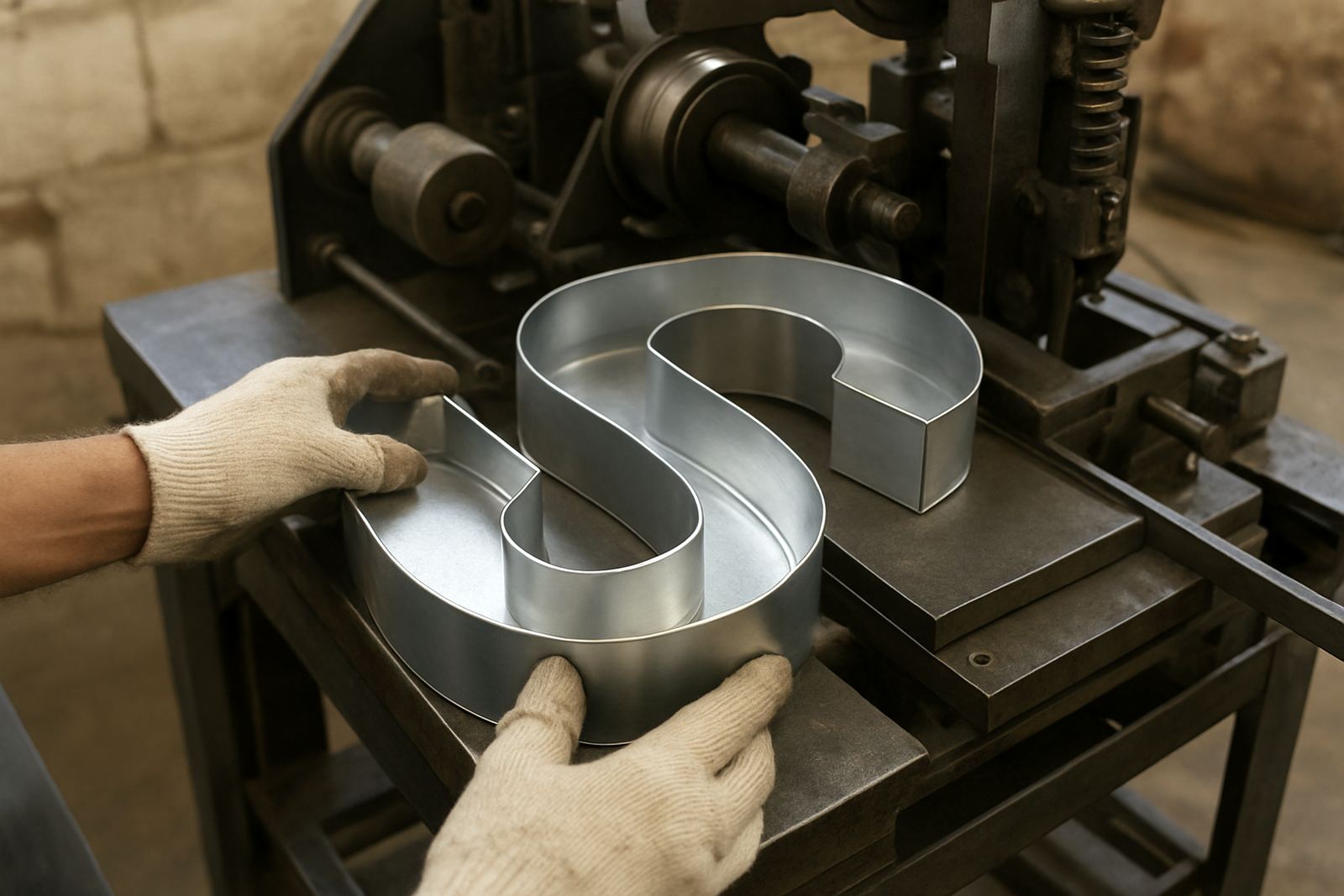
The Entry Bender is aimed at sign makers who want a dependable starting point for bending channel-letter returns in-house. It helps a small workshop move away from manual forming and get more control over letter quality, especially when jobs need consistent edge heights and cleaner corners.
It is a sensible fit for new sign businesses, busy print shops adding light fabrication, and established teams that want a backup unit for short runs. In practice, that means less hand-finishing, steadier output and fewer surprises when a job is due on site in Sandton, Pretoria or at a retail park in Durban.
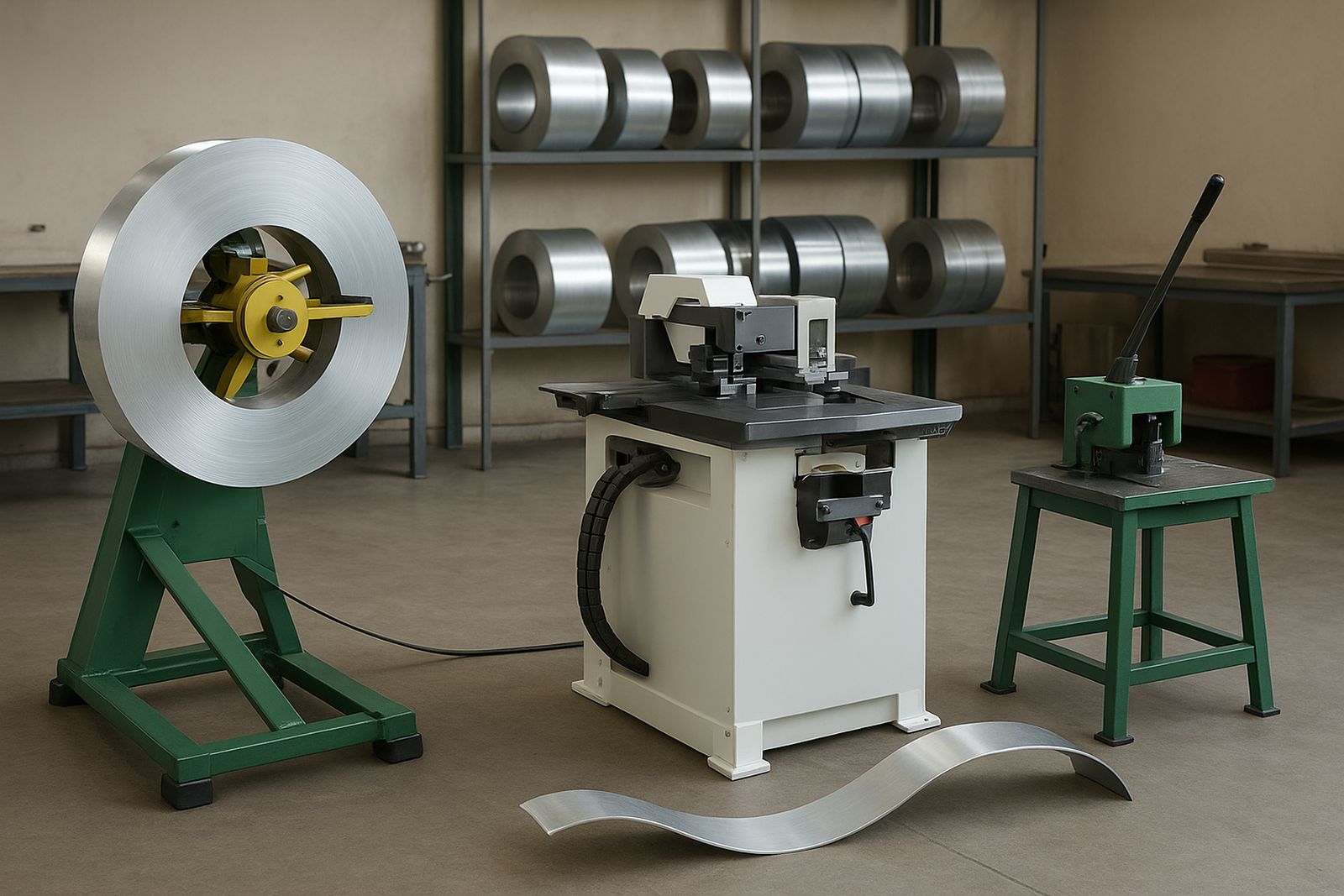
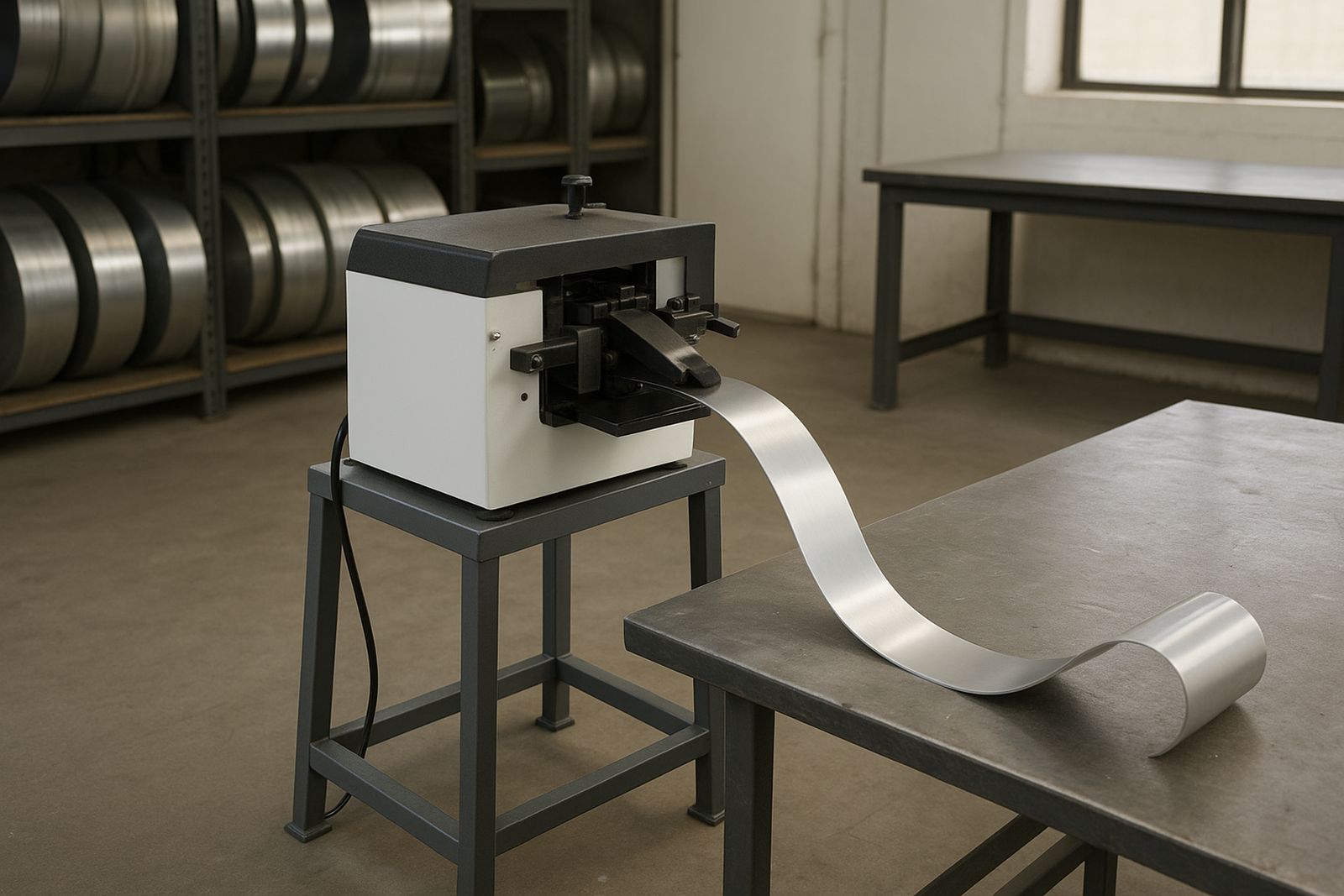
The machine is built for practical daily use and can be paired with coils and return material suited to the letter depth and finish you need. If you are still deciding between manual bending and a first machine, this model gives you a clear middle ground. Not too complex, not too basic either.
Size options and working range
Entry-level bending machines are usually chosen for the sizes you produce most often, so the working range matters. The Entry Bender is best matched to smaller to medium channel letters, with settings that help you work accurately on common shopfront sizes, wayfinding letters and light commercial signage.
When ordering, check the return depth range, minimum letter height, coil width compatibility and the type of fold or flange you need. If you often do detailed internal shapes, ask how the machine handles tight radii and repeated short bends. That can save time later when the jobs become more varied.
- Check compatible return depths before ordering
- Confirm the minimum letter size you plan to produce
- Ask about material width and coil thickness compatibility
- Make sure the machine can handle your standard finish, whether plain metal or coated material
Where the Entry Bender works best
This machine suits workshops that produce channel letters for shopfronts, office parks, medical centres, warehouses and schools. It is also useful for sign makers that manage both fabrication and installation, because a cleaner return can reduce finishing time before site work.
In a Midrand base, a machine like this works well for teams serving Sandton and the northern suburbs, while still being practical for deliveries to Pretoria, the East Rand or the West Rand. For Durban work, it is worth planning for corrosion control and storage conditions, especially if material sits for a few days before use.
The Entry Bender is not only for large production runs. It can support short urgent jobs, replacement letters and repeat orders where speed and consistent sizing matter. That makes it a useful first machine for a growing shop that needs better control but does not want an oversized setup.
Installation, power and workshop setup
Before installation, allow enough floor space for feeding material, finished returns and safe operator movement. A flat, clean area near your material storage usually works best. Good lighting helps too, because small setup errors can show up later on the sign face.
Power requirements should be checked against your site supply, breaker capacity and any backup arrangements for load-shedding. If your workshop runs on inverter or generator support, confirm the machine's electrical needs first so there are no delays during commissioning. On some sites, a tidy cable route and surge protection are worth fitting from day one.
- Confirm supply voltage and breaker size before delivery
- Allow space for operator access and material handling
- Plan for surge protection if your area has unstable power
- Ask for installation planning if the machine must fit into an existing production line
For larger sites or first-time operators, onsite commissioning and operator training are a good idea. That way the team can start with the right bend settings, material feed direction and basic checks, rather than learning through trial and error.
Daily care and preventive servicing
A starter machine still needs regular care if you want clean bends and a long service life. Keep the feed path free of offcuts, dust and adhesive residue. Wipe down moving parts, check wear points and inspect any guides or rollers that carry material through the machine.
Preventive servicing should be scheduled before the machine starts giving trouble, not after. That is especially important when the workshop is busy and the machine gets used for batches back to back. A small issue on a guide or drive can affect bend accuracy across an entire run.
- Clean after each shift if material dust builds up quickly
- Check fasteners and alignment regularly
- Keep spare wear parts on hand for busy periods
- Book servicing before peak project months
For coastal workshops, a dry storage routine helps protect exposed parts from humidity. For inland workshops, the more common issue is dust from cutting and finishing work, so a weekly clean is usually money well spent. The machine should feel consistent from one job to the next, not tight one day and loose the next.
What to confirm before you order
When ordering an Entry Bender, the best result comes from matching the machine to the work you actually produce. Share your usual letter heights, return depths, material type and expected daily output so the right setup can be recommended.
You should also confirm your workshop power supply, delivery access and whether the machine will be installed at a main base or a branch. If your team works between Midrand, Pretoria and Durban, it may be useful to plan remote tech help, refresher training or a follow-up visit after commissioning.
- Typical letter size and return depth
- Material finish and coil width used most often
- Daily or weekly production volume
- Site power supply and backup power options
- Delivery access, stairs, doors and loading constraints
- Whether you need training, setup help or ongoing support
A proper order check saves time later and helps the machine start earning its keep sooner. If you are unsure about the right material selection or spare parts to keep on the shelf, it is better to ask before purchase than after the first production run.
Key facts
| Machine type | Starter channel-letter bending machine |
|---|---|
| Best suited to | Smaller sign workshops and growing production teams |
| Material use | Channel-letter return material and compatible coils |
| Typical applications | Shopfront letters, replacement letters, light commercial signage |
| Support available | Operator training, onsite commissioning, remote tech help, spares supply |
| Service areas | Midrand, Sandton, Pretoria, East Rand, West Rand, Durban, nationwide |