What the Blade Replacement Kit does on the machine
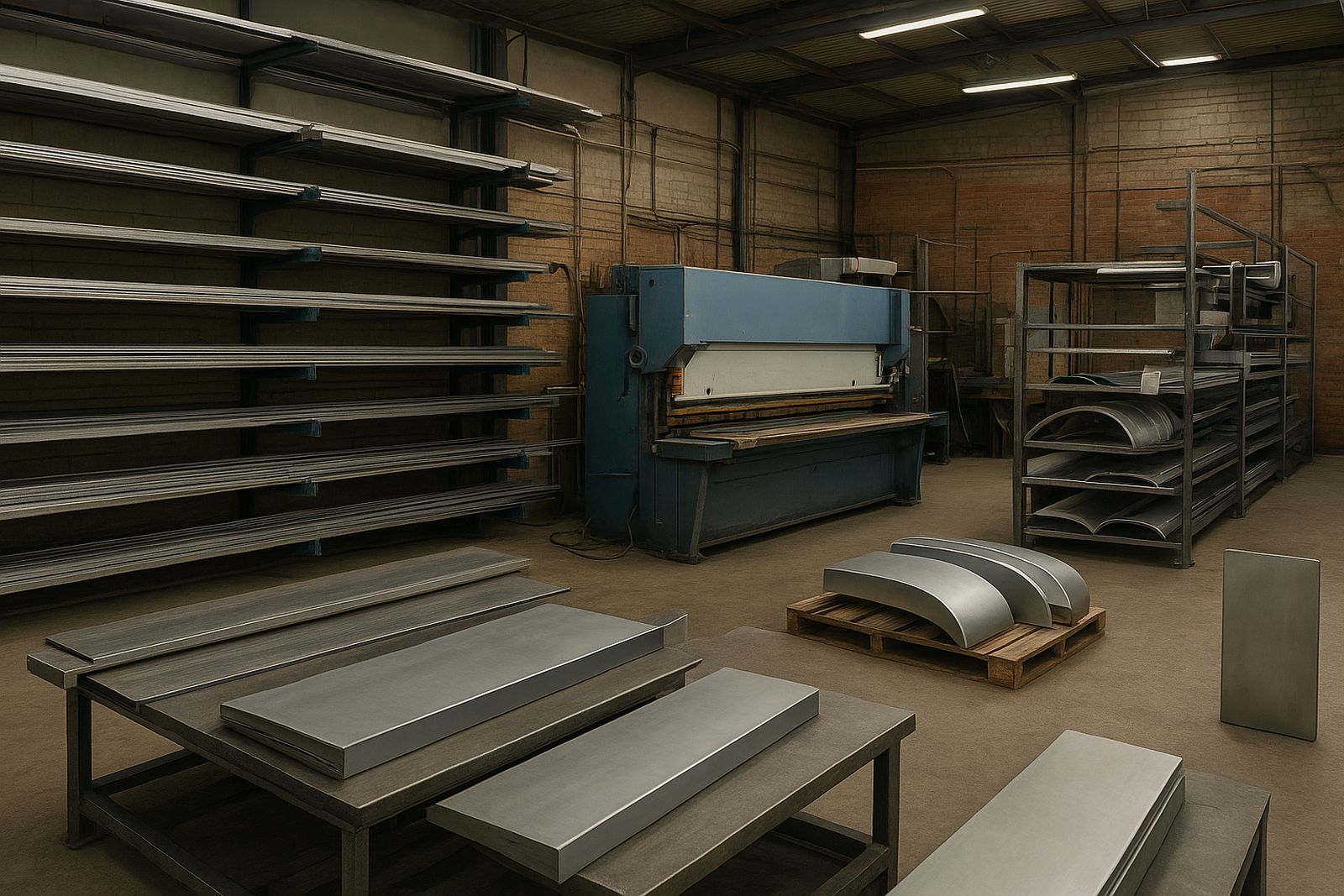
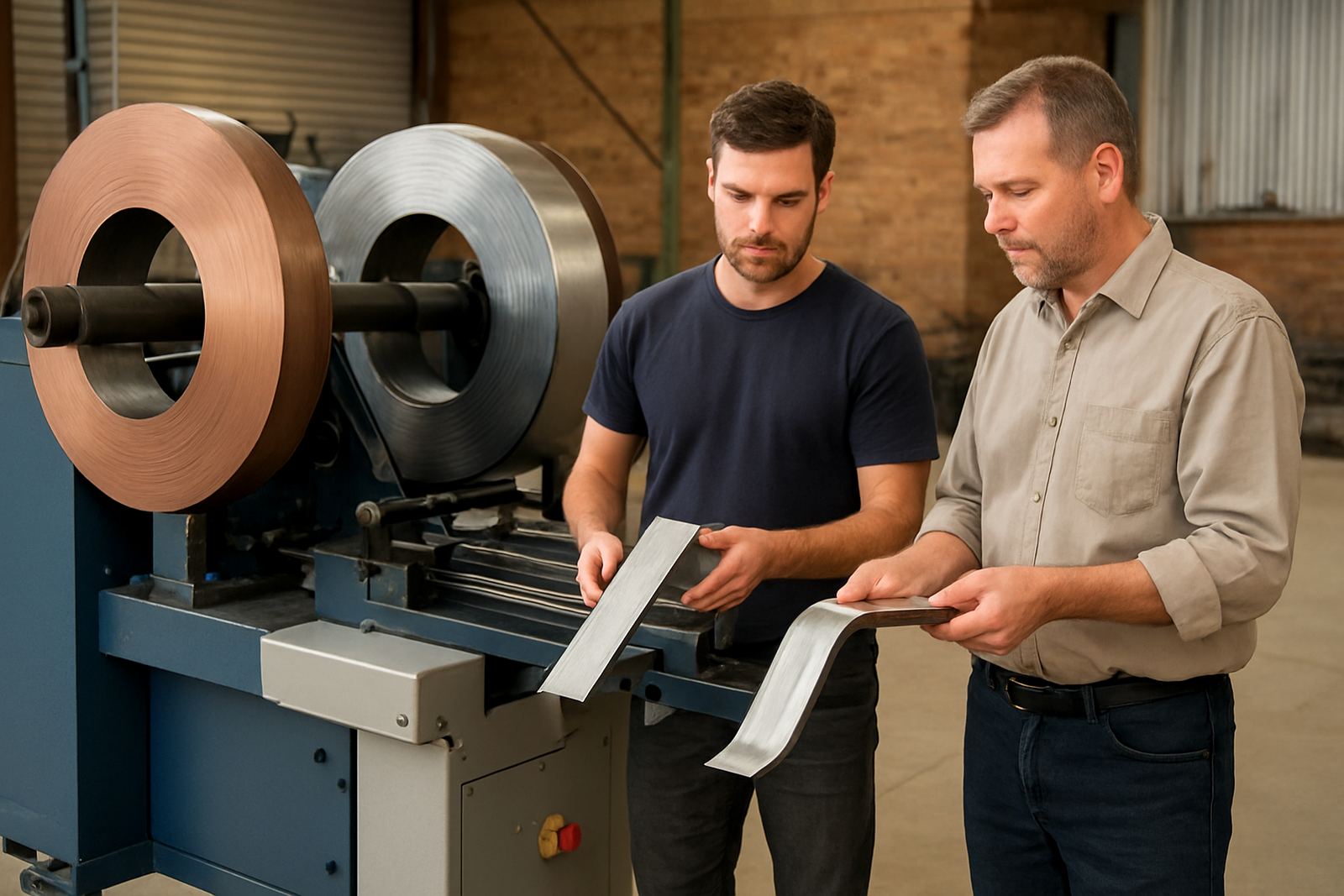
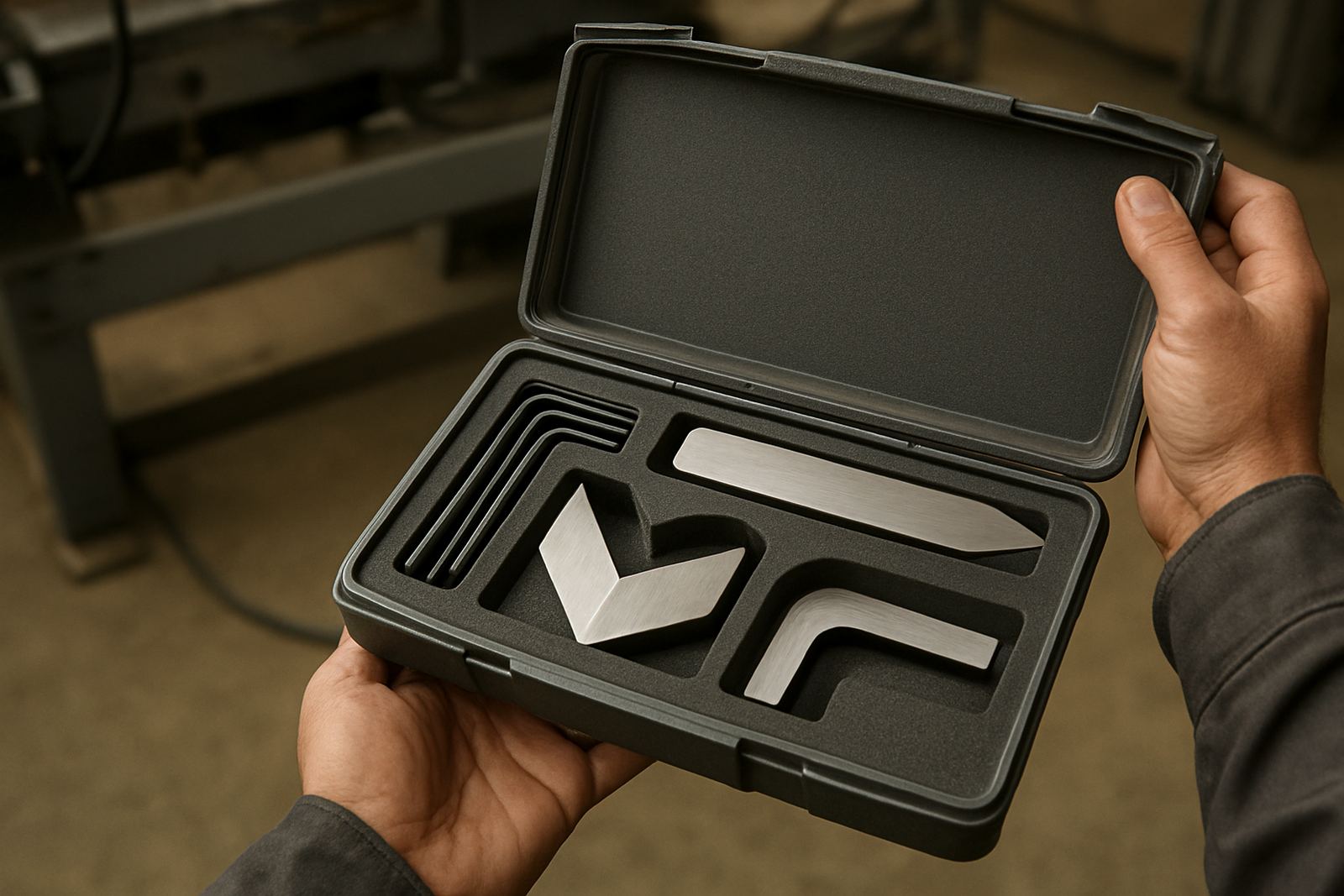
A blade replacement kit is the set of cutting parts used to restore accurate trimming on a channel-letter bending machine. In daily sign work, blades wear from aluminium coil, return profiles, dust and repeated production runs, so a fresh kit helps keep the cut line neat and the material feeding properly. For shops handling letters for shopfronts, road-facing signs, industrial parks and mall tenants, that consistency matters because a rough edge can slow the next step and affect the final fit.
The kit is aimed at scheduled upkeep rather than emergency patching. It is suited to workshops that run regular jobs and need clean finishing on returns, face trims and prep cuts. With the right blade set in place, the machine can work with less strain and operators spend less time adjusting the same setting again and again.
- For maintenance on channel-letter bending and cutting units
- Helps reduce tearing, burrs and uneven edges
- Useful where repeat cuts must match across a batch
Sizes, configurations and what is normally included
Blade kits are supplied in sizes and configurations to suit the machine type and the material being processed. Some setups use a single cutting blade while others need a matched pair or a blade plus guide components. The correct choice depends on the machine model, the profile width, the thickness of the material and the finish expected by the sign maker. In Midrand, Sandton and Pretoria workshops, we often see mixed production where one machine does thin return work in the morning and heavier coil prep later in the day, so the blade choice must match the work not just the machine name.
Typical kits may include cutting blades, mounting hardware, spacer pieces and the fixing items needed for a planned swap. Where applicable, the kit can also support left and right hand orientation so the cutting action remains true. A properly selected kit should allow the operator to fit the parts, align them and return to production without excessive trial cuts.
- Available for different machine widths and blade profiles
- Options for single blade or paired blade arrangements
- May include fixings, spacers and alignment pieces
- Supplied to match the intended cutting direction and material type
Where the kit suits best in South African sign shops
This kit suits sign makers that produce channel letters for retail, corporate, motor trade, property signage and factory branding. It is also useful for manufacturers who run long batches and need predictable cut quality from one shift to the next. Shops in Durban often ask for better wear resistance because of coastal humidity, while inland operations in the East Rand and West Rand usually want parts that can handle dust and longer operating hours during busy periods.
It works well in production environments where machines are used daily and downtime is costly. If you are preparing work for installation teams travelling across Gauteng, or running local fitments in the greater Durban area, a reliable blade kit helps keep timelines tight. For smaller businesses, it can be the difference between handing over a clean job and redoing a set of returns because the edge started to snag, which happens more often than most expect.
- Suitable for sign workshops, fabrication floors and contract manufacturers
- Useful for batch work, rush orders and repeat client jobs
- Helpful where clean finishing is needed before folding or fitting
Installation, setup and power or air requirements
Blade replacement should be done with the machine isolated, following the normal lock-off steps and the maker's fitting sequence. The operator or technician needs to confirm the correct blade orientation, check spacing and ensure the cutting path is free from swarf or old adhesive. A careful first run is important because a fresh blade can still cut badly if the alignment is off or the feed pressure is too high. For workshops with regular load-shedding, it is wise to complete the swap when the machine is fully stable and the work area has proper light and support power.
Most blade replacement kits do not need separate power or gas on their own, but they must work within the machine's existing electrical and, where relevant, pneumatic setup. If the machine uses air-assisted movement or clamping, confirm that the supply pressure is steady before production starts. Onsite commissioning and installation planning are recommended for teams setting up new lines or adding a spare kit into an active workshop, since a small fitment mistake can cause uneven wear very quickly.
- Switch off and isolate the machine before fitting
- Check alignment, spacing and blade direction before first use
- Confirm air pressure or machine settings where applicable
Care, servicing and blade life in day to day production
Good care starts with cleaning. Metal dust, adhesive residue and fine chips should be removed after use so the cutting edge and guides do not wear against grit. In coastal areas such as Durban, storage matters too because humidity can affect exposed parts and fixings if they are left in a damp store room. A dry cabinet, sealed bin or labelled spares tray is a simple help, and it costs far less than replacing parts early.
Preventive servicing should include a check of the blade edge, mounting screws, guide wear and any signs of chatter in the cut. If the edge is dragging, leaving a feathered finish or making the motor work harder, the kit may need replacement sooner than planned. Training and refresher training also help because operators who know the signs of wear can stop a bad run before it turns into a full production delay.
- Clean after each shift where dust or swarf builds up
- Store spare kits in a dry place, away from moisture
- Inspect for drag, chatter, burrs and loose fixings during servicing
What to check before ordering the right kit
Before placing an order, confirm the machine model, blade style, mounting method and the type of material you cut most often. Also note the width and thickness of the coil or return stock, since a kit made for light work may not suit heavier production. If you are unsure, send photos of the current blade assembly and the machine plate details so the correct replacement can be matched without guesswork.
It also helps to check your current production habits. If you cut every day and keep stock for urgent sign jobs, order a spare kit at the same time so you are not waiting for parts in the middle of a run. For teams spread across Midrand, Pretoria, Sandton and the wider Gauteng area, having the right kit on hand can save a wasted collection trip and keep the line moving.
- Machine model and blade arrangement
- Material thickness and cutting volume
- Mounting type, fixings and alignment method
- Need for a spare kit to cover planned servicing
For help choosing the right blade replacement kit, contact our Midrand team on our contact form. We assist with material selection, remote tech help, breakdown support and installation planning for sign makers nationwide.
Key facts
| Product type | Blade replacement kit for channel-letter cutting machines |
|---|---|
| Use case | Scheduled blade renewal for cleaner cutting and smoother finishing |
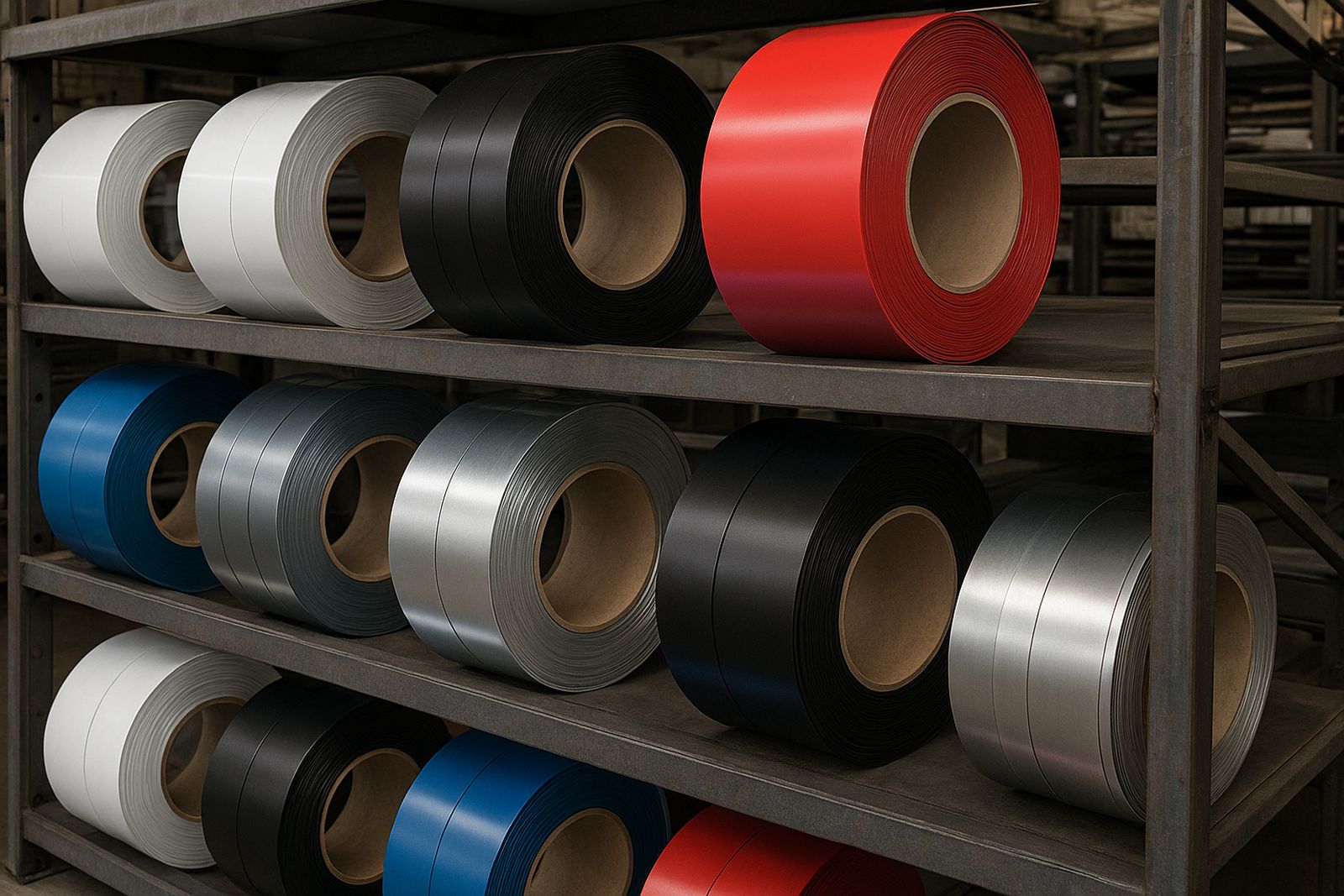
| Compatible work | Aluminium coil, return stock and related sign-making materials |
| Typical contents | Cutting blade, fixings, spacers and alignment items where required |
| Support | Operator training, onsite commissioning and preventive servicing |
| Supply region | Midrand base with installs and support nationwide |