
What powder colour coils are used for
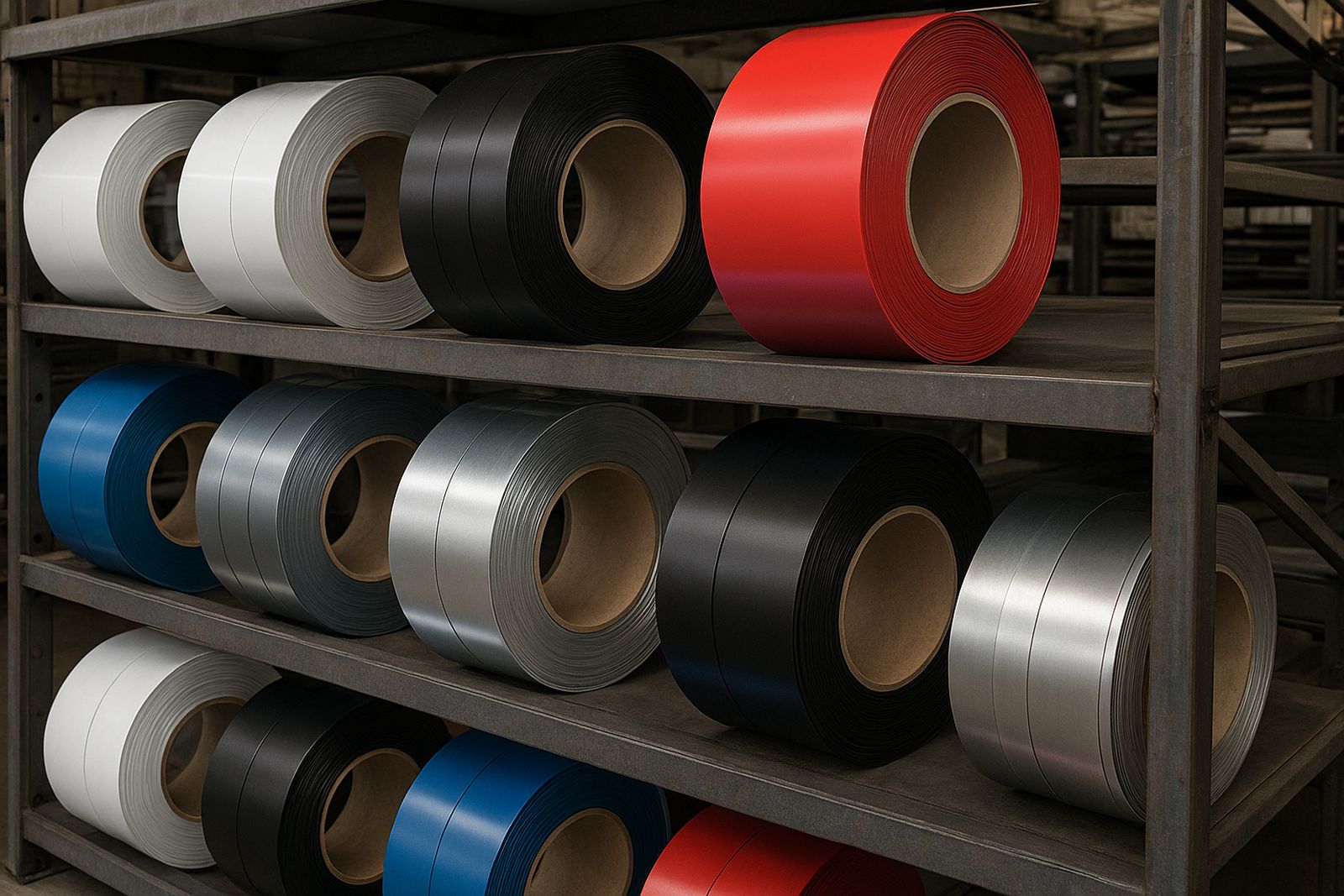
Powder colour coils are pre-finished metal coils supplied for making the return walls on channel letters and other built-up signage. Instead of spraying or painting returns after cutting, the material already carries an even colour finish, so the workshop can move faster and keep each batch looking the same.
That matters when you are matching a full street frontage, a roll-out across several branches, or a repeat order for a franchise. In Midrand, Sandton, Pretoria and the other major metros, sign makers often need a colour that holds under strong sun, reflected heat and coastal humidity. A good pre-finished coil helps reduce variation from job to job and cuts down on extra handling.
The finish is typically chosen for visible return surfaces where a neat edge is important. It works well on illuminated lettering, non-illuminated dimensional signs and fascia work where the return colour is part of the design. For many jobs, it saves a full step in the production process and keeps the shop floor cleaner.
Sizes, finishes and coil options
Coils are normally supplied in widths suited to standard return depths used in sign fabrication. The most common option is 1220 mm width, which gives enough working room for many letter shapes and curved sections. Depending on the job, workshops may also order narrower or wider coils when they are building deeper returns or when material use needs to be planned carefully.
Finish choice is just as important as size. The colour must suit the face graphics, lighting temperature and the client brand. Popular requests include white, black, silver tones and selected corporate colours. For some shops, the aim is to match the return colour to the face panel for a cleaner side profile, while others prefer contrast so the sign edges stand out at night.
- Standard coil widths for common return depths
- Consistent pre-finished colour across full rolls
- Options suited to indoor and outdoor signage
- Useful for repeat brand colours across multiple sites
If you are ordering for a batch run, ask for the same finish and batch reference where possible. That helps reduce small shade shifts, especially when the job is spread over more than one install date.
Where powder colour coils suit best
These coils suit workshops that produce channel letters regularly and need a dependable finish for recurring work. They are a strong fit for retail fronts, take-away shops, forecourts, office parks, warehouse branding and municipal or institutional signage where the client expects a neat presentation.
They are also useful for sign makers working on larger manufacturing runs. When a team is bending many returns in one shift, a pre-finished coil can save time and reduce the risk of uneven paint coverage, runs or touch-up marks. That is especially handy when production is tight and load-shedding has already split the day into smaller working windows.
In coastal areas such as Durban, material choice needs extra care because humidity and salt air can show up weak coatings fast. A properly finished coil helps reduce that risk, but the workshop must still store and handle it correctly to avoid scratches and edge damage.
- Channel letters for shopfronts and building names
- Box signs with folded return edges
- Repeat franchise branding across branches
- Jobs where colour consistency matters more than on-site painting
Installation and power or gas requirements
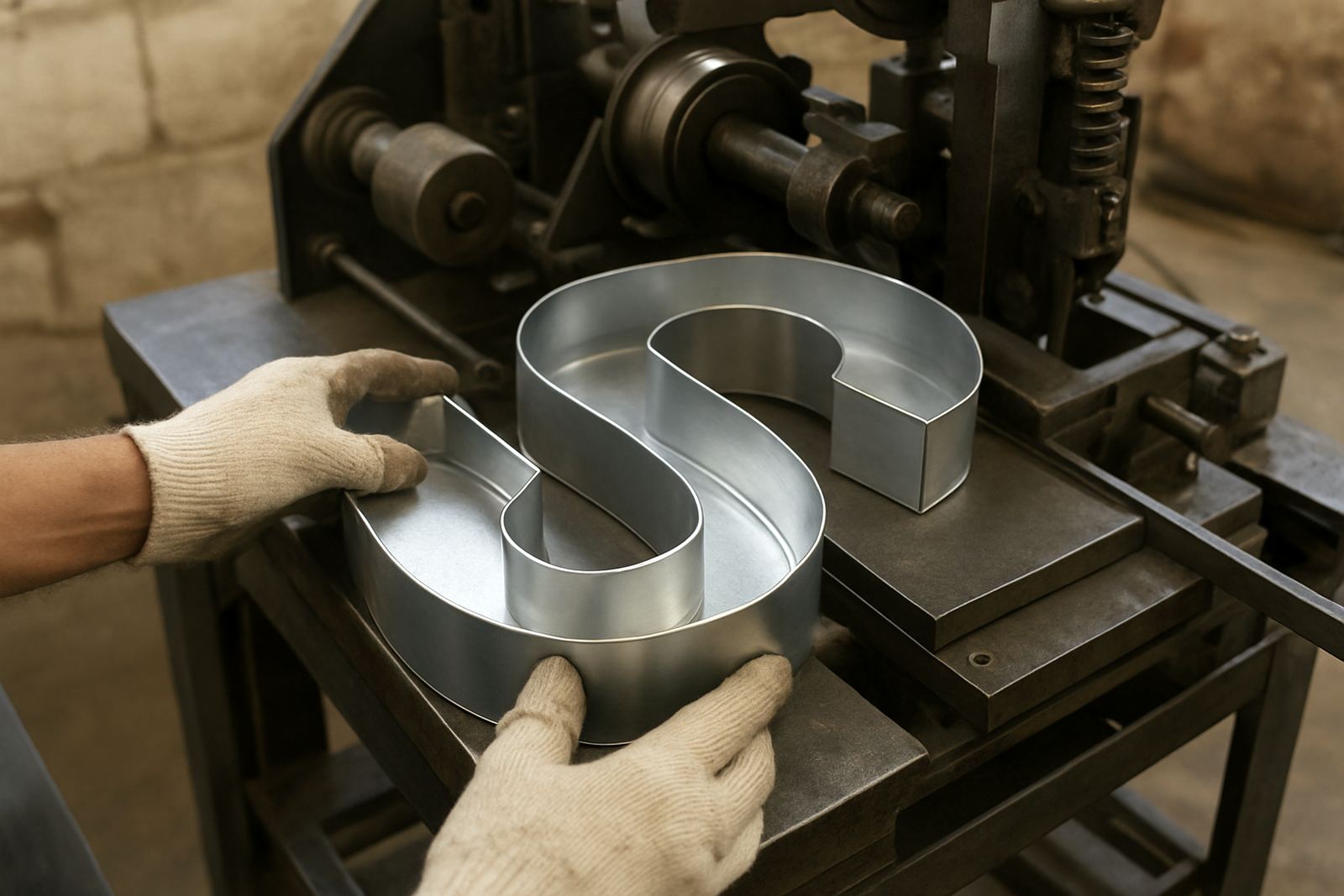
Powder colour coils are used in the production process rather than installed on site by themselves. They are fed into the bending and forming workflow, then cut and shaped into the required return profile before assembly. The key is to make sure the workshop has the right bending machine settings, cutting tools and operator know-how for the material thickness being used.
Most production setups need normal workshop power for the machine, plus space for coil storage and safe handling. If the shop is doing full channel-letter production, the electrical supply should be checked for stable voltage and enough capacity for the machine motor, compressors and other tools. In areas affected by power cuts, back-up power planning can make a big difference to output and consistency.
Gas is not normally required for the coil itself. Where gas may come into play is in related fabrication tasks, depending on how the shop forms, welds or finishes other sign components. It is worth planning the full line together so the coil choice, machine settings and installation schedule all fit the same production run.
Care, storage and preventive servicing
To keep the finish in good condition, store coils indoors on clean racking or pallets and keep them away from dust, weld spatter and moisture. Never drag coils across concrete, since the first scratches usually happen before the material even reaches the machine. In busy shops, that small bit of care can save a whole batch.
When coils are being handled, use gloves where possible and keep cut edges protected. If a roll gets dented or kinked, the defect can carry through to the return and become visible once the sign is lit. Regular checks on machine rollers, guide wheels and cutting tools also help preserve the finish. A dirty feed path can mark the coating even if the material itself is good.
- Store flat and dry, away from standing water
- Keep wrapped until needed on the production floor
- Check feed rollers and guides before each run
- Clean swarf and dust after every job
Preventive servicing matters because a machine that is slightly out of alignment can mark the coil edge or distort the return. If you are running high volumes, it is better to service on schedule than wait for a breakdown in the middle of a production week.
What to check before ordering
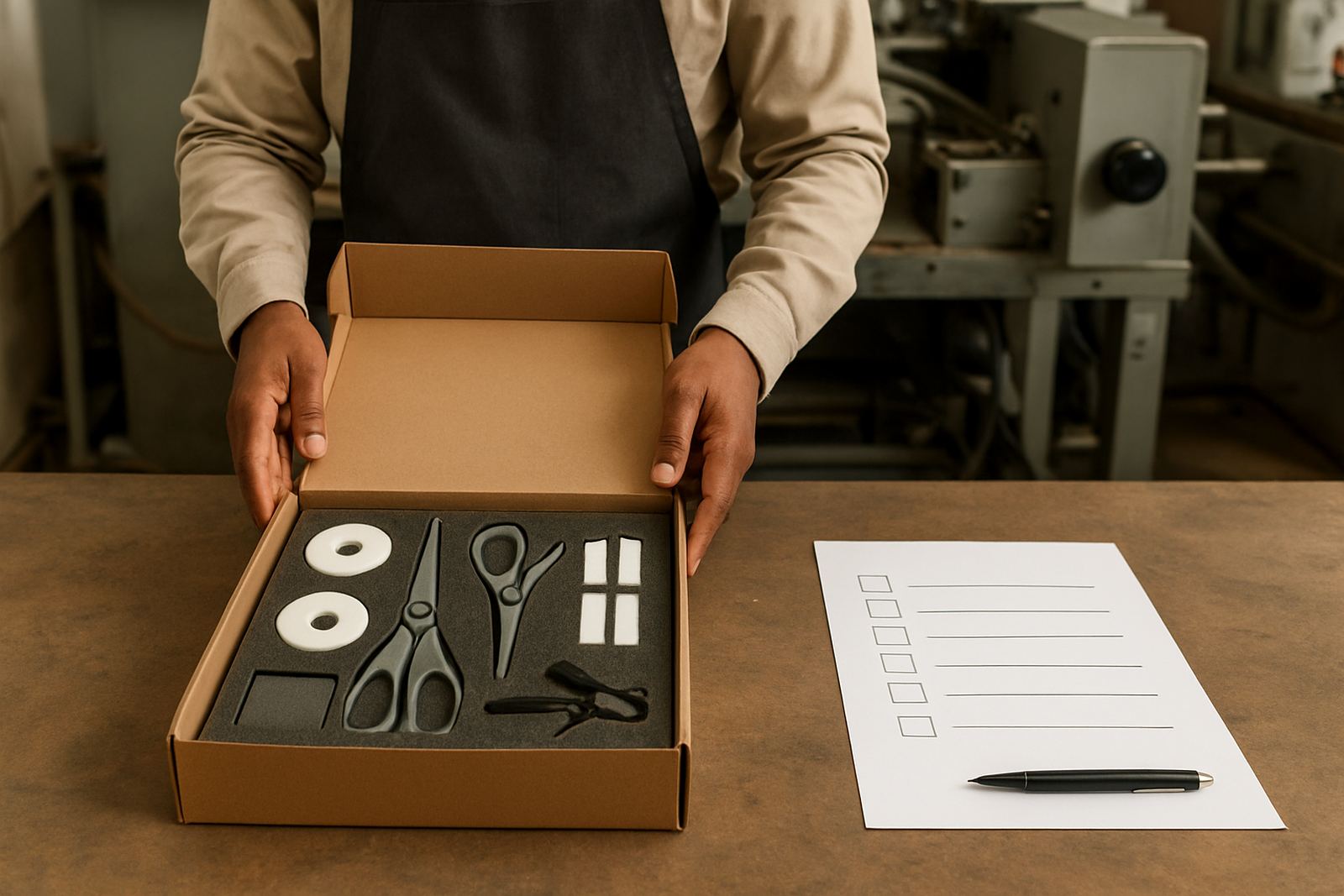
Before ordering, confirm the finished colour, coil width, material thickness and the return depth you need to produce. Also check the machine model and whether it can handle the coil format without extra adapters or setup changes. If your shop works across several towns, it is worth standardising these details so repeat orders stay simple.
Ask what quantity is available per roll and whether the order needs a specific batch. For sign makers in Johannesburg, Pretoria or Durban who run repeat client work, batch consistency can be just as important as colour itself. If a client has already approved a sample, keep a note of the exact finish and code used so the next order matches properly.
- Colour name or code
- Coil width and thickness
- Return depth needed for the profile
- Quantity per roll or per job
- Indoor or outdoor exposure
- Machine compatibility and feed direction
Also think about lead time, delivery location and whether you need backup stock for urgent reorders. It is cheaper to plan the coil list properly than to stop a job halfway through because one finish ran short.
Support for sign makers across South Africa
Channel Letter supports sign makers from our Midrand base with practical help that fits real workshop conditions. That includes operator training, onsite commissioning, preventive servicing, breakdown support, spares supply, production coaching and material selection. For teams that are still getting used to new coil grades or new machine settings, remote tech help and refresher training are available too.
We work with clients in Midrand, Sandton, Pretoria, the East Rand, West Rand and Durban, and we assist with installation planning nationwide. If you are setting up a new line or changing your return material, it helps to have someone check the process before production starts. A short setup call or site visit can prevent wasted material and save a lot of rework.
For product questions or order support, send a message through our contact form. If you need advice on matching colour, thickness or production method, our team can help you narrow down the right coil for the job.
Key facts
| Product type | Pre-finished coloured return coil for channel letters and built-up signage |
|---|---|
| Typical width | 1220 mm standard, other widths subject to order |
| Material use | Formed into return walls for signs and dimensional letters |
| Finish | Powder-coated or pre-finished colour surface |
| Application | Indoor and outdoor signage, retail fascias, branding and illuminated letters |
| Support | Material selection, operator training, onsite commissioning and remote tech help |