
What the Material Sample Kit includes
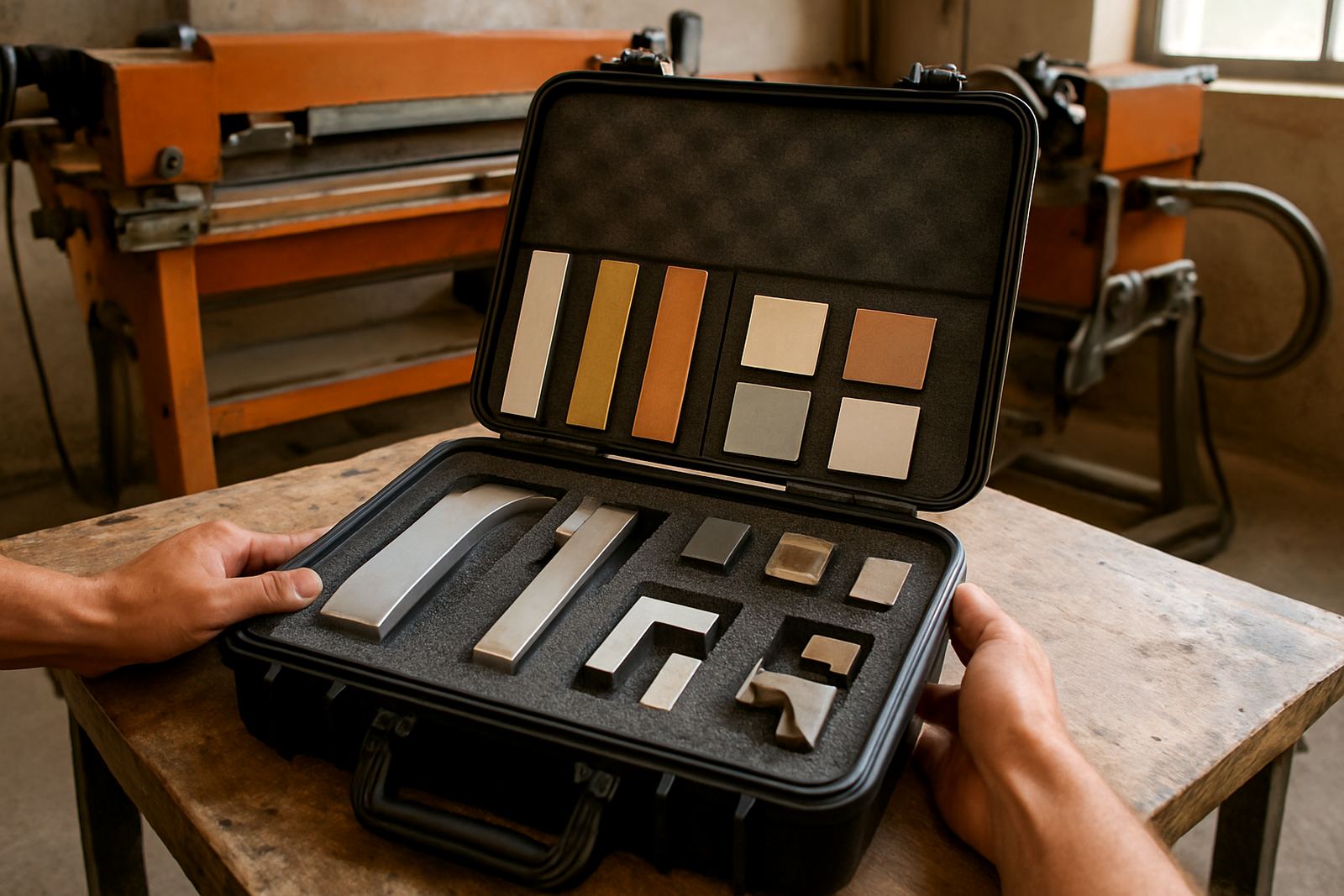
The Material Sample Kit is a compact planning set made for sign makers who need to see and feel the return and coil material before production starts. It is especially useful when a project has more than one finish, or when the client wants to compare a glossy face with a matte side return, or a standard aluminium look with a coloured option.
Each kit is arranged to make day-to-day quoting easier. You can hold the samples next to a drawing, a printed sign proof, or an existing fascia and check how the colour behaves in daylight. That matters in Midrand, Durban and other areas where natural light, dust, humidity and coastal air can affect how a finish reads on site.
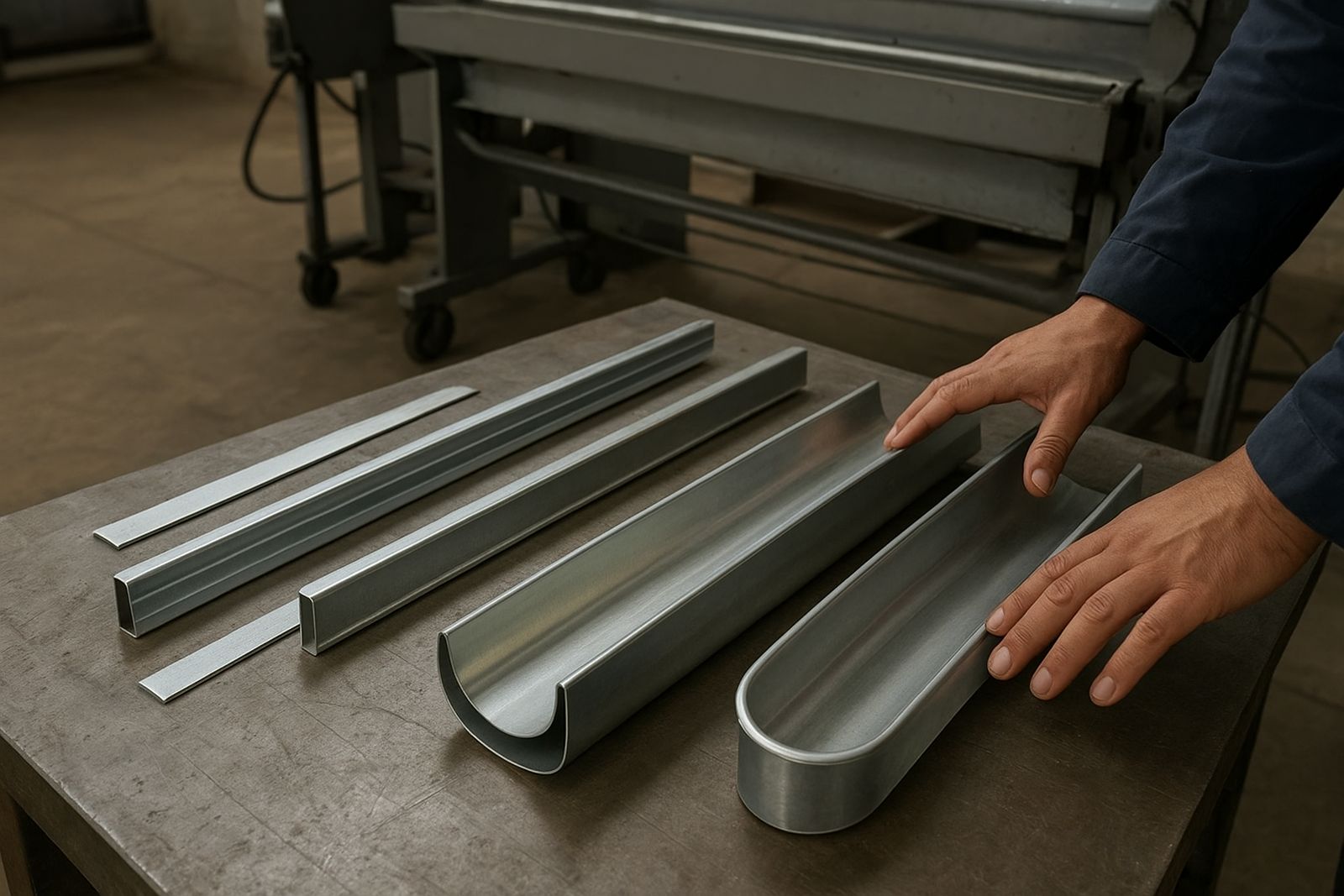
- Return samples for checking side wall finish and edge colour
- Coil samples for planning material use and matching existing work
- Samples sized for handling on site or in the workshop
- Useful for client sign-off before cutting and bending begins
Where it suits best on real signage jobs
This kit suits channel letters, illuminated sign faces, wall signs, shopfront branding and upgrade work where existing signs need a close colour match. It also helps when you are quoting for multiple branches and need one standard finish across Pretoria, Sandton, the East Rand or Durban.
For smaller shops, the kit reduces mistakes before the first coil is cut. For larger manufacturers, it helps the sales and production teams stay on the same page. When one project has five or six lettering sizes and different mounting positions, the sample kit gives you a fast way to confirm what will work without wasting material.
- Suitable for new signage, rework, and refurbishment jobs
- Handy for retail parks, office blocks, factories and forecourt signage
- Useful for municipalities and property managers who need colour consistency
- Helps with tenders where material choice must be confirmed early
Sizes, options and ordering notes
The sample kit is supplied in practical sizes that suit workshop use and site checks. It is not a display item only, it is meant to be used in the normal flow of quoting, procurement and production. Kits can be selected for common return depths and coil widths used in South African sign shops.
When ordering, check the exact colour family, finish type and width you need for the job. Some teams want a narrow set for everyday comparison, while others prefer a broader sample selection for training or procurement. If you are planning a run of signs with the same finish across several branches, ask for enough samples so sales, design and production can all review the same material. That saves time and avoids back-and-forth later on.
- Available in common coil widths used by sign makers
- Return samples cover the usual channel letter depth ranges
- Finish options can include smooth, textured and metallic looks
- Colours should be checked against the job brief before ordering
Installation, site use and power or gas needs
The sample kit itself does not need power or gas and can be used immediately on site or in the workshop. It is light enough for a sales rep, installer or production lead to carry during measurements, and it works well during installation planning meetings with contractors or property owners.
For channel letter work, the kit helps you plan the full process before the machine starts. You can confirm whether the selected return material suits the bending machine settings, whether the finish will hold up near the coast, and whether the chosen colour will still look right under LED lighting. If a job is going to be installed in a windy area or a busy centre, the kit also helps you check the material choice against the fixing method and sign weight.
- No electrical supply required for the samples themselves
- No gas required for sample use or inspection
- Useful during pre-installation checks and client approvals
- Helps confirm compatibility with your bending and forming process
Care, storage and servicing between projects
Keep the samples clean and dry, and store them flat or upright in a protected folder so the edges do not get bent. In humid coastal areas such as Durban, wipe the samples down after site visits to stop moisture marks and keep the finish easy to compare. In dusty inland conditions, a soft cloth is usually enough.
If the kit is used often in training sessions or during quoting rounds, set a simple check routine. Look for scratches, faded labels, or damaged corners that could affect how a finish is judged. A worn sample can lead to a wrong decision, so it is worth replacing damaged pieces before they start causing confusion. If you use the kit with multiple team members, keep it together with your quoting notes and colour references so nobody has to guess.
Checks to make before ordering corner tooling
Before ordering, confirm the exact finish, colour family, sample size and how many sets you need for your team. If you are comparing several suppliers or planning a job with different branches, ask for the same reference across all samples so there is no mismatch between sales and production. This is especially important on national rollouts where one wrong colour can delay several sites.
It also helps to check whether the kit is being used for current production, staff training, or client presentations. The right set for a sales office may not be enough for a workshop that handles daily output. If your team needs refresher training, material selection advice or installation planning support, keep the sample kit together with your job sheets and machine settings so your records stay neat and practical.
- Confirm finish type and colour code before paying
- Check whether you need one kit or several for branch teams
- Match the sample to the actual job width and return depth
- Ask about replacement pieces if a sample is damaged in transit
Key facts
| Product type | Material sample kit for return and coil planning |
|---|---|
| Use | Colour matching, finish checks, client approvals and training |
| Sample formats | Return samples and coil samples |
| Typical application | Channel letters, fascia signs, shopfronts and refurbishment work |
| Power or gas needs | None required for sample use |
| Best suited areas | Midrand, Sandton, Pretoria, East Rand, West Rand and Durban |