What the Production Expansion Pack adds to your line
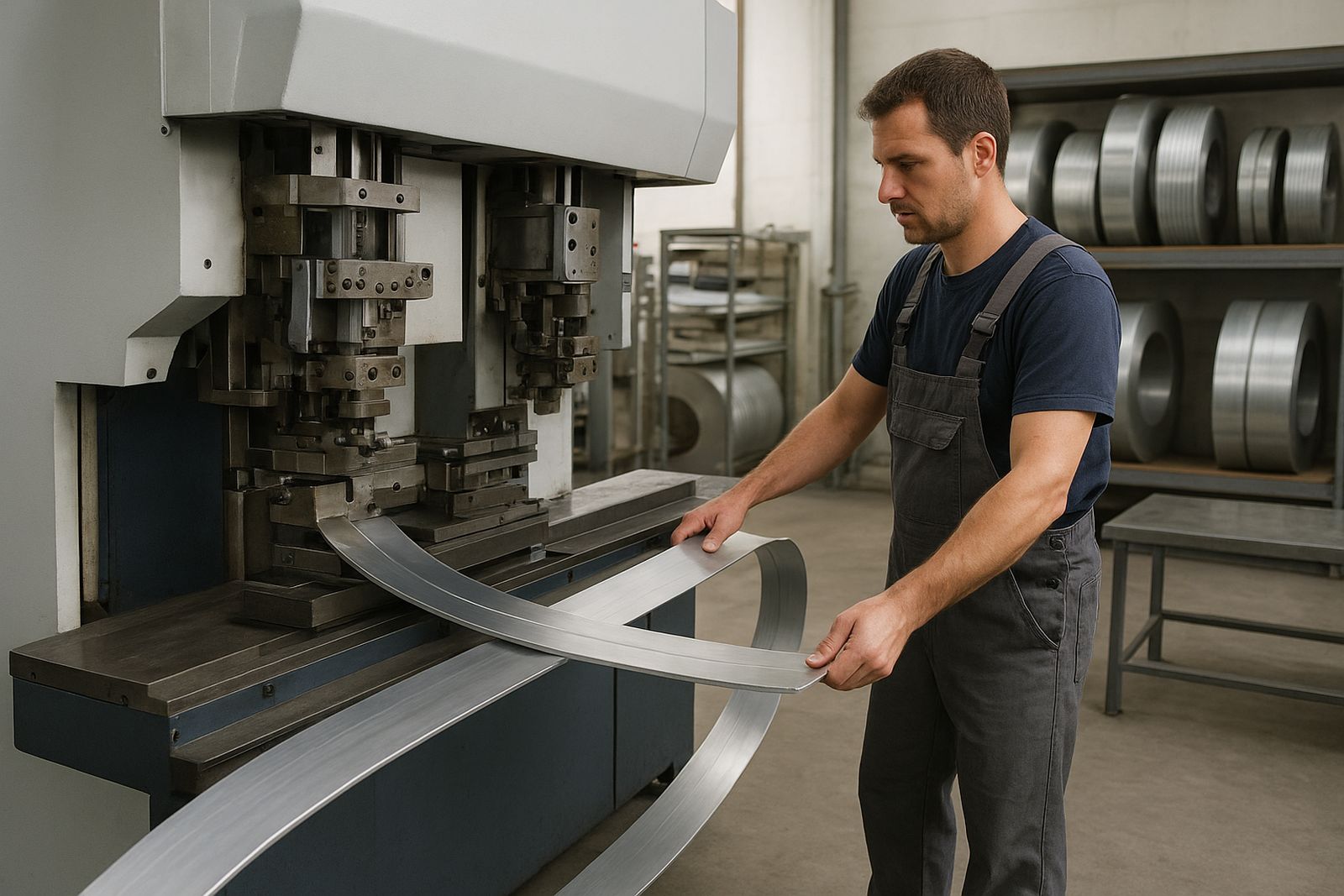
This pack is set up to support established sign shops that are moving from smaller runs into heavier weekly letter volumes. It is not a basic starter kit. It is intended to improve throughput where operators are already working with regular aluminium or stainless return work, back panels, trimless letters, and mixed-size signage orders.
In practical terms, the pack helps your team process more returns, keep bends more consistent, and reduce time spent changing over between jobs. That matters in Midrand, Pretoria, the East Rand and Durban where sign makers often balance retail, property, motor trade and industrial work at the same time.
Because the pack is aimed at production growth, we look at the kind of letters you make, the width of your strips, and the daily output you need. A shop doing a few feature signs a week needs a different setup from one pushing volume for multiple fitments and municipal tender work. It also helps when load-shedding forces you to plan your production blocks carefully, because every minute of machine time counts.
Typical machine sizes and options available
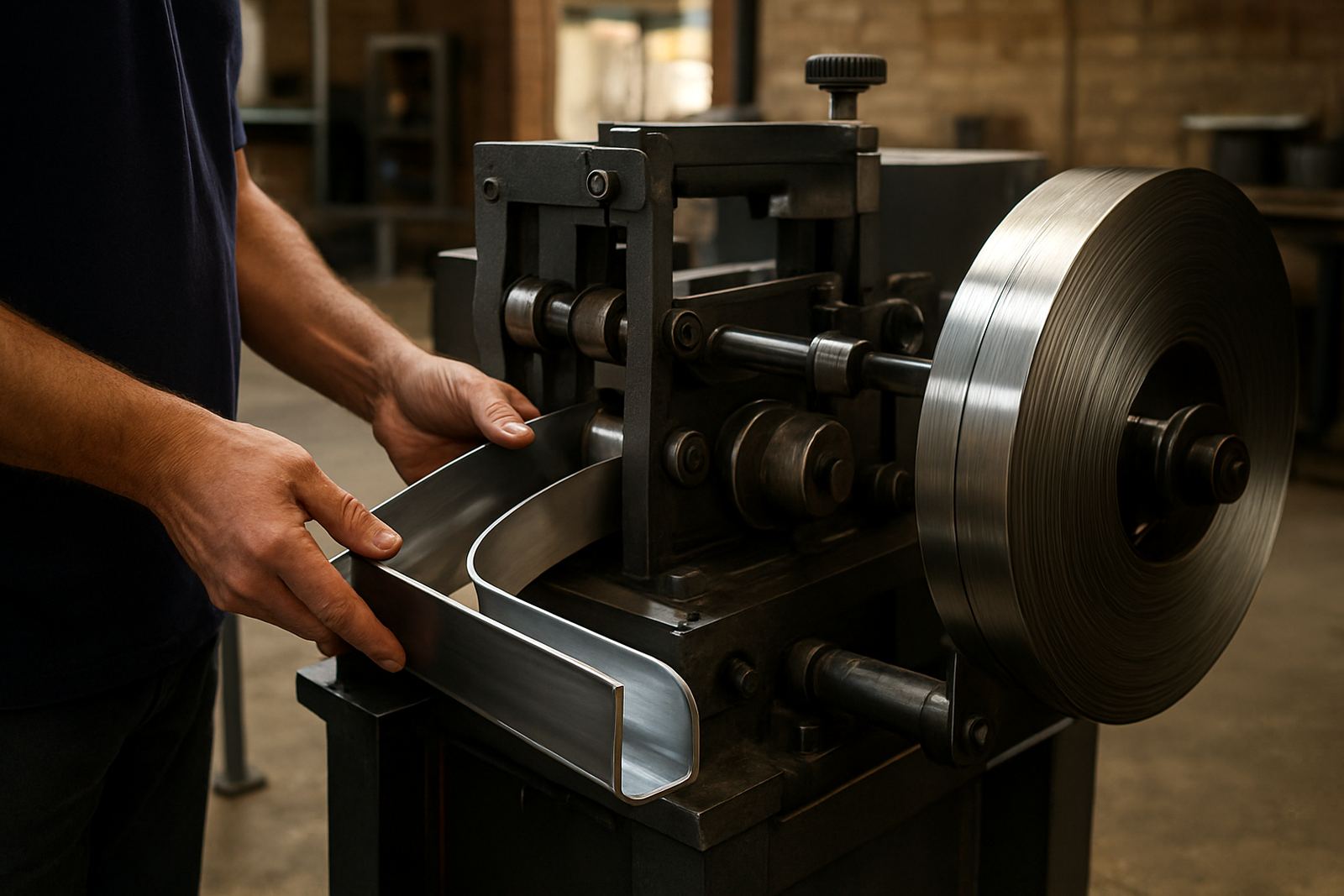
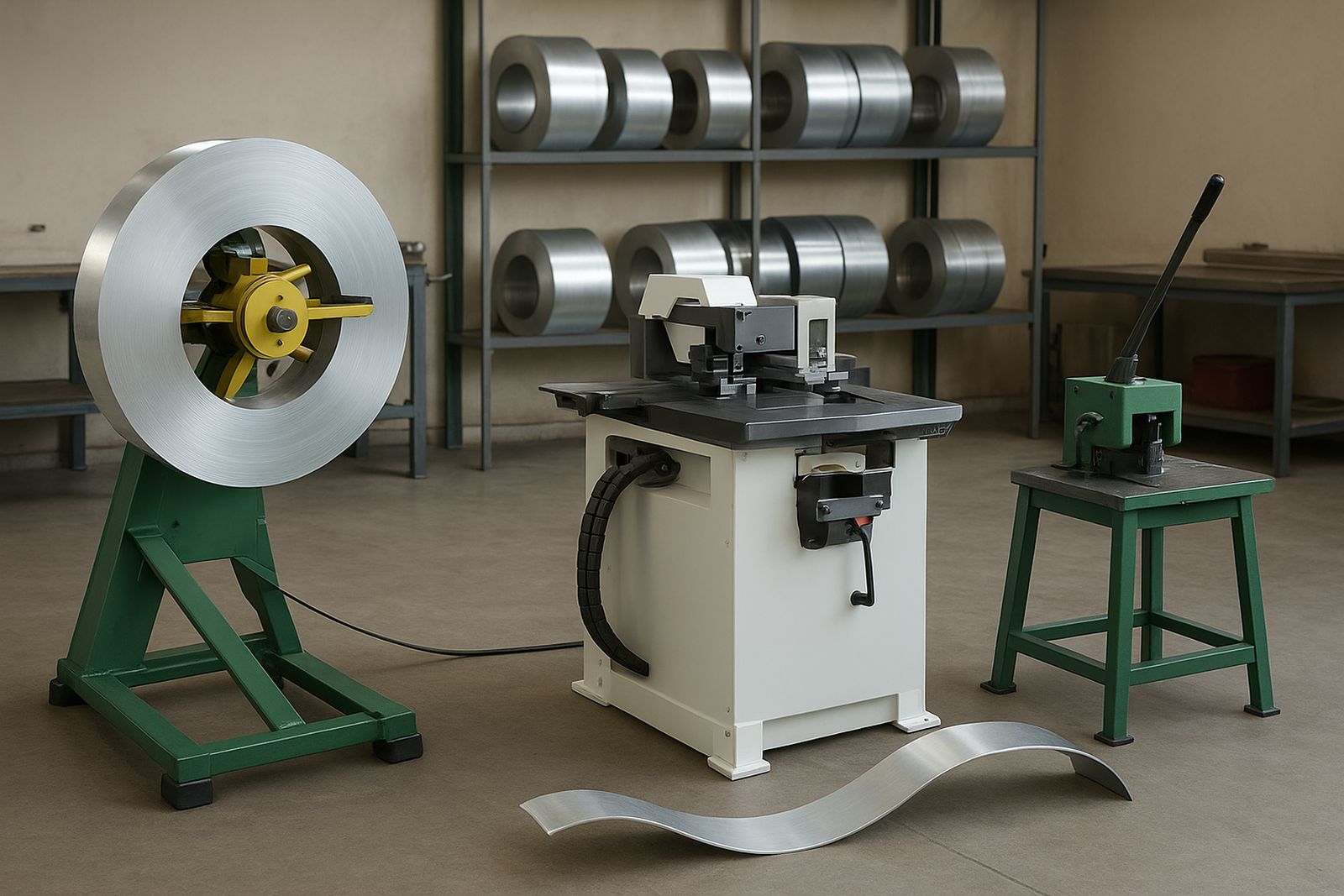
Production Expansion Pack options are usually matched to the width of the return material you use most often. Common working widths range from 8 mm through 25 mm, with some setups better suited to narrow illuminated letters while others handle larger fabricated profiles. We also consider coil thickness, feed accuracy and the size of the letters you want to run on a normal day.
Options can include increased feed control, faster positioning aids, stronger material support, and accessory choices for different coil types. If your workshop handles both aluminium and stainless returns, or shifts between indoor retail signs and outdoor grade work, the configuration can be adjusted around that. The idea is not to overload the operator, but to keep the machine matched to the job list.
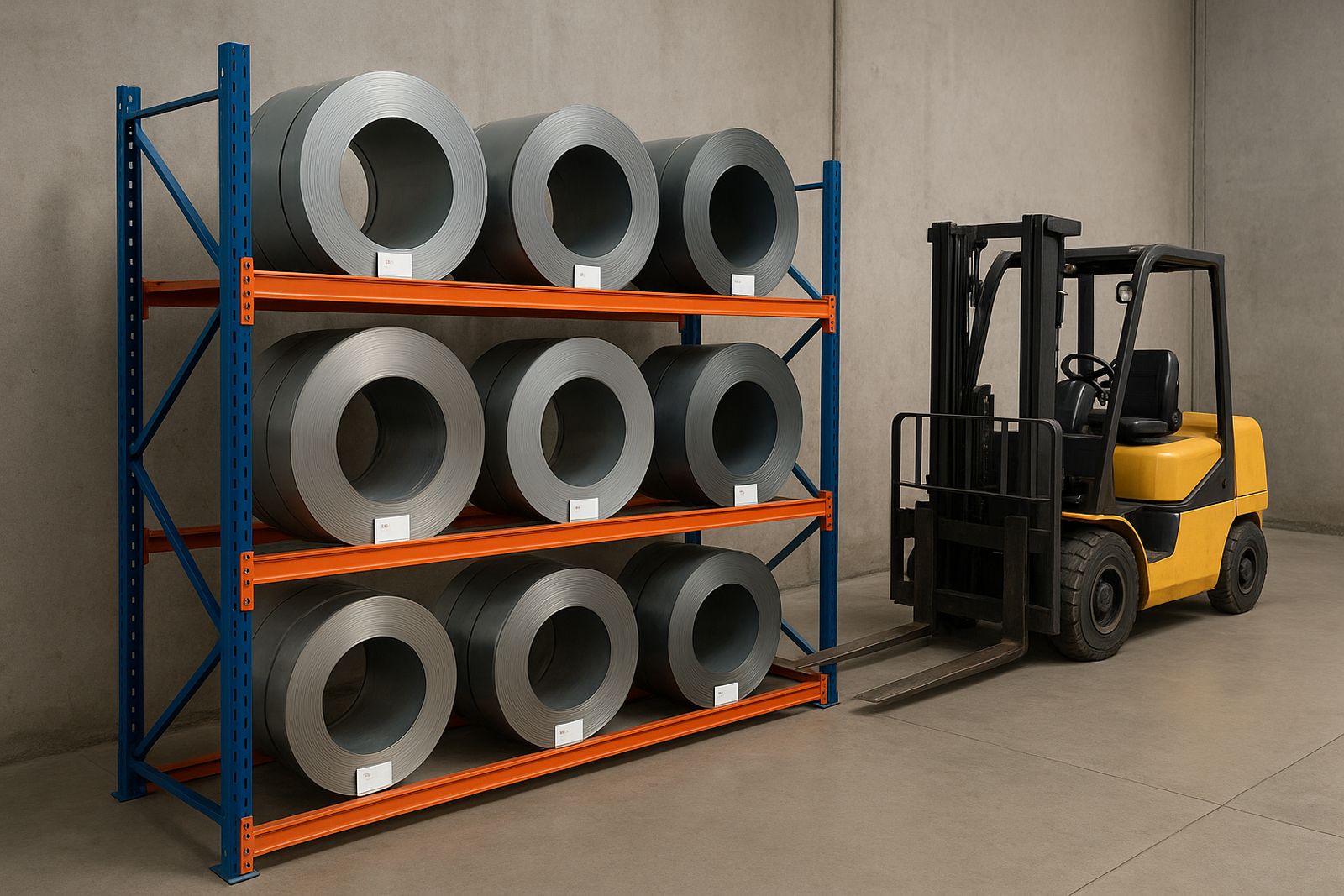
For larger shops, the pack can be specified with extra support components for longer production cycles and heavier material handling. If your team is working in a humid coastal area like Durban, you may also want the setup reviewed for storage and corrosion control because material condition affects how clean the finished return looks. A small bit of care here saves alot of rework later.
Where the pack suits best in South African sign shops
This product suits sign makers who already have an active client base and are taking on more channel letters every month. It works well for businesses supplying shopping centres, motor dealers, property groups, schools, churches, industrial parks and franchised retail fit-outs. If your shop is getting repeat orders and you need to keep production moving even during tight turnarounds, this is the sort of upgrade that makes sense.
It also suits workshops that do not want to rely on outside fabrication for return bending. Keeping the work in-house gives you more control over lead times, quality checks and rework. That is useful in Gauteng where site dates can move quickly and installers may need signs ready before a weekend opening or a month-end handover.
- Best for established workshops with steady monthly letter volume
- Good for businesses doing their own fabrication and fitment
- Suitable for multi-site production teams and training environments
Installation space, power and setup needs
The pack needs a level, clear working area with enough space for material infeed, finished output and safe operator movement. A compact back-shop can work if the layout is tidy, but you must allow enough room for strip storage and a clean bend path. If the unit is going into a busy production floor, we normally plan the position so operators are not walking across other work bays with material in hand.
Power requirements depend on the exact configuration, but most setups need a stable single-phase or three-phase supply depending on the machine size and accessory load. In areas with load-shedding, it is wise to plan for surge protection and proper shutdown routines so settings are not lost mid-run. Gas is not normally required for the production pack itself, although your wider workshop may use gas for other fabrication processes, so it helps to keep those systems separate and clearly marked.
Onsite commissioning is recommended for the best result. That gives the team a chance to check alignment, feed settings, operator workflow and the first production samples before full output starts. If the machine is going into a branch in Sandton, Midrand or the West Rand, we can help plan the install so it is ready for normal production rather than just switch-on day.
Key facts
| Product purpose | Adds output capacity for established sign makers taking on larger letter volumes |
|---|---|
| Working widths | Typically 8 mm to 25 mm return stock, depending on configuration |
| Materials supported | Aluminium and stainless return material |
| Power | Single-phase or three-phase options depending on the setup |
| Installation | Level floor, clear feed and output space, onsite commissioning recommended |
| Support | Operator training, preventive servicing, breakdown support and spares supply |