
What return coils do in channel-letter production
Return coils form the side wall, or return, of a channel letter. They are the strip that joins the face to the back panel, so the bend has to be accurate and the finish has to stay neat from the workshop floor through to the final install. When the material feeds evenly and bends cleanly, your letters keep their shape and the assembly goes faster with fewer reworks.
We supply return coils for sign makers working on illuminated letters, non-lit letters and shaped fabrications where a clean edge matters. The coil format is practical for shops that want to cut to size as jobs come in, rather than holding too many fixed lengths on the rack. It helps on busy runs and also on one-off jobs where the spec changes from frame to frame.
- Used for the side return on channel letters and light box details
- Helps produce uniform bends for tidy corners and curves
- Supplied in coil form for easier storage and less waste
- Suitable for workshop cutting, bending and trim work
Sizes, thicknesses and finish options
Return coils are available in common widths used by sign shops, with the option to choose a size that matches your letter depth and bending allowance. The right width depends on the finished return height, the bend radius and how much overlap you need for fixing to the face and back. On deeper cabinets and larger letters, the coil must be wide enough so the bend does not pull short on the corners.
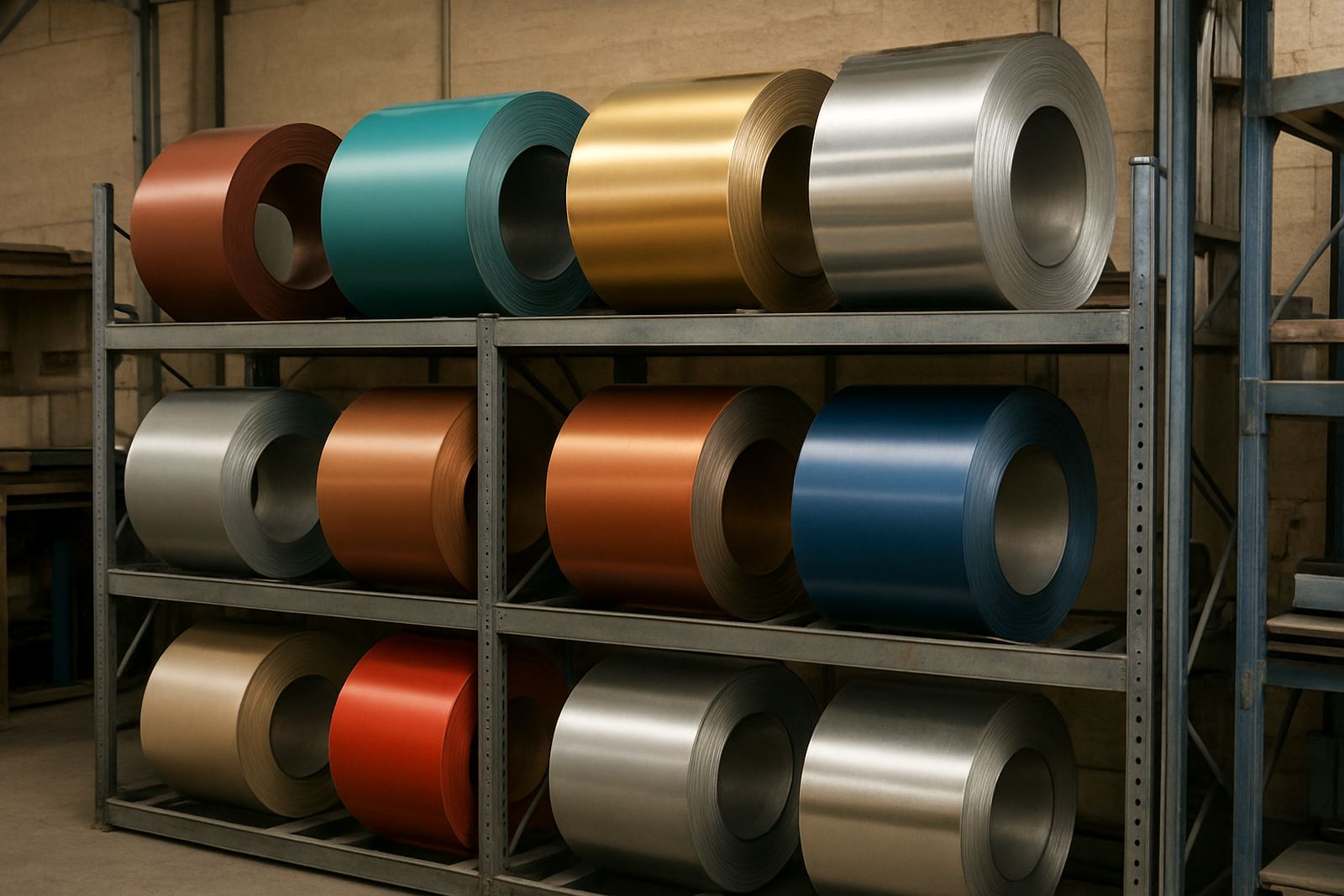
Typical material choices include aluminium return coil for lightweight lettering and corrosion resistance, plus pre-finished surface options to reduce post-processing in the shop. For coastal work in Durban or Richards Bay, a finish that handles moisture and salt air is worth checking before you start production. In Pretoria and the East Rand, many workshops prefer a finish that stays clean under heat and dust from daily cutting and bending.
- Widths matched to common channel-letter depths
- Available in coil form for repeated production runs
- Suitable for straight returns, tight curves and mixed job sets
- Can be selected to suit indoor, outdoor and coastal installs
Where return coils suit best
These coils suit sign makers who produce letters for shop fronts, office parks, vehicle yards, industrial parks and retail centres. They also suit manufacturers who need repeatable output across many letters, especially where the same logo is repeated in different sizes. If your team is working on mall fascia work in Sandton or roadside branding in Midrand, material consistency matters because it keeps the set looking matched once the sign goes up.
Return coils are also useful where job turnaround is tight and the workshop needs to keep cutting, bending and assembling without waiting for special lengths. Smaller operations benefit because they can order the coil format that matches current stock and cut only what is needed. Larger fabricators use it to keep production moving when there are multiple installs booked for the same week.
- Retail signage and business fronts
- Office parks, industrial sites and warehouses
- Large production runs with repeated lettering
- Custom one-off work where each letter differs
Installing the coil and what power or gas is needed
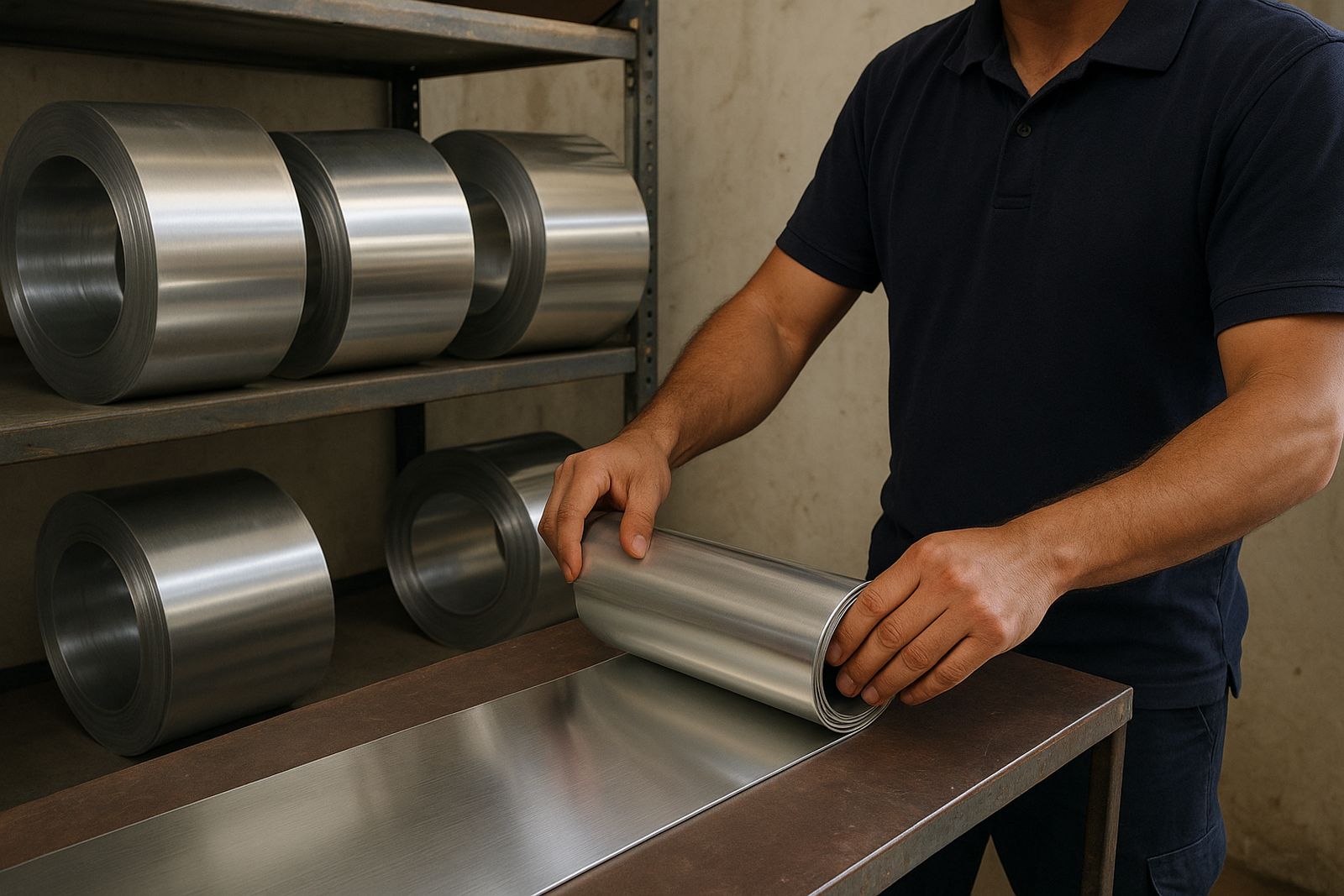
Return coil itself does not need power or gas, but the machines and tools used with it must be set up correctly. The coil is normally fed through a bending machine or shaped with workshop tooling, then fixed to the face and back of the letter. Clean bends start with correct feed tension, a flat working table and a measured allowance for corners, so the return sits properly when assembled.
For shops using powered bending equipment, check the supply, earthing and breaker capacity before the machine is commissioned. In areas with load-shedding, many workshops plan their cutting and bending around generator or inverter support, especially when they have a full run of letters due. If your process includes adhesive, rivets or sealing on the final sign, the actual install should also follow the site rules and any municipal requirements for access, fixing and electrical safety.
- Confirm machine power requirements before ordering material for a new line
- Keep feed paths clean so the coil does not mark or twist
- Allow for backup power if production must continue during outages
- Check site access and fixing points before installation day
Care, storage and planned servicing
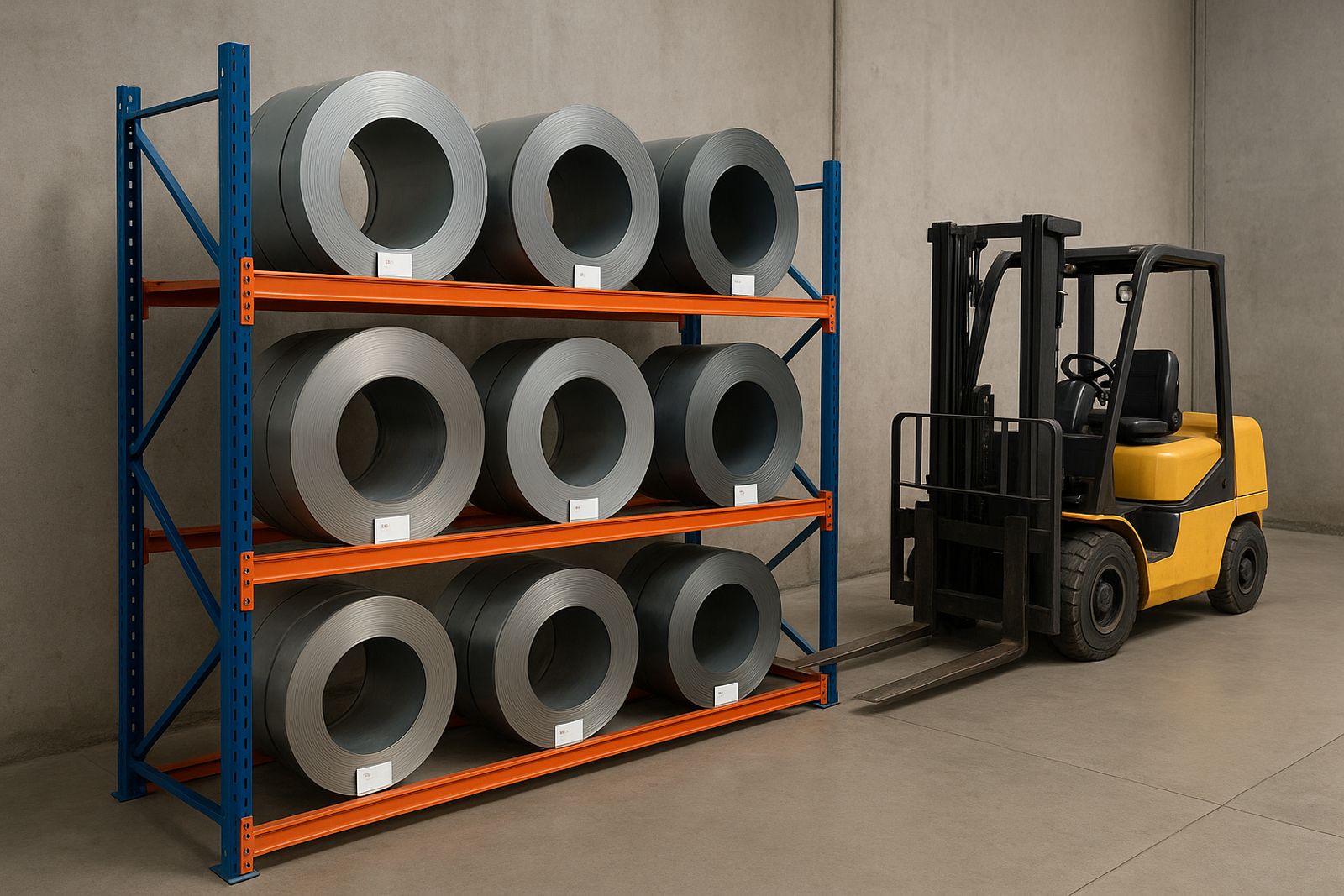
Return coils last longer when they are stored flat, dry and away from floor damp. In humid coastal areas, wrapped stock should be kept out of direct contact with concrete floors to reduce marking and surface issues. A clean store room also helps prevent dents, because once the coil edge is damaged it will show in the finished bend.
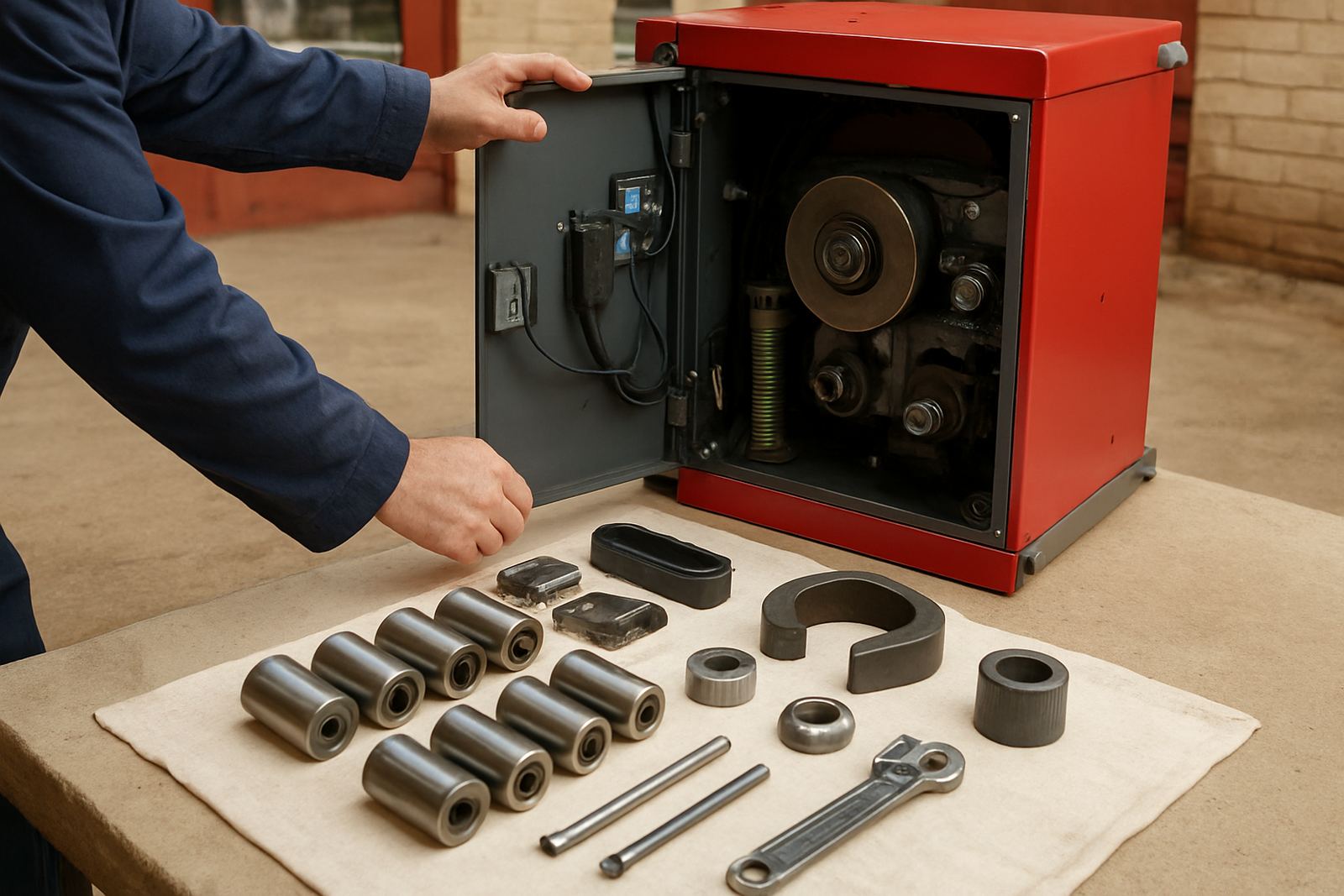
Regular servicing of the bending machine matters just as much as the material. Keep rollers, guides and feed parts clean, and inspect for wear before a job run starts. If the machine begins to mark the strip or the return depth changes from letter to letter, it usually means the feed or calibration needs attention. A short check at the start of the week can save a full re-cut later, which is never fun when installs are lined up.
- Store coils flat and dry, away from floor moisture
- Keep the machine guides clean and aligned
- Inspect for dents, kinks and finish marks before use
- Arrange preventive servicing before peak production periods
What to check before you order return coils
Before placing an order, confirm the finished letter depth, the profile you want, the quantity required and whether the job is for indoor or outdoor use. If the sign will sit in a coastal town or a high-dust area, the finish and material choice should be matched to the site. It also helps to know the machine model, because feed path and width tolerance can affect how much working margin you need on each strip.
Our team can help you compare options, check the material fit and plan for production around your install dates. We also assist with operator training, production coaching and remote tech help, so your workshop can keep moving when there is pressure on turnaround. For sign makers in Midrand, Sandton, Pretoria, East Rand, West Rand and Durban, that kind of support can make ordering less risky and the first run a lot smoother.
- Letter depth and required return height
- Indoor or outdoor exposure, including coastal conditions
- Machine type, feed width and bending tolerance
- Quantity needed for current jobs and spare stock
- Install date and whether backup support is needed
Key facts
| Product type | Channel-letter return coil |
|---|---|
| Common use | Side returns for fabricated letters and sign components |
| Material options | Lightweight corrosion-resistant coil options available |
| Width range | Sized to suit common channel-letter depths |
| Supply area | Midrand base with nationwide delivery and sign-maker installs |
| Support | Training, commissioning, servicing, spares and remote tech help |