
What the spare roller kit does on a busy forming line
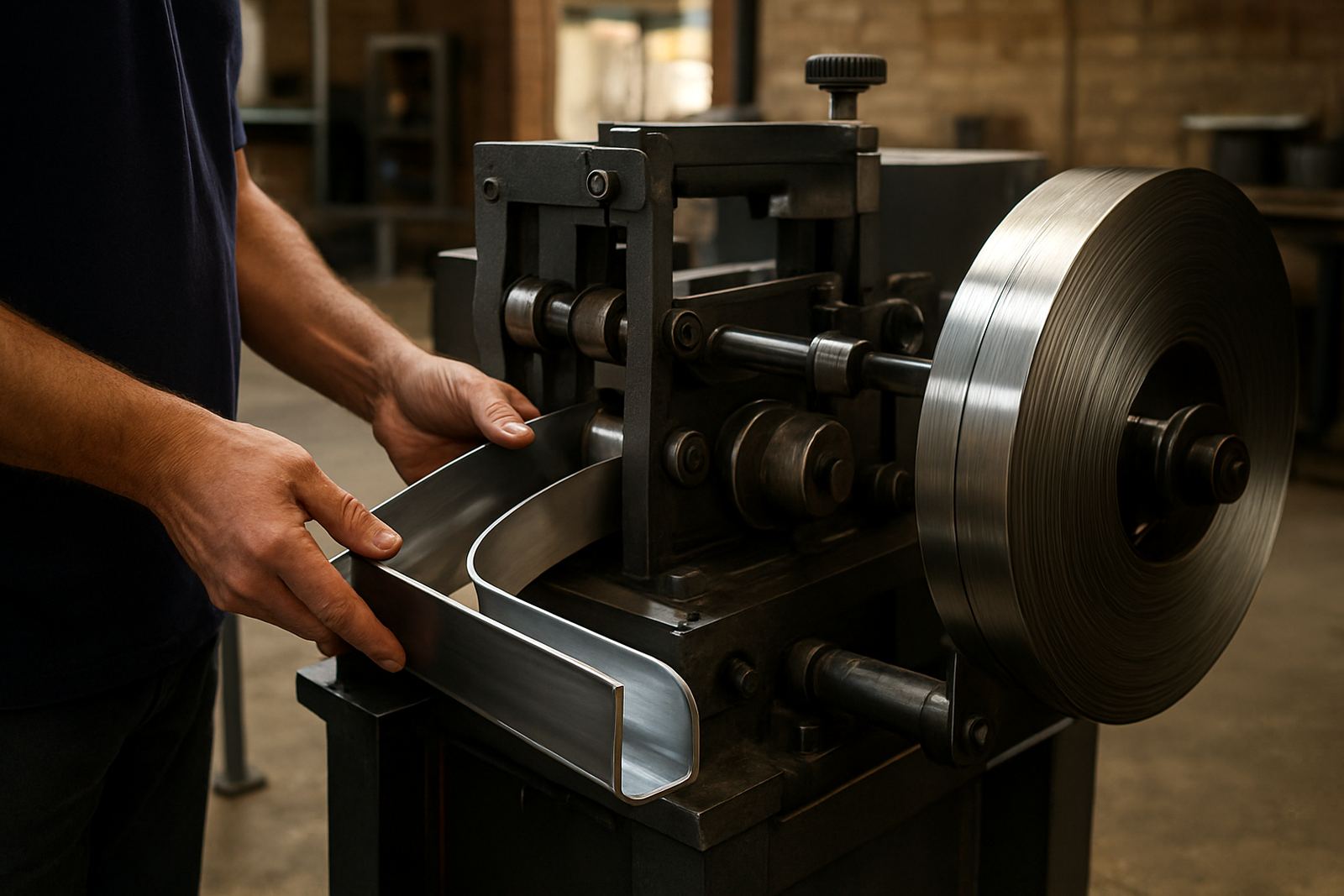
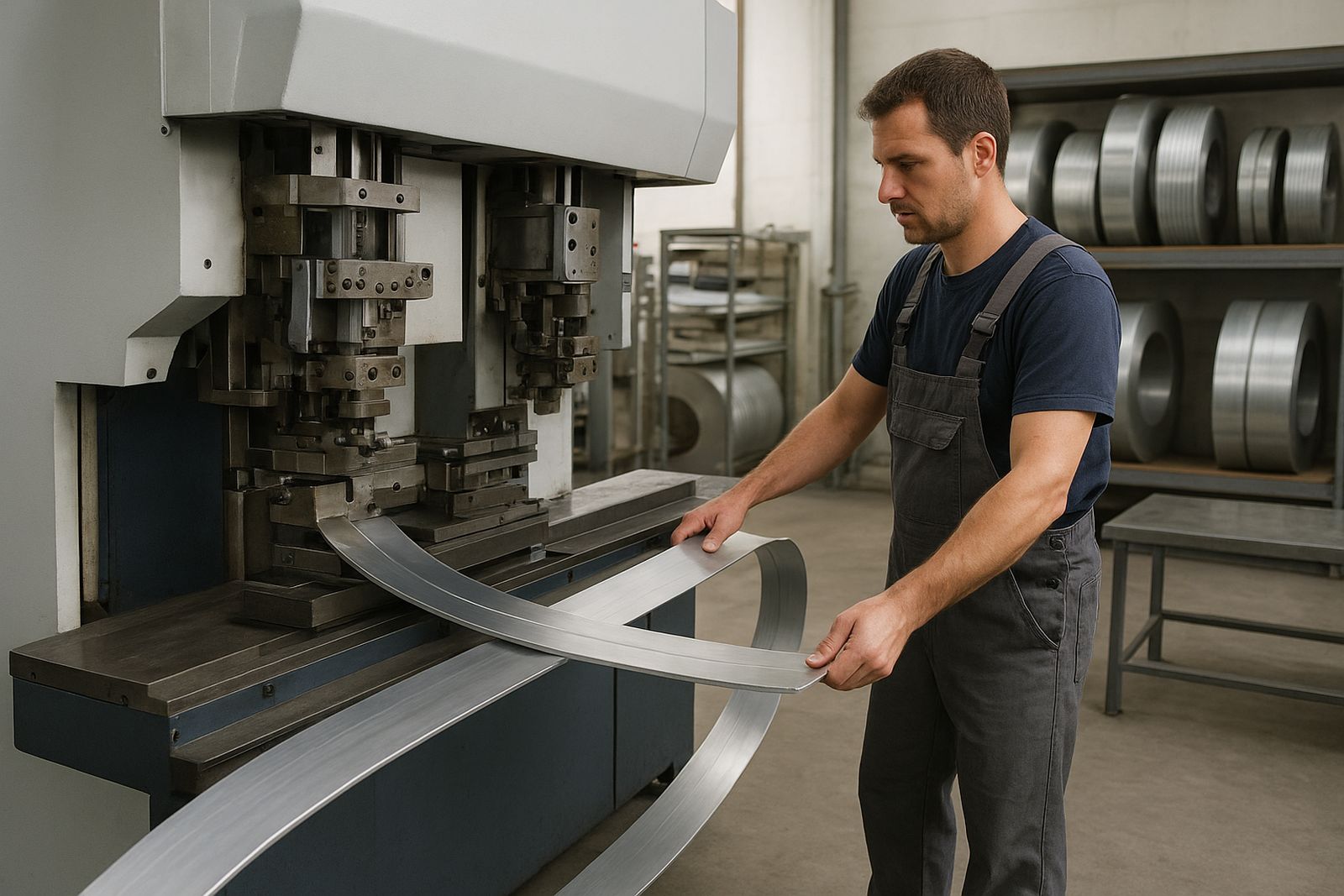
A spare roller kit is the replacement roller set used in a channel-letter bending machine to keep the feed and forming action even. When rollers wear down, pick up burrs from aluminium coil, or start leaving marks on the return, the machine can still run but the finish becomes inconsistent. That leads to extra hand work, more scrap, and slower output on jobs with tight deadlines.
This kit is suited to sign makers who run regular production of channel letters, edge returns and related profiles. It gives you a practical backup for planned servicing or a fast swap during breakdown support. In a Midrand workshop or on a site in Durban, having the correct rollers on hand can save a full day of lost production.
- Helps keep forming pressure consistent across repeat jobs
- Reduces scuffing, flat spots and uneven feed marks
- Useful for planned servicing or urgent replacements
- Suited to aluminium return forming on daily production runs
Sizes, set types and matching the right machine
Spare roller kits are supplied to suit the machine size and roller profile used on the forming head. The correct kit depends on the roller width, shaft bore, spacing and the return size you produce most often. Some workshops only need a standard replacement set for general channel work, while others keep a second set for faster changeovers during high volume runs.
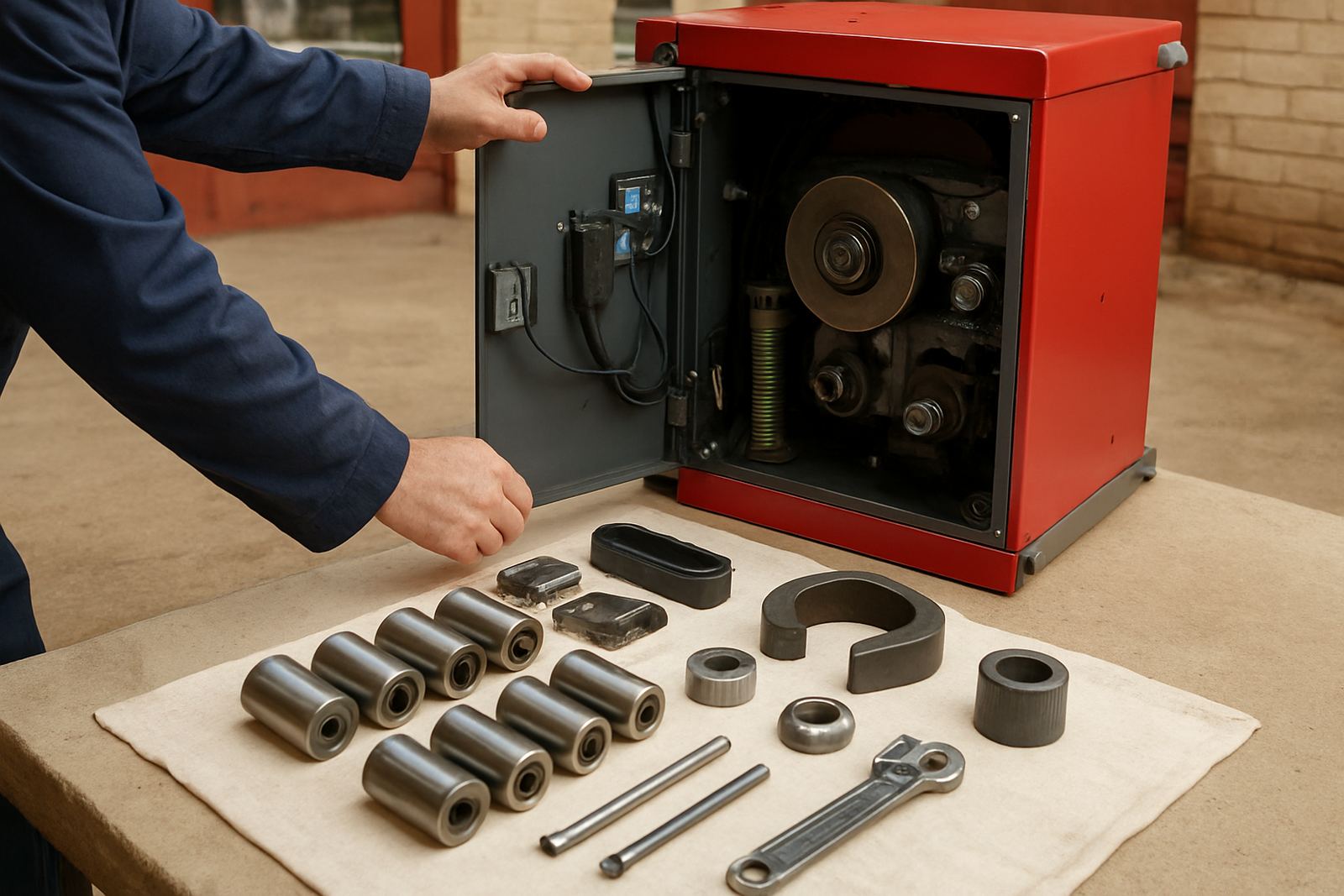
Common options include standard feed rollers, guide rollers, pressure rollers and profile rollers matched to the forming path. If you work with a mix of narrow and wider returns, or you often switch between small shopfront letters and larger fascia work, make sure the kit matches the machine model and the return range you use most. A small mismatch can cause drag, chatter, or poor edge control.
- Roller diameter and face width must match the machine setup
- Shaft bore and mounting style need to be confirmed before ordering
- Profile shape should suit the return depth you form most often
- Check whether you need a full kit or only one worn section replaced
Where this kit suits sign shops and production teams
This product suits sign makers who want to keep a forming machine productive without waiting for parts from another province. It is a good fit for small businesses producing local retail letters, and for larger manufacturers running repeated jobs for national installs. The spare kit is also helpful where power interruptions are common, because you do not want to lose time after a stoppage only to find the rollers are already tired or damaged.
In coastal areas like Durban, dust and humid air can affect moving parts faster if the machine is not cleaned and checked regularly. Inland workshops in Pretoria, Sandton, the East Rand and West Rand often see different wear patterns from constant daily use and long production shifts. A spare roller kit gives you a practical backup for all of those conditions.
- Local sign shops that need quick turnaround on repeated work
- Fabrication teams handling install schedules across Gauteng and beyond
- Workshops that keep a machine running through load-shedding interruptions
- Sites where preventive servicing is done between jobs, not after failure
Installation needs, power and workshop checks
Most spare roller kits are fitted during servicing or when the machine is safely isolated. The machine should be switched off, locked out where required, and cleaned before the old rollers are removed. In some setups the forming head can be opened and the rollers exchanged with standard workshop tools, but alignment should always be checked before production starts again.
The kit itself does not draw power or require gas. Power needs depend on the bending machine it is fitted to, so the main check is whether the machine is on a stable supply and protected against surges after load-shedding. If your workshop uses an inverter or generator backup, make sure the machine starts and runs cleanly before the first production shift. Where compressed air is used for cleaning or tooling support, keep the line dry and at the correct pressure.
- Isolate power before any roller changeover
- Clean the forming path and check for metal swarf
- Confirm roller alignment after fitting
- Test run on offcut material before full production
How to care for the rollers and extend working life
Rollers last longer when they are kept clean, dry and correctly adjusted. After production, wipe off aluminium dust and fine particles, especially if the machine has been working all day. In humid coastal conditions, a light preventative treatment on exposed surfaces can help reduce surface corrosion. Avoid over-tightening, because excess pressure can flatten the roller edges and leave marks on the return.
Preventive servicing should include a check on bearings, shaft play, fasteners and any signs of uneven wear. If the machine starts making a new noise, pulling to one side, or leaving polished bands on the material, it is time to inspect the rollers before the fault spreads to other parts. Regular training of operators helps too, because many roller problems start with poor setup, not just age.
- Clean after each shift if the machine runs daily
- Inspect for scoring, flat spots and looseness
- Keep spare fasteners and bearings with the kit where possible
- Book servicing before the kit reaches the end of its usable life
What to confirm when placing an order
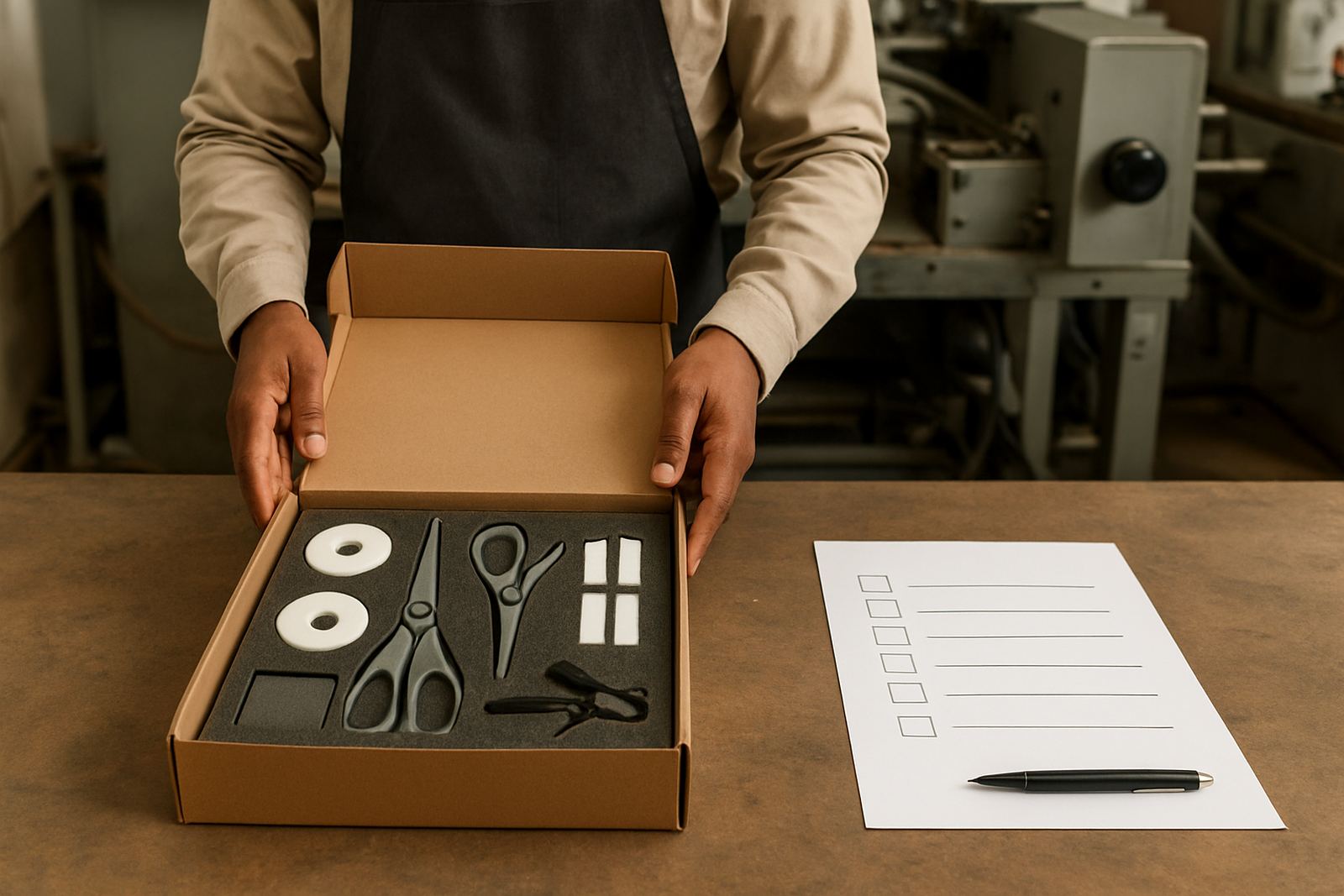
Before ordering, confirm the machine model, roller dimensions and the type of return you form most often. It also helps to send photos of the existing roller set, mounting points and any visible wear. If the machine has been modified, or if an older forming head was fitted during a previous repair, measurements matter more than assumptions.
For faster supply, have the machine serial details, the width of the coil used, and the average return size you run in production. Our team can assist with material selection, remote tech help and installation planning, whether the kit is going into a Midrand workshop or to a site elsewhere in South Africa. If needed, we can also advise on preventive servicing and refresher training so the new set is fitted and used correctly.
- Machine model and forming head type
- Roller diameter, face width and bore size
- Return size range you produce most often
- Photos of the existing set and mounting points
Key facts
| Product type | Replacement roller set for channel-letter forming machines |
|---|---|
| Use | Maintains consistent forming performance during regular production |
| Typical fit | Standard and profile roller setups, subject to machine model |
| Power or gas needs | None for the kit itself; follows the host machine requirements |
| Installation | Fitted during servicing or changeover, with alignment check needed |
| Support | Operator training, onsite commissioning, spares supply and breakdown support |