
What flat edge returns are used for
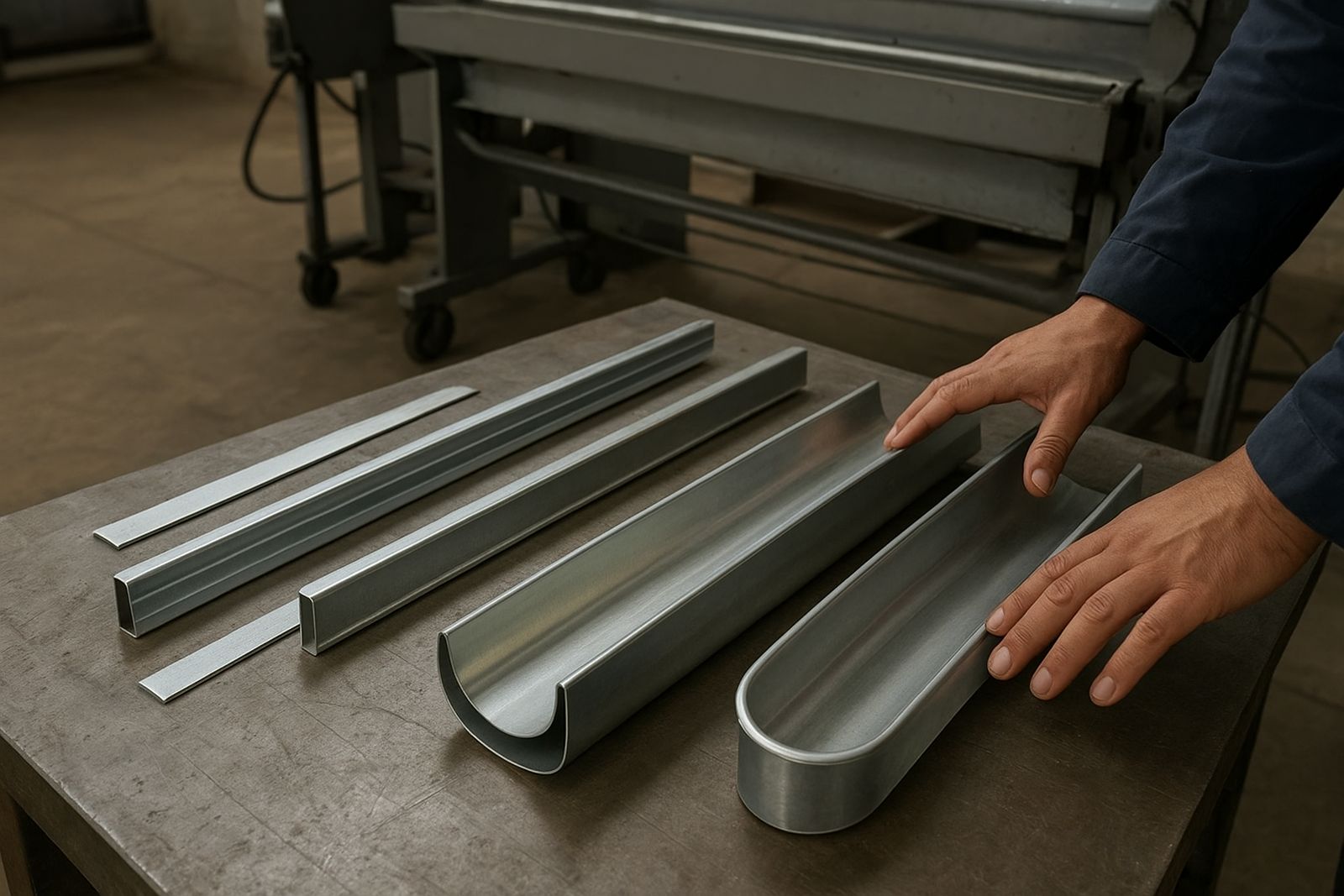
Flat edge returns are the side walls that form the depth of a channel letter. They join the face and the back of the letter, creating the visible edge that gives the sign its shape and body. In practice, this means the return material has to bend cleanly, hold its form and match the letter profile without waviness or twisting.
These returns suit illuminated and non-illuminated letters, especially where a crisp, straight sided finish is preferred. They are commonly used on shopfront names, reception signs, building fascias and estate signage. If the letter is going onto a wall in Sandton, on a retail frontage in Pretoria, or on a coastal site in Durban, the material must stay neat after handling, transport and fitting.
Flat edge returns also help when the client wants a more modern finish than a rounder profile. They make the letter read clearly from a distance and give installers a predictable edge to work with. For small production runs or larger repeat jobs, that consistency can save time on trimming and rework.
Sizes, finishes and practical options
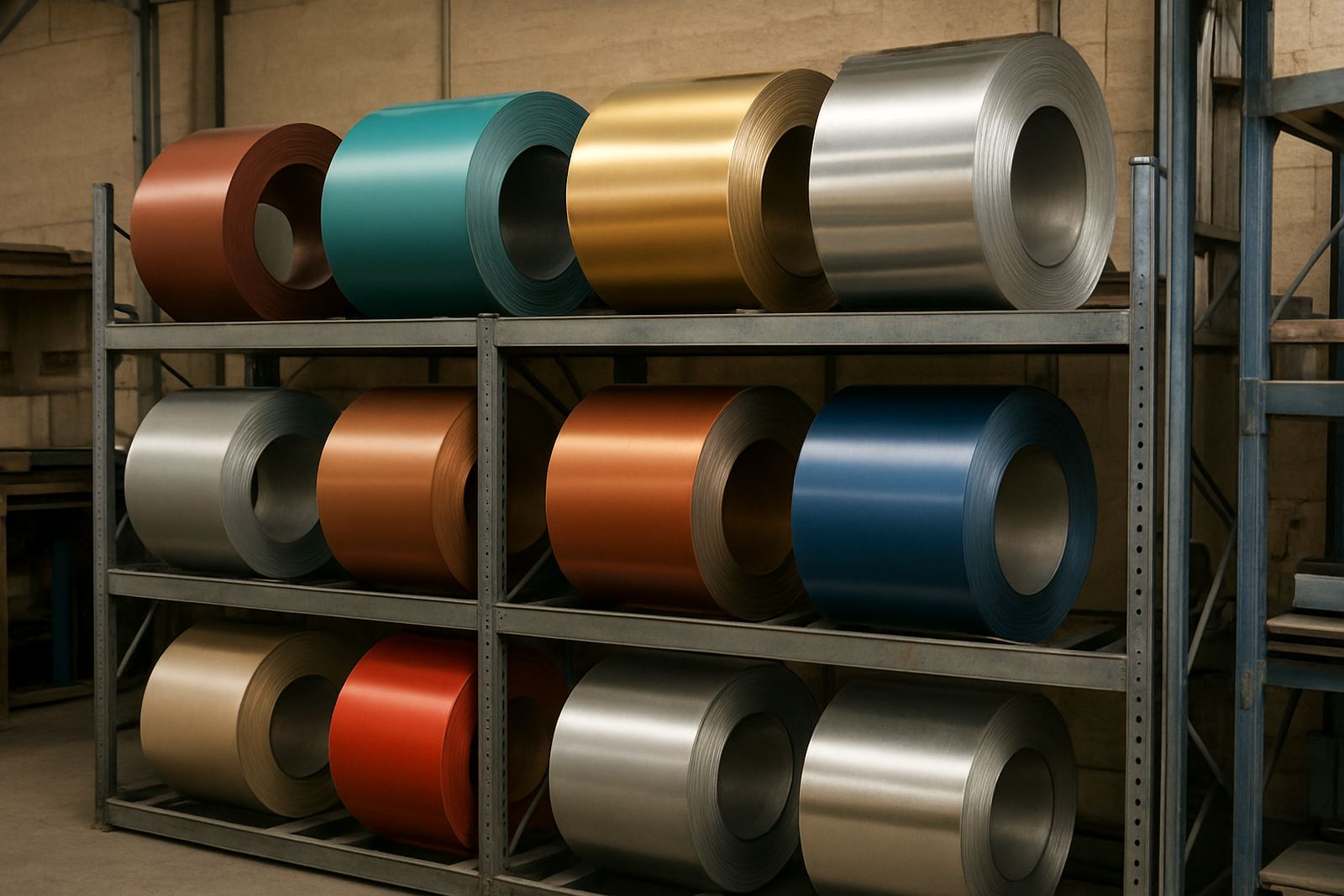
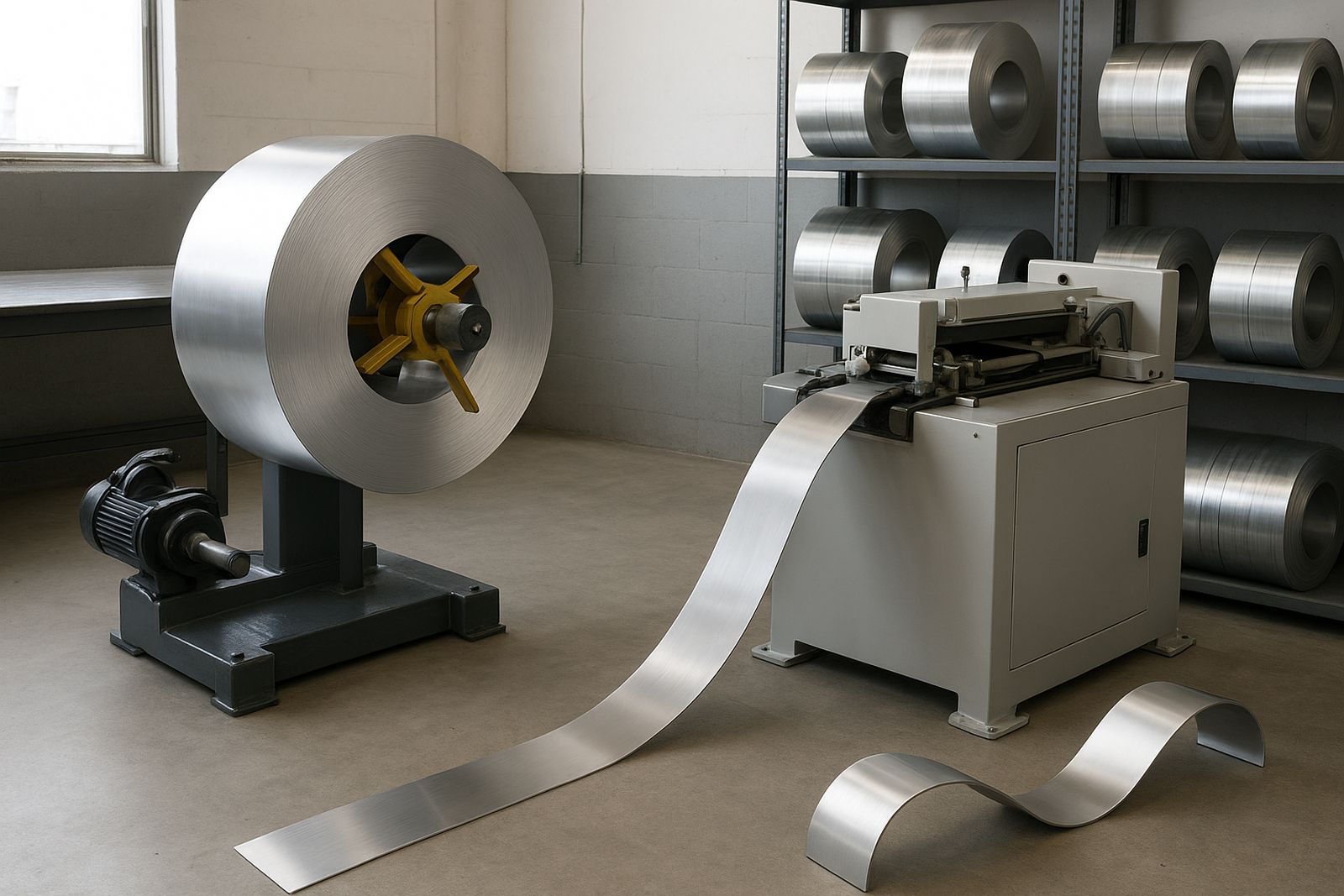
Flat edge return material is normally supplied in coil form for use with channel-letter bending machines. The key size choices are width, thickness and finish. Width needs to match the channel depth you are building, while thickness must give enough stiffness without making the bend too difficult. Most sign shops keep more than one size on hand because a 50 mm letter on a fascia and a 150 mm high logo on a pylon will not use the same return spec.
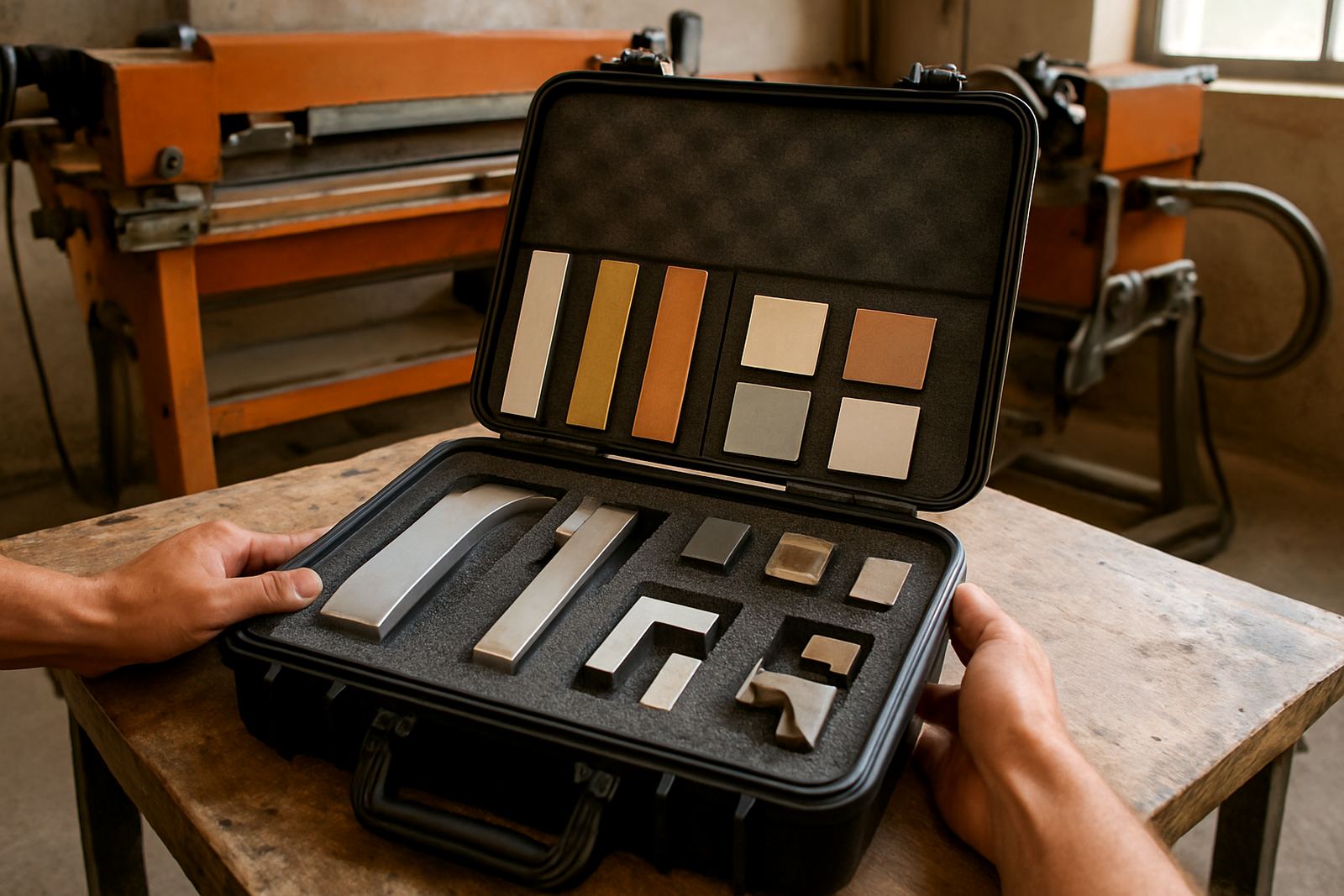
Common options include plain aluminium finishes for general production, and coated or coloured finishes where the edge must match the face or internal branding. For coastal jobs, a finish that stands up better to humidity and salt air is worth considering. In Midrand, where many producers run mixed batches all week, it helps to stock the standard sizes used for day-to-day manufacturing and keep special colours for ordered work.
- Standard widths for common channel depths
- Coil supply for machine feeding and batch production
- Lightweight material for cleaner handling on site
- Finish options to suit exposed or enclosed installs
- Suitable for straight runs and formed letter shapes
Where flat edge returns suit best
These returns are a strong choice for lettering that needs a sharp outline and controlled depth. They work well on retail signage, office branding, forecourt displays, medical suites, industrial parks and municipal or institutional signage. When the client wants a neat line from every viewing angle, flat edge returns help the sign hold its shape visually.
They are especially useful on projects where the letter faces are large enough to show the side profile clearly. On a high fascia in East Rand or a roadside sign in West Rand, the clean edge reads better in daylight and under LED illumination after dark. They also suit sign makers who do repeat work for franchises, because the return profile is easier to keep consistent across multiple branches.
Flat edge returns can be used with acrylic faces, aluminium backs and other common sign assemblies. The main thing is to match the return profile to the letter design and the fixing method. If the letter is to be installed outdoors, think ahead about wind load, corrosion resistance and access for future repair, because a nice sign that is hard to service soon becomes a headache.
Installation, power and gas requirements
Flat edge returns themselves do not need power or gas. They are a material product, but they are usually installed as part of a channel letter process that may involve bending, trimming, fixing and sealing. For production, the main requirement is a suitable bending machine, clean work space, measuring tools and enough bench space to handle the coil without marking it.
On site, installers should plan for safe lifting, access equipment where needed and enough time to align the letters before final fixing. If the letters are illuminated, then wiring and power planning must be done separately, with access for maintenance in mind. In many South African installs, the real issue is not the return material itself but the site conditions: uneven walls, heat, dust, and the need to finish before trading hours start.
- No gas supply needed for the return material
- No direct electrical connection required for the material itself
- Use correct fixings for the wall type and sign weight
- Allow access for lighting, wiring and future servicing
- Check that the letter depth suits the chosen return width
Care, storage and servicing on the shop floor
Good handling starts in the store room. Keep return coils dry, off the floor and away from grit that can scratch the finish. In humid areas like Durban, it is smart to avoid leaving open stock near damp walls or unventilated loading bays. Even in inland towns, dust and metal offcuts can damage a finish before the material ever reaches the machine.
During production, check the feed path on the bending machine and keep rollers clean so the return stays true. A small burr or dirt line can throw off a bend and create waste, especially on finer lettering. If the workshop runs through load-shedding periods, protect stock from sudden stoppages and make sure partially processed coils are secured properly, not left under tension.
Servicing usually means checking the finished letter for edge consistency, adhesive or fixing alignment, and any points where the profile may have been stressed during transport. If a sign is installed near the coast or in a high traffic retail area, it is worth adding routine inspection to the maintenance plan. A quick monthly check can catch loose sections before the client notices.
What to check before placing an order
Before ordering flat edge returns, confirm the exact channel depth, finish and quantity required. Many delays come from a simple mismatch between the machine setup and the letter design. A 20 mm difference may sound small, but on a full sign it can mean rework, wasted material and extra labour. Check the face size, the intended font style and whether the letters need internal lighting or a solid backed build.
It also helps to confirm the install environment. Indoor reception signs and outdoor roadside signs do not have the same demands. Ask whether the job is going into a dry interior space, a shopping centre with controlled conditions, or an exposed site where wind and weather will matter. If the letters are going to be fitted in Pretoria or Midrand and then transported to another province, packaging becomes part of the spec as well.
- Letter depth and profile
- Required finish or colour match
- Quantity, repeat order needs and spare allowance
- Indoor or outdoor exposure
- Machine compatibility and bend radius
- Installation date and transport distance
Key facts
| Product type | Flat edge return material for channel letters |
|---|---|
| Supply format | Coils for machine-fed production |
| Common use | Side walls for illuminated and non-illuminated letters |
| Finish options | Plain and coated finishes, depending on order |
| Power or gas needed | No power or gas required for the material itself |
| Typical application | Shopfronts, fascias, pylon lettering and interior branding |