
What the Starter Consumables Pack covers
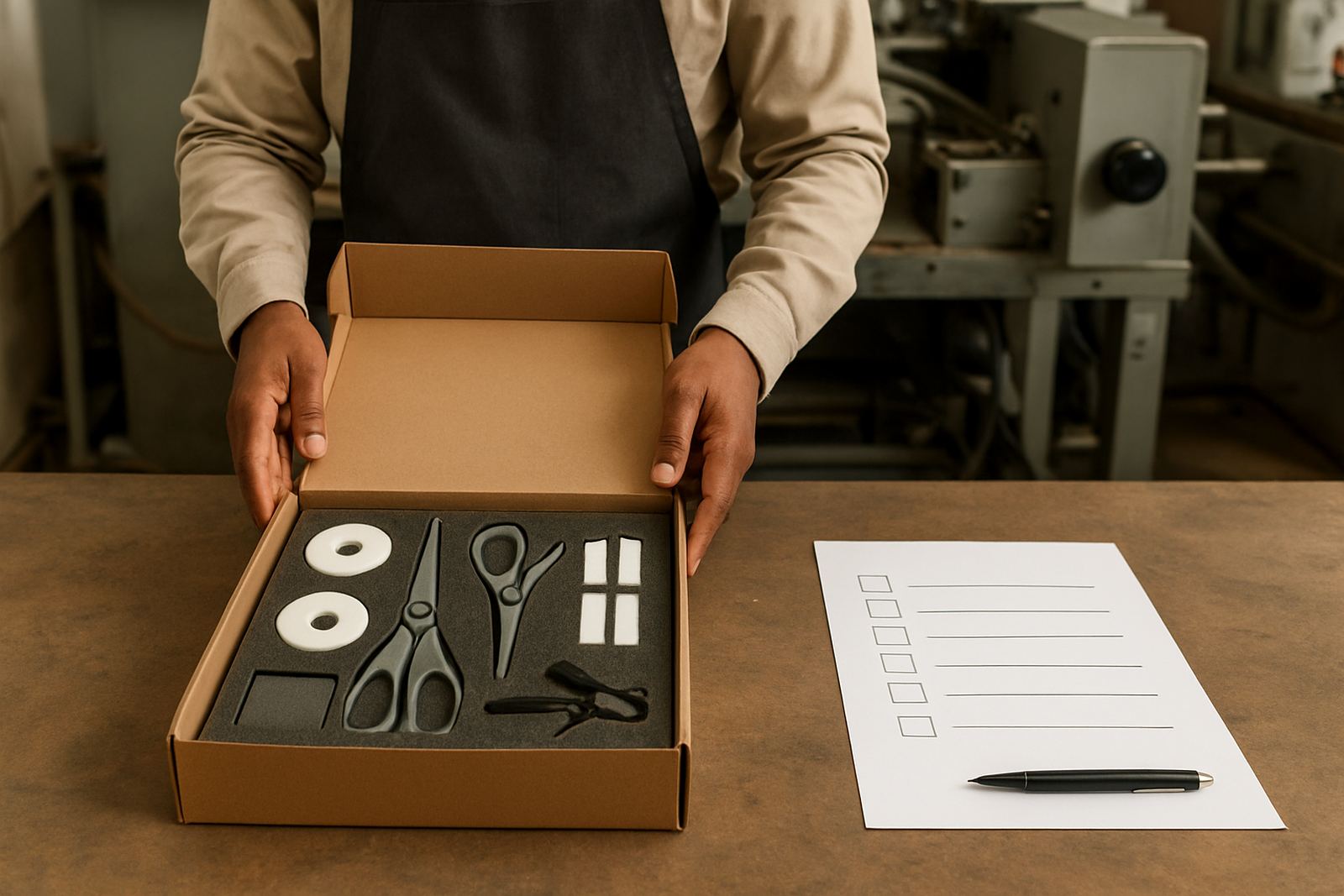
This pack is put together for the early stage of machine ownership, when the first jobs are coming in and you need the basics on hand. It supports the main bending process, helps reduce stoppages during setup and gives your operators the right items for clean, repeatable work.
It is suited to shops producing channel letters for shopfronts, lightboxes, corporate branding and estate signage. If you are setting up in Midrand, Pretoria, Sandton or the East Rand, it is a practical way to keep the line moving while you settle into production and training. The pack is also useful for coastal work in Durban where humidity can affect storage and handling if consumables are left open.
- Setup consumables for first production runs
- Parts commonly used during bending and finishing
- Suitable for small workshops and larger signage operations
- Helps reduce unplanned downtime during commissioning
Sizes and options for different production volumes
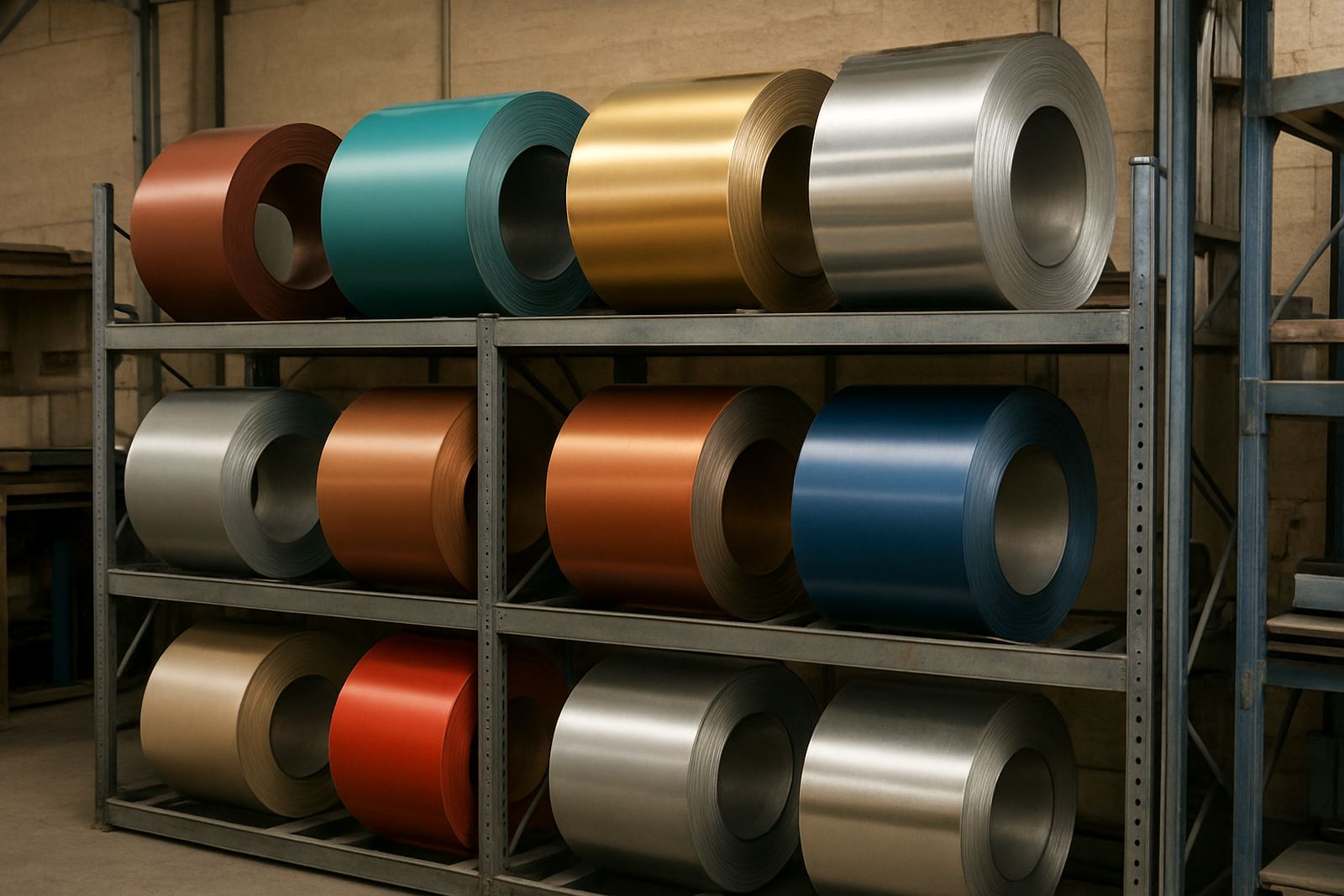
The pack can be matched to your machine width, the profile sizes you run most often and the amount of weekly output you expect. A smaller shop may only need enough stock to cover the first few jobs, while a high-volume manufacturer will want a larger allowance so production does not stop over a missing coil, return or fastening item.
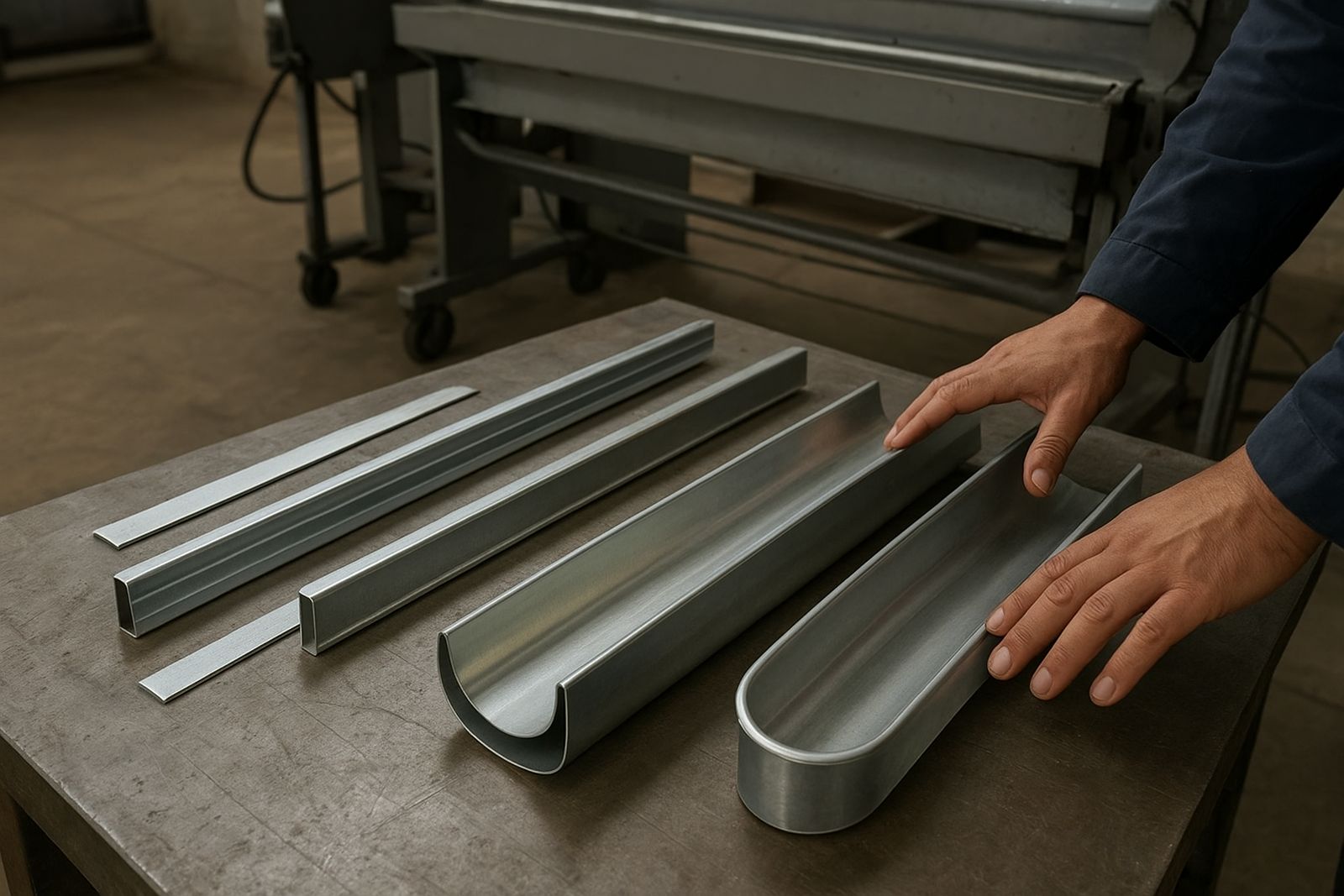
Typical options include standard channel-letter consumables for compact letters as well as wider material for larger face depths and deeper returns. Common working sizes are 10 mm, 15 mm, 20 mm and 25 mm profiles, with supply arranged to suit the sign type you are producing. If your work includes mixed aluminium and acrylic jobs, it is worth checking what your daily mix looks like before ordering.
- Small pack for starter workshops and pilot production
- Medium pack for steady daily output
- Extended pack for multi-shift or contract work
- Profile sizing matched to your most used letter depth
Where it suits best in real workshop conditions
This product suits sign makers who want a cleaner start-up process, especially when the machine has just been installed and the team is still learning the settings. It works well in new production spaces, satellite branches and businesses that handle both installation and in-house fabrication. For teams travelling between Midrand, the West Rand and Durban, having the right consumables ready at base saves time on the road.
It is especially helpful where municipal timelines are tight and jobs have to go out quickly. If you are building signs for retail parks, schools, warehouses or office parks, the right stock on hand means fewer delays between cutting, bending and final assembly. That matters when load-shedding, courier lead times or weather can already slow the day down.
- New machine commissioning sites
- Busy sign fabrication workshops
- Branches handling mixed client work
- Teams needing quick material top-up between jobs
Installation and power needs around first use
The pack itself does not need a separate power source, but it should be used alongside a properly installed machine with stable supply and a tidy work area. For first use, the machine should be level, the feed path clear and the operator trained on the correct sequence for loading material, checking alignment and confirming the profile depth before production starts.
In South African workshops, power quality matters. If your site sees load-shedding, voltage dips or generator changeover, keep your equipment protected with the right electrical setup and do not run first tests on an unstable supply. Make sure air supply, if required by your machine setup, is dry and filtered. Where a job has a tight deadline, a short commissioning check on site can prevent wasted material and rework.
- Use on a level, clear production floor
- Keep power protected against dips and outages
- Check air supply only if your setup requires it
- Confirm operator training before the first production run
Care, storage and servicing between orders
Consumables last longer when they are stored dry, closed and off the floor. In coastal areas, moisture can shorten shelf life if coils or returns are left open, so keep stock sealed and away from direct weather exposure. In inland workshops, dust and offcuts are the main problem, so a tidy storage point near the machine helps operators find the right part quickly.
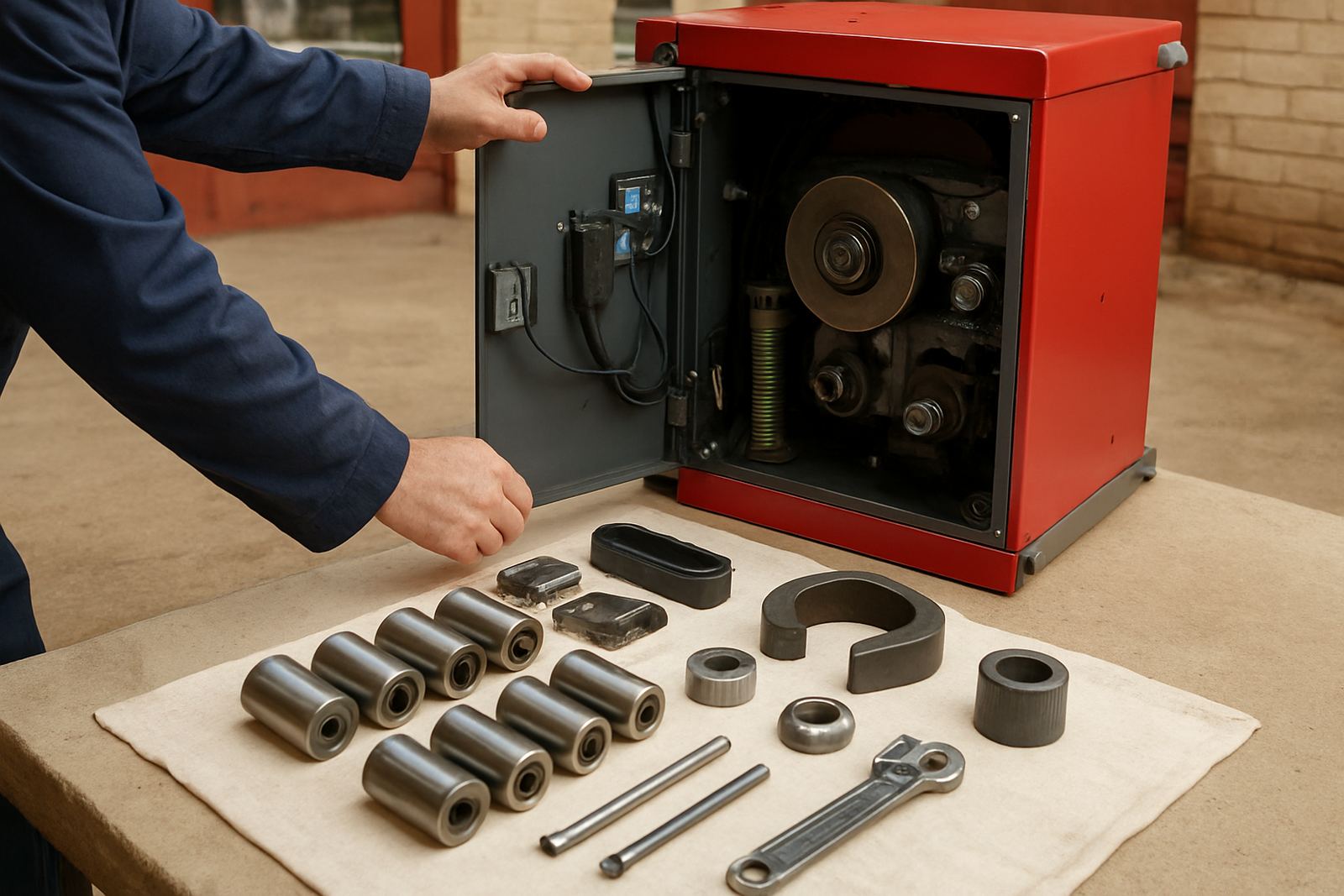
Routine care is simple: inspect stock before use, check for dents or kinks, and keep record of what sizes run out fastest. During preventive servicing, it helps to review the wear pattern on the machine and match ordering to actual usage. That way you do not overbuy one size while the busy size keeps running short.
- Store in a dry area with the pack sealed
- Keep away from floor moisture and workshop dust
- Track fast-moving sizes for future orders
- Review wear during regular machine servicing
Checks to make before ordering corner tooling
Before ordering, confirm the machine model, the return depth you use most often and the finish you need for your sign work. It also helps to know whether you are running standard shopfront letters, deeper illuminated letters or mixed production with different profiles in the same week. If your team is still new, ask for guidance on the most suitable consumable mix before the pack is sent out.
Check whether you need only a starter stock or a larger supply for the first month of work. For installations outside Midrand, also confirm delivery point, offload access and who will receive the materials on site. If the order must support an urgent handover, add any training or remote tech help at the same time so your team can start with fewer delays.
- Confirm machine model and profile requirements
- Check letter depth and return sizes used most often
- Decide whether you need starter or extended stock
- Confirm delivery details and receiving contact
Key facts
| Product type | Starter consumables bundle for channel-letter production |
|---|---|
| Typical profile sizes | 10 mm, 15 mm, 20 mm and 25 mm options |
| Use case | First production runs, setup and workshop stock |
| Suitable operations | Small sign shops, factories and multi-branch installers |
| Storage | Dry indoor storage, sealed and off the floor |
| Support available | Training, commissioning, servicing and remote help |