
Start with the signs you make most often
Before you look at footprint or price, write down the type of work that fills your week. A shop doing small shopfront letters for retail centres in Sandton will need a different setup to a team handling large roadside signage in Pretoria or Durban. The more varied your work, the more useful it is to choose a machine that can handle common sizes without constant manual adjustment.
Think about the typical letter height, return depth and the materials you use most. If you mostly make 100 mm to 300 mm letters, a smaller machine may be enough. If you often produce oversized letters or repeat orders for multiple branches, extra working length can save time and reduce handling. It also helps if you know whether your team works from one file at a time or stacks jobs through the week.
Measure the workshop space properly
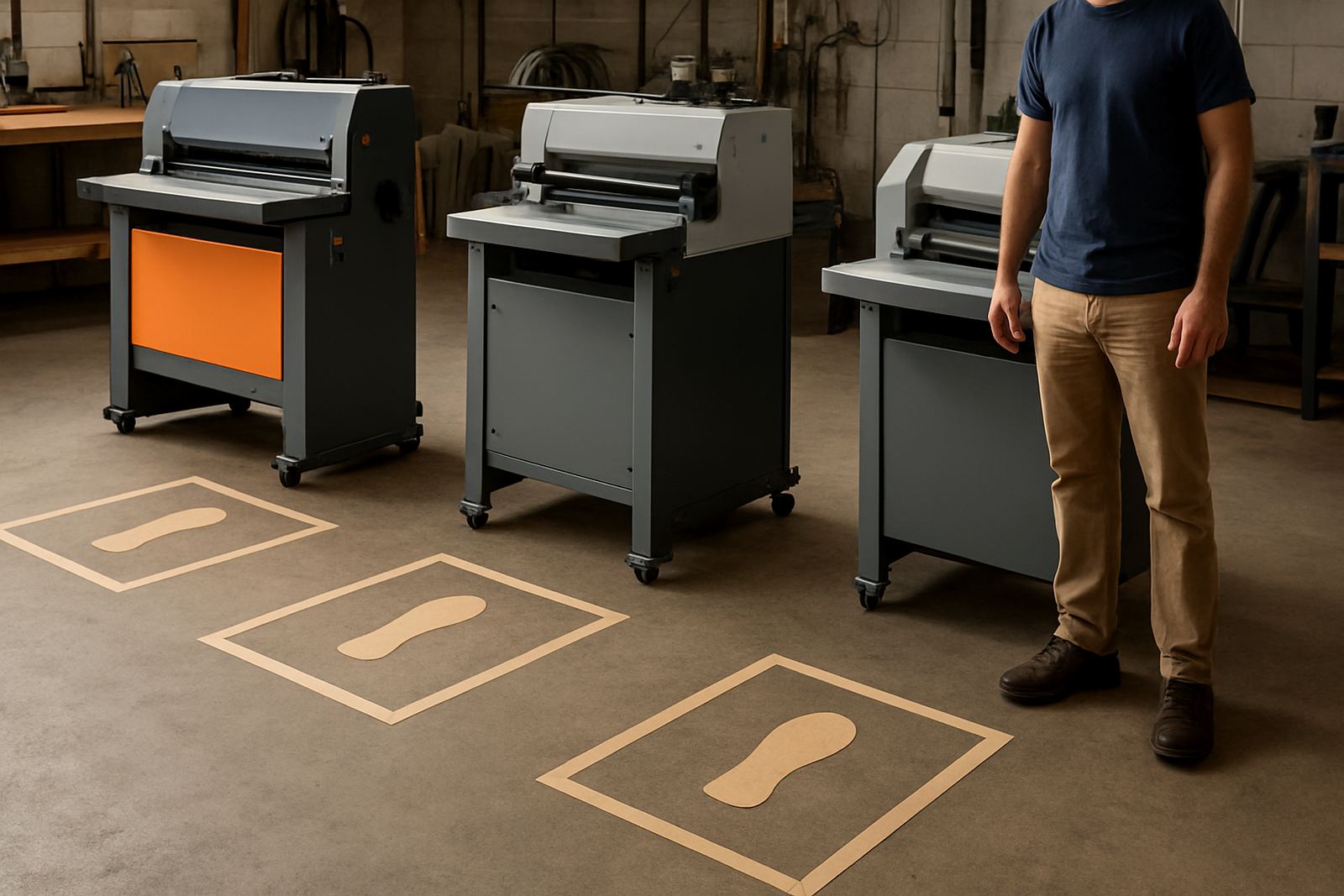
Machine size is not only about the bed or bending range. You also need space for coils, return strips, tools, offcuts and safe movement around the unit. In a Midrand or East Rand workshop where floor space is tight, a compact machine can make loading easier and keep the work area safer during busy shifts.
Measure the full area, not just the spot where the machine will stand. Leave room for front access, side loading and maintenance. If the area is shared with cutting, finishing or packing, make sure the machine does not block material flow. In humid coastal areas like Durban, it is worth planning a dry, covered position for coils and electrical parts too.
- Measure length, width and ceiling height before you choose a machine
- Check door widths, roller shutter clearance and the route into the workshop
- Allow space for coils, returns, finished letters and packing tables
- Keep enough walking room for two people to work safely around the unit
Match the size to your daily output
Output matters just as much as space. A smaller machine may handle the job, but it can slow down production if you are running several signs a day. If you service contractors, malls or property groups, think about volume over a full week not just a single urgent order. A machine that suits a steady production line will usually give better value than one chosen only for the biggest job you have done.
Ask how many letters you need to finish in a normal day, and whether your team works one shift or more. If load-shedding affects your area, factor in restart time and the cost of stopping mid-job. In some workshops a slightly smaller machine with simpler setup is easier to manage on backup power, especially when jobs need to keep moving.
- Low volume: occasional jobs, small team, limited floor space
- Medium volume: regular weekly output, mixed letter sizes, one or two operators
- High volume: repeat production, tight deadlines, multiple staff members
- Peak periods: seasonal rushes, rollout work, franchise signage, re-orders
Check the materials you plan to bend and feed
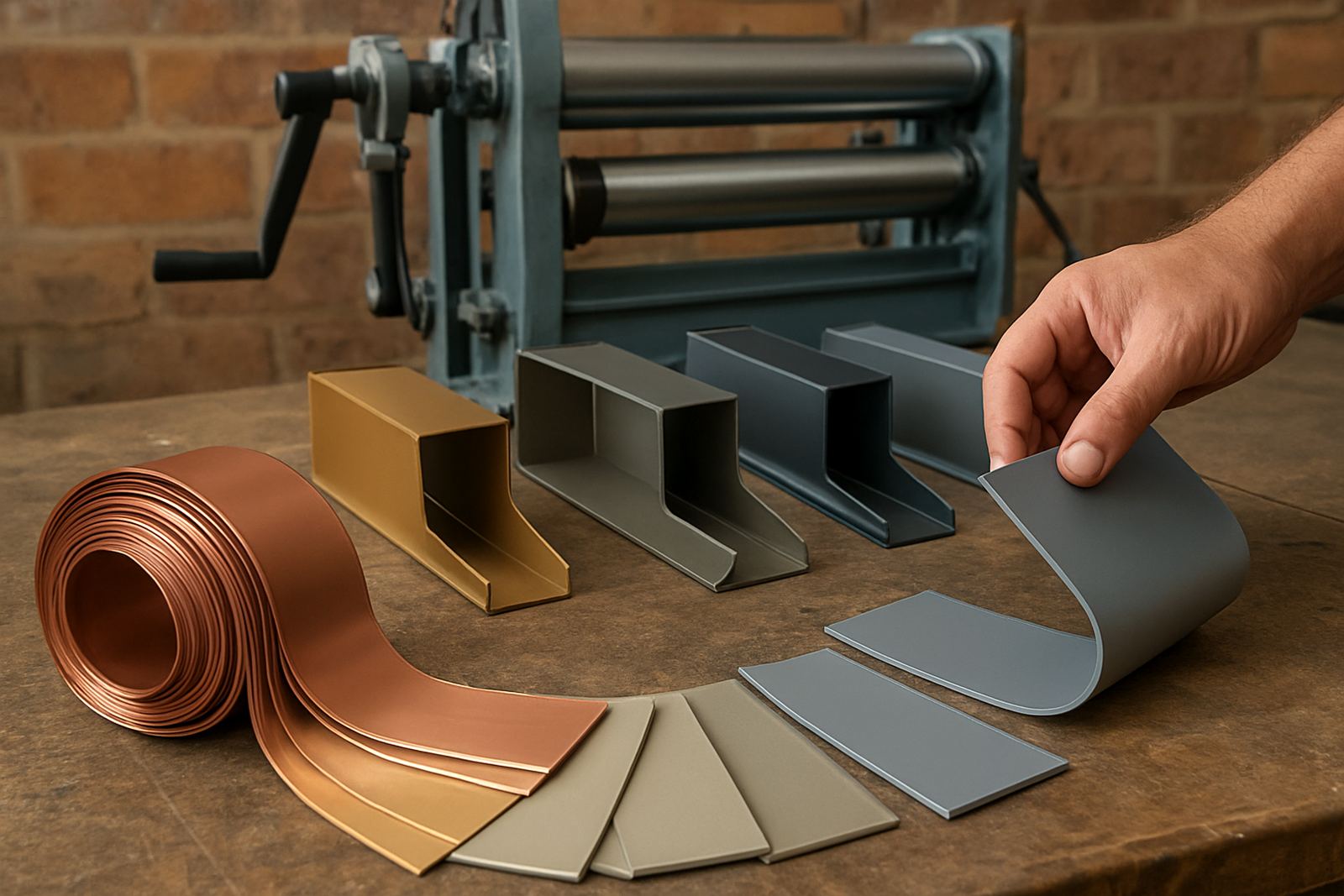
Machine size should suit the coils and return material you use most often. Some workshops work mainly with lighter gauge material for indoor signs, while others need thicker returns for outdoor signage exposed to wind and rain. A machine that is too small for your common material can slow feeding and give you poor consistency on longer runs.
Also check how often you change material widths. If you switch between narrow letters and larger profiles, choose a size that gives you some extra capacity. It is better to have a bit of headroom than to find the machine is at its limit when the job sheet lands. That said, do not pay for more size than you will use, because unused capacity ties up cash that could go into spares or training.
Plan for power, servicing and support
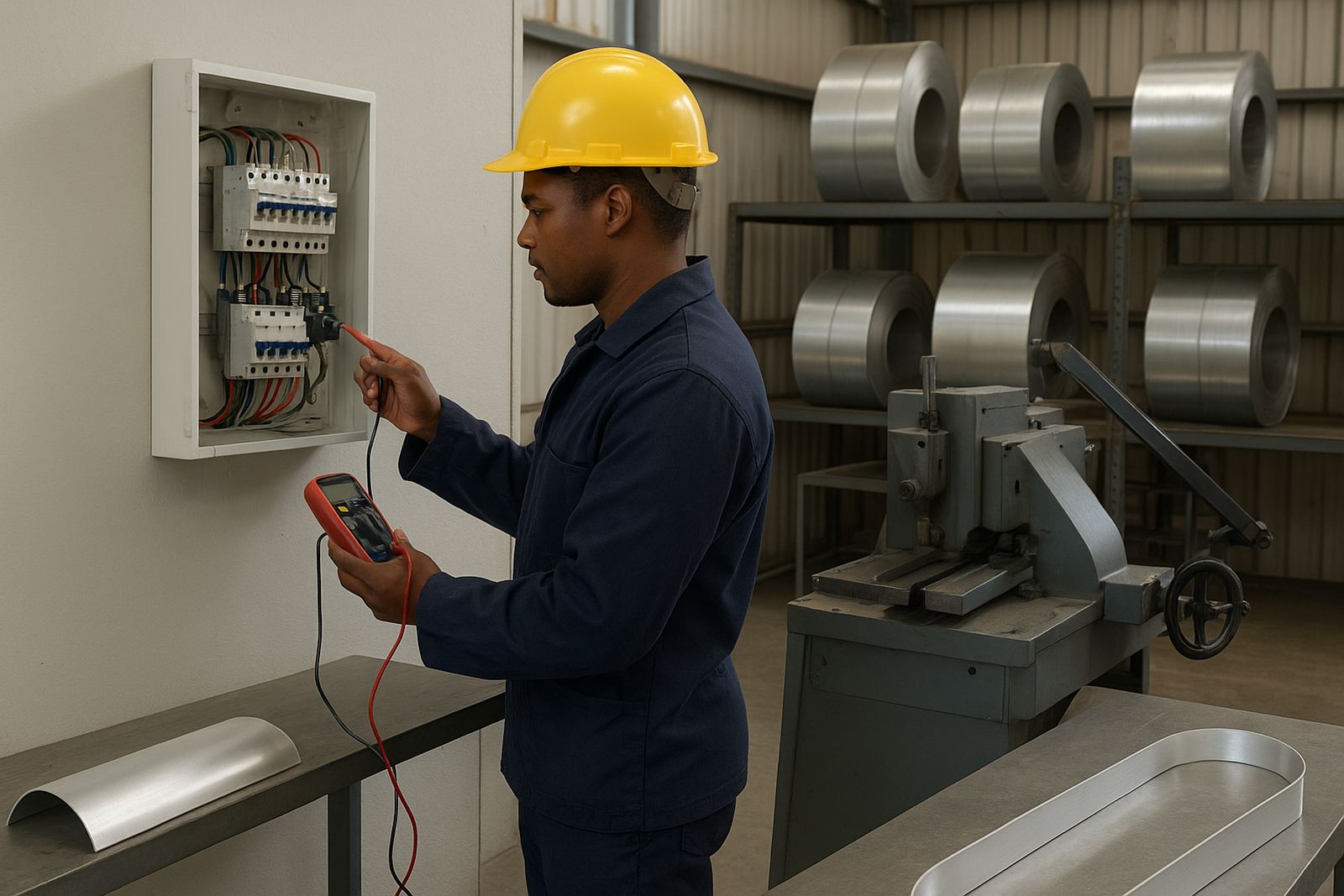
In South Africa, machine planning must include electricity, service access and support availability. If your site experiences voltage dips or frequent outages, ask how the machine fits into your backup power plan. A unit that is easy to isolate, restart and keep clean will save time when the power returns. Keep spare fuses, belts and common wear parts on hand where possible.
Regular servicing is also easier on a machine that leaves enough access around the working parts. If technicians need to reach key components quickly, breakdown support becomes faster and less disruptive. For businesses in Pretoria, West Rand and surrounding industrial areas, that can mean the difference between losing half a day and getting back into production before lunch.
- Check what power supply the workshop can handle comfortably
- Ask how easy it is to clean, inspect and service the machine
- Keep a list of common spares and consumables on site
- Plan who will handle training, fault reporting and routine checks
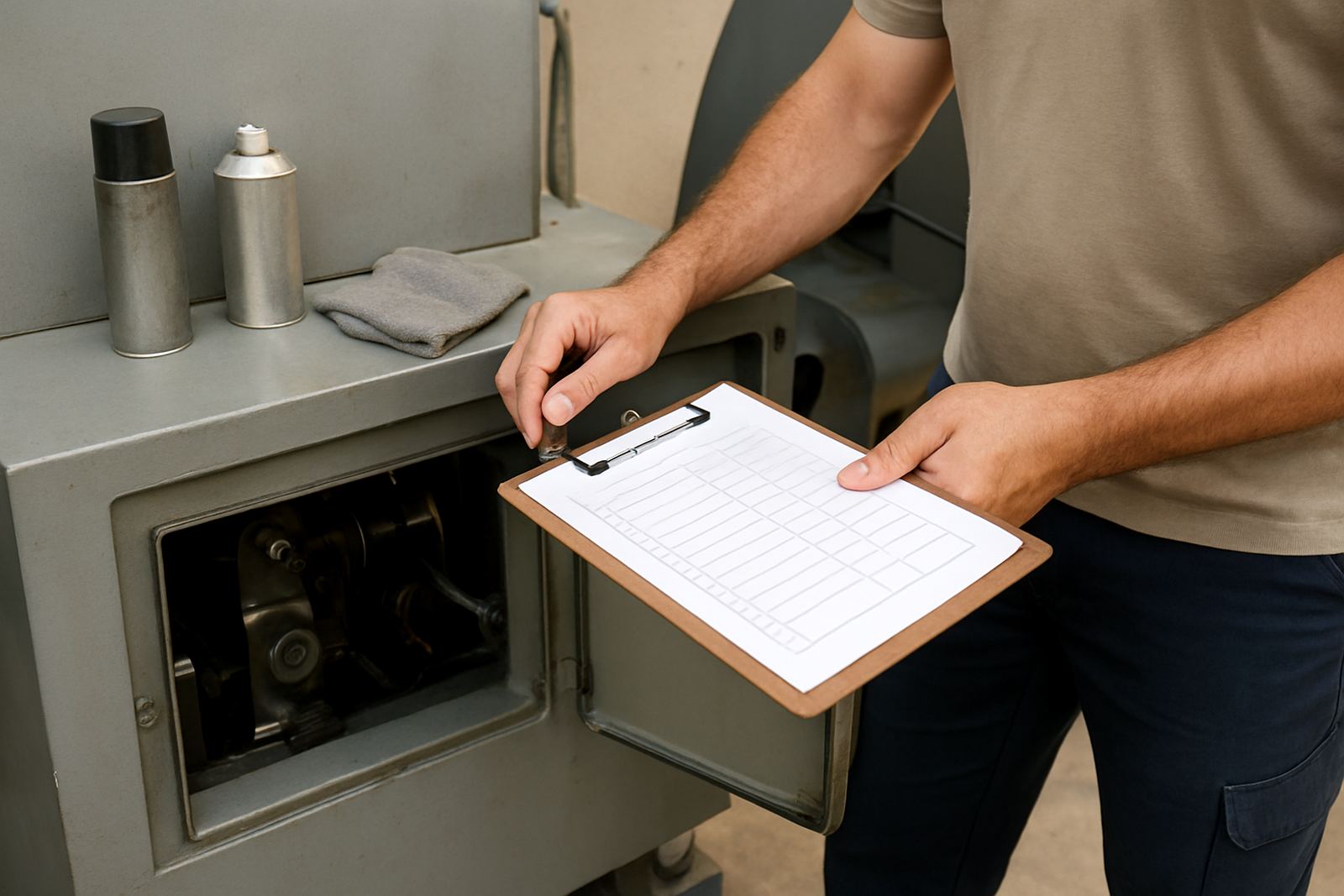
Use a simple buy checklist before you decide
When two machine sizes look close, use a checklist to compare them properly. The best choice is usually the one that fits your space, your staff and your normal production pattern. It should also leave enough room for growth, but not so much that the machine sits underused for months at a time. A careful comparison now can save a lot of frustration later on.
Before you place an order, make sure your team has answered these points:
- What is our most common letter height and return depth?
- Will the machine fit through the access route into the workshop?
- Can we run it safely during load-shedding or with backup power?
- Do we have enough trained staff to use it properly from day one?
- Will our current material stock suit the machine size we are choosing?
If you still have two options after that, choose the one that gives you easier movement, simpler loading and a little extra working room. A machine that is too tight will slow the whole shop down, even if it looked fine on paper. That is where a good size choice pays for itself.