
Start with the sign’s finish and the customer’s environment
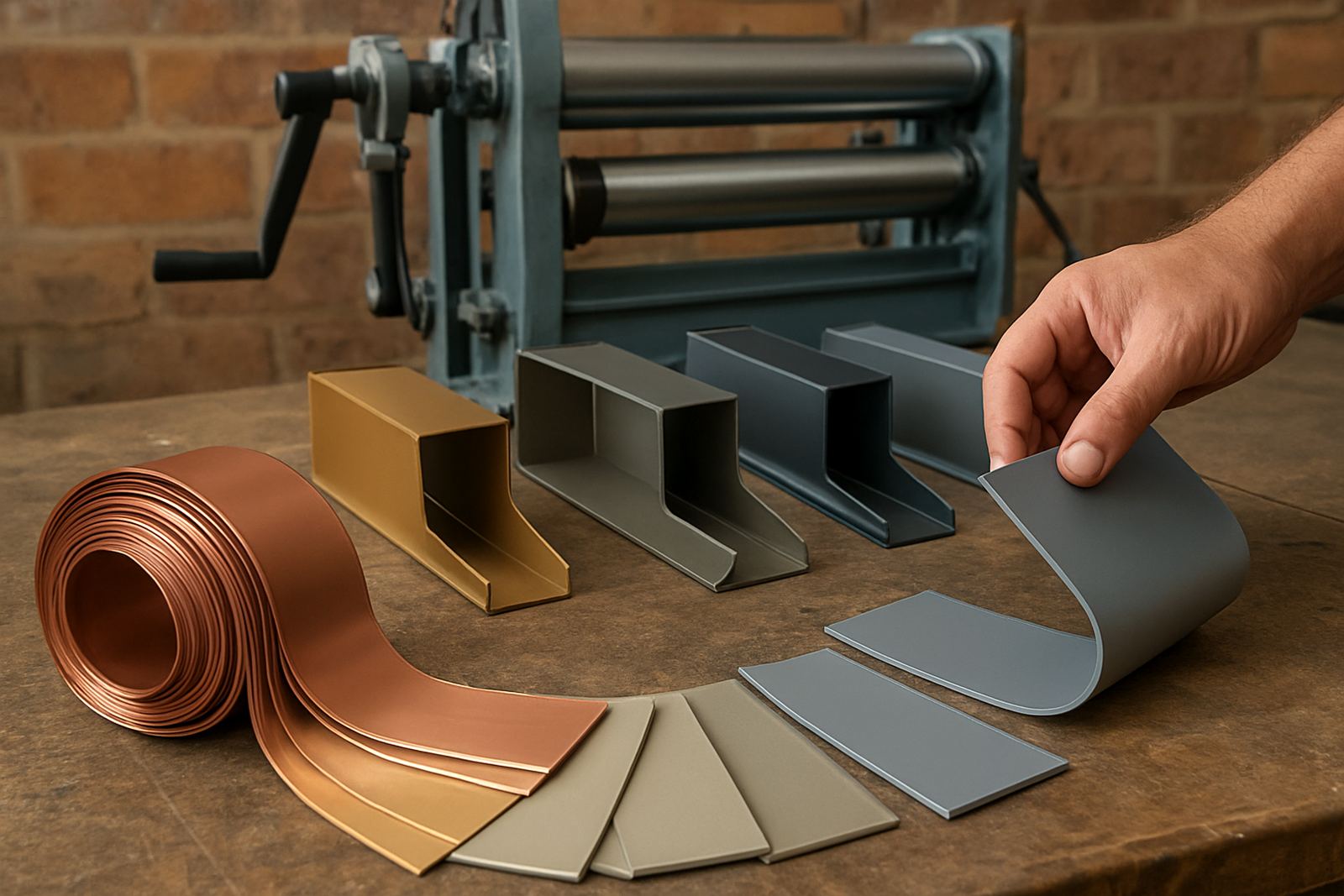
Return coils are not chosen on price alone. The finish has to suit the face material, the front illumination and where the sign will be fitted. A retail sign in Sandton that needs a clean brushed look will not be spec'd the same way as an outdoor sign in Durban where coastal humidity and salt air can affect long term appearance.
For indoor work, a standard painted or plain metallic finish is often enough. For outdoor signs, pay attention to corrosion resistance, surface consistency and whether the colour must stay stable under strong sun. If the sign is going onto a building near the coast, use a finish that can handle moisture and keep the production edges neat, because poor return edges show up fast in daylight. In Midrand and Pretoria we also see many signs exposed to dust and heat, so the finish should hold its shape without marking or warping during forming.
Match coil width and depth to the letter size
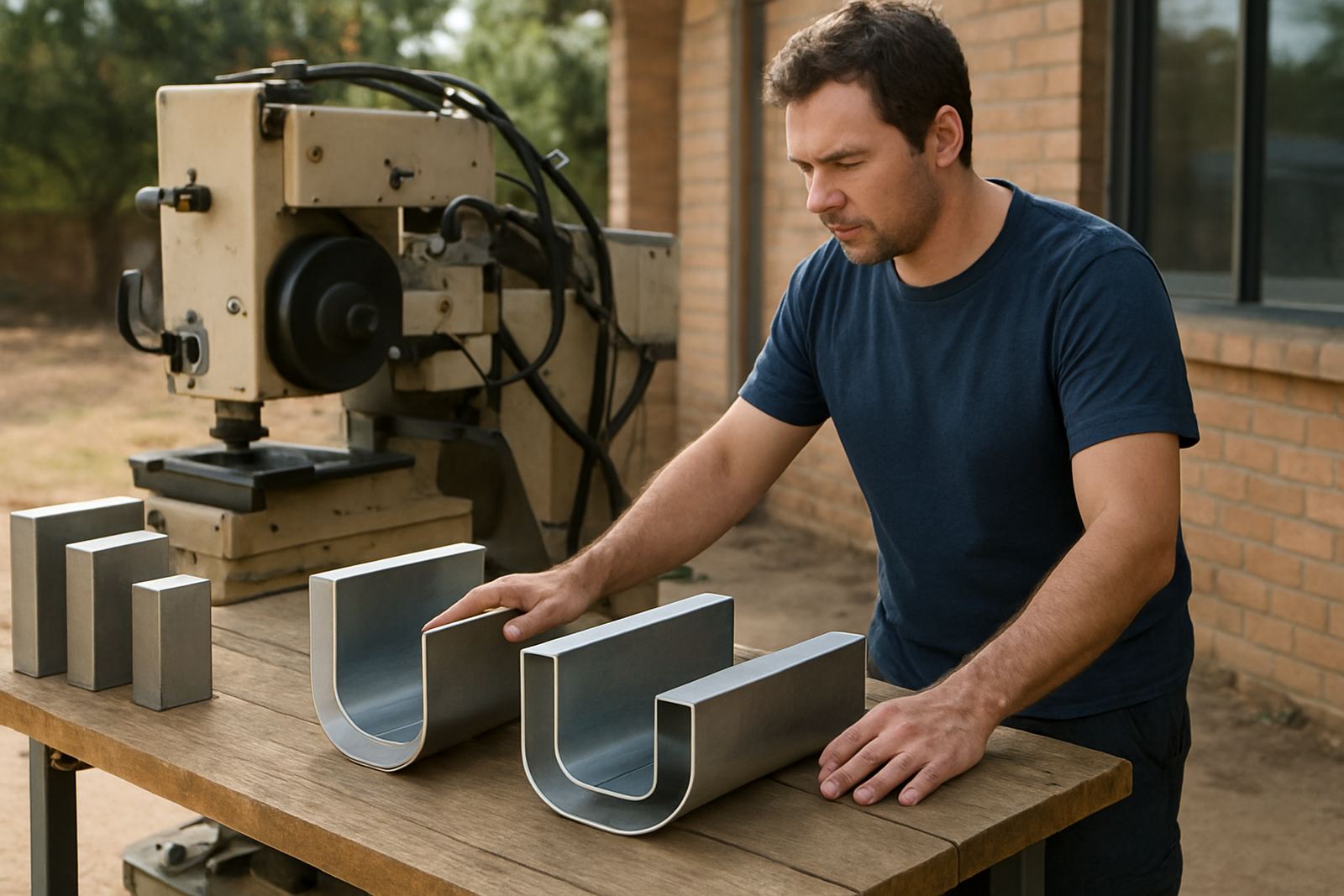
The first technical check is simple: will the coil produce the return depth you need for the letter? Measure the side depth from the face to the back, then allow for the bend radius and fixing method. A return that is too shallow can leave no room for lighting components, fasteners or a strong fixing edge. One that is too deep can make the sign look heavy and use more material than needed.
- Measure the finished letter depth in millimetres.
- Allow space for the fold and corner joints.
- Check whether the return must sit inside a tray or over a frame.
- Confirm the coil width matches the cutter and bending machine settings.
- Keep a note of your common job sizes for faster repeat ordering.
For small shopfront lettering, lighter gauge material can be easier to form. For large roadside signs, a stiffer coil may be better because it keeps its line over longer runs. If your team does mixed production, standardise the common widths so operators do not keep changing settings between jobs.
Choose the finish by production method, not only by colour
Your production method should guide the coil choice. Machine bending, manual forming and hybrid fabrication all place different demands on the material. A coil that feeds well through a bending machine may still crack at tight corners if the finish is too brittle or the material is too stiff for the profile.
If you are running short runs and same-day work, a coil that bends consistently can save a lot of set-up time. For batch work, repeatable feed and stable thickness matter more than having many finish options. Operators need material that behaves the same from one coil to the next, otherwise the return line moves and the front face starts to show gaps. That causes rework and slows the whole shop down.
Use a test piece before full production whenever you change finish, thickness or supplier. A quick bend test can show scuffing, spring-back and whether the corners close properly. Its better to lose one sample than an entire run.
Check these points before you place the order
A coil order should be tied to the job list, not guessed from stock on hand. Before you commit, confirm the details below with your production team and installer. This avoids site delays and those awkward extra trips to fetch the right material.
- Letter depth and overall sign size
- Indoor or outdoor location
- Coastal, industrial or high-dust exposure
- Manual or machine bending process
- Desired surface finish and colour consistency
- Stock holding for repeat jobs and emergency replacements
- Installation date and site access
In Johannesburg and the East Rand we often see jobs that are ready in the workshop but waiting on the wrong return stock. A short checklist at ordering stage keeps the job moving and helps the team plan around load-shedding as well.
Plan for machine settings, waste and operator training
Even good material can give poor results if the machine setup is wrong. Make sure the operator knows the feed tension, blade condition and bend profile needed for the chosen coil. A tight setting can mark the finish, while a loose setting can let the strip wander and waste metres of material.
Keep a job card for each common profile with the settings that worked best. Record the coil type, bend speed and any issues on the first run. This makes later jobs faster and helps new staff get up to speed. For teams that work across Midrand, Sandton and Pretoria, a standard method is useful when one person starts a job and another finishes it after lunch or after a power interruption.
- Check blade wear before each production run.
- Test the first metre and inspect the edge finish.
- Keep spare consumables close to the machine.
- Store coils flat and dry to avoid edge damage.
- Train operators on the most used profiles first.
A practical selection routine for sign shops
Use the same routine every time and your selection becomes much easier. Start with the end use, then check the depth, finish and production method. Only after that should you look at stock levels and delivery timing. This order keeps the conversation practical and stops the team from choosing material that looks good on paper but fails on the shop floor.
For shops in Durban, moisture resistance may come first. For inland manufacturing in Pretoria or the West Rand, consistency and speed may matter more. In every case, match the coil to the job, not the other way round. That is the safest way to protect margin and keep the install date on track.
If you need a second opinion on a tricky profile, send the dimensions, finish requirement and production method to our team and we can talk through the options before you cut.
When to review your stock mix
Review your coil stock whenever your job mix changes. If you start doing more illuminated work, more coastal installs or more large format letters, your current stock list may no longer suit your output. A monthly stock review is enough for many shops, especially where space is limited and every metre counts.
Watch for these signs that your stock mix needs attention:
- You keep using the same finish and ignoring the others
- Operators are setting up around the stock, instead of using the best material for the job
- Waste is increasing on bends and corners
- Urgent orders are causing avoidable delays
- Finished signs need touch-ups before installation
A tighter stock mix lowers confusion, but it should still give you enough choice for common jobs and emergency replacements. The aim is practical control, not over-ordering.