
Map the rush before it hits
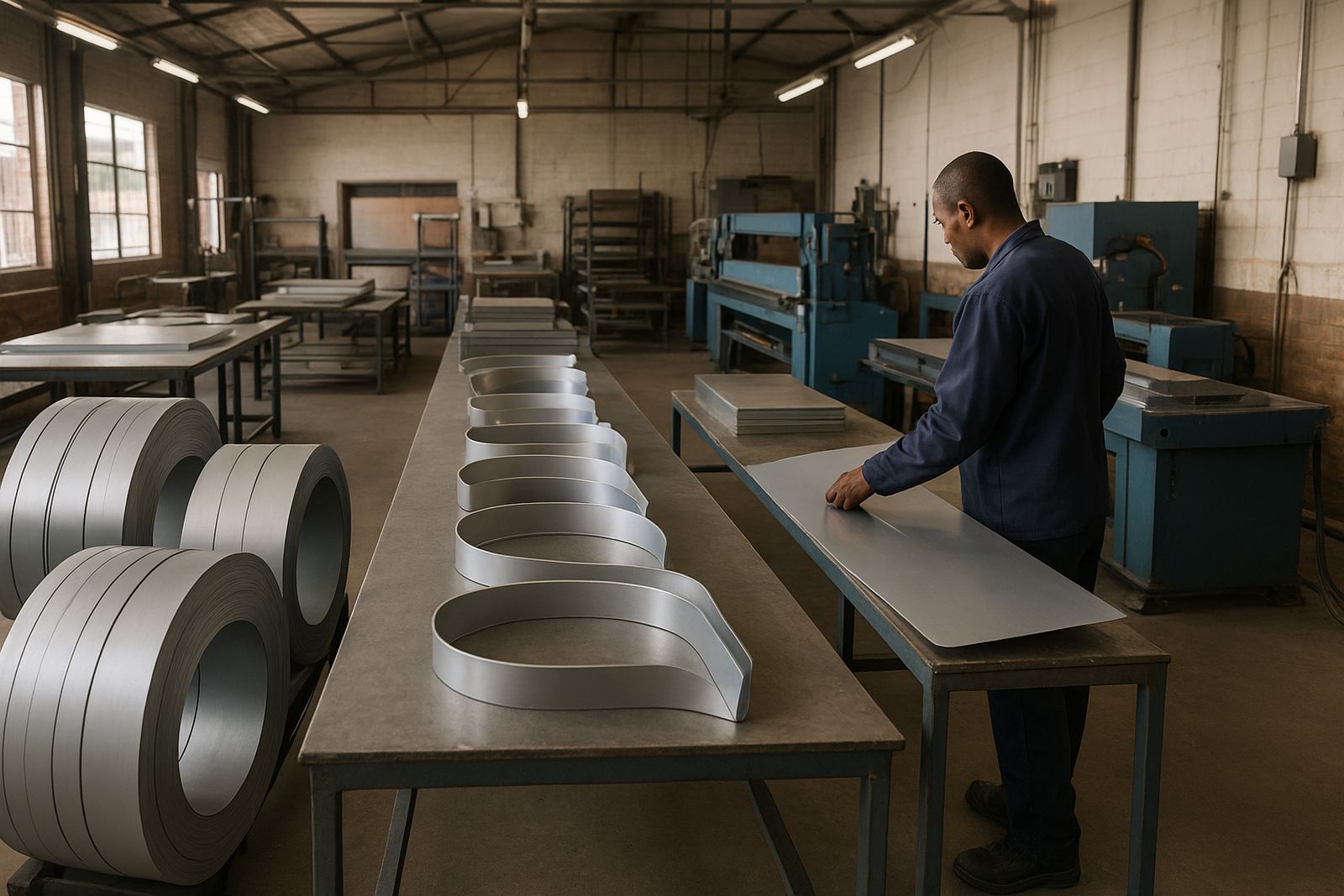
Busy season is usually predictable in the signage trade. Retail refits, year-end campaigns, property launches, municipal projects and rush work from builders all start landing at once. In Midrand and Sandton, that often means tighter lead times, more client changes and less room for error. A proper plan starts by listing the jobs most likely to arrive in the next 8 to 12 weeks and matching them to your real production capacity.
Count the hours the machine can actually run, not the hours on paper. If one operator is off sick or training is overdue, that affects output straight away. It also helps to separate quick turnaround work from larger channel-letter runs so you do not block the line with jobs that should have gone through earlier.
- Review confirmed quotes and likely orders by week
- Set a realistic daily production target in units, not guesswork
- Allocate one person to check material stock every morning
- Keep a buffer for rush changes and rework
Get coils, returns and consumables in before the queue grows
Nothing slows a sign shop like running out of the exact coil width or return material needed for a job already on the cutting table. Coastal humidity in Durban can also affect how material is stored, while high-traffic sites in Pretoria or the East Rand often need extra cleaning and protection products. Stocking early is cheaper than paying for overnight courier fees, last-minute substitutions, or idle labour.
Make buying decisions on your real mix of jobs. If most work is 150 mm and 200 mm channel letters, plan for those sizes first. Keep an eye on the small items too: fasteners, cutting tools, safety gloves, test cables and packaging all disappear quicker than expected when the shop gets busy.
- Check stock levels for the full job cycle, from cutting to installation
- Separate fast-moving items from slow-moving special orders
- Store materials dry and clearly marked by size and thickness
- Plan extra supply for projects with tight handover dates
Schedule machine time like you schedule jobs
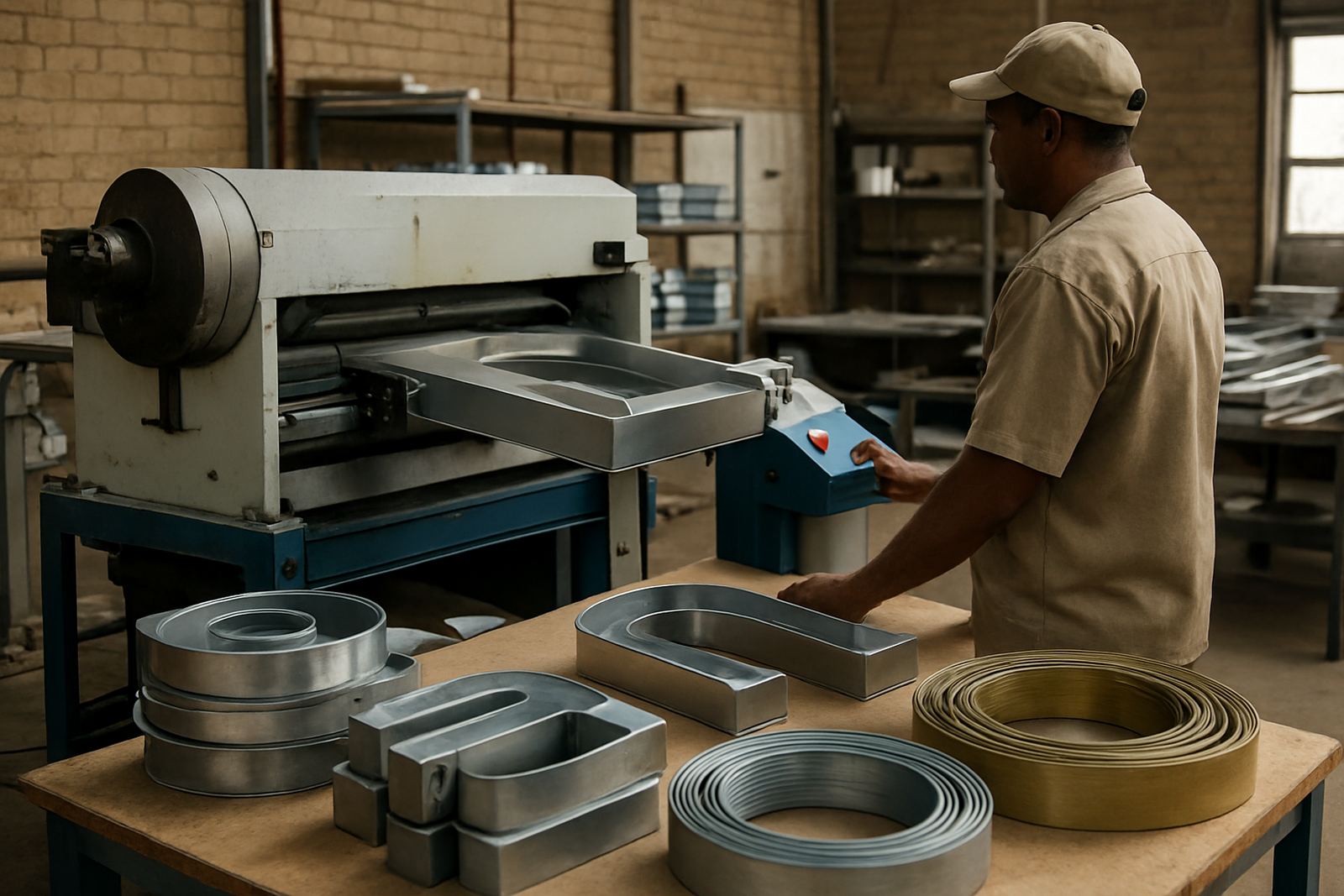
Channel-letter bending machines need planned time for production, cleaning and checks. If the machine is left to run until something fails, your busiest week can turn into a waiting game. Preventive servicing before the rush is usually less expensive than a breakdown during it, and it gives you a better picture of what spares might be needed.
Break the week into blocks. Use one block for long runs, one for smaller custom work, and one for set-up, testing and maintenance. That approach is especially useful for teams serving installers nationwide, because a missed deadline in Gauteng can throw off delivery schedules in KZN or the Western Cape too.
Keep a simple machine log with run time, faults, cleaning dates and operator notes. It does not need to be fancy, just accurate enough to spot a pattern before it becomes a stoppage.
Train people before the pressure starts
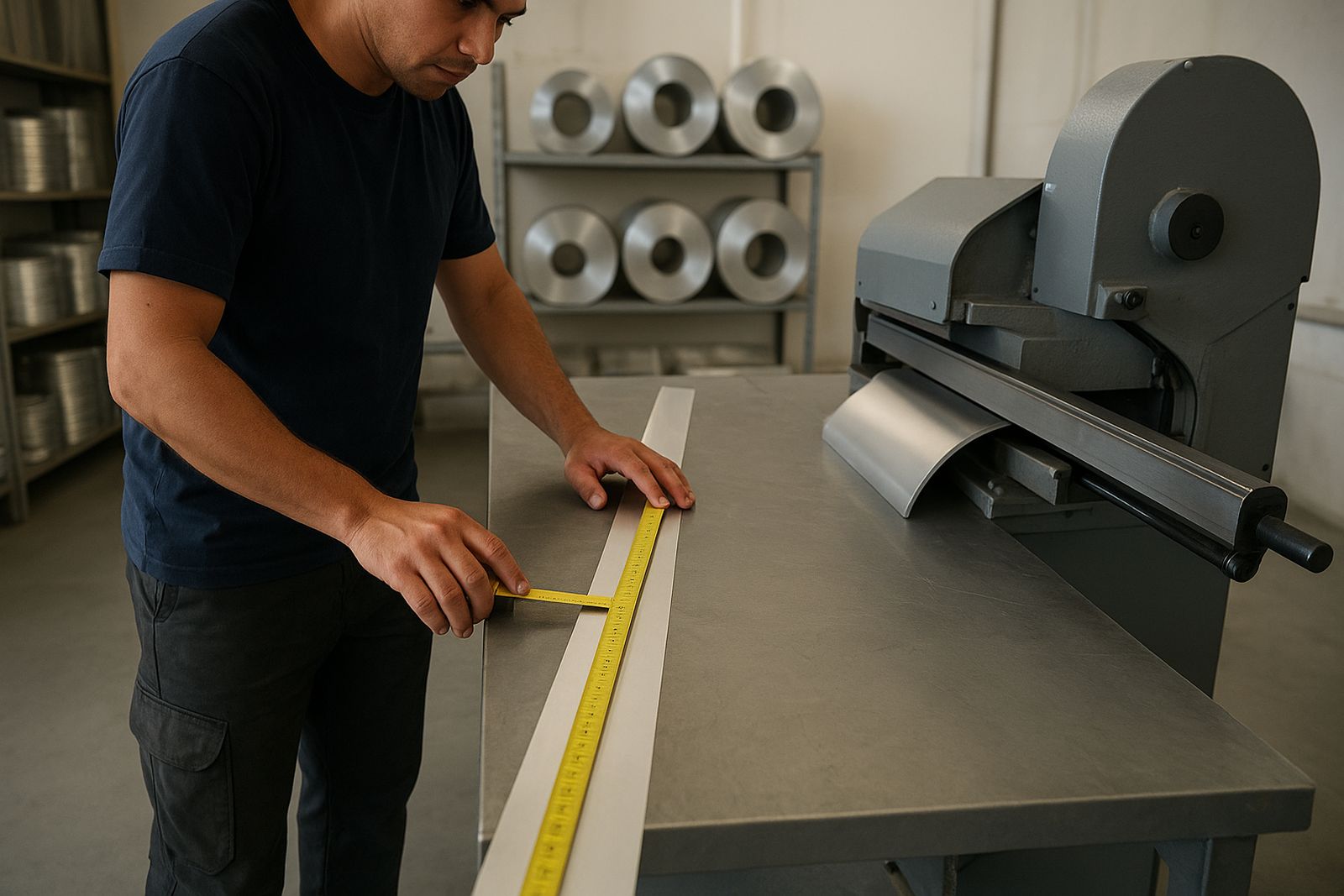
The fastest way to lose time in peak season is to put unprepared people onto live production. Training should be done while the shop is still calm enough for questions. That includes operator training, refresher training and production coaching for staff who handle setup, measurement and finishing. If new people only learn during a rush, mistakes tend to repeat.
At a Midrand base like ours, we see the same pattern every year: the team that practises job flow, safety and machine settings early gets through the season with fewer call-backs. Those that wait until the orders pile up usually spend too much time correcting avoidable faults. A short onsite session can save a full day of lost output later on.
- Show each operator the correct start-up and shutdown sequence
- Practice common letter sizes before full production begins
- Assign one person to check finished work against drawings
- Refresh the team on safe handling and storage procedures
Plan for load-shedding and unexpected stoppages
South African production planning has to account for power cuts, surges and brief interruptions. If your shop is in Randburg, Durban or the East Rand, the risk profile may differ, but the result is the same: lost machine time if there is no backup plan. Keep a written load-shedding schedule for the week and decide in advance which jobs can be completed during short windows and which ones should wait.
Good planning also means knowing who to call when something goes wrong. Remote tech help can get a team running again faster, while breakdown support and spare supply can reduce downtime if a part needs replacing. Do not wait until the machine stops to find out what is missing. A small stock of critical spares is often the difference between a late night and a missed delivery.
Use local delivery and installation planning to protect the deadline
Busy season is not only about production, it is also about getting the finished sign to site and installed without drama. Jobs in Pretoria, West Rand and Sandton may need different transport windows depending on access, security and municipal rules. Larger sites can require loading bay bookings, proof of compliance, after-hours work or a clear plan for lifting and fixing.
Installation planning should start while the job is still in production. Check site measurements, access height, power points and fixing surfaces before the unit leaves the shop. If the client expects a night install, make sure the crew knows who is opening the site, who is signing off the work, and what happens if weather delays the handover. That sort of planning keeps everyone calmer and the final handover cleaner.
For sign makers serving multiple towns from one base, the winning habit is simple: pack earlier, confirm earlier and communicate earlier. A job that is ready in the workshop but not ready on site is still not finished.