
Start with a cleaner order handover
Most slowdowns begin before the first cut or bend. If the sales handover is vague, the workshop spends time guessing sizes, checking colours, chasing drawings and confirming fixings. A clear job pack saves more time than any extra machine speed. Keep one sheet for every order with the final letter height, font style, return depth, face finish, fixing method and site contact details.
For sign shops in Midrand, Sandton and Pretoria, this is especially useful when jobs move quickly between office, workshop and site. If the installer knows whether the sign is going onto brick, aluminium cladding or a rooftop frame, the team can prepare the right drill bits, sealants and mounting parts before the truck leaves. That avoids same-day trips back to the yard, which waste fuel and kill momentum.
- Confirm the final artwork and dimensions before materials are cut
- List the installation surface and any access limits
- Mark which parts are urgent and which can wait for the next run
- Store repeat-job settings so the next order starts faster
Group similar jobs so the machine stays busy
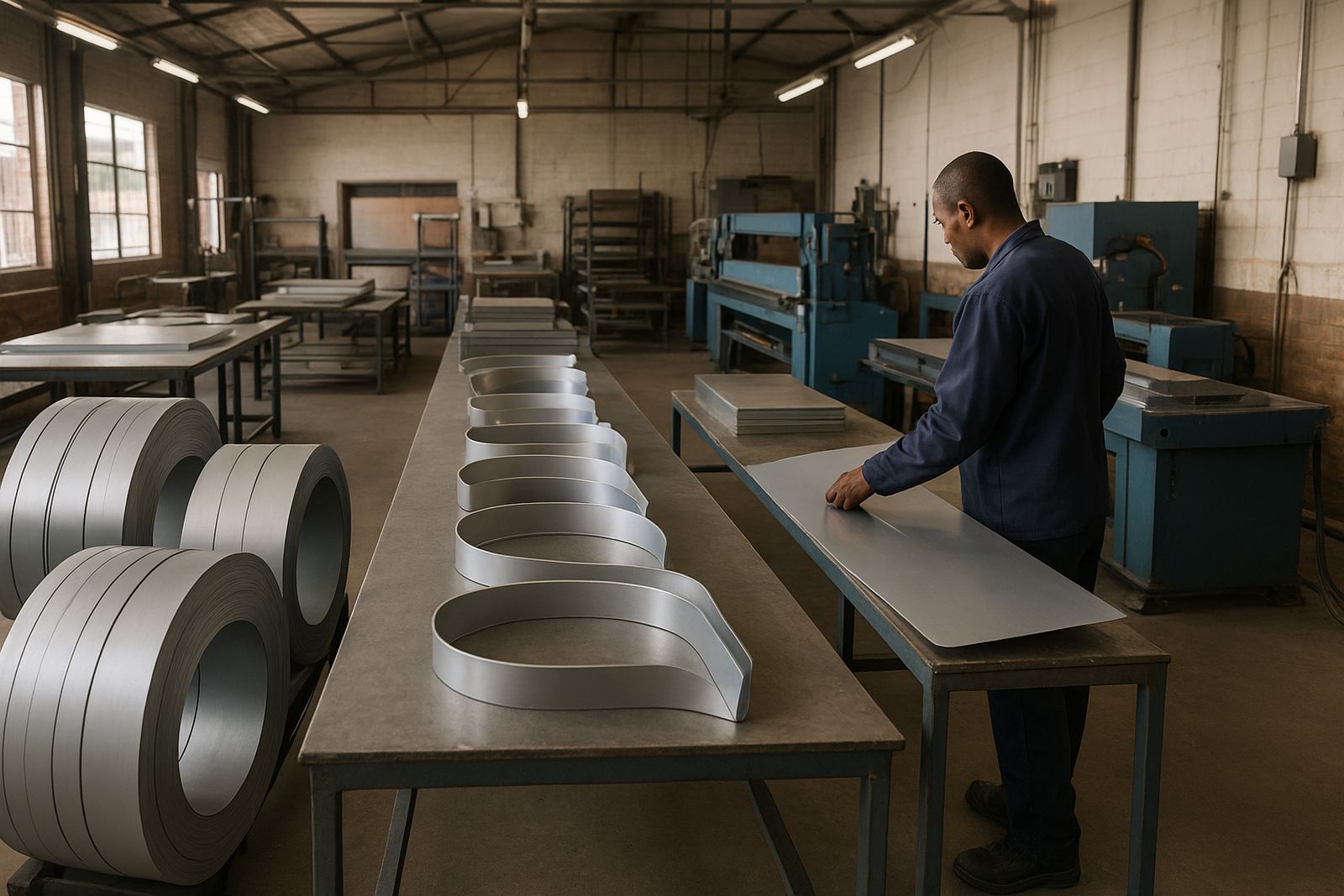
A channel-letter shop loses time when it keeps switching between different letter heights, material thicknesses and coil colours. Small batches of mixed work may feel flexible, but they often create more handling, more checking and more setup changes. Better throughput usually comes from grouping similar work together. Run one batch of 20 mm returns, then the next batch of 25 mm, instead of jumping back and forth.
This matters even more during peak periods such as year end retail work or a rush of opening specials. When the order board is full, the operator should not be stopping every few minutes to change settings. If possible, keep a morning run for one material type and an afternoon run for another. The cutter or bending machine then spends more time producing and less time waiting.
- Batch by return depth, coil type and letter height
- Schedule repeat work for the same operator where possible
- Keep common settings written down next to the machine
- Reserve small urgent jobs for a separate time slot
Treat material handling as part of production
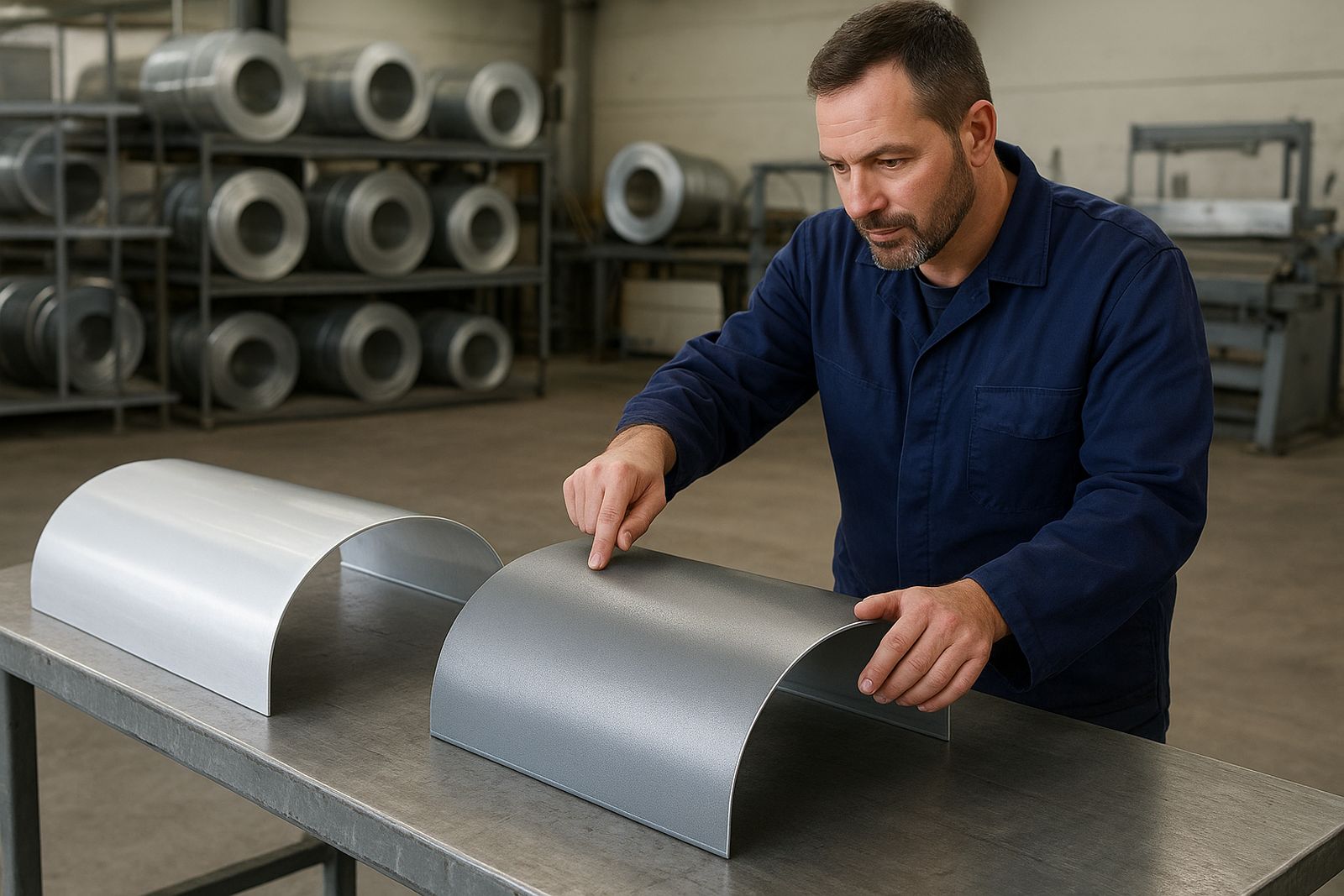
Many workshops focus on the bending machine but ignore the time spent fetching coils, moving returns, finding offcuts and checking stock. That is where plenty of minutes disappear. A tidy store and a simple stock map can improve output as much as a new machine. Keep coils labelled by colour and thickness. Store returns in clearly marked bundles. Place the most-used items close to the production line so the operator is not walking across the floor all day.
In Durban and other coastal areas, humidity can affect how material is stored. Coils and returns should be kept off the floor and away from open doors where moisture can cause handling problems. In Gauteng, dust and workshop traffic can still create wear if stock is left unpacked. The aim is not perfection, just a routine that keeps parts easy to find and ready to use.
- Label stock by thickness, colour and job type
- Keep fast-moving materials near the machine
- Protect stored coils from moisture and dirt
- Use offcut bins so usable material does not get mixed up
Build a maintenance rhythm before breakdowns start
Slow output is often a warning sign. A machine that has not been cleaned, checked or serviced will begin to drift. That shows up as uneven bends, repeated corrections and operators slowing down because they no longer trust the results. Preventive servicing is not just about avoiding a full breakdown, it is about keeping the line predictable.
For a busy shop, a weekly check can be short and practical. Clean the moving parts, inspect cables and fittings, check for air or power issues and confirm that the bends are landing where they should. If the machine is giving odd readings or struggling after load-shedding, do not push through the whole day and hope for the best. Small faults become bigger faults when the team keeps working around them.
- Set a fixed time each week for machine checks
- Log repeat faults so they can be traced properly
- Keep critical spares in the workshop, not across town
- Test the machine after power interruptions before full production resumes
Train operators to spot waste, not only to run the machine
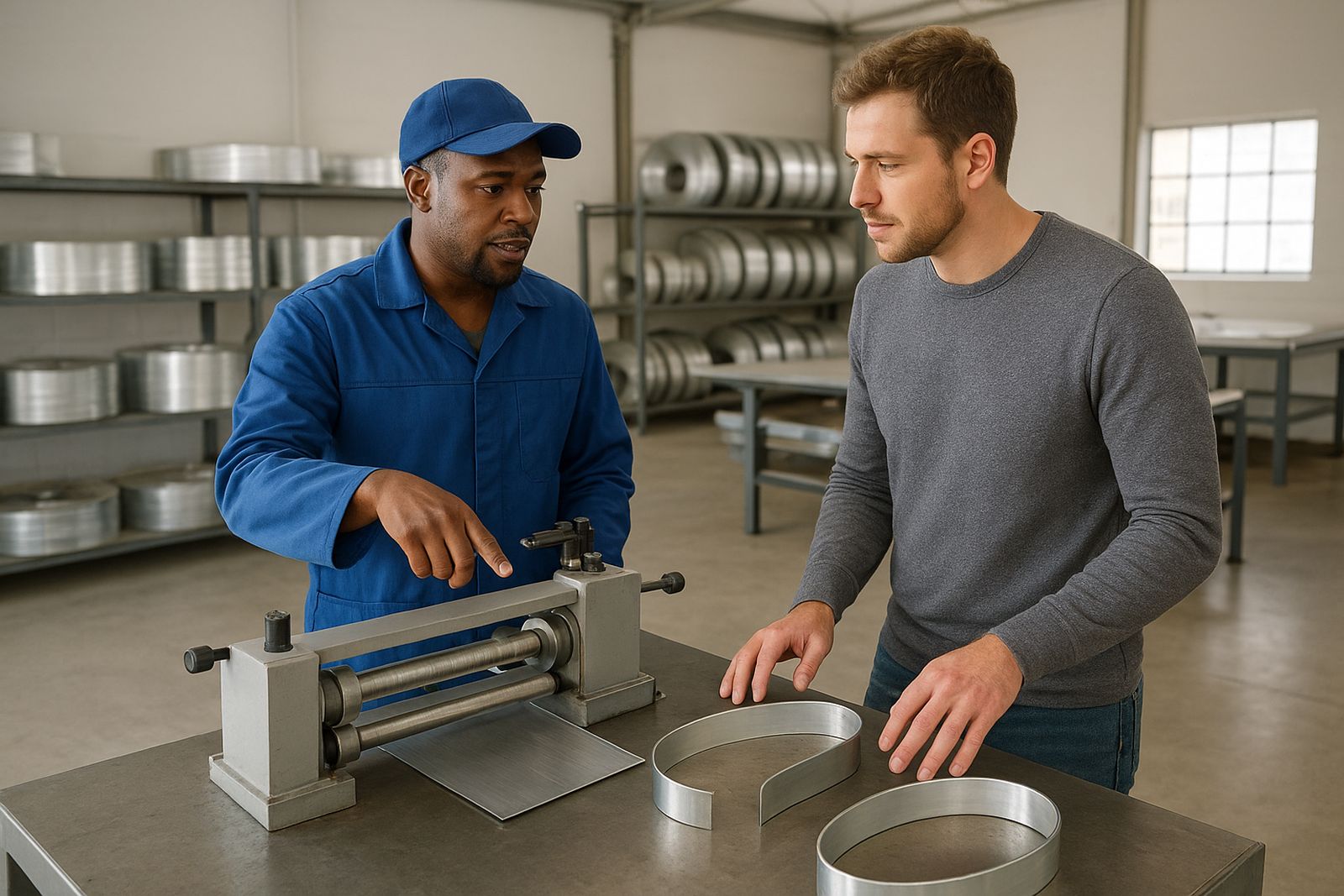
A trained operator is quicker because they make fewer corrections. Good training is not just about pressing buttons or feeding material. It is about recognising where time is being lost. An experienced operator can see when a setting is taking too long, when a return is being wasted, or when a job should be re-sequenced before it backs up the queue.
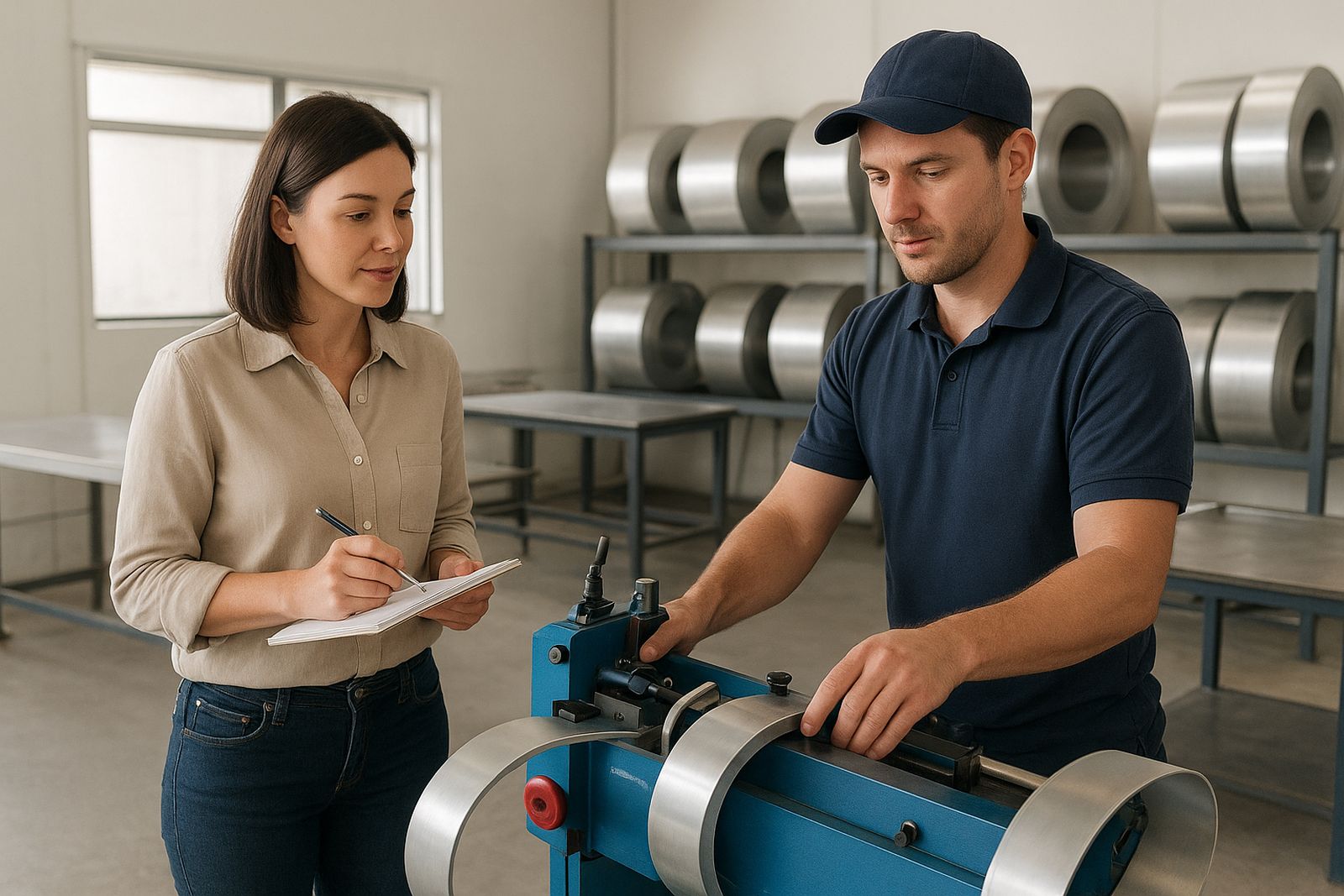
Refresher training is useful when the same mistakes keep appearing. A team may know the machine well enough to get by, yet still lose hours every week through poor setup habits. Short coaching sessions on production flow, material selection and first-piece checks can lift output without asking people to rush. In a shop serving clients across Midrand, East Rand and West Rand, that extra discipline can be the difference between finishing on time and reworking jobs after hours.
- Show operators how to reduce rework at the start of each job
- Use first-piece checks before the full batch starts
- Teach simple fault reporting so issues are caught early
- Cross-train more than one person for busy periods
Plan installation before the letters leave the shop
Production speed can be lost on site if the install was not planned properly. If the installer arrives without the correct fixings, access gear or site notes, the workshop may be forced into emergency support while the next job waits. That creates pressure on both the production team and the client. Good planning means the sign leaves the shop ready for installation, not only ready for dispatch.
A local example comes up often on commercial sites around Sandton and Pretoria. A shop may finish letters quickly, but if the building manager only allows access after hours or if the wall surface needs extra preparation, the job stretches into a second day. When the installation plan is agreed early, the letters, returns, fixings and transport are all matched to the site conditions. The workshop keeps moving and the installer avoids return visits.
Faster letter output is really about removing friction. Clear orders, grouped production, organised stock, regular servicing, trained operators and proper install planning all add up. None of these steps are fancy. They just make the line flow better, which is what most sign shops need when the work is steady and deadlines are tight.