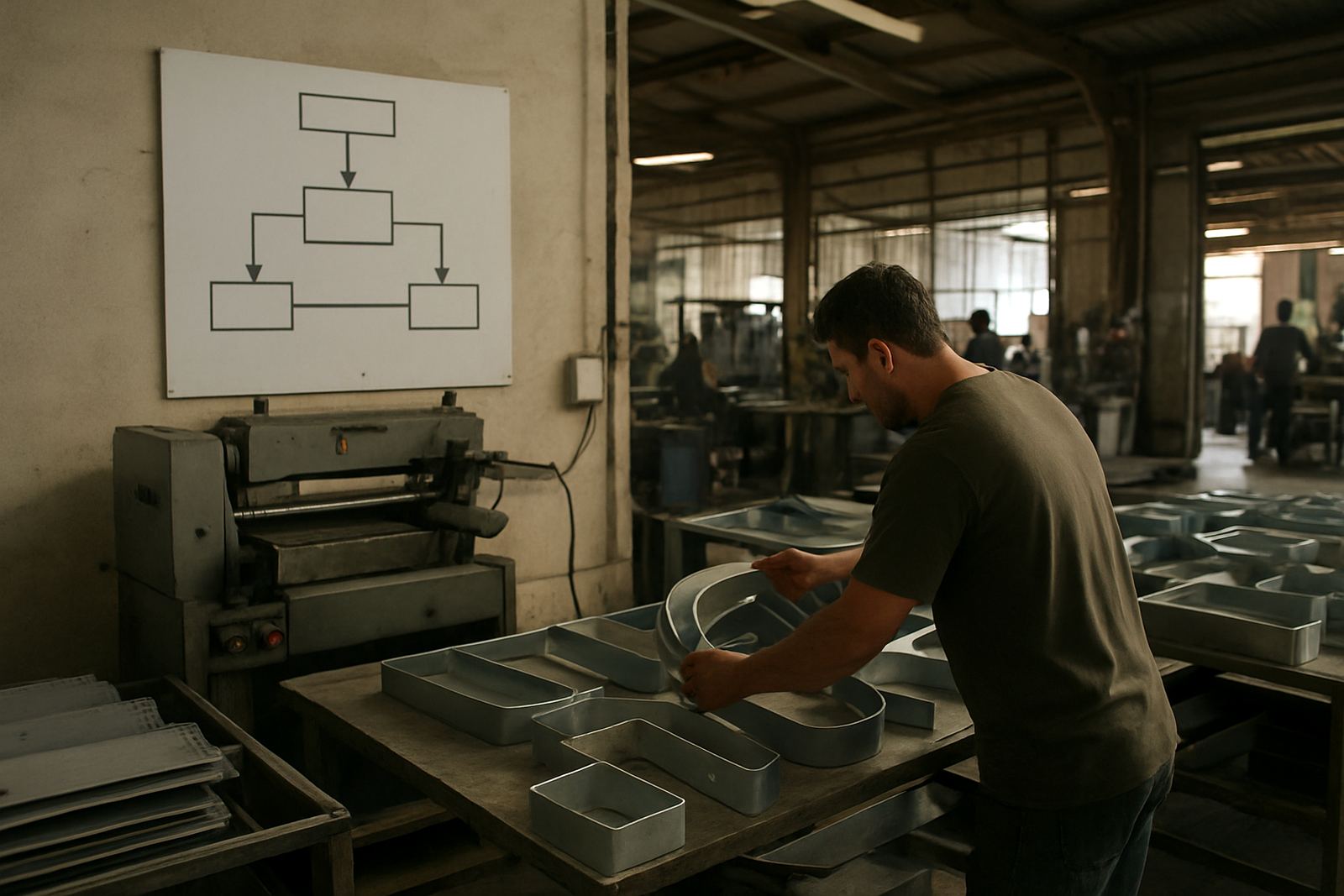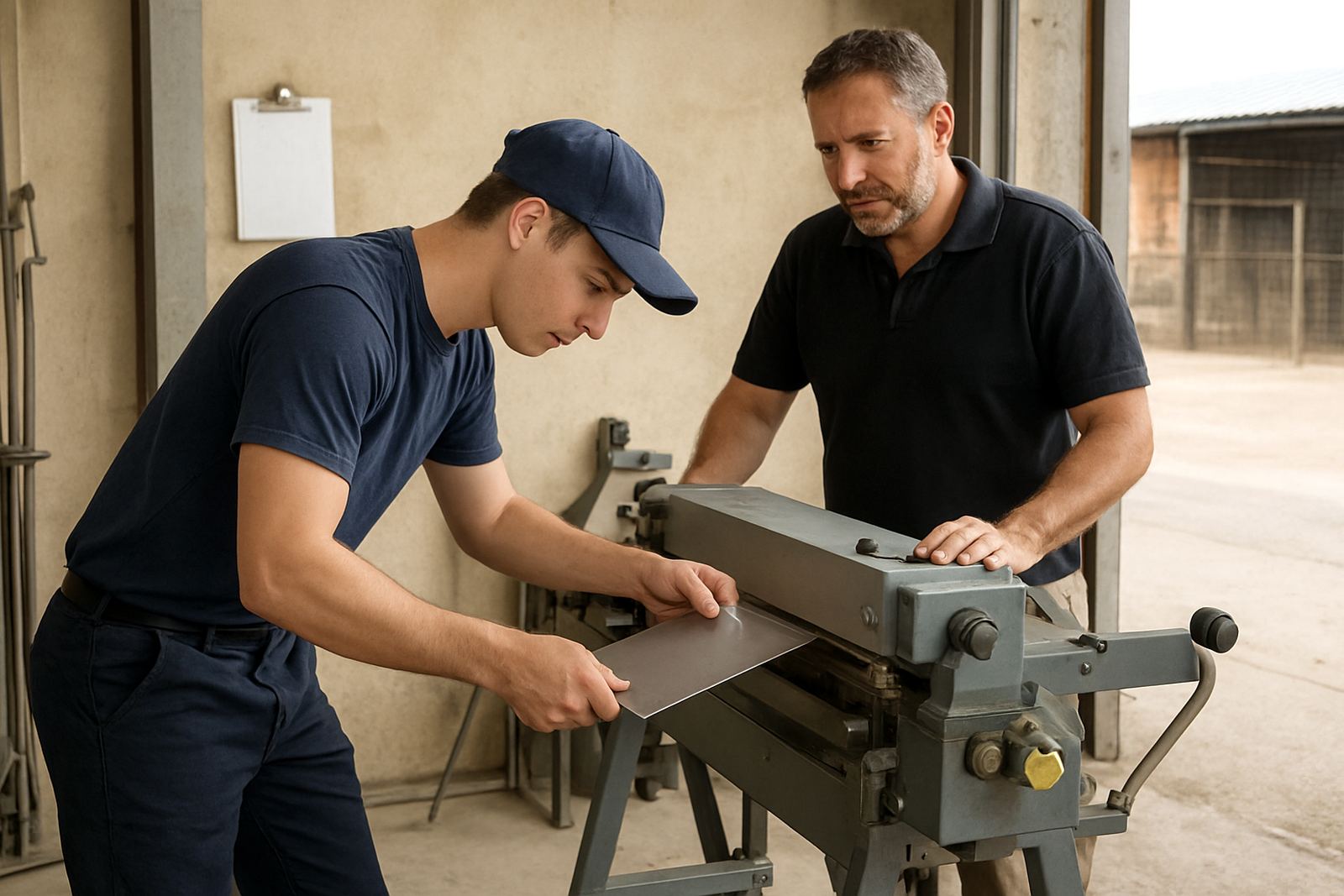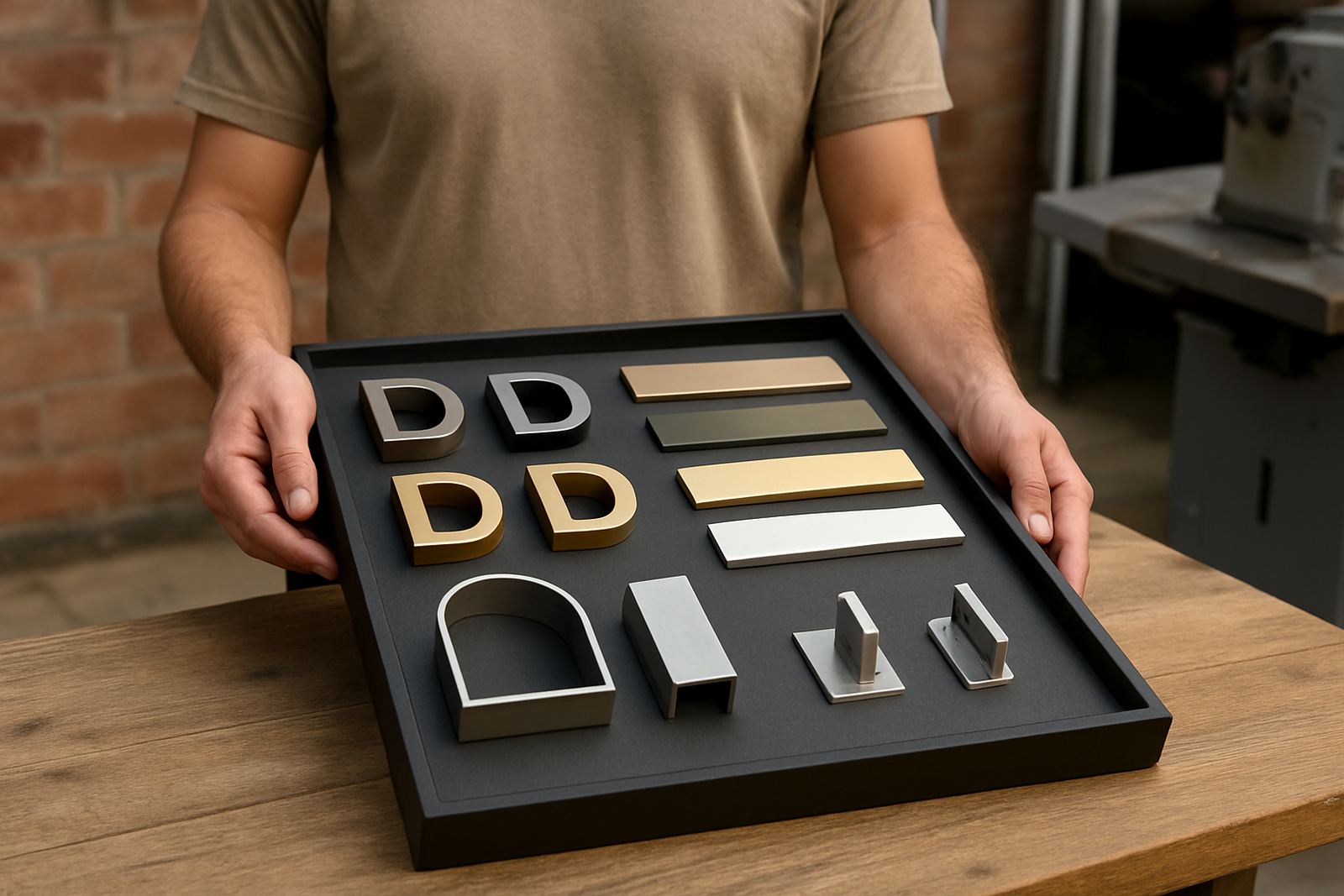

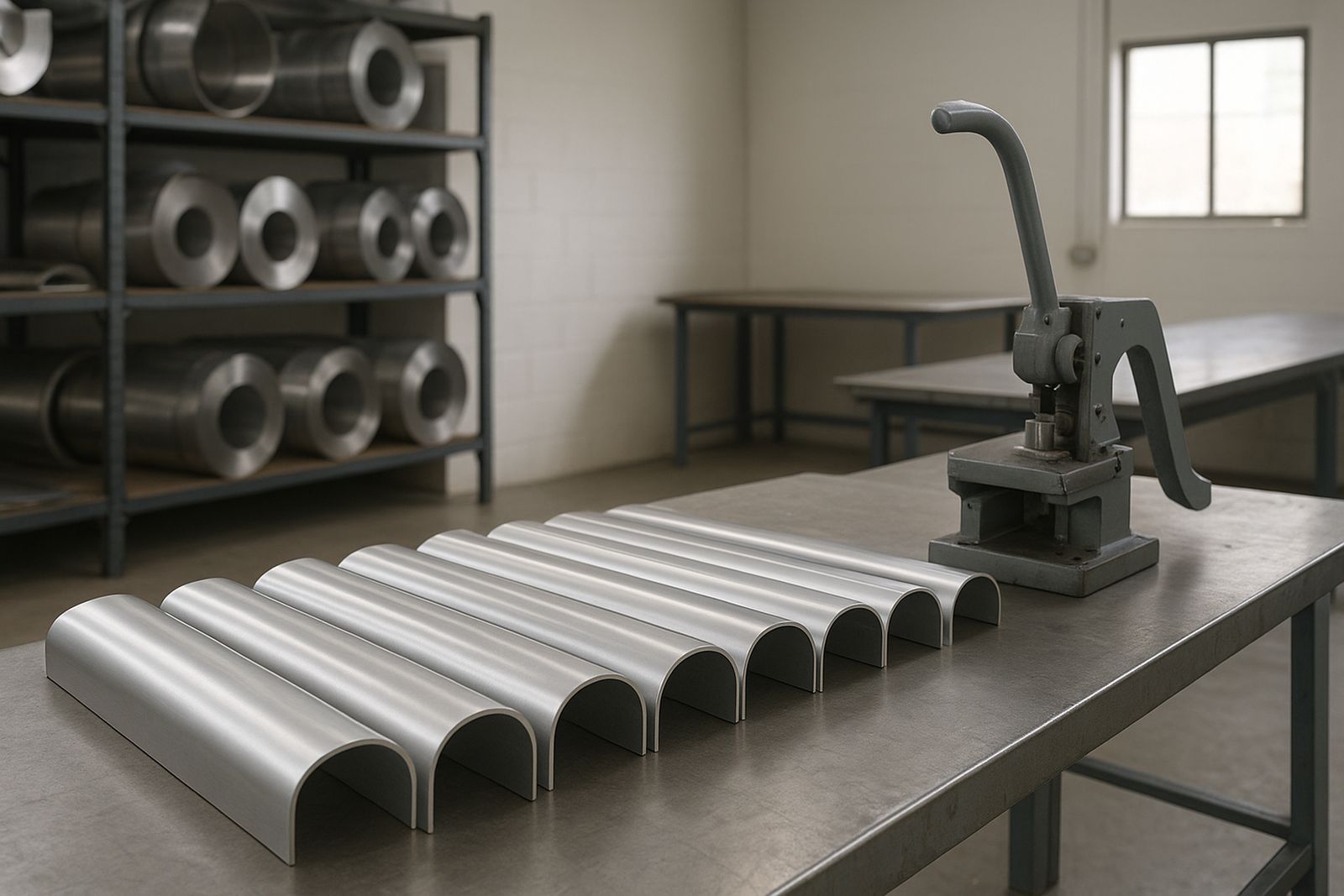
Start with one master spec that everyone follows
Repeat jobs go off track when each branch, installer or machine operator works from memory. For multi-site rollouts, the safest approach is one master spec that covers letter height, stroke width, return depth, face material, LED spacing, fixing method and finish. If the client wants the same look in Midrand, Sandton and Durban, every detail must be written down before production starts.
That spec should also cover what is allowed to vary. For example, a sign can be scaled to suit a smaller frontage, but the font proportions, edge radius and illumination level should stay the same. If those limits are not agreed, a branch manager in Pretoria may approve a change that makes the next site look different and there is no easy fix once the metal is cut.
It helps to keep a job sheet with the exact sheet size, coil thickness, return profile and fixing centres. On repeat work, the team should not be remeasuring by eye each time. A clean setup reduces scrap, keeps costs steady and makes quoting easier for future branches.
Match the machine settings to the material, not the mood
Channel-letter work depends on repeatable bends and clean returns. If the machine settings drift from one shift to the next, the same artwork can produce tight corners on one batch and loose edges on the next. That causes gaps at the weld points, uneven faces and extra hand finishing. For sign makers working under time pressure, that is where profit starts slipping away.
To keep output steady, set a standard for each material type and record it. Coil thickness, alloy type and return depth all affect the bend angle and feed rate. A good production team does not guess. They note the settings, test the first piece, then keep that setup for the run. If the job moves from Johannesburg to Durban where coastal humidity is higher, storage and handling matter too because damp material can mark, oxidise or shift slightly during fabrication.
- Keep a settings log for each material size and return depth.
- Inspect bend accuracy on the first three pieces before full run.
- Store coils flat and dry, especially near the coast.
- Check cutting blades and guides before every repeat batch.
Train the people who touch the job at each stage
Even good equipment will not save a rollout if the team is not working the same way every time. One operator may be strong on feed alignment, another may be faster at finishing, while a third may be careful with packing. That is fine, but the handover between each stage must be consistent. Otherwise a small error at the start becomes a visible fault on the wall.
We see better results when the operator, fitter and installer are all trained on the same process. That includes reading the drawing, loading the coil, checking the return, preparing the mounting surface and confirming the final fit at site. A quick refresher before a big rollout can prevent a lot of wasted travel and rework. It also helps when the same crew is sending jobs from Midrand to branches in East Rand or West Rand, where site access and wall conditions can differ.
- Use the same job sheet format for production and installation.
- Run refresher training before large branch programmes.
- Teach staff how to spot variance before it leaves the workshop.
- Keep one person responsible for final sign-off on each repeat batch.
Plan installs around site conditions, power and access
A branch signage rollout is not only a workshop job. It is also a site planning exercise. Municipal rules, landlord approvals, working hours and access restrictions can all affect timing. If the install team arrives with the right sign but the wrong fixing method, the branch stays dark another night and the client loses confidence.
Before the first unit is made, check the wall type, cable route, power source and mounting height. If the site is in a shopping centre in Sandton or a roadside location in Pretoria, the access plan can be very different. Load-shedding must also be factored in when testing illuminated signs. If the team cannot test on site, they need a backup way to confirm polarity, draw and brightness before they leave. That avoids repeat call-outs after hours.
For national rollouts, installation planning should include transport protection as well. Repeat signage often travels between provinces, and a slight bend in transit can undo a clean production run. Proper packing, clear labels and a protected face keep each branch sign looking the same when it reaches the wall.
Use service intervals to protect repeat quality
Preventive servicing is one of the simplest ways to keep branch signage jobs consistent. Machines that are left until they break down tend to drift long before they stop. Guides wear, alignment changes and feed pressure varies. By the time the fault is obvious, the workshop may have already produced a batch of uneven returns or overcut pieces.
A sensible service routine should cover daily checks, weekly clean-downs and planned visits for adjustment and spares replacement. The same applies to the tools used on site. If the installation supervisor is climbing ladders, drilling fixings and testing illumination at the same time, the gear needs to be reliable. A small fault in one component can delay the whole programme. For busy sign makers in Midrand and Gauteng, that matters when there are multiple branch openings lined up in the same month.
- Schedule preventive servicing before peak rollout periods.
- Keep common spares on hand so breakdowns do not stall production.
- Clean and inspect moving parts after heavy use.
- Track recurring faults to see where the process needs adjustment.
Keep one line of support from first job to final branch
Consistent repeat work improves when the client knows exactly who to call. A single point of contact can keep the rollout moving, whether the issue is material choice, a drawing query, a site delay or a machine problem in the workshop. That avoids mixed instructions and helps the production team stay on the same version of the job from start to finish.
At Channel Letter, our Midrand base supports sign makers nationwide with operator training, onsite commissioning, preventive servicing, breakdown support, spares supply, production coaching, material selection, remote tech help, installation planning and refresher training. That combination is useful when a rollout starts in Gauteng and then moves to Durban or elsewhere, because the same standards can be kept across every site.
For clients doing ongoing branch signage, the aim is simple: every new unit should look like the last one. Not almost the same, but the same enough that a customer in one town sees the same brand standard as a customer in another. That only happens when the job is planned properly, the machine is set correctly and the people on both sides of the process are working from the same information.