Why Midrand Works for Signage Support Across Gauteng
Midrand sits between Johannesburg and Pretoria, with direct routes into Sandton, the East Rand, the West Rand and the N1 and N3 freight corridors. For sign makers, that location is practical for day-to-day work. It helps when a machine needs attention, when a team needs training, or when a site install is held up and a technical answer can keep the job moving.
In signage, small delays can cost a full day. If a bending machine is down, or the wrong return size was ordered, the knock-on effect reaches cutting, fabrication and installation. A central Gauteng base makes it easier to coordinate collection, delivery and field support without pushing every job through one far-away depot.
Local Help When Production Cannot Wait
Many sign shops work with tight lead times and mixed site conditions. One week it is a shopfront in Sandton, the next a pylon in Pretoria or a roll-out for a chain store in Durban. Support from Midrand allows the team to provide breakdown support, remote tech help and planned site visits.
That matters during load-shedding too. If a machine has been restarted after a power cut and the settings are out, production can drift. A phone call can help check alignment, heat settings and material feed before waste builds up. It is practical support that keeps the workshop moving instead of waiting for a full service slot.
- Shorter travel time for urgent callouts
- Faster spares supply for common wear items
- Remote help for setup issues and operator questions
- Less downtime when production deadlines are close
Logistics That Suit South African Install Schedules
Signage logistics are not only about transport, they are about timing. A machine, coil or return profile needs to arrive when the production team can use it. A Midrand base helps with route planning for same-day collection in the north of Johannesburg, overnight freight to coastal sites and scheduled delivery to nearby branches or sites in Pretoria and the East Rand.
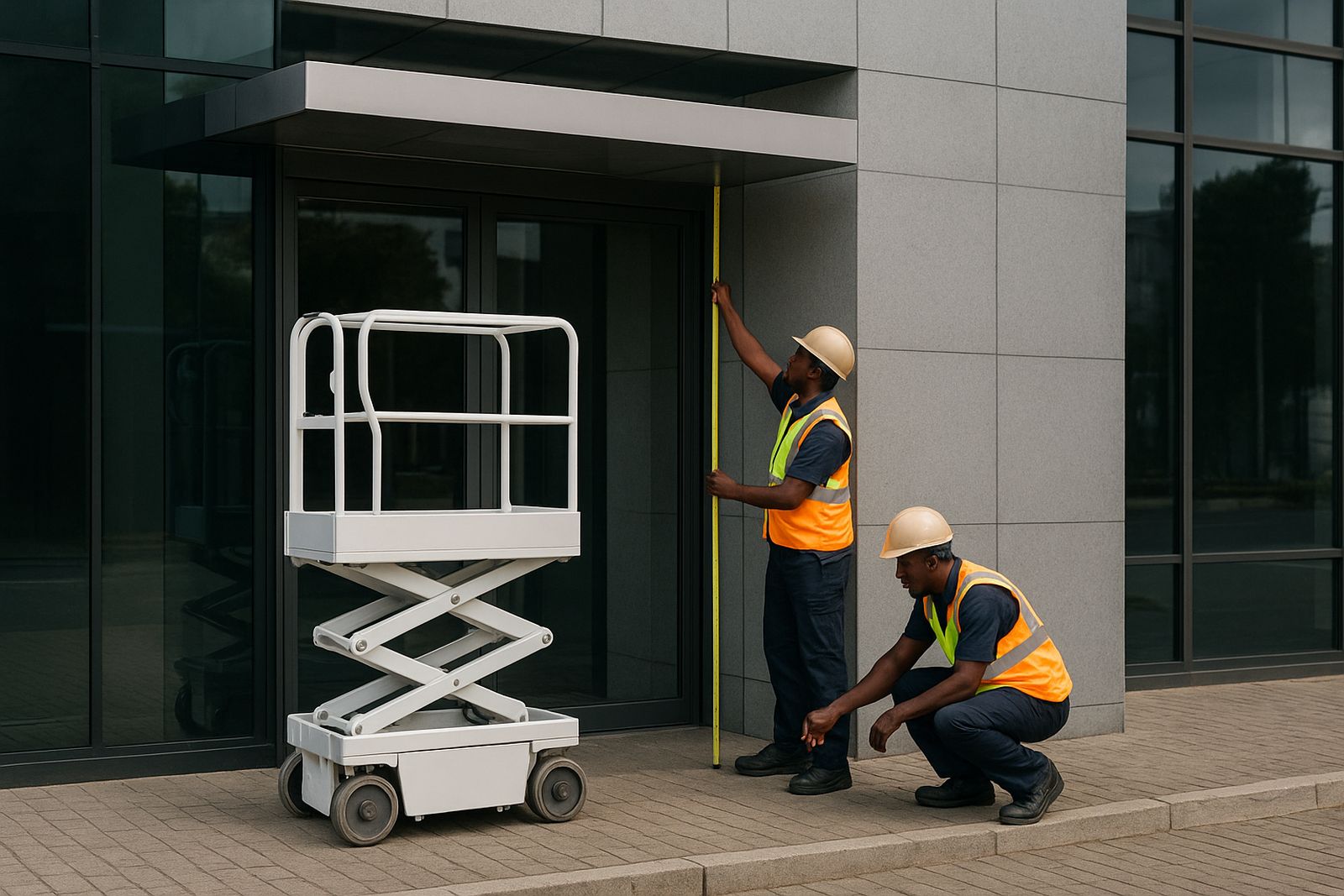
It also helps with working around municipal rules and access limits. Some sites only allow deliveries during certain hours, and CBD installs may need escorts, parking plans or permit checks. If the support team is close enough to advise on those details, the whole process becomes easier to manage, less rushed and a lot less costly.
A Better Fit for Training and Commissioning
Operator training is more effective when it is tied to real production conditions. A team that understands the machine, the material and the site process makes fewer mistakes and uses less stock. From Midrand, training can be scheduled around installations in Gauteng and repeated when a business brings in new staff or adds a second shift.
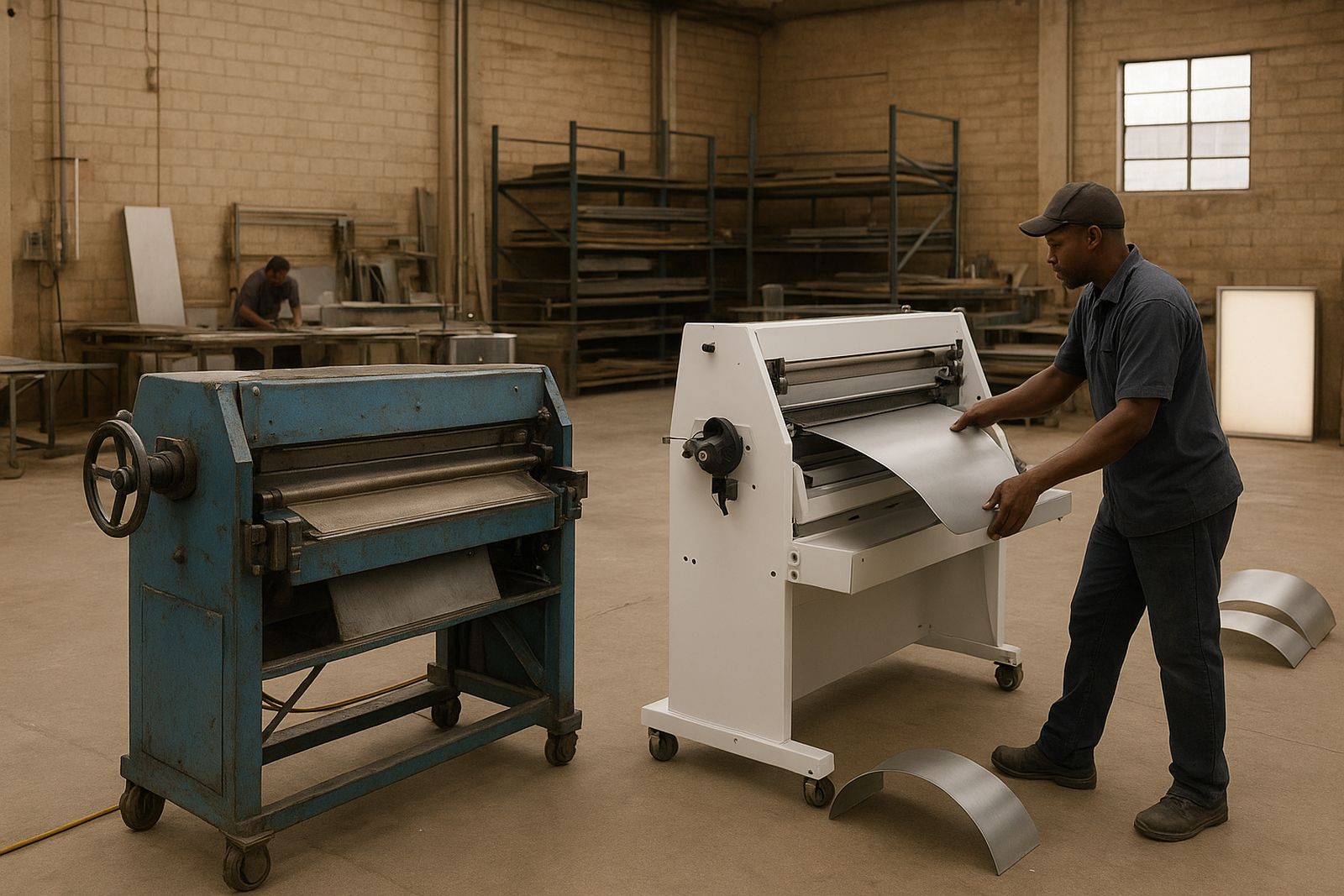
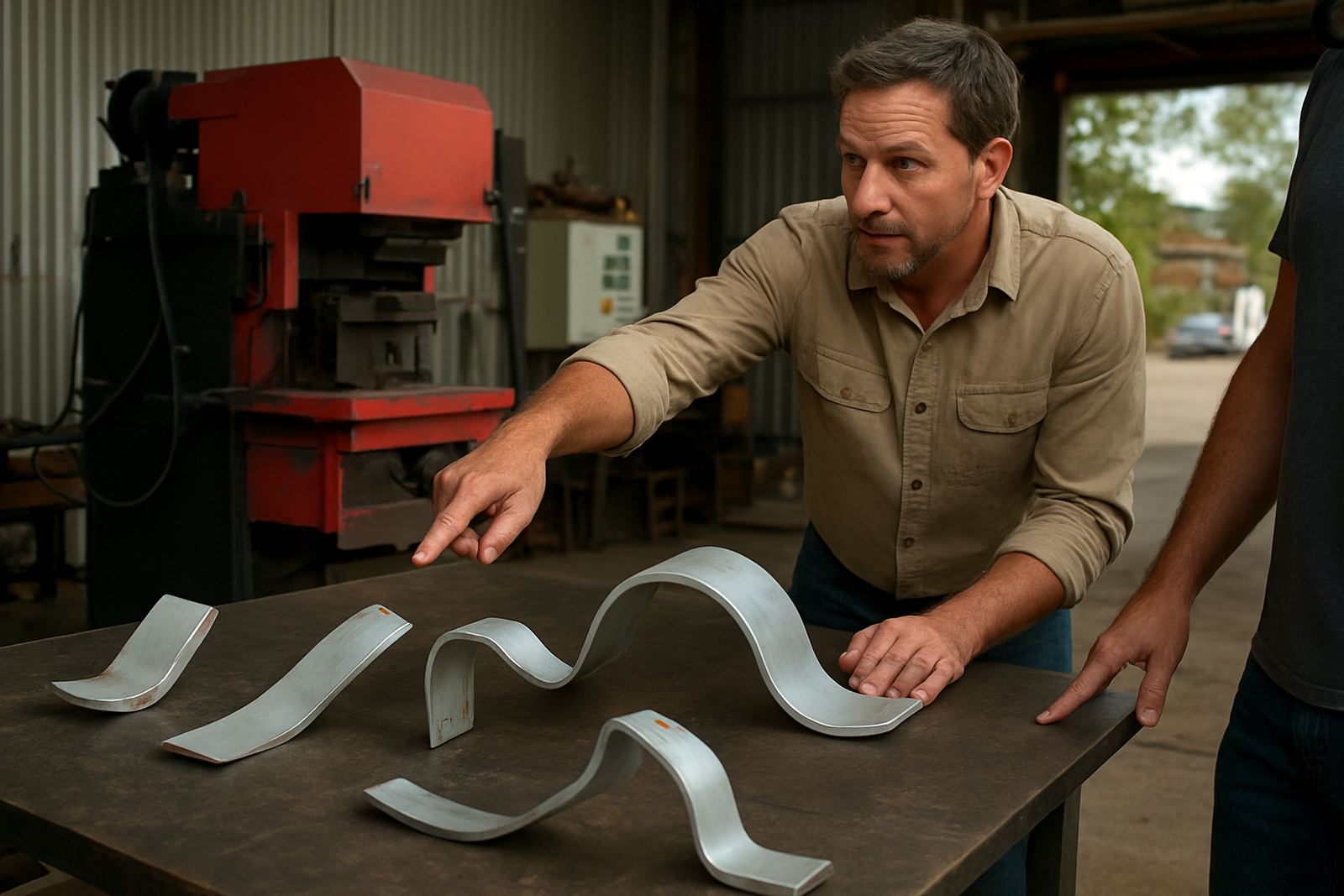
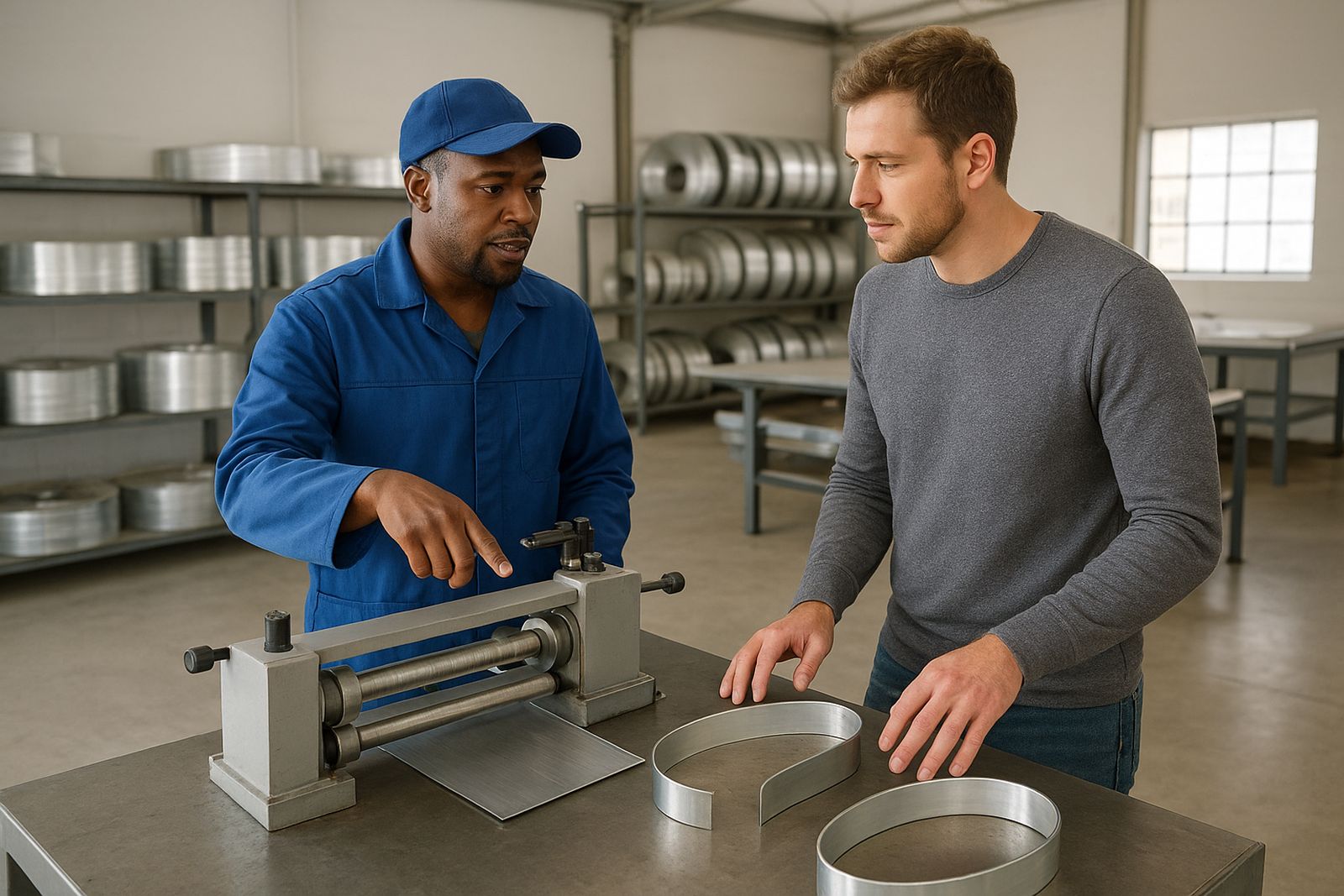
Onsite commissioning is equally important. A machine that is set up correctly from day one reduces scrap and callouts later. For a sign workshop in Randburg, for example, a new operator may need help with return profiling, coil handling and safe shutdown steps after a power interruption. That sort of support is easier to provide when the base is close and the team knows the local conditions, from humidity in Durban to dust in inland workshops.
- Operator training for new and existing staff
- Onsite commissioning for new installations
- Refresher training after staff changes or machine upgrades
- Material selection advice for different sign applications
Midrand Example: Keeping a Gauteng Workshop on Schedule
Consider a sign-maker in the East Rand who has a weekend install lined up for a retail site. The shopfront lettering has to be produced early, and the returns must match the specified depth. If there is a setup issue on Thursday morning, the team cannot afford a long wait for assistance. A Midrand-based support team can talk the operator through checks, arrange a technician if needed, and help organise spares before the shift ends.
That same workshop may later need installation planning for Pretoria, where access times are tighter, or for Durban, where freight timing becomes critical because of distance and coastal conditions. Central support does not solve every issue, but it reduces the number of moving parts. That gives the production manager clearer control over labour, materials and transport costs.
What Local Support Means for Long-Term Value
Good support is not only about fixing problems, it is about preventing them. Preventive servicing, spare parts planning and production coaching all help extend machine life and keep output consistent. For businesses that depend on their bending equipment every day, this is the difference between reactive spending and planned maintenance.
A Midrand base also makes it easier to keep a proper record of service intervals, operator needs and material usage. That helps when a shop grows from small batches to regular contract work. The result is less waste, better turnaround times and a workshop that can take on more work without losing control. In a market where deadlines are tight and weather, power and transport can all interfere, that kind of support is worth a lot.