When hire makes sense for a busy but uneven workload
Hiring suits sign shops that get project spikes rather than steady monthly volume. If you only bend channel letters for shopfronts, one-off activations or a few estate signs a month, hire can keep your overheads lower while still giving you access to the machine when the work lands. That matters for smaller teams in places like Midrand, Pretoria and the East Rand where jobs often move fast and payment terms can stretch past 30 days.
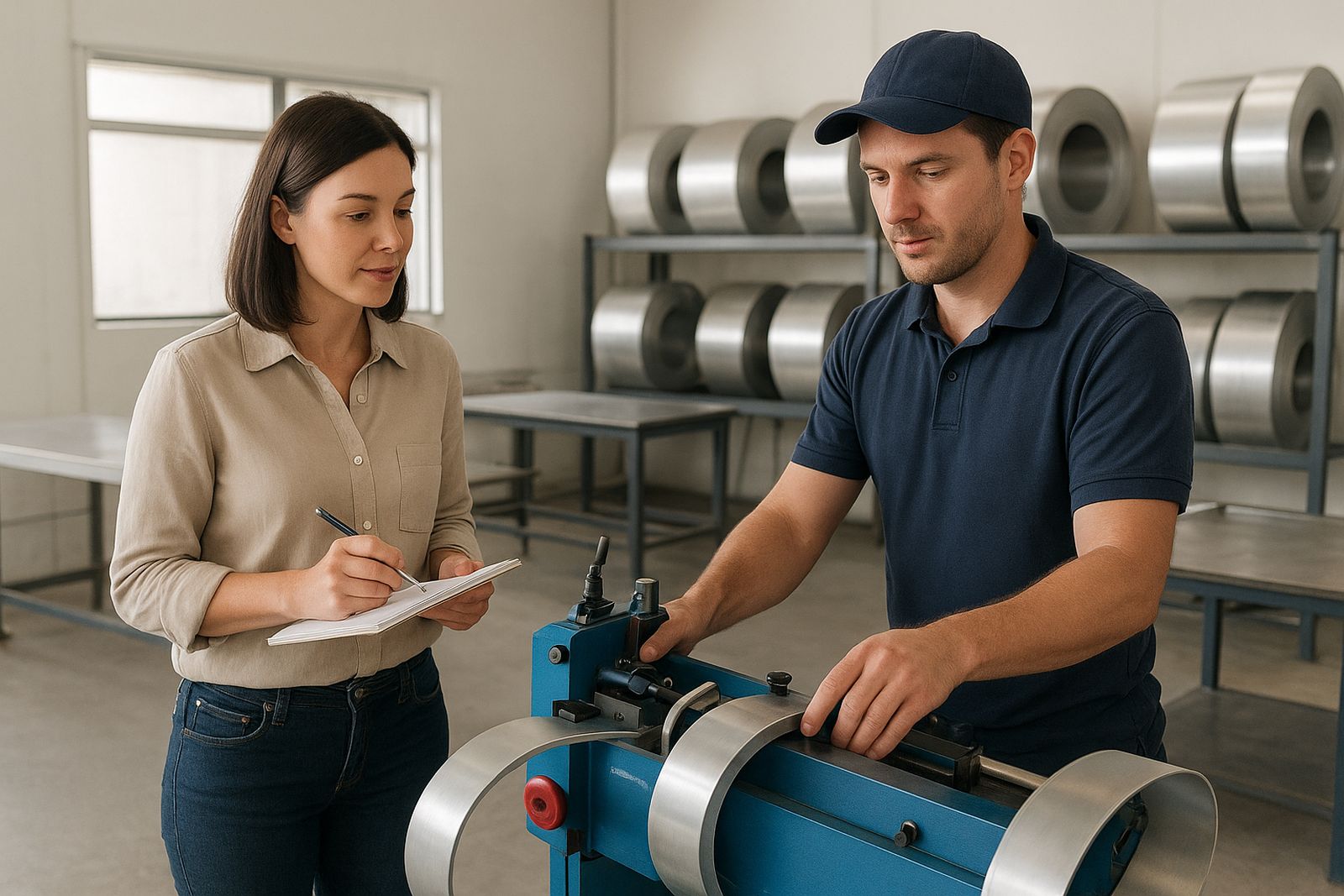
Hire also helps when you are testing a new product line. A shop that has mainly done flat signs may want to add lit letters without committing to a full purchase straight away. You can see how your operators handle the machine, how long each job really takes and whether your clients accept the pricing before you tie up capital in equipment. For businesses working through load-shedding, this can also help you match production to planned power windows instead of carrying a machine that sits idle half the week.
- Short-term projects with uncertain repeat work
- Testing new sign types before buying
- Temporary overflow during peak seasons
- Businesses that need to protect cash for stock, vehicles or wages
Why ownership pays off when output is steady
Buying makes more sense when channel letters are part of your core production. If you are turning out letters every week for malls, forecourts, schools or industrial sites, ownership can bring the cost per job down over time. You are not paying hire fees on every order, and your team can work to your own schedule without waiting for equipment to become available.
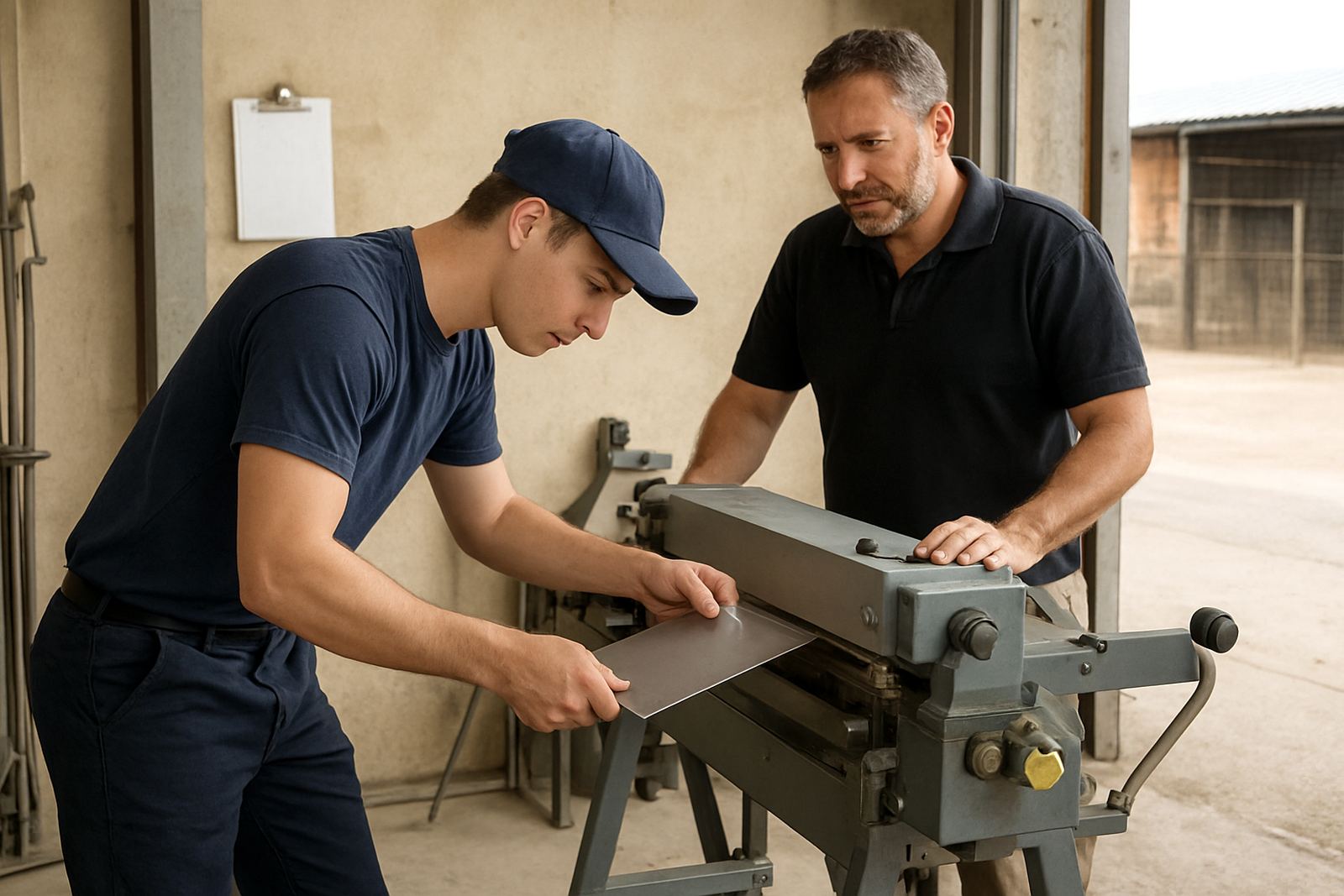
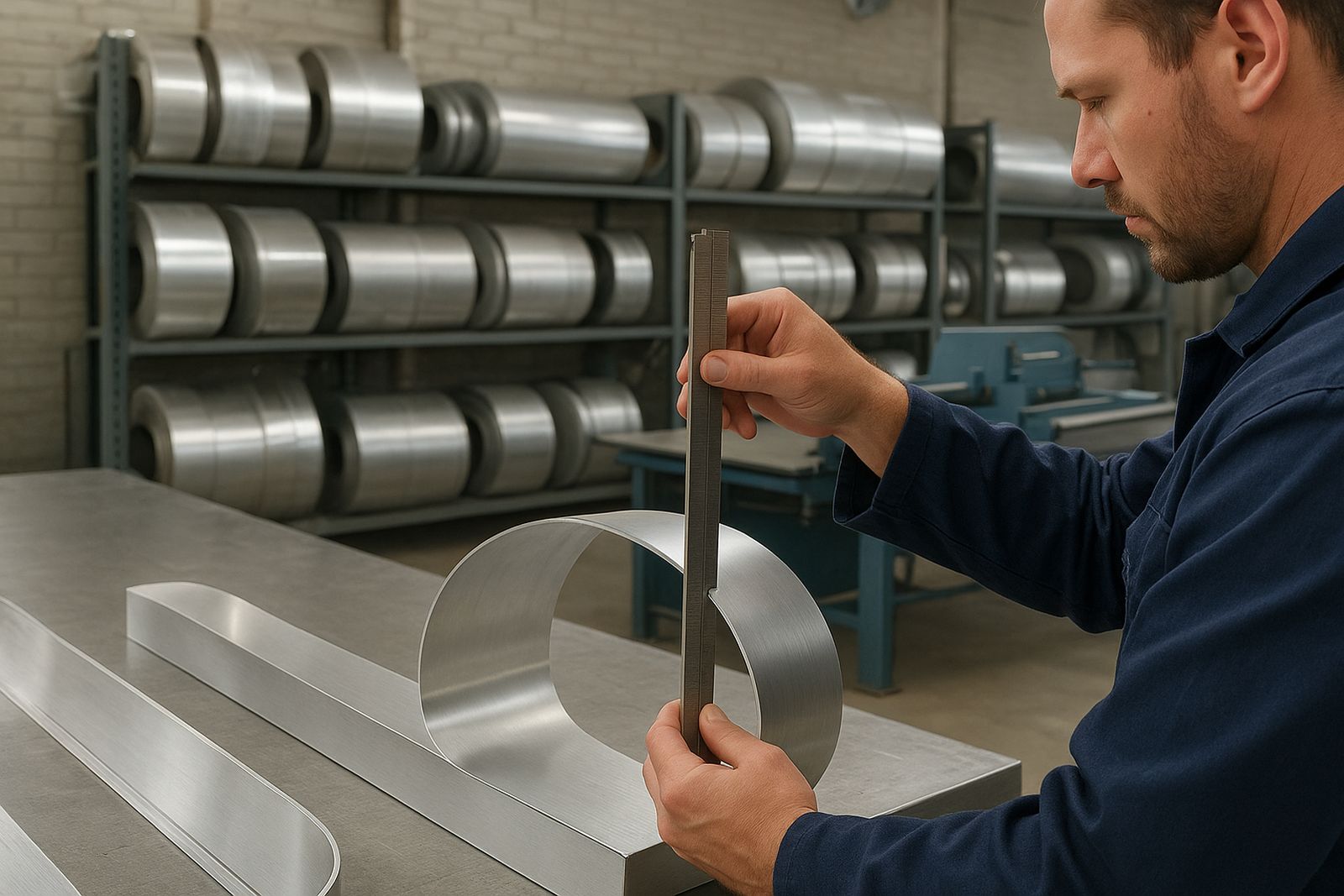
Ownership also gives you tighter control over quality and speed. A trained operator can keep settings consistent, cut returns to the same profile and finish jobs in-house instead of outsourcing part of the work. That helps when a client in Durban wants a fast turnaround before a launch or when a contractor in Sandton needs a rework after the site team changes the sign size. Once the machine is paid for, every job after that contributes more directly to margin.
- Regular monthly production with repeat sizes
- Need for faster turnaround and tighter control
- In-house quality checking from start to finish
- Long-term cost savings when the machine stays in use
The cash flow test every sign business should do
Before you decide, compare the monthly cost of hire against the monthly cost of owning. Do not look only at the purchase price. Add transport, installation planning, operator training, servicing, spare parts and the power cost of running the machine. Then compare that with hire fees plus any delivery or call-out charges. A machine that looks affordable at first can become expensive if it is not used enough.
A practical rule is to ask how many productive days per month the machine will run. If the answer is two or three days, hire may be the safer choice. If the answer is most weeks of the month, ownership starts to make stronger financial sense. Also think about how quickly clients pay you. If your cash is tied up in stock and municipal accounts, hiring can protect working capital until the order book becomes more predictable.
For many shops the decision is not emotional it is arithmetic. Count the jobs, count the delay between invoice and payment, then compare that to the pressure on your workshop floor. If a machine will sit unused during quiet periods, that money could be better spent on aluminium coils, returns, staff training or a backup power solution.
The hidden costs people forget when they buy
Buying only works well when the support plan is in place. A machine without trained operators, preventive servicing and quick access to spares can stop production at the worst time. In South Africa, that risk is bigger than many expect because a site can lose a day to load-shedding, a courier delay or a last-minute installation change. If the machine is down and your team cannot finish letters for a job in Pretoria or the West Rand, the damage goes beyond the repair bill.
Other costs can creep in too. You may need a better work area, correct materials, proper storage for coils and a plan for shipping large returns safely. Coastal humidity in Durban can also affect how you store material and finished parts, so ownership should come with disciplined workshop habits. If your staff are still learning, budget for refresher training and production coaching as part of the buying decision.
- Operator training and refresher sessions
- Preventive servicing to avoid stoppages
- Spare parts and consumables kept on hand
- Workshop space, storage and handling needs
- Support for power interruptions and urgent call-outs
A Midrand example: choosing for the next 12 months, not the last 12
Consider a Midrand sign shop that handles fleet branding, estate boards and small retail letters. In winter the business may be quiet, then September to December fills up fast with shopfront upgrades and launch work. If they buy too early, the machine can sit underused through the slower months. If they hire, they can scale up for peak periods and keep cash available for materials, transport and payroll.
Now look at the same shop one year later. If the owner has added two new clients in Sandton, a manufacturing account in Pretoria and repeat work from Durban contractors, the picture changes. The machine is now part of regular output and the team has enough work to justify a purchase. That is why the right answer can change over time. What was smart when the business was smaller may not be the best move once orders become steady and more specialised.
The key is to review the decision before the next busy season starts. A shop that plans only for last month’s turnover can miss a better path for the year ahead.
A practical decision guide for sign makers
If you are still weighing the choice, use the questions below as a quick filter. They will not replace a full costing, but they will show whether hire or ownership fits your current stage better.
- How many channel-letter jobs do you produce in a normal month?
- Do your clients want fast turnaround or fixed delivery dates?
- Can your team operate and maintain the machine confidently?
- Will the machine be used often enough to recover the purchase cost?
- Do you need to preserve cash for stock, wages or other equipment?
- Is your workshop ready for installation, servicing and safe material storage?
If the answers point to irregular work and tight cash flow, hire is usually the safer starting point. If the answers point to repeat work, skilled staff and reliable demand, buying can be the better long-term move. Either way, the decision should support production, not create pressure on it.
For businesses that want help with machine selection, operator training, onsite commissioning or breakdown support, the right advice can save both time and money. That matters when every job has a deadline and the next order may already be waiting.