
Start with the job, not the machine
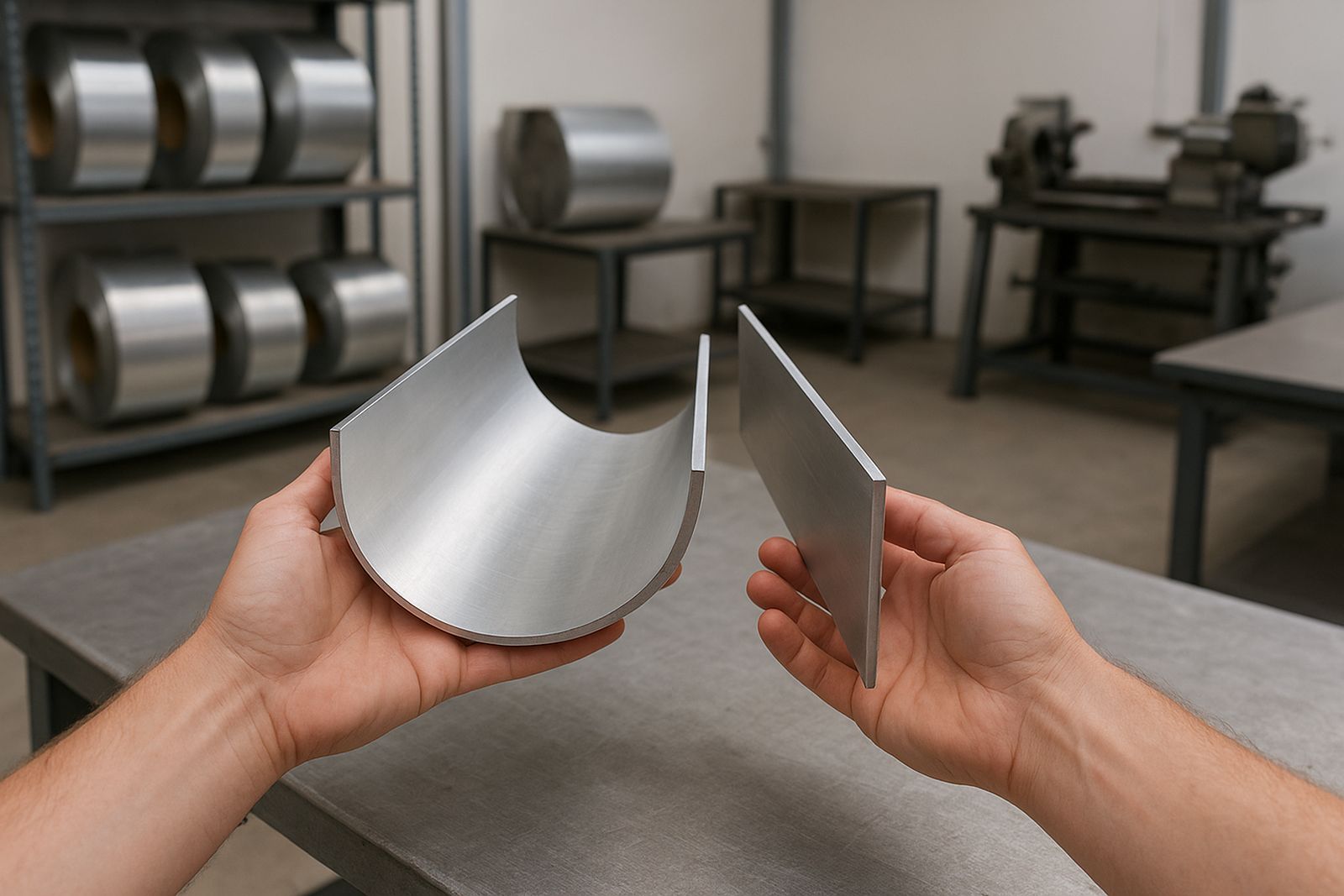
The fastest way to lose time is to throw a new operator onto a channel-letter bender and hope they pick it up by watching others. A better approach is to start with the finished product. Show them the sign face, the return, the finished corners and the quality standard the shop expects. Once they understand the end result, the machine settings make more sense.
In a Midrand workshop, one new operator may be helping with small shopfront letters for Sandton one day and larger fascia work for Pretoria the next. The same basic habits matter every time: reading the drawing properly, checking the coil size, confirming the colour and thickness, and knowing where the job fits in the production queue. That first conversation saves real money later because mistakes are not just machine mistakes, they are client delays too.
Training should also be simple enough for the whole team to follow. If only one experienced person knows how to set the machine, production becomes slow the moment that person is off sick or tied up on site. A good induction plan spreads the knowledge and gives the business some breathing room.
Build safe habits before speed
Speed comes later. Safety and consistency must come first. New staff need to understand moving parts, pinch points, blade handling and the correct way to isolate power before cleaning or maintenance. In South African workshops, load-shedding can cause interruptions, so operators should know the restart routine and how to check settings after an unexpected power cut.
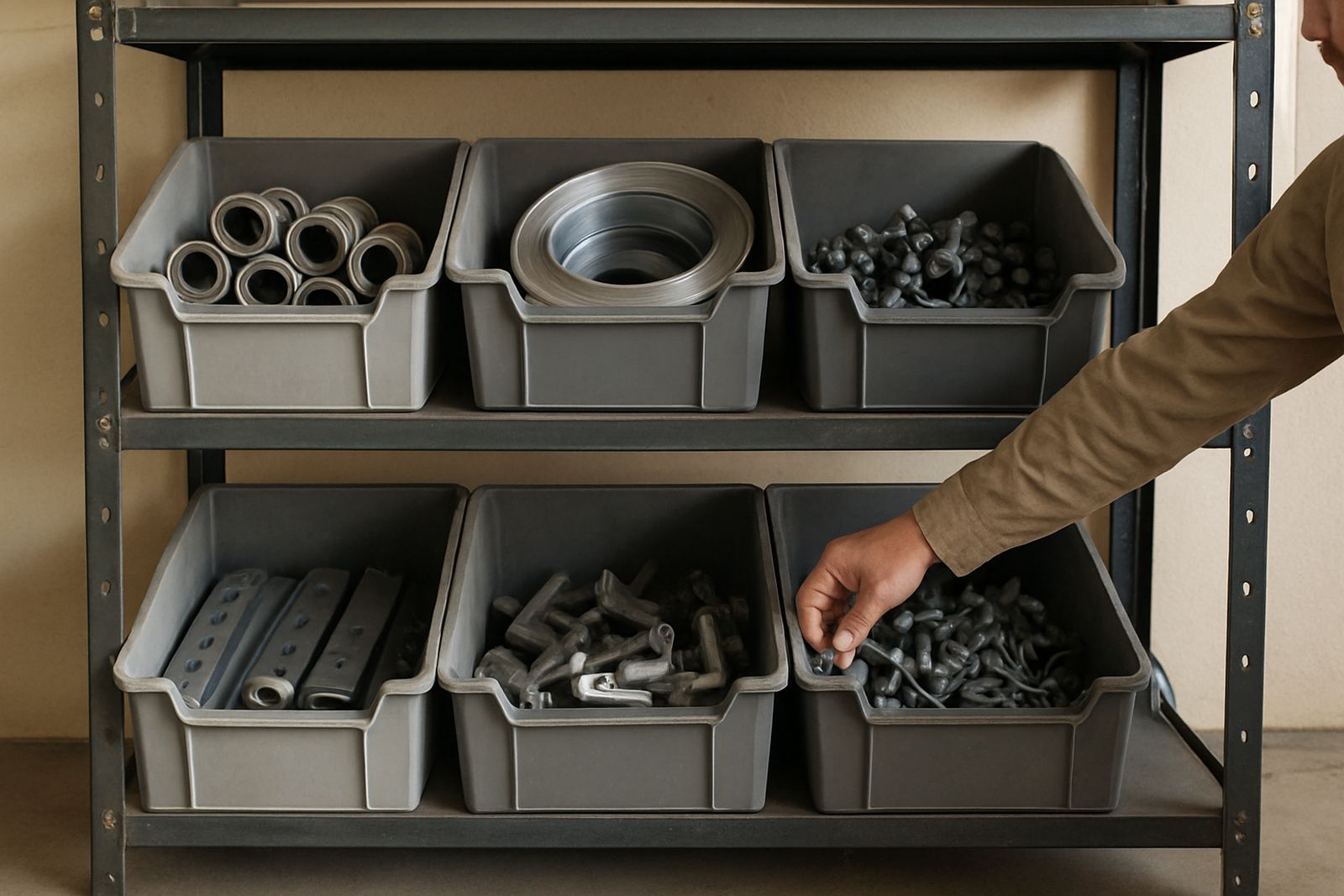
It also helps to teach the basics of workshop discipline early. Keep coils stored properly, keep returns sorted by size, and keep the work area clear of offcuts and packing straps. Coastal humidity in places like Durban can affect materials and tools, so operators should be shown how to spot signs of corrosion, moisture on storage racks and material that has been left open too long.
- Wear the right PPE for cutting, handling sharp returns and moving heavy coils.
- Check the machine guards and emergency stop before each shift.
- Use a lock-out routine when cleaning or changing consumables.
- Record faults immediately instead of carrying on and hoping they will sort themselves out.
These habits may feel small, but they prevent injuries and reduce waste. A workshop that takes safety seriously usually has better output too, because operators trust the process and make fewer rushed decisions.
Use a first-week training plan that matches real work
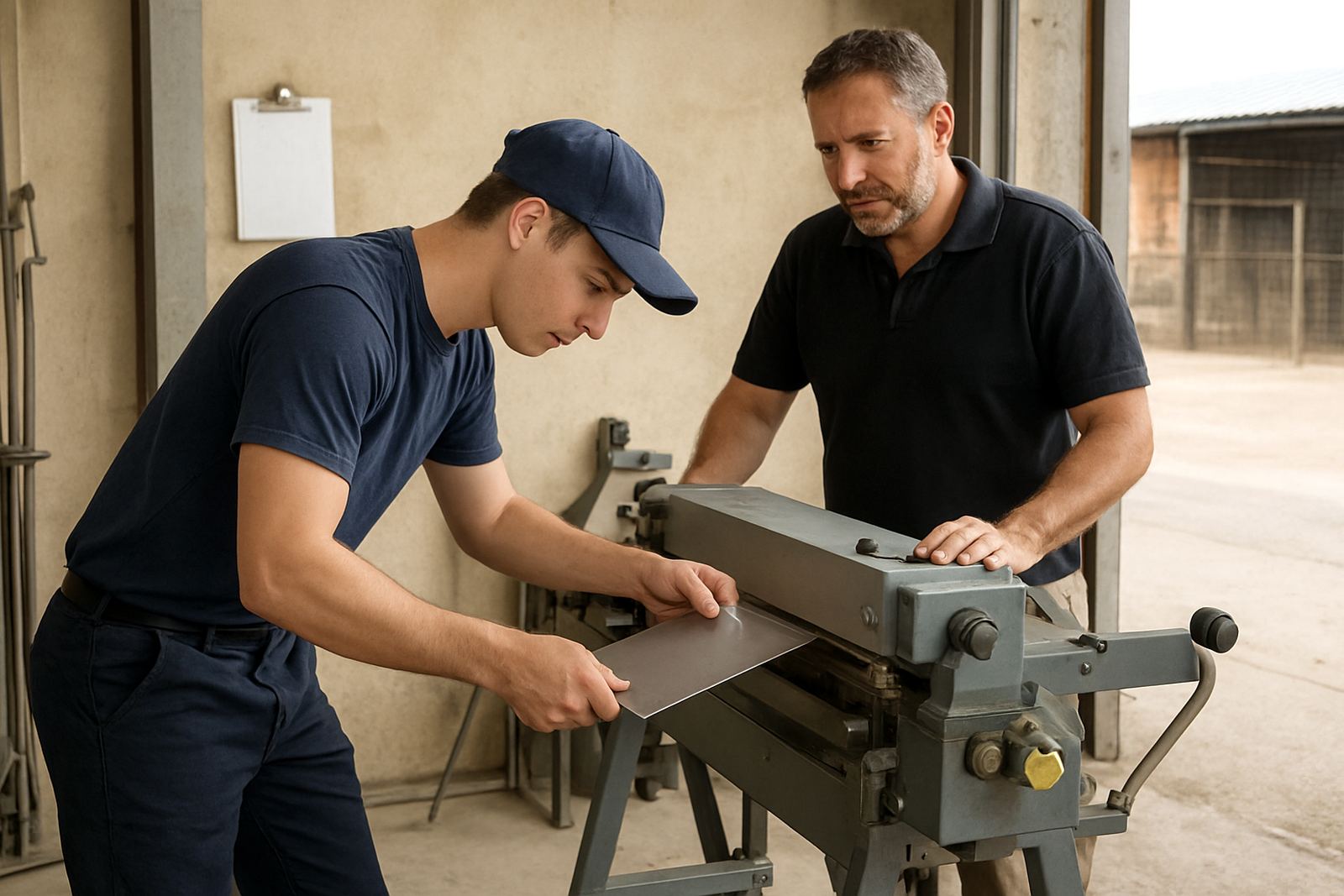
The first week should not be packed with theory for the sake of it. Keep it practical and tied to live jobs. For example, day one can cover machine parts, material handling and basic startup checks. Day two can move into simple letter runs, with an experienced supervisor nearby. By day three or four, the new operator should be tracing a full job from drawing to finished return under supervision.
For sign makers in Pretoria or the East Rand, where order sizes can shift quickly, this type of training helps the team stay flexible. One morning the operator may be preparing narrow letters for a retail sign, and later they may be bending wider profiles for a factory frontage. A well-structured plan teaches them how to adjust without panic.
- Day 1: safety, machine parts, coil and return identification.
- Day 2: setup checks, test runs and basic measurements.
- Day 3: supervised production on a simple order.
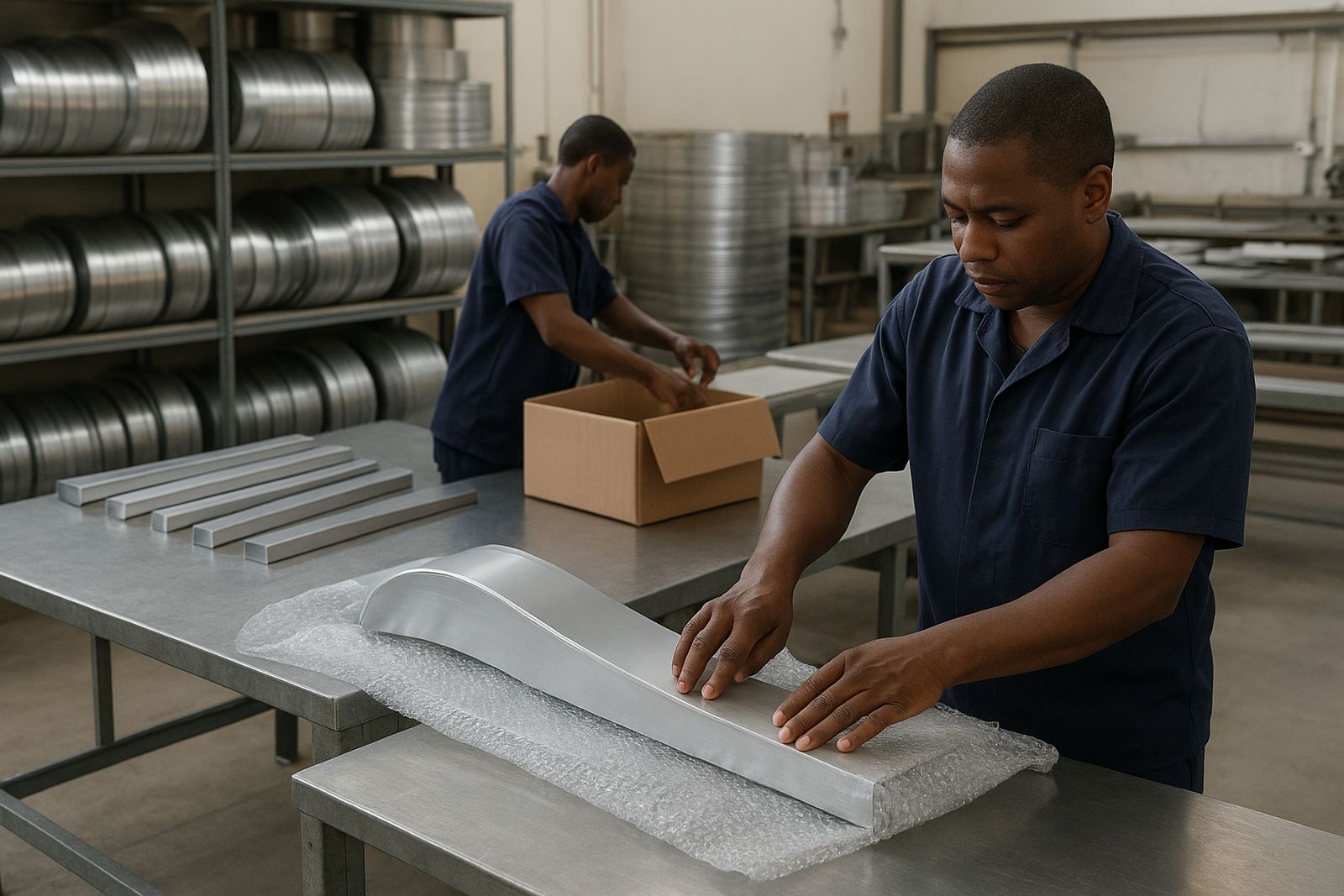
- Day 4: quality checking, labelling and packing for dispatch.
- Day 5: repeat the process with less supervision.
Keep notes on each operator’s progress. If someone struggles with measurements but handles setup well, you can coach that weakness early. That kind of record also helps when you bring in refresher training later on.
Teach the checks that prevent costly rework
Most rework starts with a missed check. New operators need a clear routine for verifying the drawing, the material, the return size and the final fit before a full run starts. This is where production coaching makes a big difference. It is not about hovering over someone all day, it is about showing them what must be checked and why it matters.
In practice, that means teaching them to measure twice, inspect the coil feed, confirm the bend radius and make sure the returns are true before moving to the next piece. A few minutes spent checking can save hours on a reinstall. I have seen one wrong profile on a small sign force a whole batch to be redone, and that hurts even more when the job is already on a tight deadline.
Operators should also know when to stop and ask for help. If the machine is making an unusual sound, if the bends are drifting, or if the returns are not seating correctly, the right response is to pause and get technical support. Pushing through usually turns a small fault into a bigger one.
Make the trainer part of the production team
Training works best when the supervisor, technical lead and operations team are all on the same page. In many workshops the client support person may hear about a delay before the floor team does, so communication matters. When the trainer knows what material is due, what install is booked and what spares are available, the whole process runs smoother.
Bonolo on sales, Kobus on technical support, Mamello on training, Yaseen on operations, Thandeka on client updates and Desigan on installations is the kind of team structure that keeps a shop organised. The operator does not need every detail, but they do need clear instructions from people who understand the workflow. That reduces confusion and helps new staff settle faster.
For businesses in West Rand or Durban working with mixed order volumes, the best results come from one simple rule: train in the same environment where the work happens. Use the actual machine, the actual returns and the actual material grades. A classroom-only approach can look tidy on paper but it often falls apart the moment the first real order lands.
Keep improving after the first month
Training should not end after the first successful job. New operators need follow-up after a few weeks, especially if they are moving from basic tasks into more demanding work. A short refresher session can fix bad habits before they settle in. It also helps with staff turnover, because the next person can be brought up to speed faster if the process has been documented properly.
Preventive servicing should be part of operator training as well. If the team knows how to clean, inspect and report wear early, the machine lasts longer and breakdowns are less frequent. That matters in South Africa where a delay can mean missed collection times, late site delivery or an install team standing idle on a Friday afternoon. Nobody wants that.
For sign makers who want dependable output, the goal is simple: give every new operator the skills to work safely, follow the process and produce consistent parts without constant rescue. With the right training, the machine becomes a tool the whole team can use confidently, not a source of stress.