What hotel signs need to do before a guest reaches reception
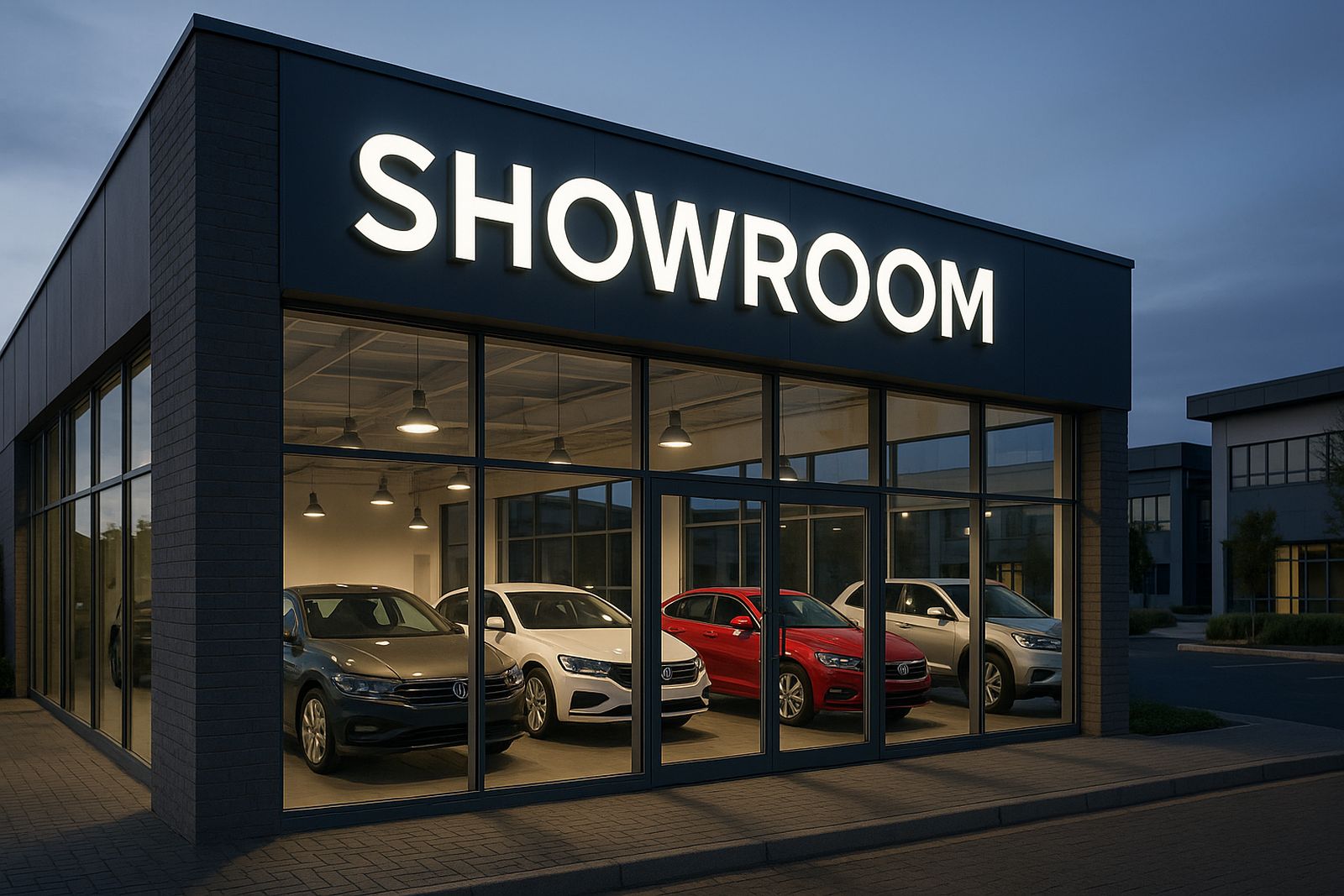
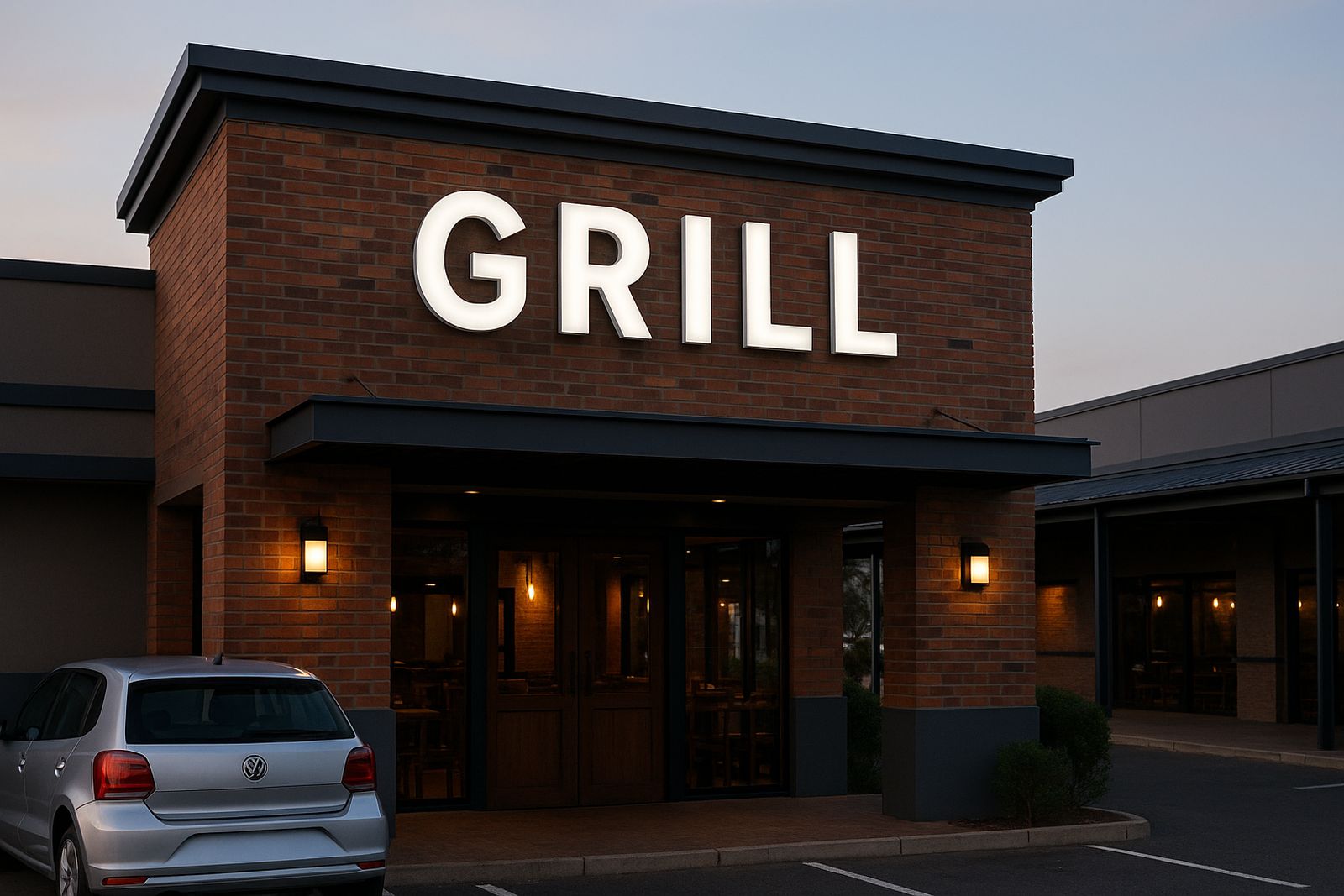
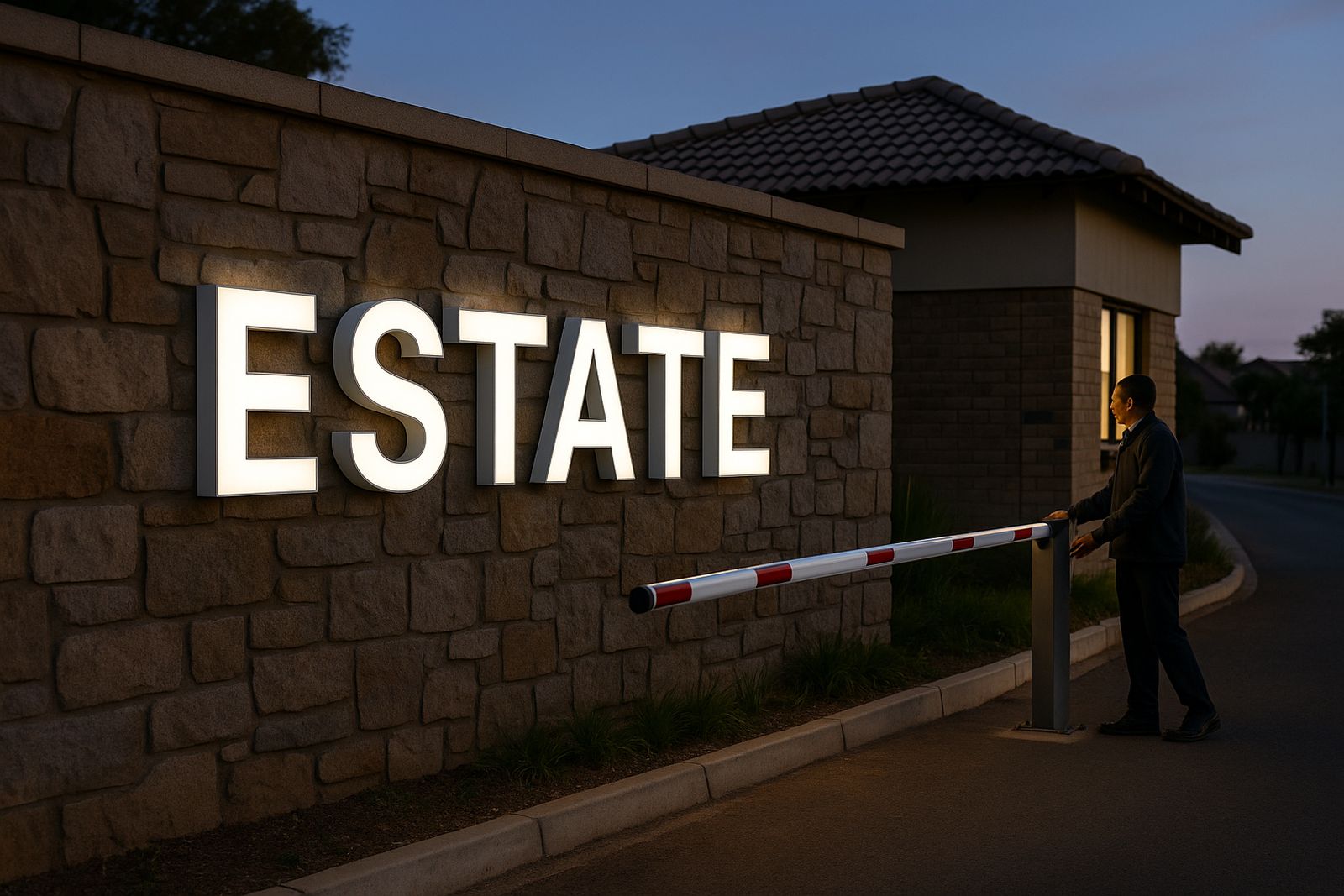
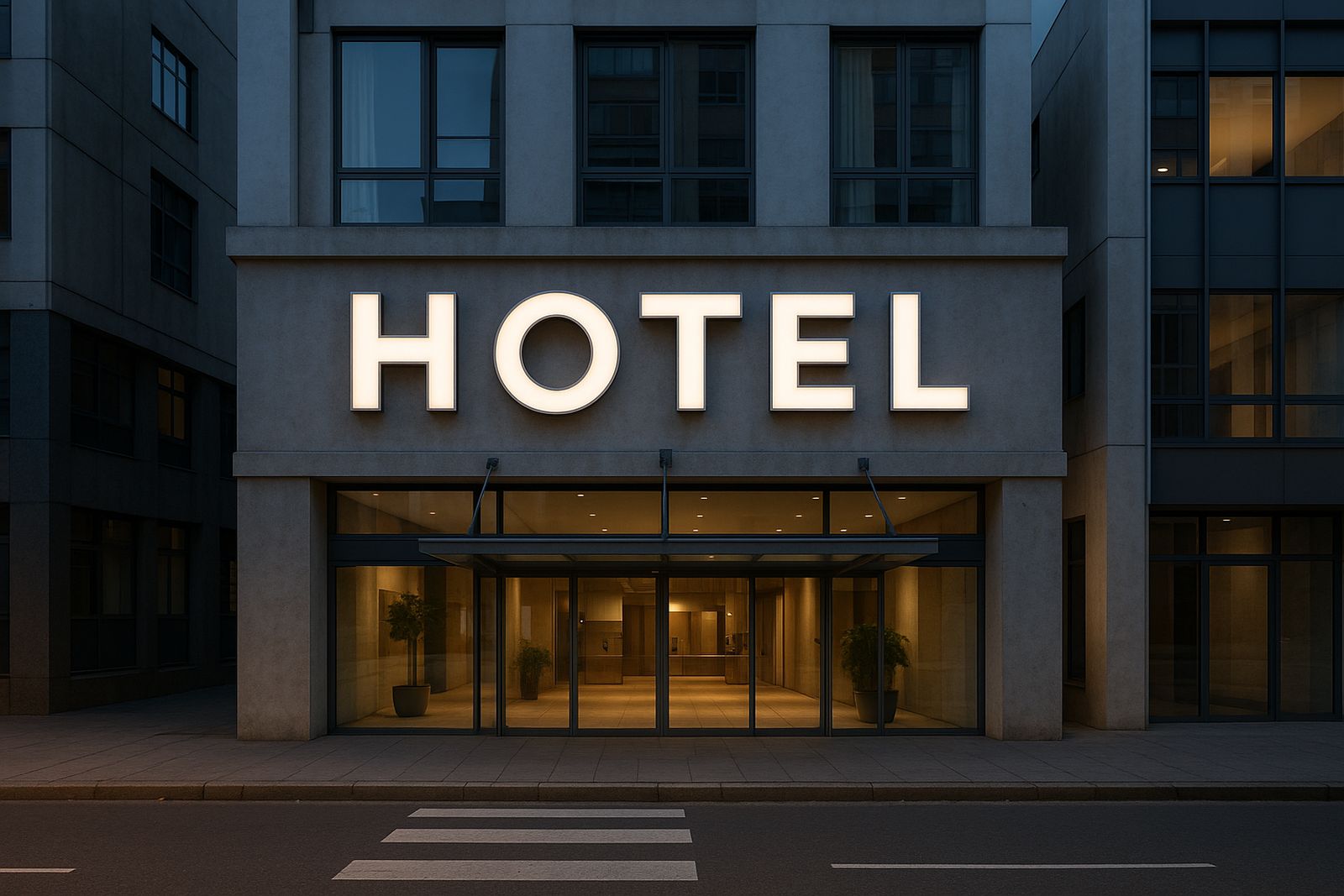
A hotel sign carries more weight than many other signs because it sets the tone before a guest has even parked. In Midrand, Sandton, Pretoria or Durban, the sign has to read clearly in daylight, still hold its shape in coastal humidity, and stay visible when the area is busy at night. That means the lettering must be neat, consistent and well lit, with no wavering edges or uneven returns.
For hospitality work, the common ask is a premium-looking fascia sign, reception wall lettering, or a street-facing identity panel that suits the building and the brand rules. Smaller properties often want a tidy, cost-controlled solution with one main sign and a few directional pieces. Larger venues may need multiple signs across entrances, driveways, parking levels and function areas. The same production standards apply in every case because guests notice poor finish straight away.
Channel-letter production machines help sign shops make lettering with cleaner folds and tighter repeatability than hand-forming alone. That is important when a hotel wants the same style across a main entrance sign, room-block markers and wayfinding panels. When the letters are consistent, the whole site looks more settled and professional.
Typical machine setup for hotel lettering and fascia work
A practical production line for hotel signs usually combines channel-letter bending machinery with matching coils, returns and fixing materials. The machine setup depends on the size of the letters, the material thickness and how much work the shop turns out each week. A small shop doing local guest house signs in Randburg will not need the same output as a manufacturer handling multiple hotel groups across Gauteng and KwaZulu-Natal.
- Channel-letter bending machine for aluminium returns in common sign heights
- Coils for letter sides in standard colours and finishes
- Return material matched to the depth required for halo-lit or front-lit letters
- Cutting and trimming tools for clean corners and accurate joins
- Basic test pieces for checking fold accuracy before production starts
Operators also need a clean work area and enough bench space for layout, checking and assembly. A machine can only do its job properly if the team feeds it accurate measurements and keeps the material flat, dry and free from damage. In humid areas near Durban, coils and returns should be stored carefully so they do not pick up marks or bow before use.
Layout planning that keeps hotel signs readable and neat
Hotel signage is often judged from a moving vehicle, which means layout matters just as much as the build. Letter height, spacing, mounting height and background colour all affect how well the sign reads. On a busy road in Sandton or Pretoria East, a sign that is too detailed can disappear. On a smaller lodge entrance, over-sized lettering can look harsh and out of place.
We always suggest starting with the actual viewing distance and the wall size, not just the logo artwork. If the sign sits above a porte-cochère, the letters need enough depth to catch light and enough spacing so they do not visually merge. For multi-storey hotels, the sign may need to be broken into sections for handling and installation, especially where access is limited or municipal rules affect hoisting and night work.
- Measure the final mounting area before artwork is approved
- Allow for lighting hardware, fixing points and cable routes
- Check whether the sign will be viewed head-on or from an angle
- Keep word lengths practical so the sign does not become overcrowded
- Confirm colour contrast for day and night visibility
Hotels that plan early save time later. If the installer has to work around glass canopies, stone cladding or existing cladding ribs, production should match those realities. A neat sign starts with a proper site measure, not a guess.
Common mistakes we see on hospitality jobs
The biggest mistake is treating hotel signage like ordinary shopfront lettering. Hotels have more public contact points, more viewing distances and more pressure on finish. If the sign is under-sized, badly lit or made with the wrong material, it can date quickly and cost more to replace than to do correctly the first time.
Another common issue is poor allowance for weather. On the coast, basic material choice can lead to premature staining or corrosion around fixings. Inland, heat and dust can affect adhesive bond and make cheaper finishes lift at the edges. Hotels also make the mistake of choosing overly detailed fonts that look fine on a screen but become messy once formed into channels.
Other errors include rushed installation, weak brackets, unclear wall mapping and no proper handover for maintenance. If the sign is to be cleaned by hotel staff, they need to know what can be washed and what should not. A sign at a Pretoria business hotel for example may sit above a busy entrance where regular cleaning is needed, but the method must not damage the face or lighting.
Budgets for hotel signs and where the money goes
Budgets vary a lot because hotel signage ranges from a single entrance sign to a full property package. As a guide, small hotel or guest house lettering jobs can start from around R8 000 to R25 000 depending on size, material and whether lighting is included. Mid-range fascia signs and reception feature signs often sit between R25 000 and R80 000. Larger hospitality projects with multiple elevations, directional signs and on-site install can move from R80 000 upwards.
The main cost drivers are letter size, return depth, finish, lighting, access for installation and how many repeats are needed. A single sign in a simple location is more affordable than a multi-panel frontage with difficult access, night work or crane requirements. Hotels near the coast may also spend more on materials and fixings suited to moisture and salt air.
- Lettering size and depth
- Lighting type and wiring access
- Wall finish and fixing method
- Number of signs across the property
- Installation complexity and site access
For sign makers, the machine investment makes more sense when it improves repeatability and reduces scrap. If the shop is producing hotel signs every month, cleaner bending and fewer reworks quickly justify the spend.
Training, setup and support for sign shops taking on hotel work
Hotel signage jobs can run under tight deadlines, especially when a venue is preparing for an inspection, opening or refurbishment. That is why operator training and setup support matter. A machine only adds value if the team knows how to set the material, check the feed, confirm the bend and keep the output consistent from one letter to the next.
From our Midrand base, we work with sign makers in Midrand, Sandton, Pretoria, the East Rand, West Rand and Durban, with installs and support nationwide. Services include operator training, onsite commissioning, preventive servicing, breakdown support, spares supply, production coaching, material selection, remote tech help, installation planning and refresher training. That helps a workshop keep moving when load-shedding, staff changes or a busy project schedule puts pressure on output.
Sibusiso Mthembu leads the business with a practical approach, and the team includes people who can help with sales, technical work, training, operations, client support and installations. For hotel sign work, that mix matters because the job is never only about the machine. It is about getting the right letter style, the right finish and the right result on site, with as little fuss as possible.
If you are quoting hotel signs for a venue in Johannesburg, Umhlanga, Centurion or East Rand, it helps to have a setup that can handle both one-off feature lettering and repeat production. That is where precise equipment and proper support pay off.