
Why showroom signs need tighter finishing
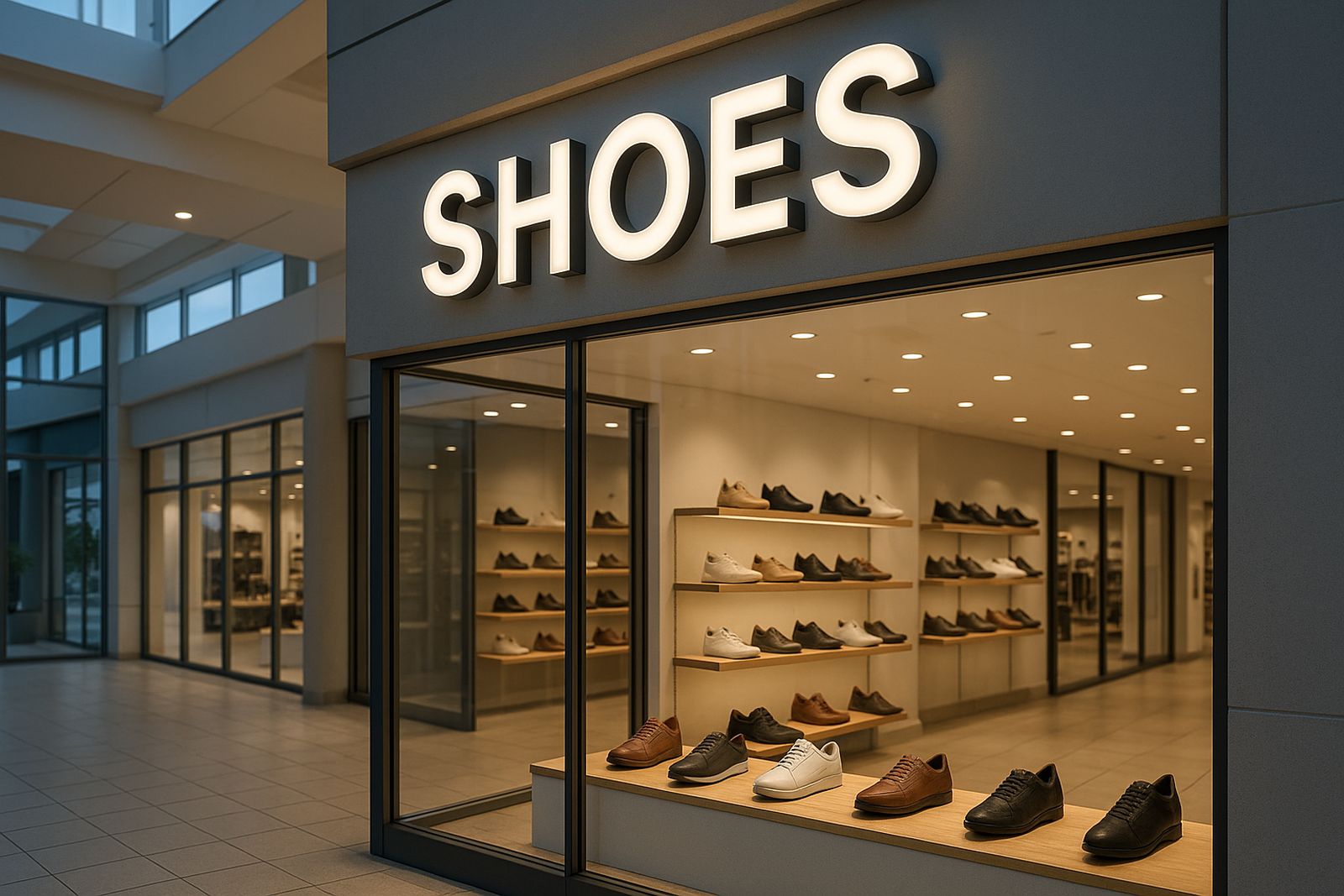
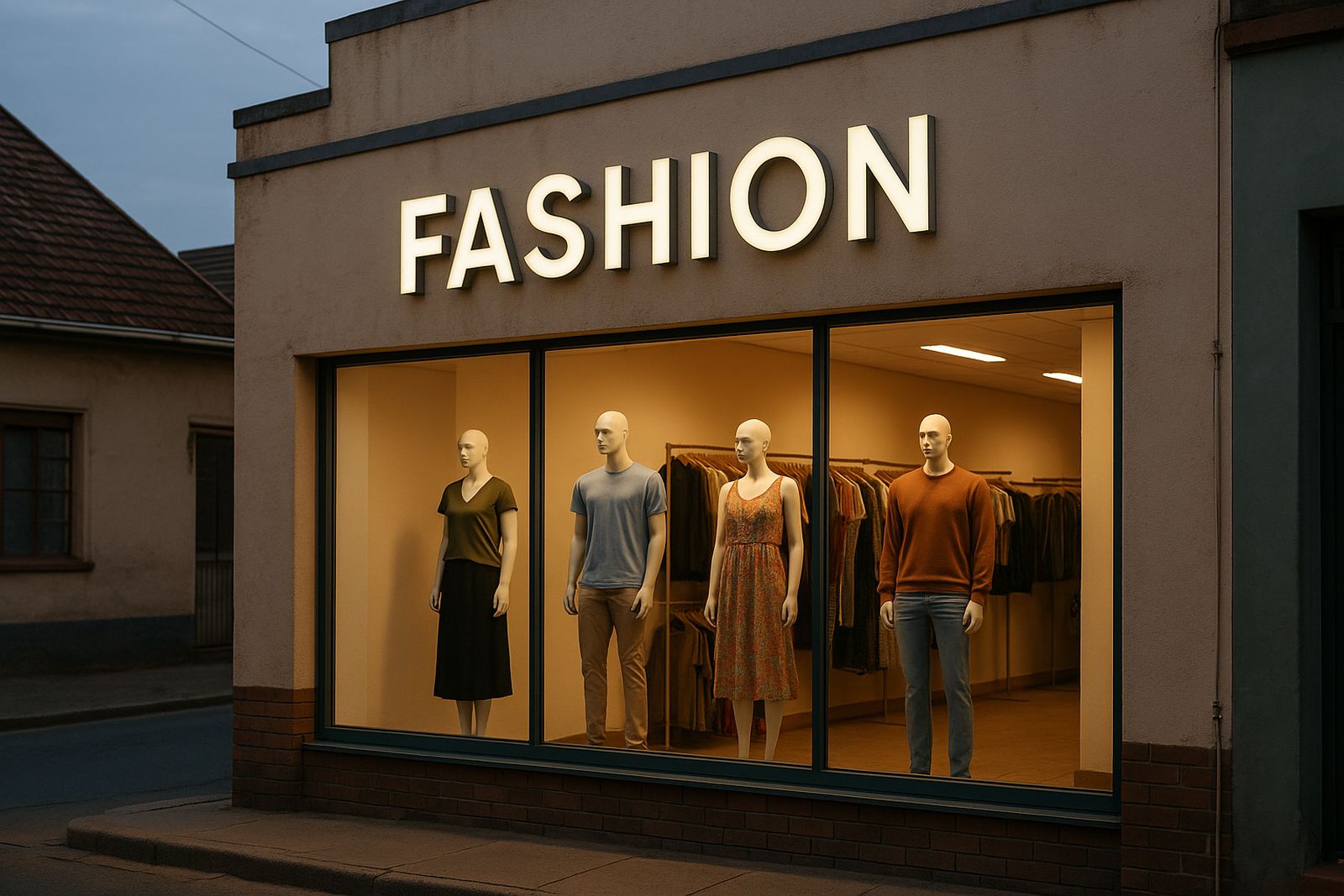
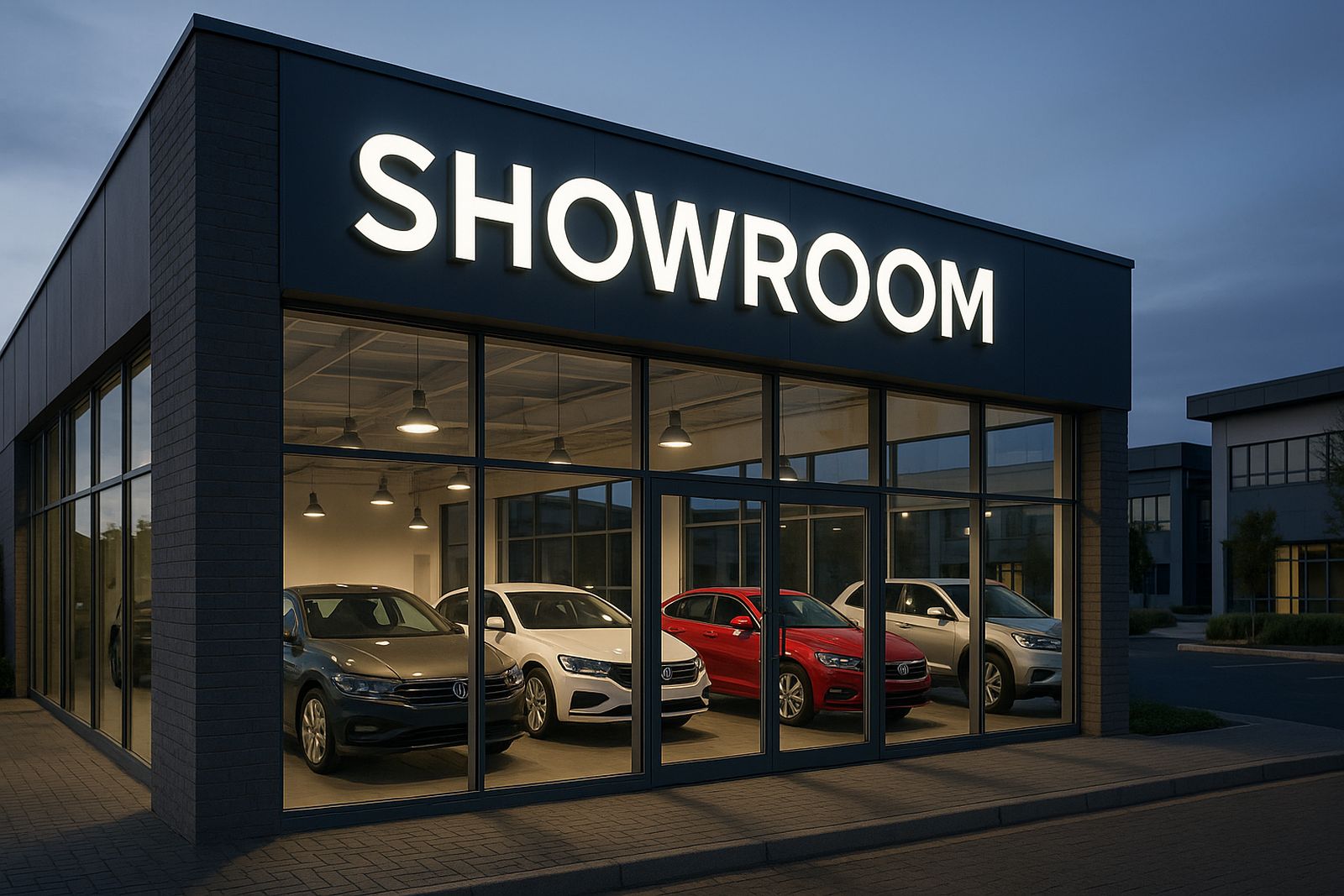
A showroom is not the place for rough joins, uneven returns or a face that sits proud on one side and dips on the other. Customers notice the small things straight away, especially on entrance fascias, internal brand walls and directional signs where the lettering sits close to eye level. In Midrand, Sandton or Pretoria you often also have glass reflections, aircon glare and strong afternoon light, so the cut and bend quality has to hold up from more than one angle.
For this kind of job, sign makers usually need consistent channel depth, accurate bends and reliable coil stock for both standard lettering and the slimmer profiles used indoors. A good setup saves time on measuring and re-working pieces that should have fitted first time. It also helps when a client wants the same look repeated across several branches, because one off colour changes and uneven returns become obvious fast.
Typical equipment for showroom work
Most showroom sign jobs are built from channel lettering, with returns formed from coils and a face fitted to suit the lighting or non-illuminated finish. Depending on the design, the workshop may also need backing trims, fixing hardware, masking materials and a cutting plan that keeps letter sets grouped by size. Where the sign runs across a long fascia, clean spacing matters as much as the letters themselves.
- Channel-letter bending machine for accurate returns and repeat sizes
- Coils in the required width and finish for local production
- Face material matched to indoor or outdoor exposure
- Mounting accessories for fascia, wall or frame fixing
- Measuring tools and templates for repeatable letter spacing
For coastal work in Durban, material choice matters even more because humidity and salt air can shorten the life of poor quality components. On inland sites, especially where load-shedding affects installation timing, it helps to pre-build as much as possible in the workshop and keep the site visit short.
Planning the layout before you cut metal
Showroom signs are usually part of a larger customer journey, not just a name on a wall. The entrance sign should guide people in, the reception branding should confirm they are in the right place, and indoor display lettering should help them find departments or promotions without clutter. A simple layout plan avoids overcrowding and keeps the lettering readable from the normal walking distance.
Before production, measure the wall or fascia twice, check the viewing height and confirm what the client sees first when they park, enter or queue. If a showroom has high ceilings, oversized letters can work well above the main counter but smaller text may suit product bays and internal walls better. It is also worth checking municipal rules for external illumination, wall fixings and any landlord conditions on drill points or fascia penetration.
- Confirm viewing distance for each sign face
- Check for glass, pillars, aircon pipes and security beams
- Allow extra clearance for letter depth on narrow fascias
- Separate illuminated and non-illuminated areas in the design plan
- Plan power routes early if the sign needs lighting
Common mistakes that cost time and Rand
One common mistake is treating showroom signage like a warehouse sign. A warehouse can sometimes get away with heavier spacing and lower finishing standards, but a customer-facing area can not. Another problem is using material that is fine in the workshop but warps after a few hot days near glass or weakens in humid conditions. That usually leads to returns, call backs and unhappy clients.
Sign makers also run into trouble when they skip operator training and then expect one machine to handle every profile. The machine needs to be set up for the material and letter size being run, otherwise the returns may be too tight or too loose. Small errors in calibration become expensive on a full set of showroom letters. A tidy workshop process, proper material selection and a short commissioning check can prevent a lot of waste.
- Using the wrong coil width for the letter depth
- Allowing face material to flex during transport
- Ignoring wall unevenness before marking drill points
- Leaving illumination wiring until after installation day
- Not keeping spare returns and spares on hand for fixes
Budget ranges for showroom sign production
Budget depends on the size of the lettering, whether the sign is illuminated, how many branch repeats are needed and what level of finishing the client expects. For a small showroom fascia in Pretoria or East Rand, a simple non-illuminated channel-letter set may start from about R8 000 to R18 000, depending on dimensions and materials. A more polished illuminated front sign for a Sandton showroom can move into the R25 000 to R60 000 range once lighting, wiring and installation are added.
For larger retail showrooms, multi-panel branding or several internal walls, the total can run from R60 000 upwards, especially if the job includes design changes, off-site fabrication and after-hours installation. When clients ask for the same look across multiple branches, it is usually cheaper per site to standardise the letter height, coil spec and fixing method. That makes reorders easier and reduces production mistakes.
For sign makers buying equipment, costs also need to include training, setup and spares. A proper bending machine is only part of the spend. You also need enough coil stock, return material and support to keep production going when a breakdown happens or a site deadline moves because of power interruptions.
How Channel Letter supports showroom sign makers
Channel Letter works with sign makers from Midrand and across South Africa who need repeatable output for showroom fascia work, indoor branding and branch rollouts. We supply channel-letter bending machines, coils and returns, then back that up with operator training, onsite commissioning, preventive servicing and remote tech help. If a workshop in Sandton or Durban needs a quick spare or a machine check, our Midrand base keeps support practical and close to hand.
Our team can also help with production coaching, material selection, installation planning and refresher training for operators who need to sharpen their setup before a busy season. For showroom projects, that means fewer scrapped letters, better finish quality and quicker turnarounds when a client wants changes at short notice. If you need to match a new branch to an existing sign set, we can help you standardise the process so the letters look the same from site to site.
Whether the job is one reception wall or a full national store rollout, the aim is the same: get clean lettering, good fit and reliable production without making the workshop overcomplicated.