What mall sign makers are up against
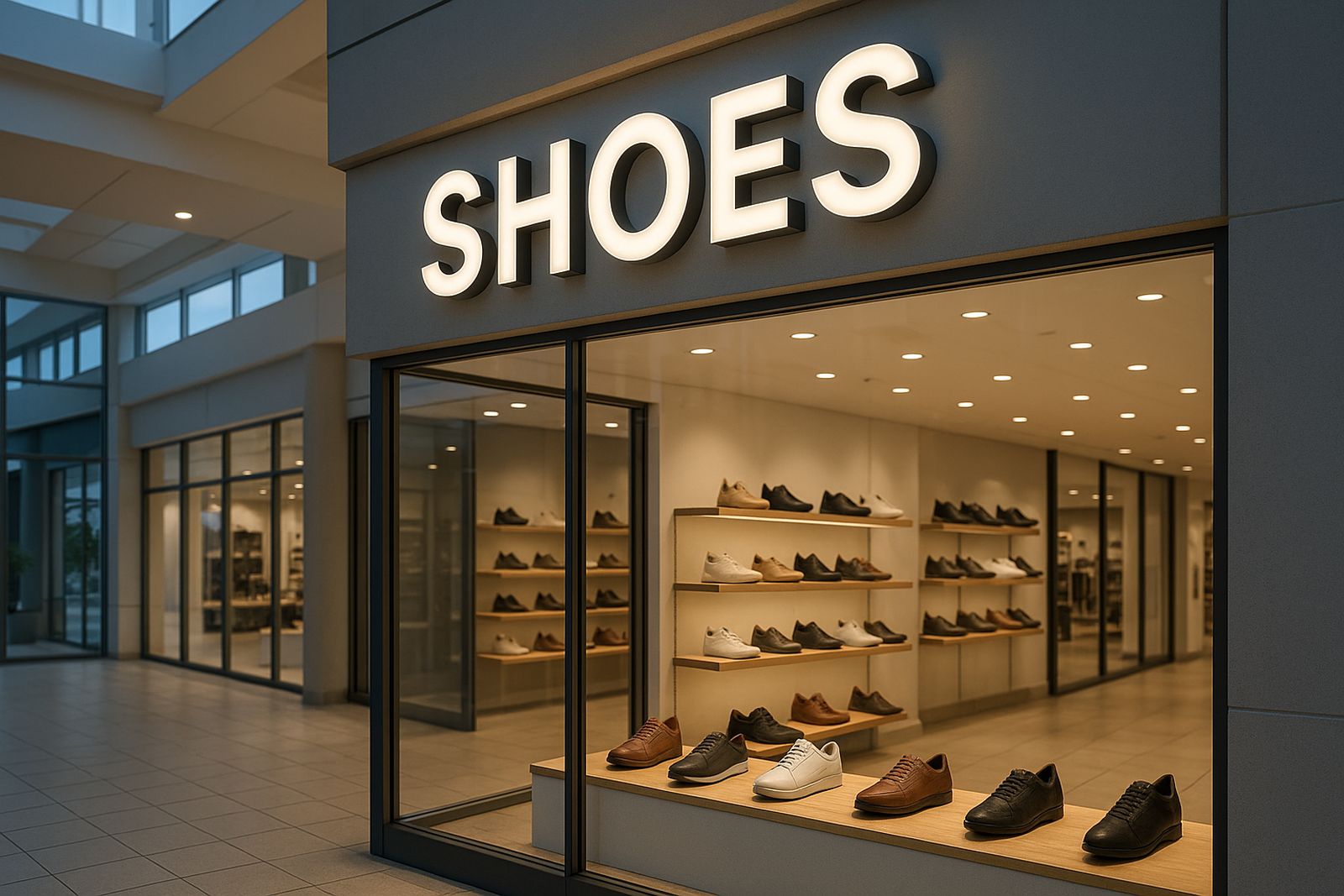
Malls are unforgiving. A sign that looks fine in the workshop can lose its edge once it is mounted above a shopfront, viewed from the escalator, or checked by a centre manager under white downlights. Letter depth has to be even, returns must sit cleanly, and face fitment needs to stay neat because people will stand a few metres away and spot any waviness immediately.
Most mall jobs call for repeatable output across a series of tenants. That means the client does not just need one nice sign, they need ten or twenty letters that match in size, colour, and finish. The machine setup must keep bend lines true, reduce manual correction, and allow a sign team to work through different fonts without wasting material. For busy shops in Sandton City, Menlyn, Gateway or East Rand centres, delays cost money and mall approval windows are often tight.
In practice, the biggest pain points are not fancy. They are things like missed measurements, poor return depth, inconsistent corner quality, and faces that do not sit flat after transport. We help sign makers set up for cleaner production from the start, so the final install looks right the first time not on the third visit.
Typical equipment for mall letter production
For mall signage, the usual set includes a channel-letter bending machine, suitable coils for the return material, and matching return profiles for the letter depth being produced. The right combination depends on whether the job is for illuminated letters, non-illuminated fascias, internal directories, or feature branding in food courts and corridors.
- A channel-letter bending machine for aluminium or pre-coated return material
- Coils in the thickness and finish suited to indoor or outdoor exposure
- Return profiles for standard letter depths and repeated production
- Cutting and trimming tools for faces, joints, and corner finishing
- Basic measuring gear for height, pitch, and mounting alignment
For many South African workshops, a compact setup is enough to handle most mall work. The machine should support steady output without needing constant adjustment, especially when load-shedding or voltage dips interrupt the day. A reliable workflow also helps when production moves between smaller tenant signs and larger anchor store branding. If your workshop is in Midrand, Pretoria or Durban, the equipment needs to handle a mix of indoor jobs and exterior pieces without fuss.
Planning the sign so the mall approves it faster
Mall signage is not only about making the letters. You also need to plan the layout around tenant rules, fire routes, sight lines, and the building facade. Many centres have specific limits on projection, illumination, fixing points and colour contrast. If the sign is too deep, too bright, or too close to another tenant line, it can be rejected before install. That is a costly delay for everyone.
Good planning starts with the actual opening size, mounting surface, and viewing distance. A shop that sits at the end of a passage needs a different letter height from a store tucked into a narrow corridor. Sign makers should also allow for maintenance access, power feed routes, and safe working space during installation. In some centres, only certain hours are available for mall work, so your measurements and templates need to be right before the crew arrives.
We often advise teams to keep a simple site checklist:
- Measure the sign zone twice, then compare it with the landlord drawing
- Confirm letter height, return depth, and spacing before cutting any material
- Check wall flatness and any cladding joints that may affect mounting
- Plan for access equipment where the sign sits above eye level
- Allow for electrical routing, especially where the mall requires hidden cabling
Common production mistakes we see on mall jobs
One common mistake is choosing the wrong return depth for the available face size. If the depth is too shallow, the sign looks thin and cheap. If it is too deep, it can sit heavy against a slim fascia and fail the centre manager’s visual checks. Another issue is overcomplicating the letter set. Fancy corners and mixed materials can look good on paper but slow production and increase scrap.
Coastal malls in Durban and other humid areas also need attention to material choice. Poorly selected coils can mark, lift, or age unevenly when exposed to moisture and air movement. Inland jobs still need care, especially where the sign sits near dust, direct sun, or strong HVAC flow that can affect adhesives and edge finishes. Small errors in cutting and forming show up quickly once the lights go on.
Teams also sometimes forget the practical side of install day. The letters may be perfect in the workshop, but the fixing pattern, template marks, or cable exit points are off by a few millimetres. Then you lose time on site, and mall access windows are not generous. A neat production process cuts those problems down a lot.
Budgets in Rand for workshop setup and support
Mall signage work can start small and grow with the right production base. A lean setup for a sign shop that already has cutting and basic fabrication tools may need only one bending machine, a starter set of coils, and return stock. More active workshops handling multiple tenants each month will need extra material holding, training, and planned servicing to avoid downtime.
As a broad working range, a smaller entry setup for channel-letter production can start from about R85 000 to R180 000 depending on machine size and material mix. A more capable production line for higher volumes, faster changeovers, and broader return options can sit between R180 000 and R420 000 or more. Ongoing support such as operator training, commissioning, and preventive servicing is normally budgeted separately so the workshop keeps running properly.
For mall work, it is better to budget for consistency than to chase the cheapest option. One rejected sign or one rushed rework can wipe out the saving. If you are producing for branches in Midrand, Sandton, Pretoria, East Rand, West Rand or Durban, it makes sense to factor in spares, backup support and training refreshers as part of the actual job cost.
Support for sign makers working across South Africa
Channel Letter supports sign makers from our Midrand base with installs and support nationwide. Our team works with small shops, regional manufacturers, and larger production teams that need proper guidance on material selection, machine use, and daily output. We also help with onsite commissioning, remote tech help, production coaching, and refresher training when a crew needs to get back into the right routine.
The people behind the service are practical and hands-on: Sibusiso Mthembu leads the business, with Bonolo Sithole on sales, Kobus Joubert on technical support, Mamello Zwane on training, Yaseen Gamieldien on operations, Thandeka Zwane on client support, and Desigan Soobramoney on installations. That matters when a mall job is booked and the workshop cannot afford guesswork.
- Operator Training for new staff and new machines
- Preventive Servicing to reduce stoppages
- Breakdown Support when production is already behind
- Spare parts supply for quicker turnarounds
- Installation Planning for centre access and safe fitment
If your team is taking on more mall fascias, food court signs or internal branding, the right setup keeps output consistent and reduces call-backs. We are happy to talk through the letter style, material thickness, and the best machine setup for your workload. A short chat can save a lot of backtracking later.