
Shopfront signs that must look neat at street level
Retail signage is often judged in a few seconds. A tenant in Sandton City, a pharmacy in Pretoria East, or a takeaway in Durban wants a sign that looks crisp after dark, keeps its shape in the wind, and does not look tired after a few months in the sun. For that kind of work, channel letters give you a cleaner result than hand-cut alternatives, especially when the client wants depth, lighting and a tidy edge.
Our equipment and materials are suited to sign makers producing shopfront signs for malls, forecourts, strip centres and standalone stores. The goal is simple: cut the making time, keep the returns even, and help your team turn enquiries into completed installs faster. In retail, that extra day can mean a missed opening date or a late handover fine.
Typical equipment set for retail sign production
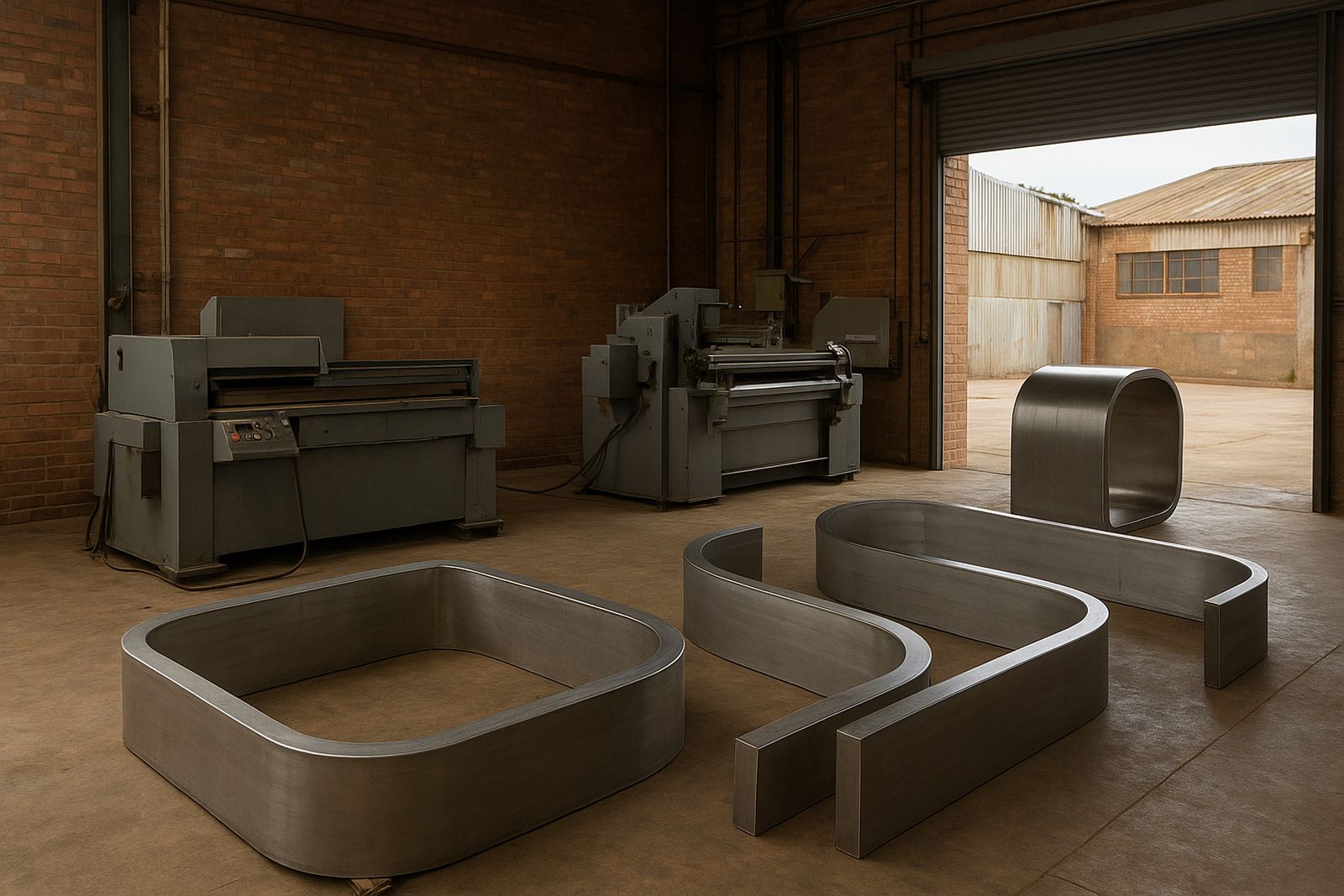
A small to medium shop sign workshop usually needs a practical setup rather than a complicated one. Most teams work with a channel-letter bending machine, coils, returns, basic cutting tools, fixing consumables and a clean assembly area. If you are doing illuminated signs, you also need consistent backing preparation, cable planning and a clear method for testing before delivery.
- Channel-letter bending machine for regular letter profiles
- Aluminium or steel coils for returns in the right width
- Face material, trim and fixing accessories
- Templates for repeated retail font sizes
- Testing area for lighting checks before site delivery
For Midrand and the wider Gauteng market, many shops keep one machine for the main production line and a second work area for finishing. That helps when load-shedding or a rush job changes the schedule. It also reduces handling damage, which is a common issue on gloss faces and pre-finished returns.
Planning the layout before the first letter is cut
Retail signs need more than a machine order and a coil invoice. Before production starts, the shopfront opening, mounting surface, local height limits and electrical route should be checked. A neat sign can still fail if the wall is uneven, the fixing points are poor, or the power feed was left too late. On coastal sites, especially in Durban, you also need to think about corrosion and moisture around fittings.
We help with installation planning, material selection and onsite commissioning so the workshop and the install team are working from the same plan. If the sign is going to a mall or a managed centre, there may be site rules for access times, drilling, lift use, and after-hours work. It is better to sort that out early than discover it on delivery day.
- Confirm face size and viewing distance first
- Check wall condition and fixing points on site
- Allow for weatherproof cable runs and access panels
- Plan for after-hours install windows where required
- Keep spare returns and fixings for small on-site changes
Common mistakes that slow down retail jobs
Retail work gets messy when jobs are rushed through without repeatable methods. One common mistake is using the wrong return depth for the letter size, which makes the sign look thin or awkward. Another is setting the spacing too tight, so the letters look crowded once they are lit. You also get trouble when the team does not test each module before packing, because a fault found on the roof is far more expensive than a fault found on the bench.
We often see issues with bending accuracy, poor coil storage, and mixed materials on the same job. Coils kept in a damp corner can mark or kink, especially in humid coastal conditions. If the finish must match across multiple branches, standardise the material and keep the production settings written down. That small habit saves time when a second store opens three months later.
Budget ranges for retail signs in Rand
Costs depend on letter size, face material, lighting, access height and the number of units going out each month. For a small retail workshop, a starter setup for channel-letter production can begin at about R85 000 to R180 000, depending on capacity and controls. A more settled operation, with better output speed and support gear, often lands between R220 000 and R520 000. Larger production lines can go higher if you are handling repeated mall rollouts or national store programmes.
When planning a retail sign budget, do not only look at the machine price. Add consumables, training, maintenance, transport, and install tools. A machine that saves 20 minutes per letter can pay for itself faster than a cheaper unit that needs constant rework. For most Midrand and Gauteng sign shops, the right question is not what is the cheapest, but what will still produce clean work after 500 letters and a few urgent night installs.
Support for sign makers working across South Africa
Channel Letter works with sign makers in Midrand, Sandton, Pretoria, the East Rand, West Rand and Durban, with installs and support nationwide. Our team includes Sibusiso Mthembu, Bonolo Sithole, Kobus Joubert, Mamello Zwane, Yaseen Gamieldien, Thandeka Zwane and Desigan Soobramoney, and we assist with operator training, refresher training, preventive servicing, breakdown support, spares supply and remote tech help.
For retail signage, that support matters because the work is time-sensitive and the margins can tighten fast. A delayed sign can hold up a store opening, and a faulty return line can waste a whole evening shift. If you need help setting up production or choosing the right material for a retail run, our Midrand base is ready to assist. Send a message through our contact form for practical guidance and site-ready support.