What our breakdown support covers
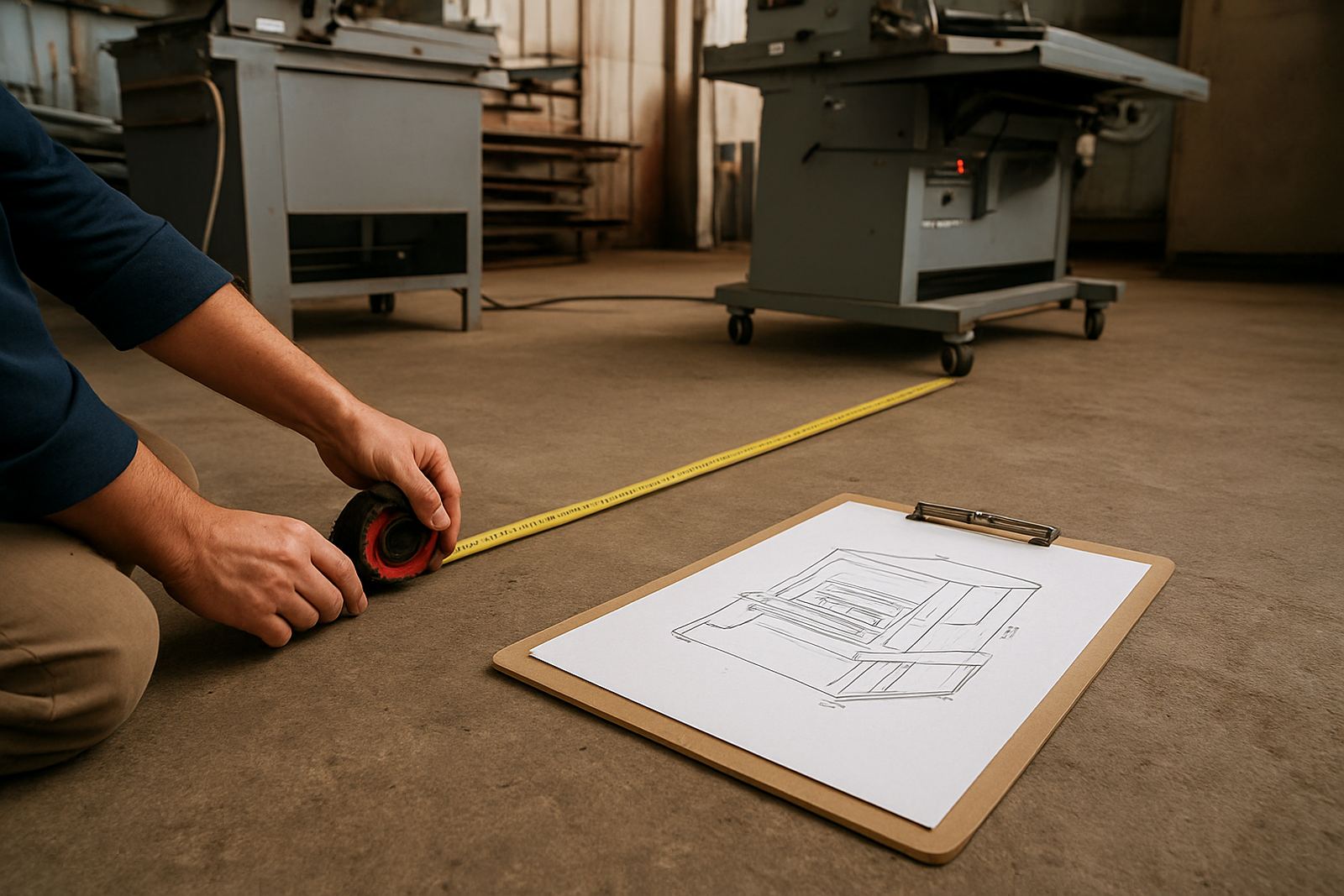
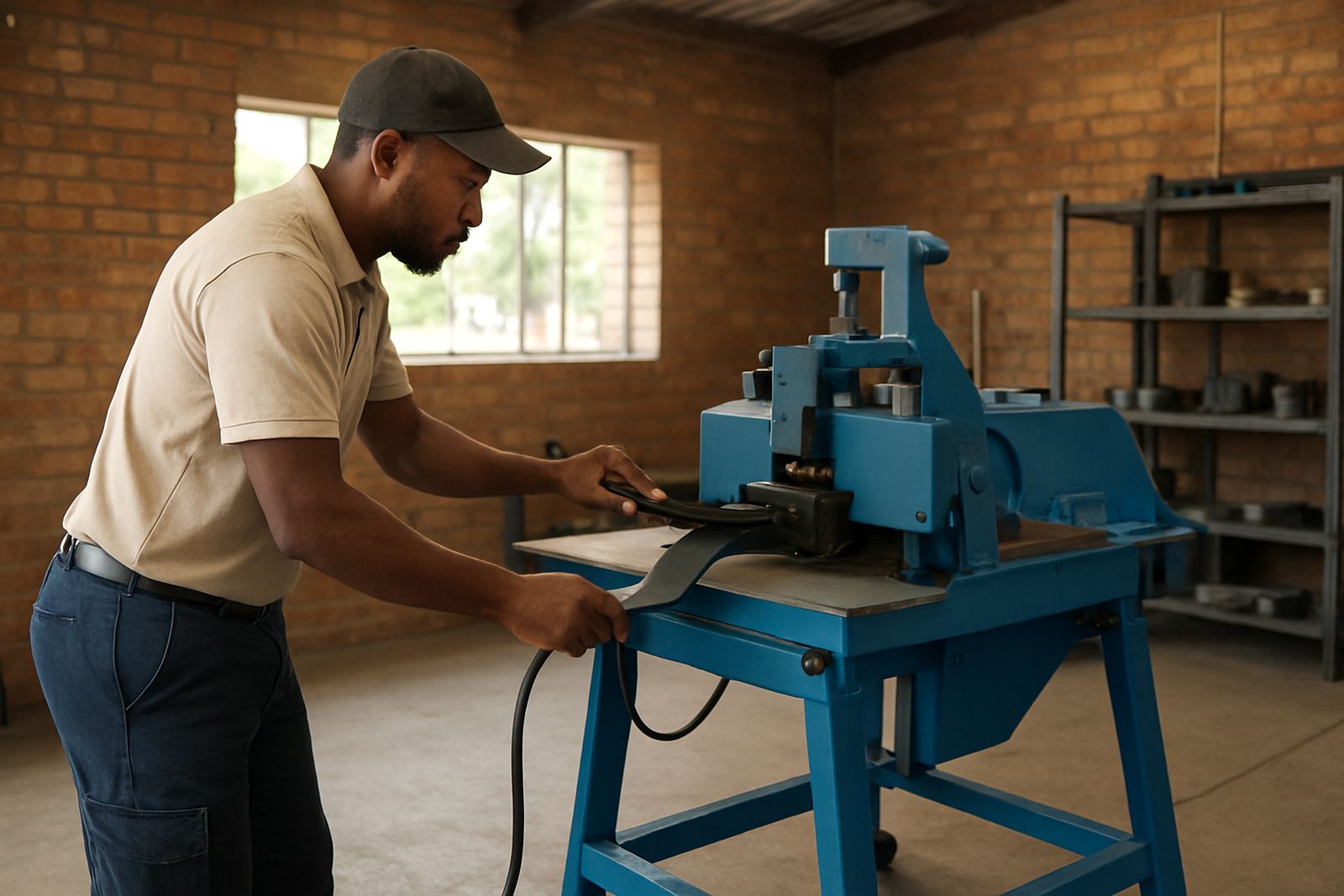
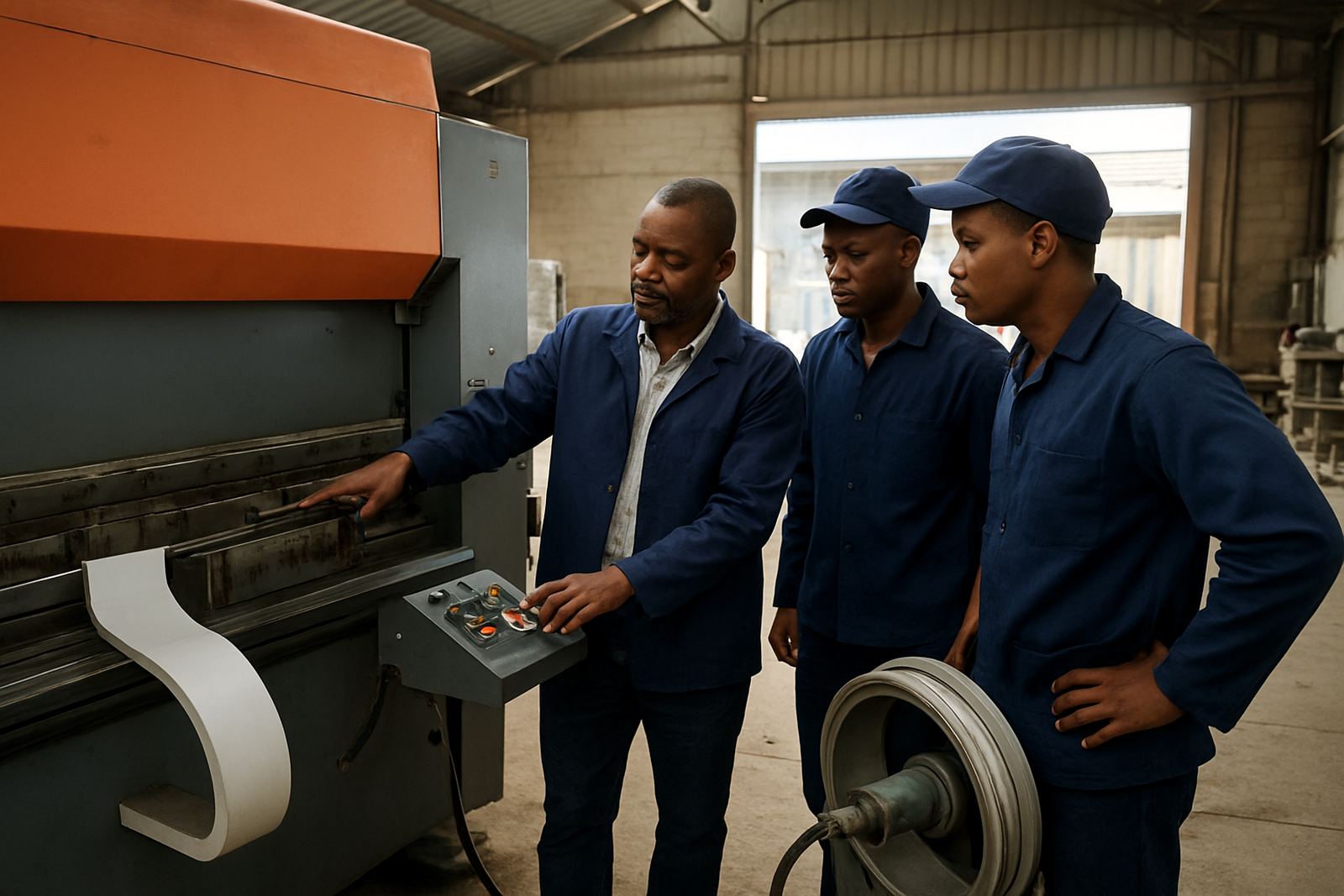
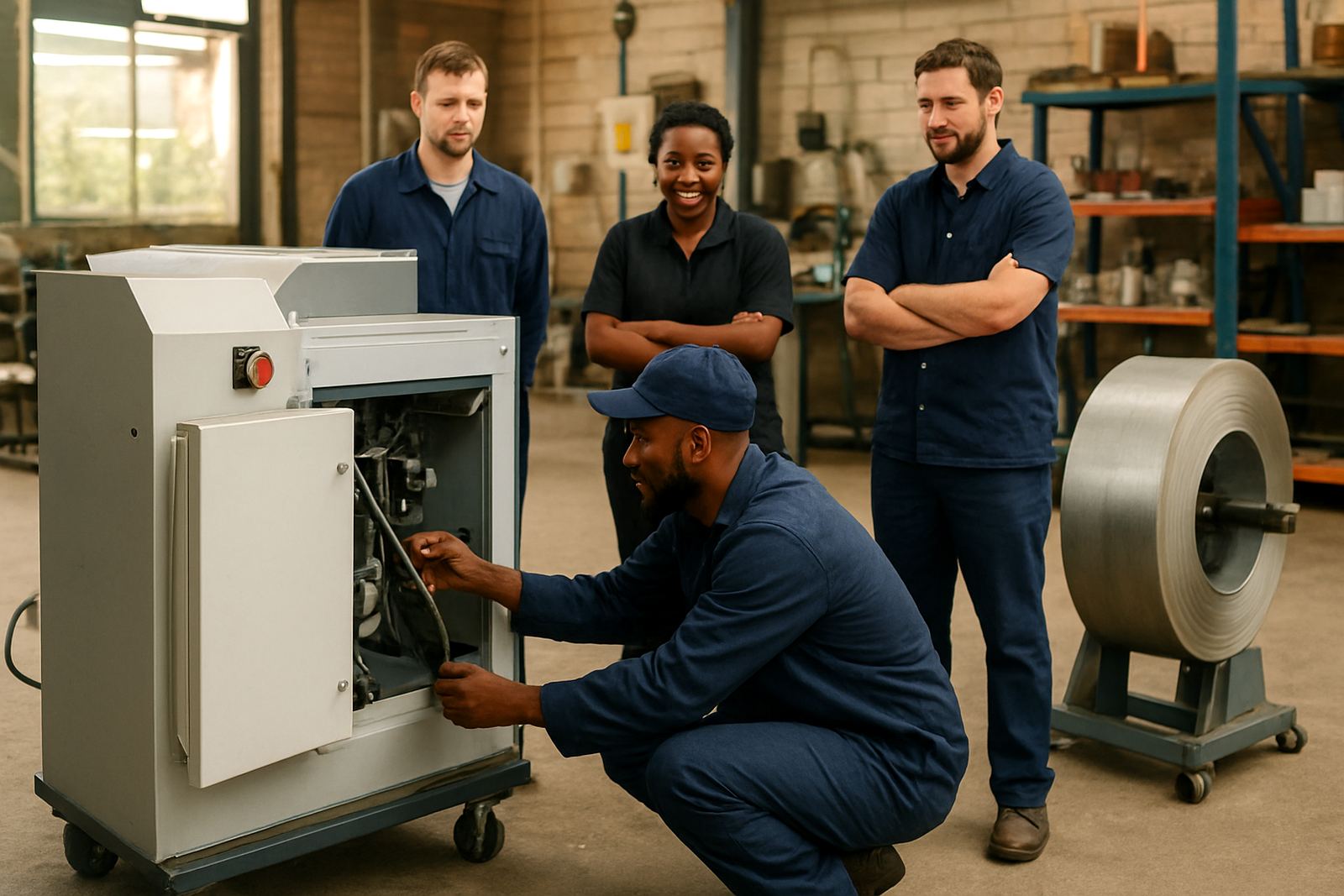
Our breakdown support is for channel-letter bending machines, coil handling equipment and related production setups used by sign makers across South Africa. We assist with faults that affect cutting, feeding, bending accuracy, return formation, power supply issues, control faults, alignment, sensor failures and inconsistent output that leads to rejected letters or wasted material.
Support is available for workshops in Midrand, Sandton, Pretoria, the East Rand, the West Rand and Durban, with nationwide assistance for sign-maker installs where practical. If your team is working under pressure, we aim to reduce downtime fast and help you protect delivery commitments. In many cases we can stabilise the machine remotely first, then arrange a site visit if physical repair is needed.
- Fault diagnosis for electrical, mechanical and control-related problems
- Remote support for common stoppages and set-up related faults
- Onsite repair assistance where hands-on work is needed
- Spare parts supply for worn or failed components
- Advice on whether to repair, adjust or replace a part
How we diagnose a machine fault
We start by gathering the details that matter most: machine model, fault symptoms, error messages if any, recent changes to settings, and whether the problem started after a power interruption, material jam or maintenance work. In South Africa, load-shedding, voltage swings and dust in the workshop are common causes of sudden problems, so we ask the right questions early to narrow the cause.
Once the issue is clear, we guide your operator through safe checks and simple tests. If the fault points to a sensor, drive component, cutter head, feed system or control board, we move to the next step with a practical repair plan. That might mean remote correction, a parts replacement, or an onsite visit for alignment and commissioning checks. We keep the process straightforward, because when production is down you do not need guesswork.
- Confirm the fault and stop any further damage
- Check power quality, feeds, sensors and material movement
- Test individual components and isolate the failed section
- Plan the fastest safe repair route
Turnaround times and how we prioritise jobs
Breakdown calls are prioritised by production impact. If a machine is completely down and jobs are due for collection, that call goes to the front of the queue. If the fault is intermittent but still affecting output, we will work with your team to keep the line moving while parts or a technician are arranged. For clients in the Gauteng metro, onsite attendance is more straightforward than for distant sites, regardless of where the machine is based.
Remote support can often begin once we have the call details and the information needed to assess the fault. For onsite work, timing depends on location, access, the type of fault and whether spares are needed. Where possible we will give you a realistic time window so your team can plan shifts, deliveries and client updates. We know missed deadlines cost more than repair time alone.
Spare parts, recovery work and repair decisions
Many breakdowns are caused by a single worn item rather than a major failure. In those cases it makes sense to replace the affected component and carry on. Other faults point to a wider issue such as poor alignment, electrical instability or repeated material handling errors. We do not push unnecessary replacements. Instead, we tell you what is worn, what can be repaired, and what should be monitored.
Our support can include supply of common spares, replacement of damaged consumables, and recovery work after a stoppage. For workshops near the coast, moisture and salt air can affect connectors, fasteners and moving parts more quickly than expected, so we also check for corrosion and contamination. In inland areas, dust and heat are often the bigger problem, especially where machines run long shifts. Either way, the aim is to return the machine to steady output, not just get it running once.
- Replacement of failed sensors, cables and control items where applicable
- Mechanical recovery after jams, misfeeds or incorrect setup
- Checks on wear points that may cause repeat failures
- Clear advice on what to keep in stock for faster future recovery
Pricing approach for breakdown support
Breakdown support is priced according to the nature of the fault, the level of technical input needed, the site location and whether spares are included. Remote troubleshooting is normally the least costly option and is often the fastest way to stop a small issue from becoming a full shutdown. Onsite work is quoted once we understand the problem and the likely time on site. If a replacement part is required, we confirm that separately before proceeding.
We are careful with costs because many sign shops run on tight production margins. The real expense is often lost time, urgent rework and missed delivery. That is why we focus on getting the machine back into service efficiently rather than stretching a repair into something bigger. For regular clients, it also helps to keep a simple record of past faults so repeated issues can be spotted sooner.
Maintenance intervals that reduce repeat breakdowns
Breakdown support works best when it is paired with regular preventive care. Machines that bend and handle coil material need routine checks at intervals that suit the workload, not just when something fails. A busy sign shop running most weekdays should plan inspections at least every 3 months, with more frequent checks if the machine runs long hours or processes high volumes. In workshops with heavy dust, unstable power or coastal humidity, monthly visual checks can save a lot of downtime.
We recommend a basic schedule that includes cleaning, alignment checks, fastener tightening, sensor inspection, feed path checks and software or control verification where applicable. After a power interruption or surge, it is also sensible to test the machine before resuming full production. Good maintenance does not remove every fault, but it does lower the chance of an avoidable stoppage when deadlines are close.
- Weekly cleaning and visual inspection by the operator
- Monthly checks in harsher operating conditions
- Quarterly servicing for active production sites
- Immediate inspection after power faults or unusual noise
Key facts
| Support area | Midrand and nationwide for sign-maker installs |
|---|---|
| Response type | Remote troubleshooting and onsite assistance |
| Machine types | Channel-letter bending machines and related production equipment |
| Common faults | Feeding, bending, cutting, sensors, power and alignment |
| Typical turnaround | Same-day remote start where possible, onsite by site and fault |
| Contact | Contact form | Midrand base |