
What onsite commissioning covers
Onsite commissioning is the handover step after delivery, when the machine is installed in its working position, checked against the factory settings and run under real production conditions. We work at your site in Midrand, Gauteng or at sign shops and factories across South Africa, from Sandton and Pretoria to Durban, the East Rand and the West Rand.
The aim is simple: get the machine cutting and bending to the right standard, train the operator on the controls and confirm that the first coil or return profile is produced cleanly. We also check the practical issues that matter in South African workshops, such as power stability during load-shedding, compressed air supply, earthing, floor space and safe access around the machine. If the unit will sit near a coastal site in Durban or another humid area, we pay extra attention to moisture control and storage practices.
Our commissioning visits suit single machines, small production rooms and larger sign manufacturing lines. The service is especially useful where staff are new to the equipment, where the installation must fit around existing jobs, or where you need a measured start before full production begins.
What is included in the first visit
We keep the visit practical and focused on production readiness. The exact scope depends on the model and your site setup, but the normal visit includes these steps:
- Positioning check and final levelling on site
- Power-up inspection and control panel verification
- Safety checks for guards, stops and access points
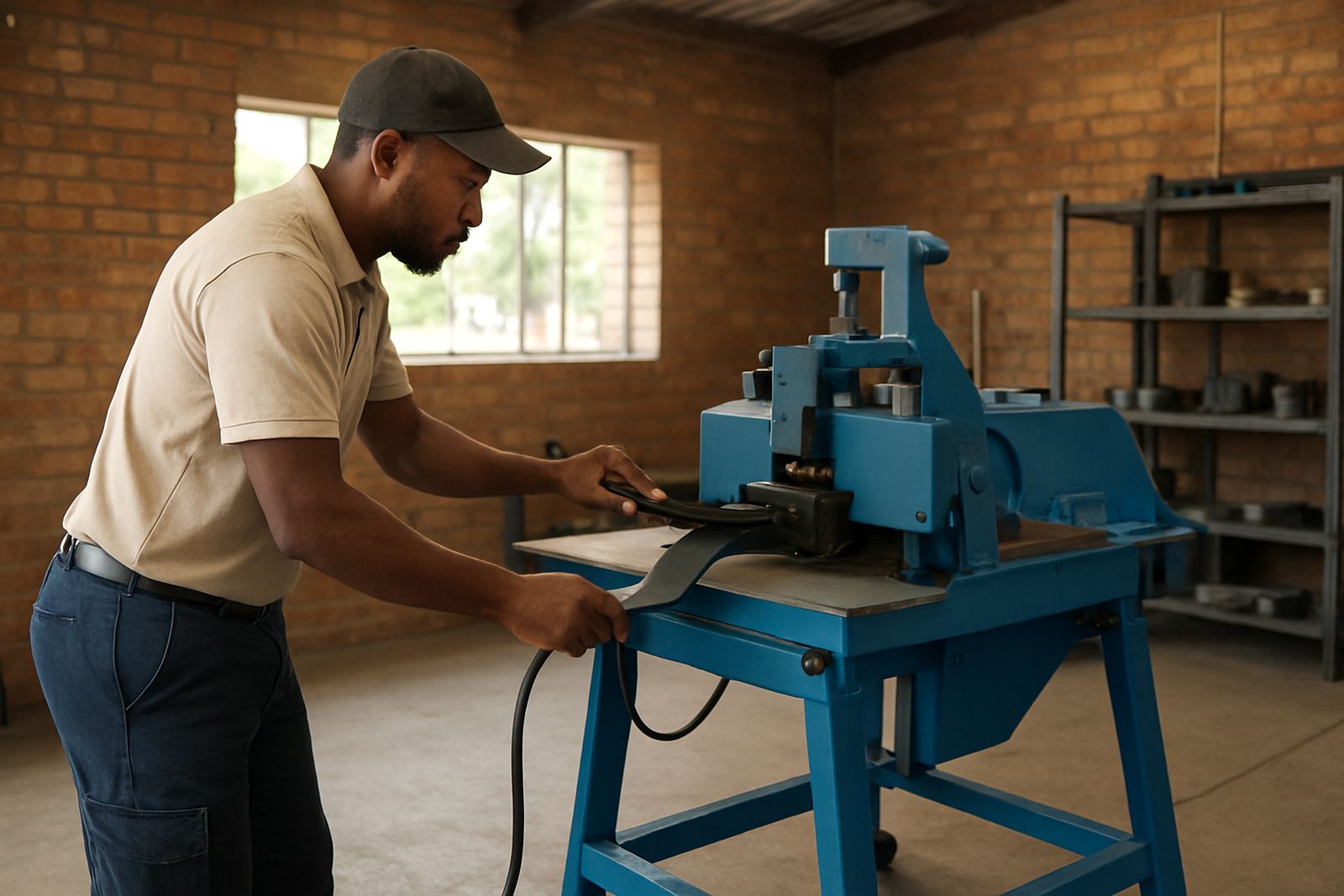
- Initial calibration and test bends or test cuts
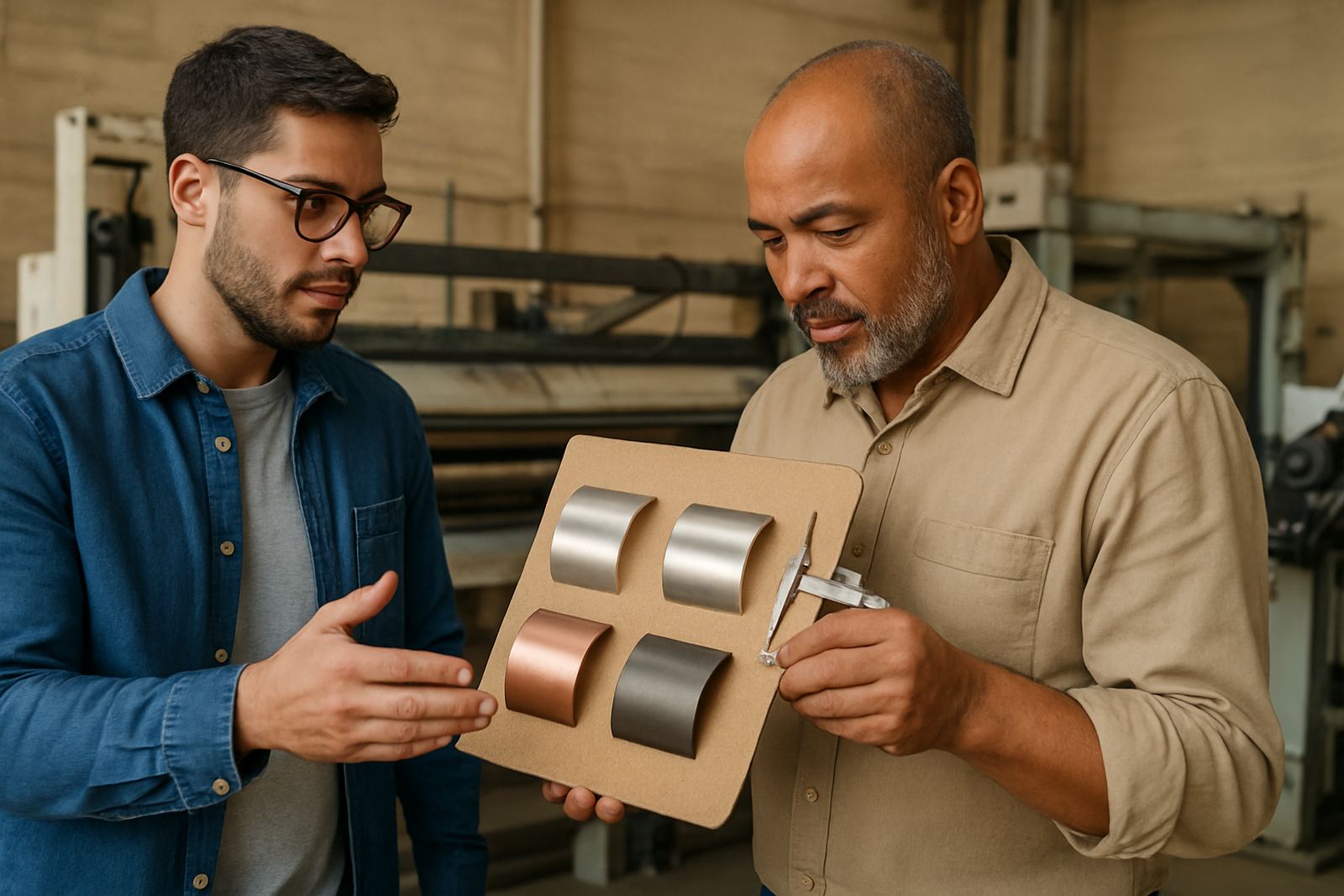
- Material feed checks for coils, returns and related stock
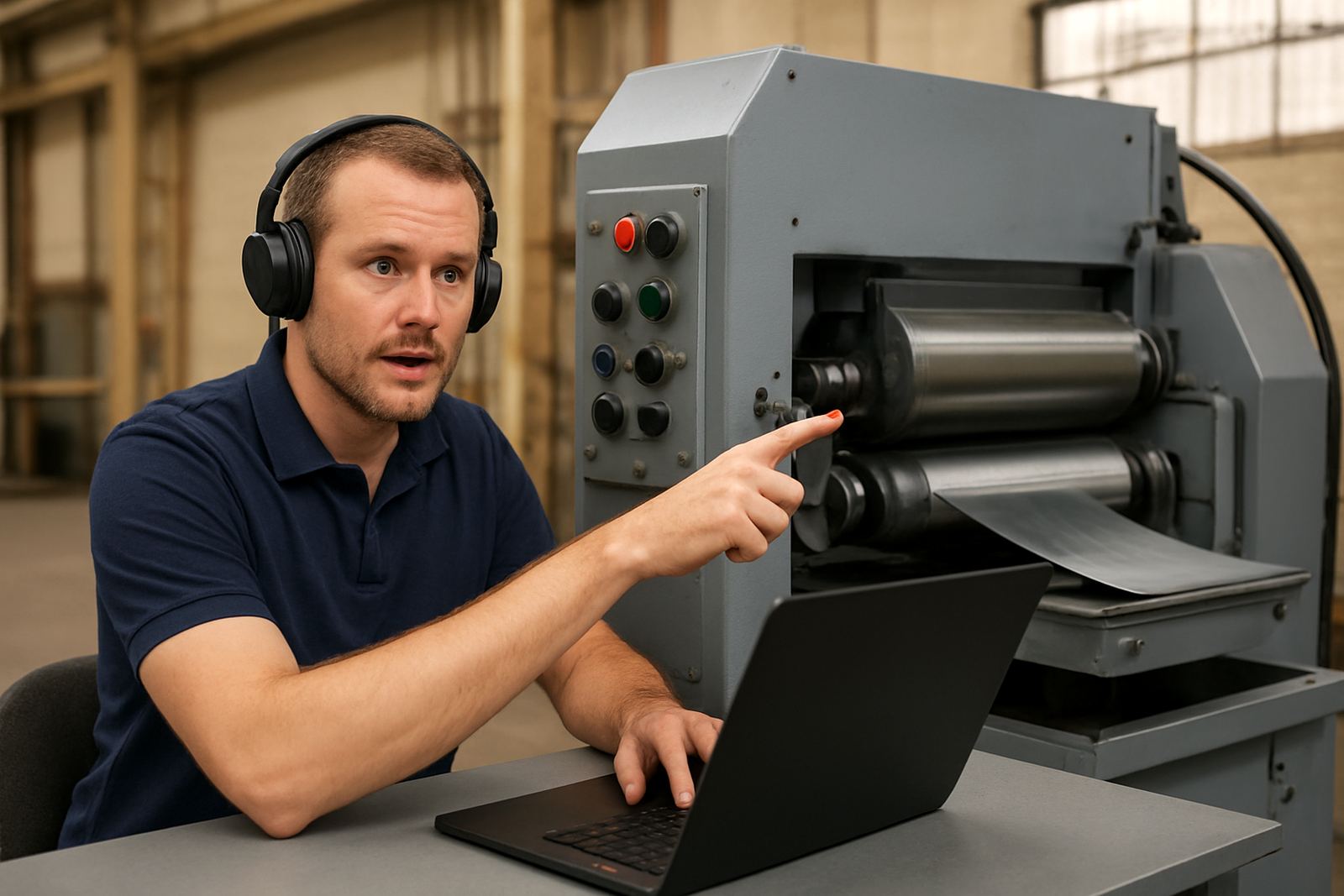
- Operator walk-through for controls, alarms and daily start-up
- First-run support with live production pieces
- Basic housekeeping advice for dust, swarf and coil storage
If needed, we also look at workflow around the machine, including where raw coils are stored, how finished returns are stacked and how jobs move from design to production. That helps avoid bottlenecks later on, especially in busy shops where one missed handover can slow the whole day. Small issues like uneven floors, loose plugs or poor lighting can cause trouble, so we check those early.
How the commissioning process runs
The process starts before we arrive. Once delivery is confirmed, we ask for photos of the installation area, power supply details and the material sizes you plan to run. That lets us prepare the right checks and any tools or spares that may be needed. When we arrive, we verify the machine position, confirm the supply is stable and then complete the setup in the correct sequence.
We test the machine with real stock so the operator can see how the settings affect output. If a return is too tight or the feed is not smooth, we adjust it there and then. The handover ends with a short production run and a question-and-answer session for the team. If your staff need extra support, we can stay on for refresher training or book a follow-up remote check after the first production week.
- Pre-visit information check
- Arrival and site safety review
- Machine setup and calibration
- Test run with your material
- Operator handover and sign-off
- Follow-up support if required
Turnaround times and site readiness
Most onsite commissioning visits can be scheduled within a few working days after the machine reaches your premises, depending on your location and the delivery slot. Midrand, Sandton, Pretoria and the East Rand are often quicker to reach, while Durban and further regional sites may need a firmer booking window so that travel and time on site can be planned properly. For urgent start-ups, we try to align commissioning with delivery so the machine is not sitting idle.
For a smooth visit, the site should be ready with enough floor space, stable power and the correct stock on hand. If the unit needs to work through a generator, inverter or backup power arrangement, tell us in advance so we can test the start-up under those conditions. It is also best to have one operator and one supervisor available during the visit, since that speeds up decisions and reduces delays.
In most cases, a standard commissioning visit takes half a day to a full day. Larger installations, multiple machines or first-time teams may need more time. We would rather spend the extra hour getting the settings right than leave you to fight the same problem later.
Pricing approach and what affects the quote
Commissioning is priced according to travel, machine type, complexity and the time needed on site. A single machine in Midrand usually costs less to commission than a multi-unit setup in another province, simply because travel and labour are different. If the site needs extra calibration, operator coaching or a return visit after the first test batch, that is factored into the quote so there are no surprises.
We keep pricing practical and clear. The quote normally covers the visit itself, setup time and first-run support. Any extra items such as special spares, additional training hours or out-of-hours attendance are listed separately. If your workshop runs across the month-end rush or during a tight production window, we can also plan the booking to avoid interrupting paid jobs.
For sign makers that are growing, it often works better to commission the machine properly once than to lose material on repeat mistakes. A small setup fee can save a lot of wasted coil and returns.
Aftercare, maintenance intervals and training follow-up
Once the machine is commissioned, we recommend a simple maintenance rhythm to keep output steady. Daily checks should cover cleaning, visual inspection and basic start-up tests. Weekly checks should include feed alignment, fastener tightness and any signs of wear on the moving parts. For higher-volume workshops, a more detailed preventive service every 3 to 6 months is sensible, especially where dust, humidity or long operating hours are part of the routine.
We can also schedule refresher training after the team has used the machine for a few weeks. That is often when the real questions appear, once production gets busy and the first shortcuts start to show. If an operator changes, or if your team adds a new shift, we can repeat the practical handover so standards stay consistent.
- Daily cleaning and visual checks
- Weekly alignment and fastener inspection
- 3 to 6 monthly preventive servicing
- Refresher training after the first production cycle
- Remote technical help for minor issues between visits
Good commissioning sets the tone for the machine's whole working life. It means fewer callouts, fewer rejects and a team that knows how to keep the equipment in proper working order.
Key facts
| Service type | Onsite setup, testing and first-run support |
|---|---|
| Typical visit time | Half day to full day, depending on machine and site readiness |
| Coverage area | Midrand, Sandton, Pretoria, East Rand, West Rand, Durban and nationwide |
| Included support | Calibration, operator handover, live test runs and basic production coaching |
| Best for | New machine delivery, first-time users and workshop start-ups |
| Maintenance advice | Daily checks, weekly inspections and 3 to 6 monthly preventive servicing |