

What refresher training covers on site
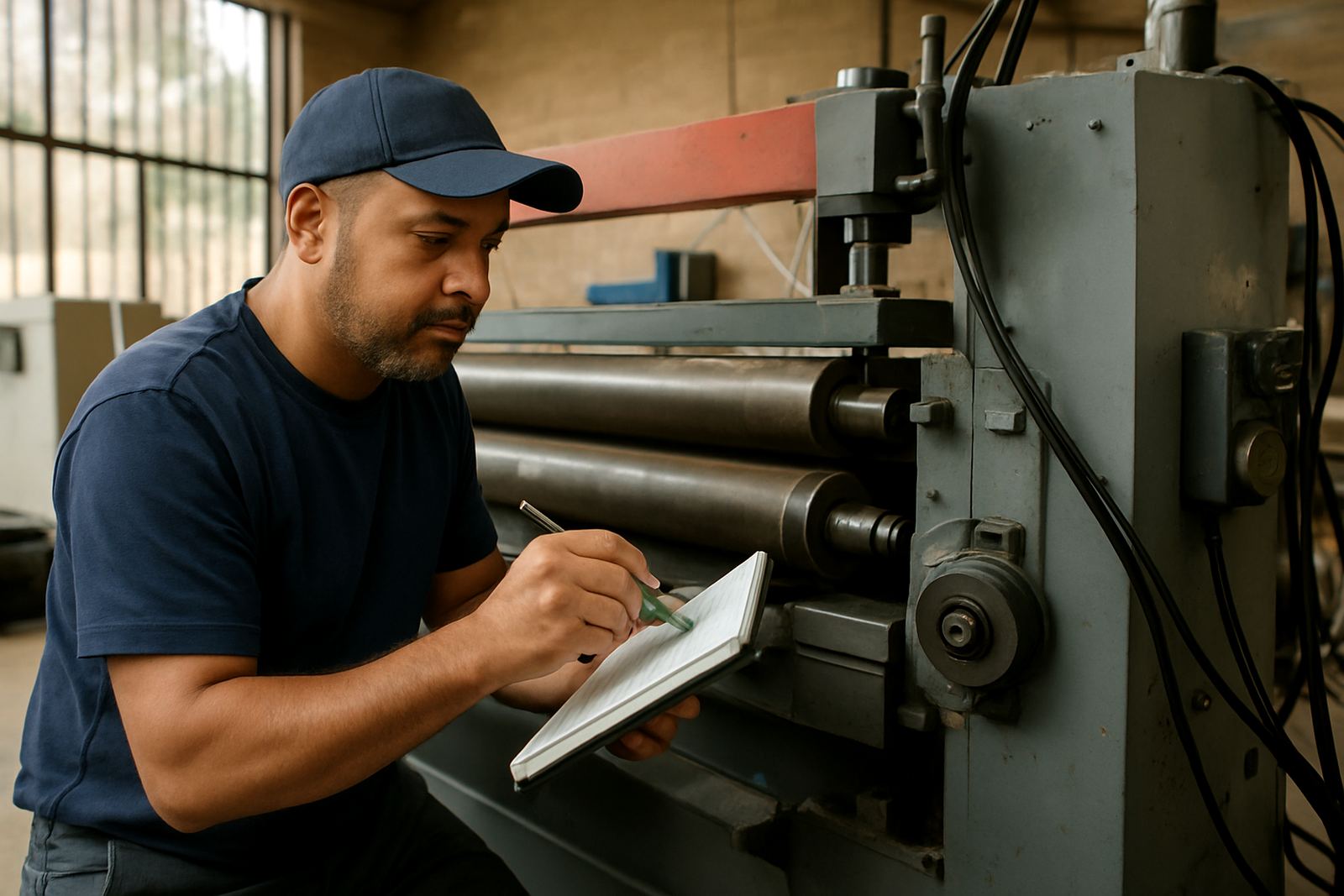
Refresher training is for teams that already know the basics but need better repeatability, cleaner bends, safer handling, or a reset after staff changes. We keep it practical and focused on the actual machine on your floor, whether you are running small batch work or steady production for multiple sign jobs each week.
Sessions are suited to channel-letter bending machines, coil feeding, return forming, material handling and everyday checks that keep output consistent. We also cover common trouble spots like incorrect feed tension, poor corner quality, inconsistent return heights, and damage caused by rushed setup during load-shedding changes or shift handovers.
- Machine setup and operator sequence
- Coil loading and return handling
- Input settings for straighter, cleaner output
- Basic fault finding before calling for support
- Safe shutdown and restart after power interruptions
Who benefits from a short follow-up session
These sessions suit new operators, supervisors who need to check procedure, and teams that want better output from existing equipment without slowing production for long. Many customers book refresher training after installing a new line, after changing shift staff, or when they notice more offcuts than usual and need to tighten up the process.
We can also train one person who will then coach the rest of the team. That often works well for smaller shops in Midrand, Sandton or the East Rand where production space is tight and every hour counts. For larger factories in Pretoria, Durban or the West Rand, we can split the session across shifts so work keeps moving.
- New hires who need structured guidance
- Experienced staff needing a confidence boost
- Teams chasing less waste and better consistency
- Managers wanting a simple process checklist
How the refresher training process works
We start with a quick check of the equipment, the type of coil or return material you use, and the outputs you want from the machine. From there we set the session around your real production mix, whether that is aluminium sign work, mild steel returns, or mixed runs with different letter sizes.
The trainer then works through demonstrations, supervised practice, and correction where needed. If a machine needs fine tuning before the session can be useful, we deal with that first. That can include checking feed alignment, cleaning guides, confirming electrical supply, or reviewing software and control settings where applicable. It keeps the training simple and clear, not theoretical.
- Pre-session needs check
- Walkthrough on the machine itself
- Observed operator practice
- Corrections and process notes
- End-of-session handover and next steps
What you get in the session notes and handover
At the end of the training, your team gets plain guidance on what was covered and what should be done the same way every time. We can leave a short checklist for shift start, material loading, daily cleaning, and shutdown procedures. If you want, we also note any parts that should be monitored more often or replaced sooner because of heavy use.
This is useful where several people share one machine and not everyone uses it the same way. A steady process reduces waste, protects the machine and helps with sign quality. It also makes it easier to bring in temporary staff during busy months without losing control of output.
- Operator checklist for daily use
- Simple fault report format
- Recommended cleaning and inspection points
- Notes on material behaviour and feed consistency
Turnaround, pricing and how we quote
Refresher training is arranged around your area and our schedule. Midrand, Pretoria, Sandton, East Rand and West Rand bookings are often easier to fit in, while Durban and other out-of-town work may need more planning around travel and site timing.
Pricing is based on the length of the session, number of staff, travel, and whether the training is done during a normal visit or added to a bigger support call. We quote simply and up front. If you need training for two shifts or a follow-up after the first session, we can set that out clearly so there are no surprises.
- Short single-session refresher training
- Half-day or full-day training options
- Travel included where agreed on quote
- Follow-up sessions quoted separately when needed
Keeping the equipment in training shape
Good training works best when the machine stays in good condition. For that reason we usually tie refresher sessions to sensible maintenance intervals. A quick daily clean and visual check is a start, then a more careful inspection each week for guides, wear points, feed tension and loose fittings. On busier sites, a monthly review helps catch issues before they show up in production.
If your workshop is in a coastal area like Durban, humidity can affect material handling and storage, so we may recommend tighter checks on coils and returns. Inland sites often deal more with dust, power interruptions and heat. Either way, regular refresher training helps operators spot changes early and keep the machine doing what it should, even when the week gets hectic.
- Daily: clean, inspect and confirm safe startup
- Weekly: check alignment, feed and visible wear
- Monthly: review output quality and operator habits
- After repairs or staff changes: book another refresher
Key facts
| Session type | Short follow-up training for new staff or existing operators |
|---|---|
| Typical duration | 2 to 4 hours, or longer by arrangement |
| Crew size | 1 to 6 operators per session |
| Coverage area | Midrand, Sandton, Pretoria, East Rand, West Rand, Durban and nationwide |
| Equipment focus | Channel-letter bending machines, coils, returns and basic production workflow |
| Support options | Onsite training, remote follow-up help, notes and operator checklist |