
What preventive servicing covers
Our preventive servicing is planned maintenance for channel-letter bending machines used by sign makers, fabricators and production teams working with aluminium and galvanised returns. The aim is simple: keep the machine cutting, folding and feeding at the right tolerance so your output stays consistent from one job to the next.
We check wear items, moving parts, electrical connections, sensors, guides and feed components, then clean and adjust the machine where needed. If a part is nearing the end of its service life, we flag it early so you can order spares before it causes a stoppage. That matters in workshops that run tight deadlines, especially when load-shedding or humidity already puts extra pressure on production.
- Inspection of mechanical wear and alignment points
- Cleaning of dust, metal fines and adhesive residue
- Lubrication of moving assemblies where required
- Electrical checks for loose connections and fault signs
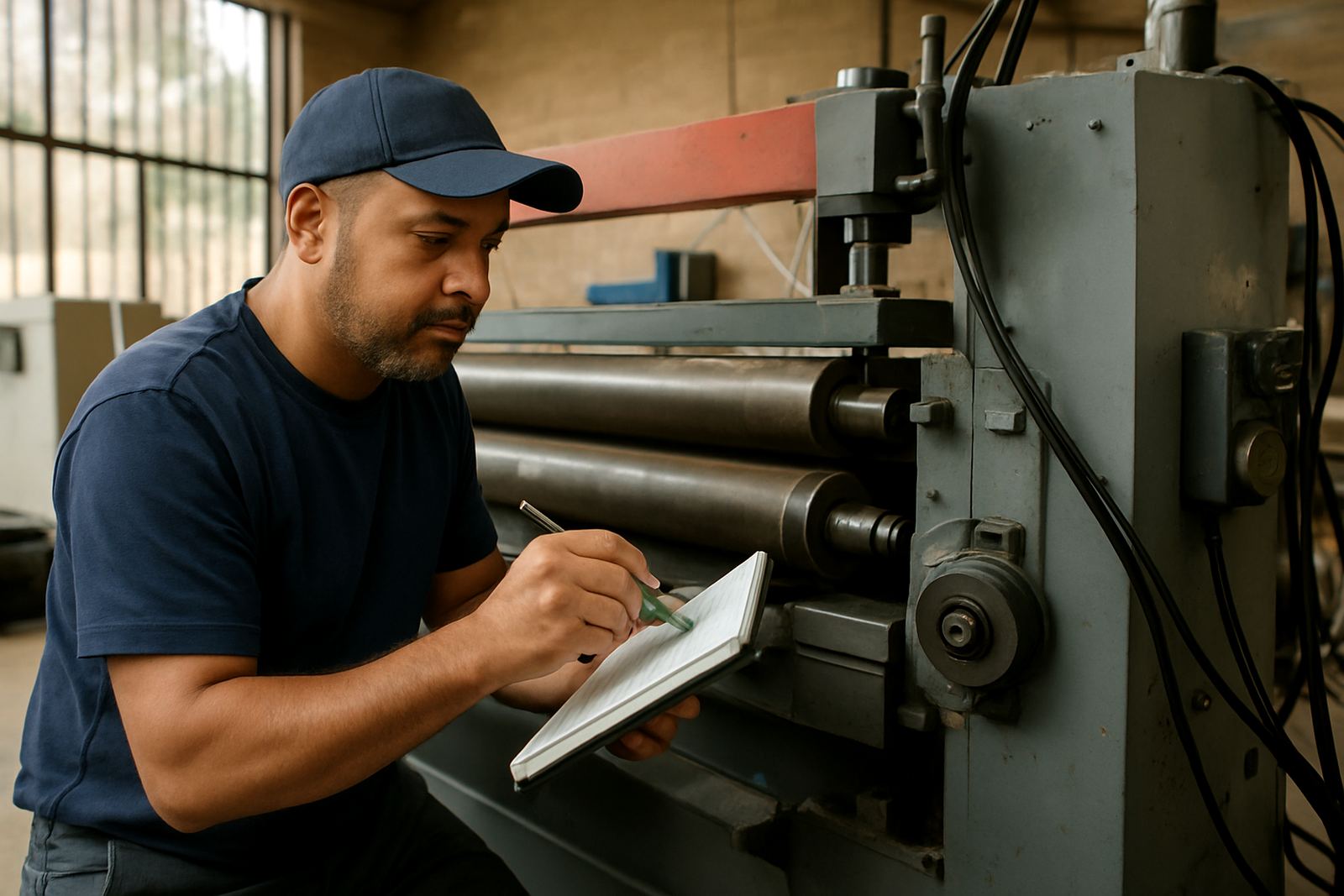
- Feed and bending accuracy checks against standard settings
- Basic software or control review where applicable
How the service is carried out
We begin with a service review of the machine’s current condition, recent faults and the type of material you process most often. A machine doing short runs of thin return material will not wear the same way as one handling longer shifts and heavier gauge coil.
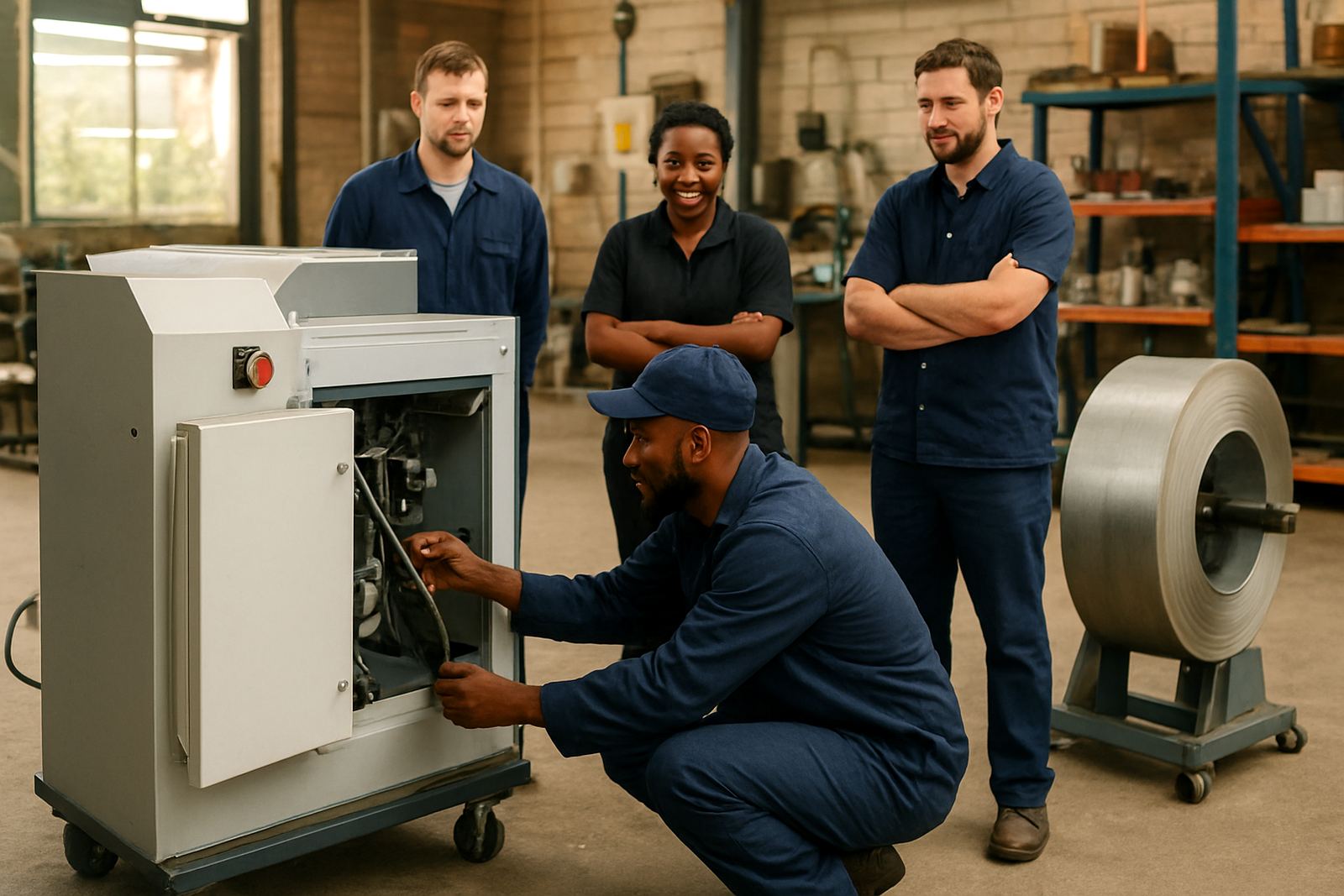
Once the review is done, our technical team works through the service points in a clear sequence. We clean, test and recheck each area before moving on. If the machine needs calibration after the service, we do that on site where possible and confirm the results with a test run. For Midrand and nearby areas, onsite visits are arranged around your production window. For national clients, we plan travel and access in advance so downtime stays manageable.
- Pre-service review and fault history check
- Machine isolation and safety inspection
- Cleaning, adjustment and replacement of worn items
- Test bends and repeatability checks
- Client handover with service notes and recommendations
Recommended maintenance intervals
Most sign shops do well with a scheduled service every 3 to 6 months, but the right interval depends on usage, dust levels, material type and whether the machine runs in a temperature controlled room or a hot workshop. Durban coastal humidity, for example can affect contacts, guides and stored spares faster than drier inland conditions.
We normally suggest a shorter interval if the machine runs daily, supports urgent retail work, or has already shown signs of drift in bend accuracy. Workshops with two shifts or regular overtime should also plan more frequent checks. If your team sees more scrap, inconsistent returns or slow response from the control system, it is usually better to service sooner rather than wait for a breakdown.
- Heavy daily use: every 3 months
- Moderate workshop use: every 4 to 6 months
- Low-volume use: every 6 months
- After a move, installation or major material change: additional check advised
Turnaround and planning for downtime
Turnaround depends on machine condition, access to the equipment and whether spares are needed. Simple preventive servicing can often be completed in a single visit, while deeper corrective work may need a follow-up appointment. We keep the process practical so you can plan around production and staff availability.
For Gauteng sites such as Midrand, Sandton, Pretoria, East Rand and West Rand, scheduling is often straightforward. For clients in Durban and other national locations, travel time and access hours are built into the booking. If a part must be sourced, we tell you upfront what can be done immediately and what needs a return visit. That helps avoid vague promises and lets your team manage deadlines properly.
- Standard service visit: usually same day where access is ready
- Service with minor adjustments: often completed during the visit
- Service with parts replacement: depends on spares availability
- Emergency planning: available for shops that cannot stop production
Pricing approach and what affects the quote
We price preventive servicing according to the machine type, the number of service points, travel requirements and any replacement parts that may be needed. A compact unit in Midrand with easy access will not cost the same as a larger machine at a high-output plant in another province. The quote is made to match the actual work, not a flat figure that leaves out key items.
Before we confirm the job, we look at the machine model, service history, condition of key assemblies and any extra tasks such as calibration or operator refresher support. If you want regular scheduled servicing, we can also structure the work around your production cycle. That gives better control over maintenance spend and avoids surprise repair bills later on.
- Fixed items: labour, inspection, cleaning and adjustment
- Variable items: travel, consumables and replacement parts
- Optional items: calibration, training and extra fault checks
- Regular clients: service planning can be set up in advance
Why scheduled servicing saves production time
Preventive servicing is not just about keeping a machine neat. It helps maintain cutting consistency, bend repeatability and feed accuracy, which are the areas that affect your finished sign most. When those settings drift, returns may sit unevenly, letters may need rework and material waste climbs quickly.
For sign makers working with tight municipal sign deadlines or client install dates, a machine that stays in spec is worth far more than a cheap short-term fix. Regular servicing also helps identify small issues before they turn into motor strain, control faults or feed errors. In practical terms, that means fewer stoppages, steadier output and less pressure on your operators during busy periods.
- Less scrap and fewer rejected returns
- More predictable production planning
- Lower risk of sudden downtime
- Better machine life over time
Key facts
| Service type | Preventive servicing for channel-letter bending machines |
|---|---|
| Areas covered | Midrand, Sandton, Pretoria, East Rand, West Rand, Durban and nationwide |
| Typical interval | Every 3 to 6 months depending on workload |
| Visit format | Onsite servicing with planned scheduling |
| Includes | Inspection, cleaning, adjustment, test runs and service notes |
| Support | Remote tech help, spares supply and follow-up planning |