
What Aluminium Coil Stock Does in Channel-Letter Work
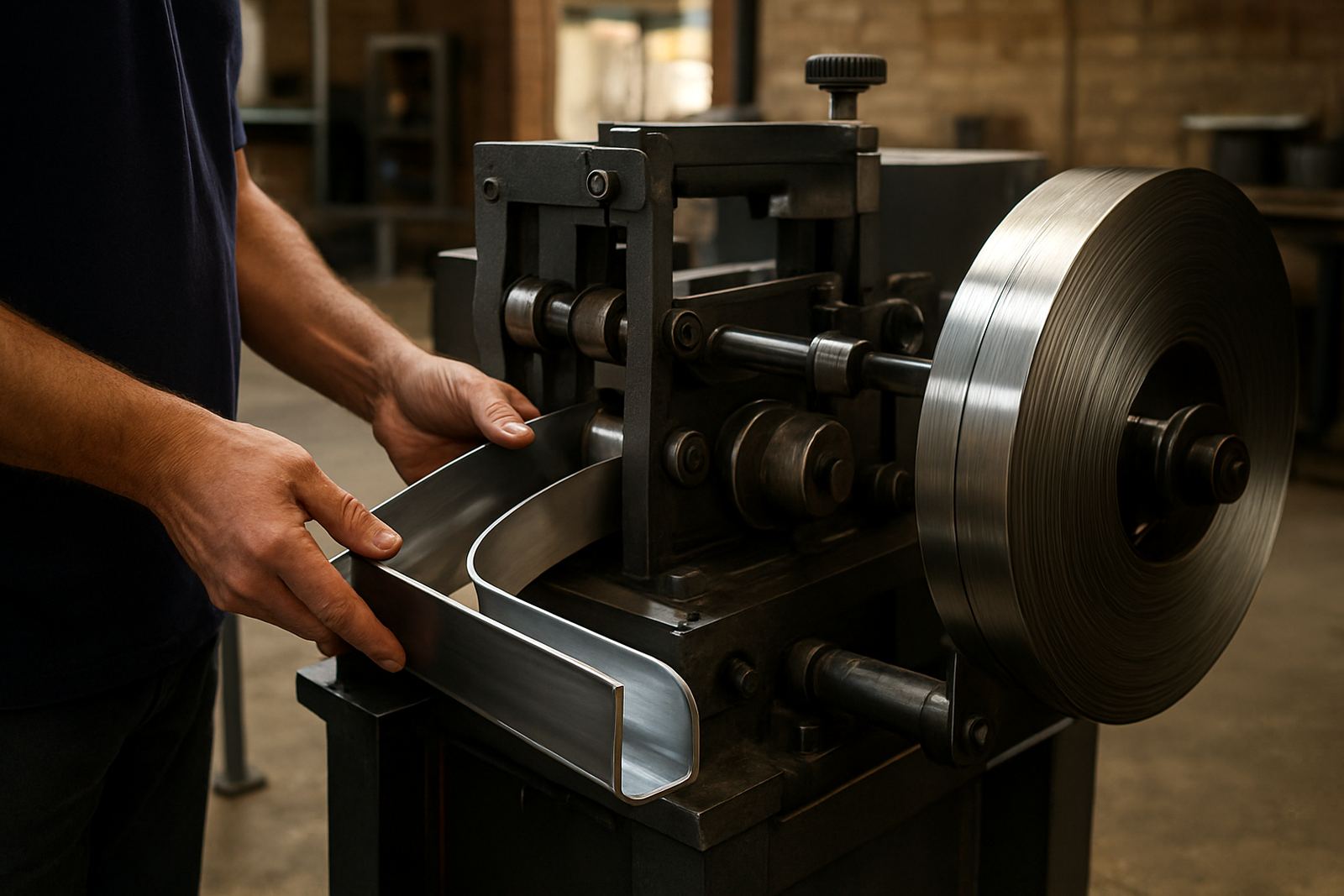
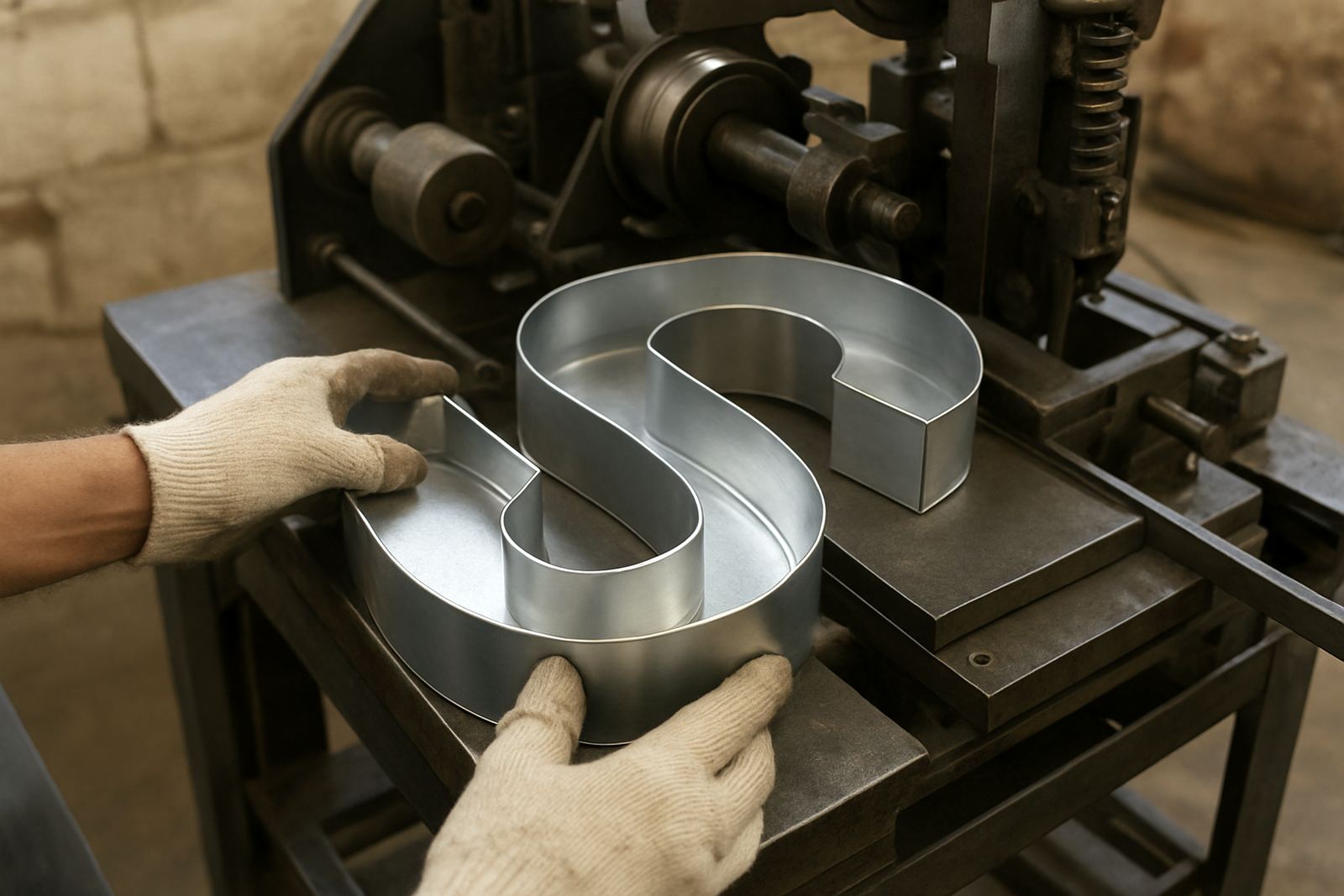
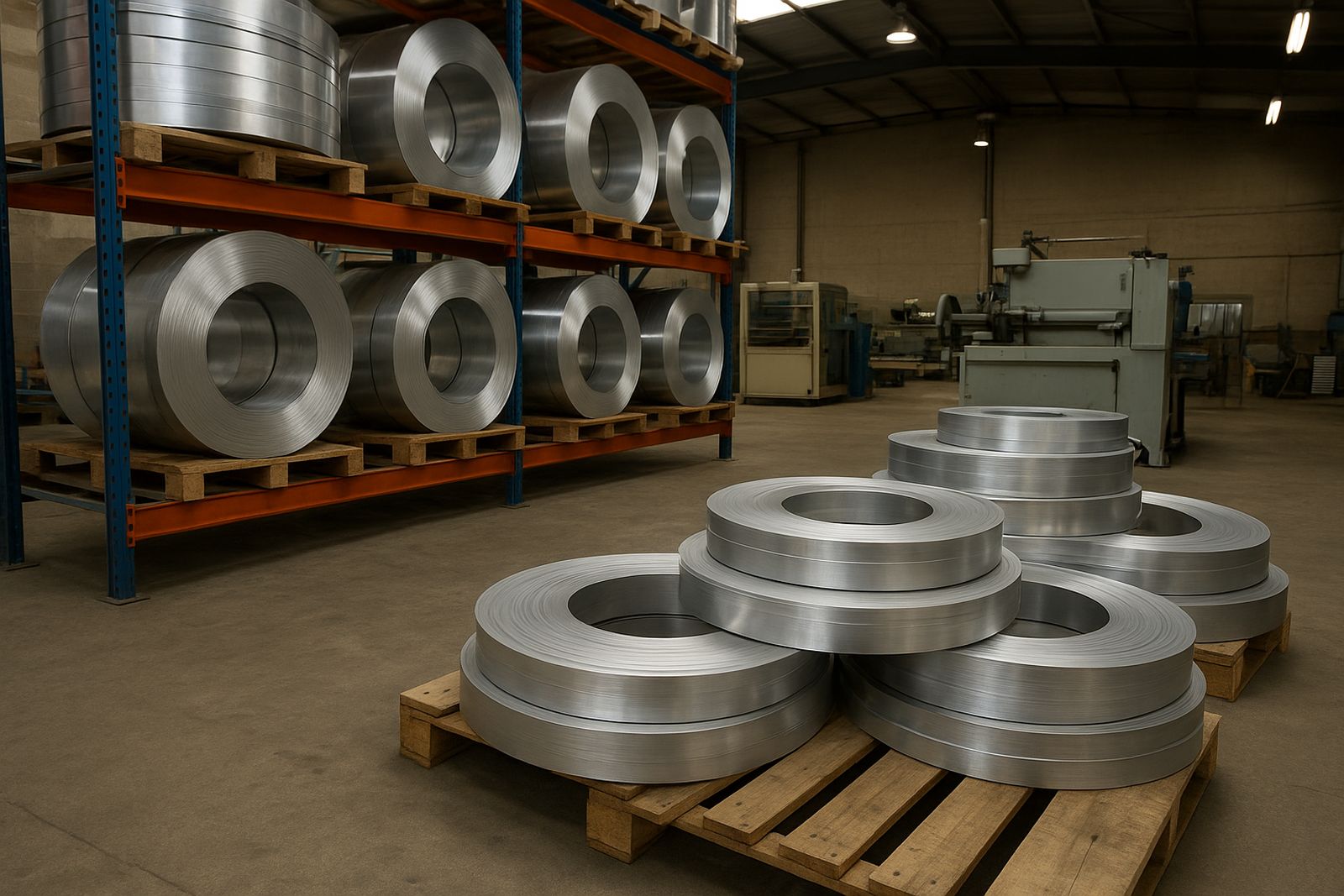
Aluminium coil stock is used to form the side walls, or returns, of channel letters. It is supplied in long coils so your team can cut only what is needed, which helps reduce waste and keeps production moving. For sign shops doing regular shopfront work, roof signs, pylon lettering or light box letters, aluminium is a practical material because it is light, easy to bend and simple to handle on the floor.
In South African signage shops, aluminium is often preferred where speed and neat shaping matter. It works well for internal lighting applications and for many external signs where a clean edge and good corrosion resistance are needed. In humid coastal towns like Durban, the right coil finish and correct sealing matter even more, while inland shops in Pretoria or the East Rand often focus on consistency across larger production runs. A good coil lets operators keep folds tight and edges straight, and that makes the finished face sit properly.
We stock coil material for sign makers who want practical day-to-day output, not only one-off display work. If your workshop handles small orders for retail fronts, or larger batches for factories and property groups, coil stock can be matched to your machine settings and the letter depth required. It is also a sensible option when load-shedding is affecting workflow because material prep can be planned before power comes back on, which keeps the line moving.
Sizes, Thicknesses and Finish Choices
Choosing the correct size starts with the letter depth and the look you need on the finished sign. Most workshops want aluminium coil that feeds cleanly through a bending machine and holds its shape without fighting the operator. The width and thickness should suit your return depth, your tooling and the size of the faces you make most often.
- Common widths for channel-letter work, depending on letter depth
- Typical thickness options for light to medium duty sign production
- Finish choices for exterior or interior signage
- Colour matching options for cleaner visible returns
- Material suitable for straight and curved letter forms
We help customers choose coil stock that matches their production pattern. A workshop making small retail letters in Sandton may want a different width from a manufacturer handling large fascia signs in Midrand or Durban. If your work includes thinner returns for finer lettering, the material needs to bend sharply without cracking at the fold. If you produce larger outdoor letters, a slightly heavier coil can help keep the shape true and reduce handling damage.
Coil selection should also account for finish. A clean painted finish can be ideal where the return is visible from the ground, while a plain production finish may suit internal lighting work or letters that sit higher on a building. The right choice saves time later because there is less correction at assembly. It also means the sign holds up better in sun, coastal air and regular cleaning, no point overbuying material if it does not suit the job.
Where Aluminium Coils Suit Best
Aluminium coils suit sign makers who need consistent production and manageable material weight. They are widely used for channel letters on retail stores, office buildings, industrial parks, schools, hospitals and residential developments. In many cases they are the preferred option when a sign needs to be light enough for easier installation, yet still neat enough for close-up viewing.
Our customers use coil stock for:
- Shopfront channel letters and illuminated logos
- Factory and warehouse branding
- Roadside signage where weight matters
- Indoor directional lettering and feature signs
- Batch production for national rollouts
For installers working nationwide, lighter material can make transport and fitting easier, especially when access is awkward or the fixing point is high. In places like the West Rand where older buildings may have uneven walls, lighter returns are also simpler to handle during final alignment. Aluminium is not the answer for every job, but for many commercial signs it gives the right balance between appearance, weight and practical service life.
Machine Setup, Power Requirements and Workshop Fit
Aluminium coil stock is made for use on channel-letter bending equipment, so the machine setup must be right before production starts. The coil should feed smoothly through the straightener and into the return-forming section without snagging, twisting or marking the finish. If the feed path is not aligned, the operator will waste time correcting the strip and the return length can become inconsistent.
Most workshops will need stable single-phase or three-phase power depending on the equipment in use. If your premises in Midrand or Pretoria are affected by load-shedding, having a proper back-up plan is worth it. Some teams run prep work when power is available and leave manual finishing, cutting or assembly for other parts of the schedule. If gas-assisted sealing or accessory tools are part of your process, make sure cylinders, regulators and hose condition are checked regularly and stored according to site rules. Keep the area clear, dry and well lit, and make sure operators understand the machine controls before starting a batch.
Installation planning matters as much as the coil itself. A poor machine location can create longer feed runs, awkward lifting and unnecessary damage to the edges of the material. For a busy production floor, it helps to keep the coil rack close to the bending unit and away from dust, grinding sparks and moisture. Midrand workshops often want compact layouts, while larger factories may need separate cutting, bending and assembly zones. Get that right and the coil works harder for you.
How to Store and Look After Coil Material
Aluminium coil does not ask for much, but basic care keeps it usable for longer and prevents avoidable waste. Store it indoors where possible, away from standing water, concrete dust and direct sunlight. In coastal areas, especially around Durban, the air can carry more moisture, so closed storage and regular inspection help prevent surface marks and contamination. Even in inland areas, a damp workshop floor can cause trouble if coils are left lying on pallets for too long.
Good handling habits make a difference:
- Keep coils wrapped until they are needed
- Lift with proper support to avoid edge damage
- Do not drag coil edges across rough floors
- Check for dents or tightness before loading
- Clean rollers and feed guides on the machine regularly
Preventive servicing on the bending machine matters too. A dirty guide or worn roller can mark the aluminium and affect the return profile. If operators notice chatter, slipping or uneven bends, the issue may be mechanical rather than material related. We support workshops with preventive servicing, breakdown support and remote tech help where needed. Small checks done early are cheaper than scrapping a partial run later on.
What to Check Before You Order
Before ordering aluminium coil, make sure the material matches the letters you produce most often. The wrong width or finish can slow the job and create extra trimming. It is also worth checking how your team measures returns, because the correct coil for a 100 mm return is not always suitable for a 150 mm return. A few minutes on the spec sheet saves a lot of hassle later.
When ordering, check the following:
- Required return depth and coil width
- Thickness needed for the application
- Indoor or outdoor use
- Finish and colour requirement
- Machine compatibility and feed direction
- Expected monthly volume and cut lengths
If you are setting up a new workshop or changing your production range, it helps to speak through the project before buying. Our team supports material selection, installation planning, operator training and refresher training for growing shops. That is especially useful when one crew is making small bespoke letters and another is running repeated batches for national clients. The right coil choice keeps the line efficient and the finished sign looking consistent from first piece to last.
Order Support from Midrand
Channel Letter supplies aluminium coil stock from our Midrand base, with support for sign makers in Sandton, Pretoria, the East Rand, the West Rand, Durban and nationwide. Whether you need one coil for a specific job or regular material for production, we can help with sizing, machine fit and practical usage advice.
Our team works with small sign businesses, installers and larger manufacturers, so the conversation is usually straightforward: what are you making, what machine are you using, and how often do you need stock. If you are managing deadlines for a rollout or dealing with a breakdown, we can also assist with spares supply, remote tech help and onsite commissioning where needed. Speak to us early and we can help you order the right material first time.
Key facts
| Product type | Aluminium coil stock for channel-letter returns |
|---|---|
| Primary use | Forming side walls for illuminated and non-illuminated letters |
| Typical application | Retail, industrial, corporate and roadside signage |
| Material handling | Lightweight, easy to cut and bend on compatible machines |
| Suitability | Indoor and outdoor signage, including coastal conditions with correct care |
| Support available | Training, commissioning, servicing, spares and technical help |