
What folded edge returns do on a finished letter
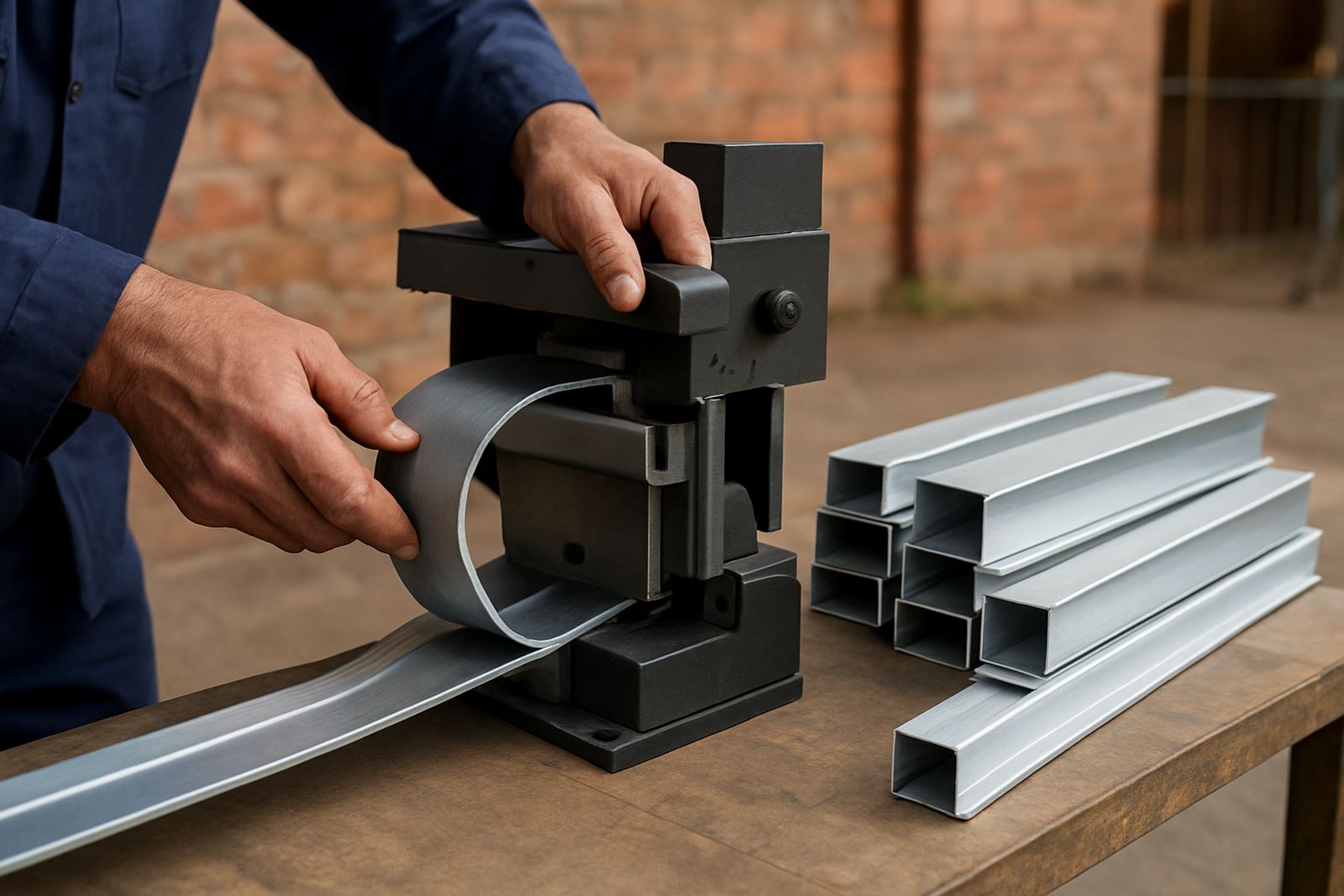
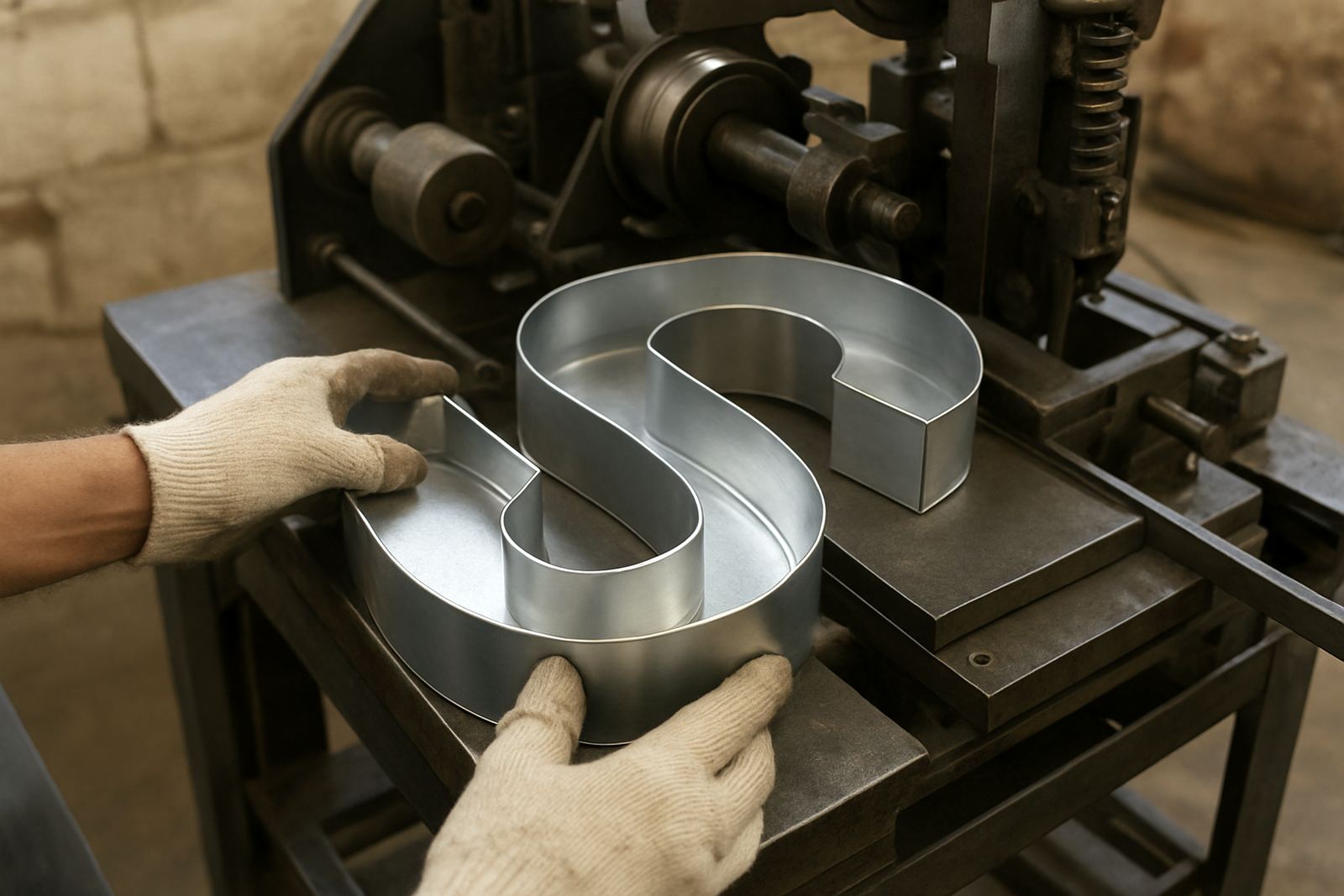
A folded edge return is the side wall of a channel letter, formed with a folded lip so the edge feels neater and is easier to handle. It is used when you want a tidy face-to-return join and less chance of sharp edges during assembly, fitting or later cleaning.
On the shop floor, that folded lip also helps the letter keep its shape when it is moved, packed or lifted onto a sign tray. For busy producers in Midrand, Pretoria and Durban, that means fewer scuffed corners and less rework after handling. It is a practical choice when the job must leave the workshop looking straight and finished, not rough around the edges.
Sizes, thicknesses and finish choices
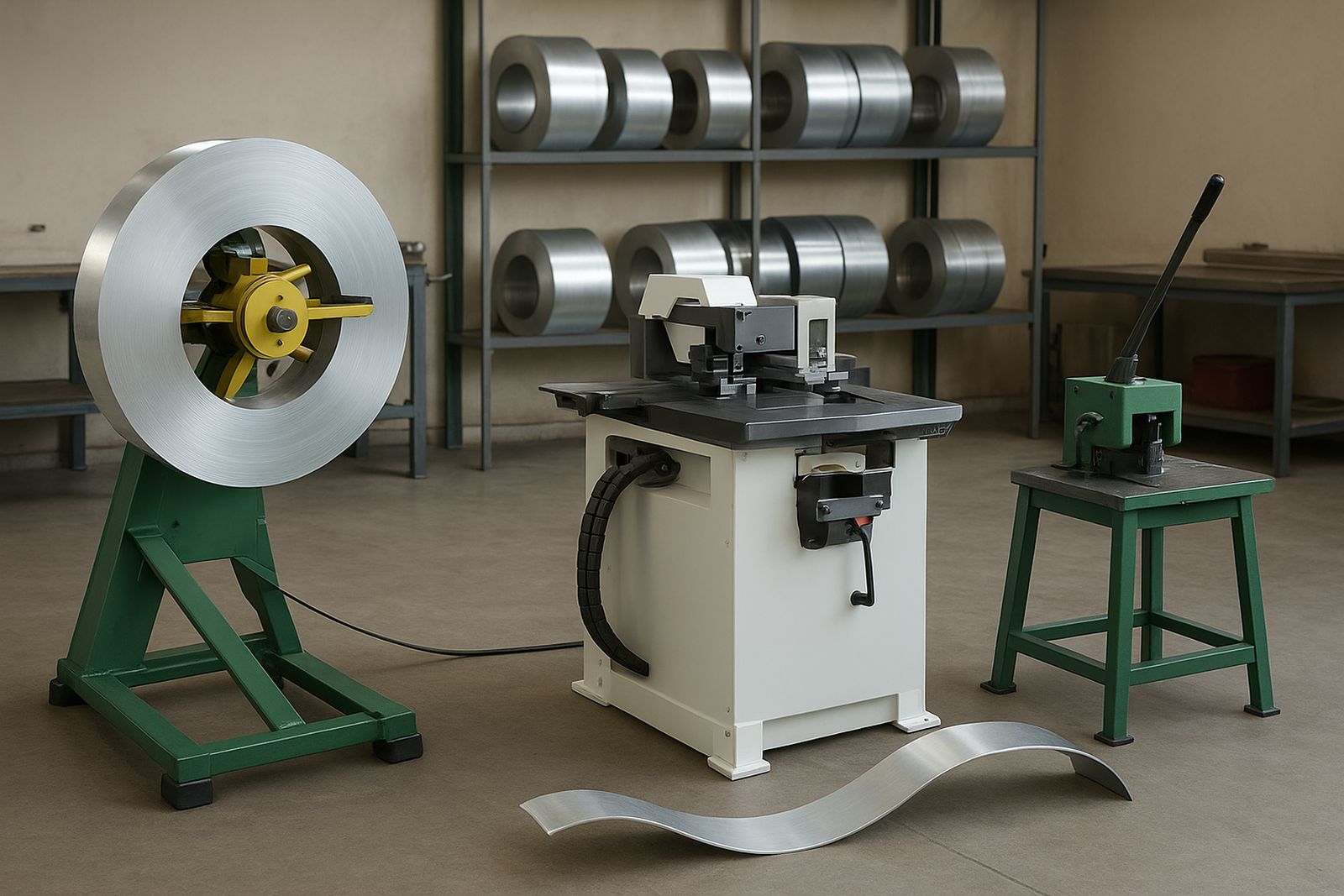
Folded edge returns are supplied in common sign-making widths and can be matched to the letter depth needed for the job. Typical return depths range from 30 mm to 150 mm, with custom folds available for larger feature letters and logo panels. Width options depend on the coil or pre-formed strip used, and many fabricators choose a size that reduces waste on their cutter and bender setup.
- Common material thickness: 0.6 mm to 1.2 mm
- Typical return depths: 30 mm, 50 mm, 75 mm, 100 mm and 150 mm
- Suitable for small illuminated letters, medium shopfront letters and larger manufacturer runs
- Available in plain metal or pre-finished colour depending on the job
The best choice usually comes down to face size, installed viewing distance and the stiffness you want in the finished letter. For coastal work in Durban or other humid areas, the material finish matters as much as the fold because salt air can mark poor-quality edges quickly.
Where folded edge returns suit best
These returns suit sign makers who produce channel letters for retail shops, industrial parks, schools, forecourts and office parks. They are especially useful where the letter will be seen close-up, because the folded edge gives a sharper finish and a more professional look on the wall or fascia.
They also suit fabricators who work with repeated letter sets for branches around Gauteng and beyond. When the same style is produced many times, a folded edge helps keep the look consistent from one sign to the next, which matters for brand signage across Sandton, East Rand and West Rand sites.
- Shopfront channel letters
- Directional and wayfinding signs
- Feature logos on panels and pylons
- Indoor reception signs
- Outdoor letters that must withstand dust, heat and handling
Installation, equipment and site needs
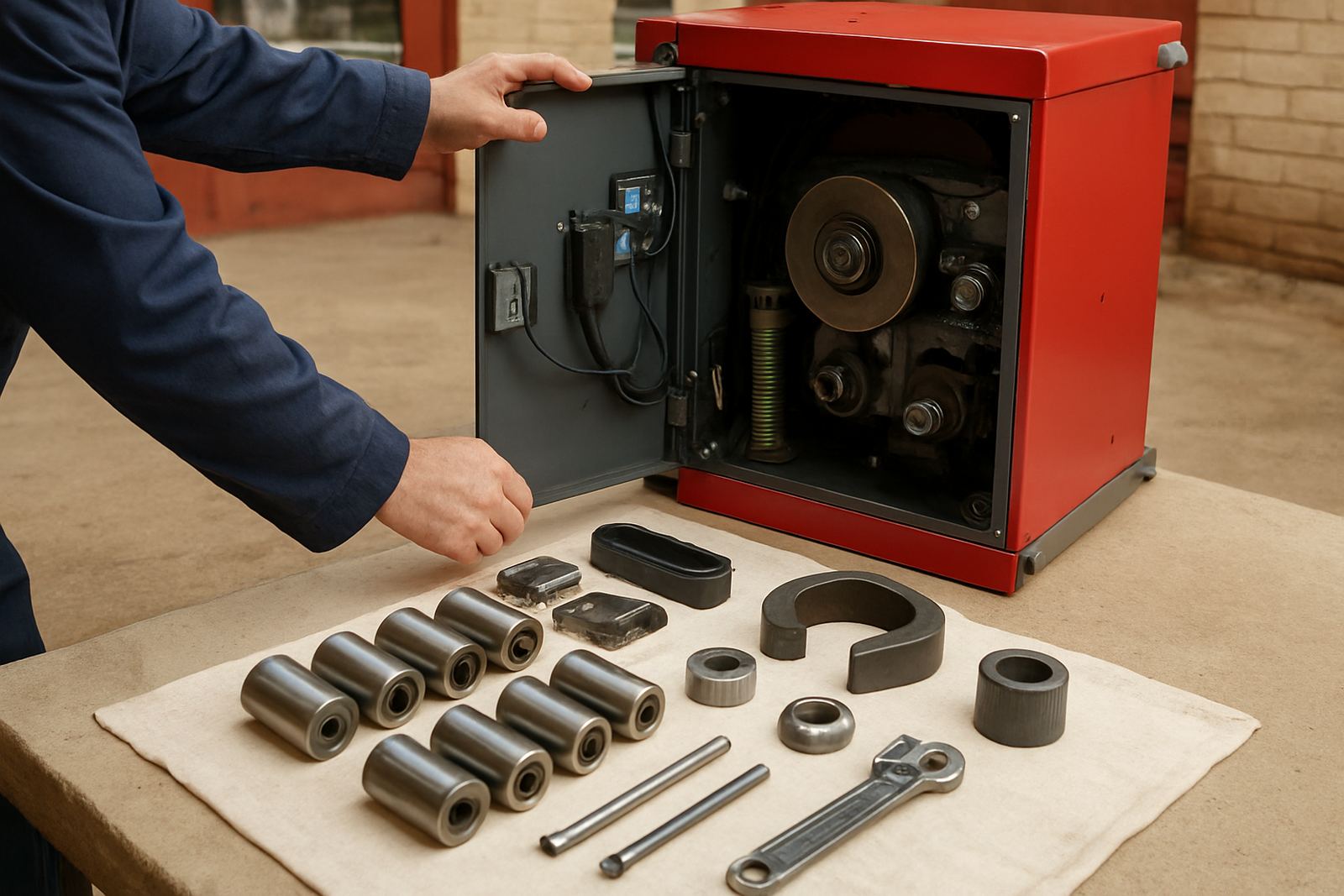
Folded edge returns themselves do not need power or gas. They are a material component used during fabrication, and they fit into your existing bending, cutting and assembly process. The main requirement is that the workshop has the right forming equipment, clean benches and enough space for safe letter handling.
For onsite installation, the finished letters must be mounted according to the sign structure, substrate and local rules. On a Midrand or Pretoria commercial site, that often means checking fixing points, wind loading and access before the crew arrives. If the sign is going onto a high facade or a road-facing pylon, plan the install carefully so the team is not fighting traffic, height or after-hours access. It saves time and avoids costly rework.
- No direct power requirement for the return material itself
- No gas requirement for the return material itself
- Workshop needs: cutting, folding, cleaning and assembly area
- Install needs: correct fixings, safe access and proper alignment
Care, cleaning and preventive servicing
Folded edge returns are low-maintenance, but the finished letter still needs sensible care. Wipe away dust, glue residue and handling marks with a soft cloth and a mild cleaner. Avoid harsh abrasives on painted or coated surfaces, because they can leave dull patches that show up badly under daylight and night lighting.
If letters are installed near the coast, check edges for early signs of corrosion, especially where cut surfaces or joins were not sealed well. In dusty inland areas, regular cleaning helps keep the edge line crisp. A quarterly inspection is usually enough for most sites, though busy retail centres may need a closer look after storms, load-shedding related generator use, or maintenance work around the facade.
- Inspect joins, folds and corner seams every 3 months
- Clean with non-abrasive cloths only
- Check for rust, lifting paint or moisture entry points
- Store unused returns flat and dry to avoid kinks
What to check before you order
Before you place an order, confirm the letter depth, face size, material type and finish. A small mismatch on any one of these can slow down production, especially when you are running a tight install date in Gauteng or coordinating multiple branch signs at once. Ask for the exact fold profile too, because the return shape must suit the face and the backing method.
It also helps to check the fixing method, the final viewing distance and whether the sign will be used indoors or outdoors. If the site is coastal, exposed to strong sun, or likely to face regular wash-downs, the material and coating should be chosen with that in mind. A neat spec sheet up front prevents headaches later, and it keeps the sign maker in control of the job.
- Letter depth and face size
- Indoor or outdoor use
- Material type and coating
- Quantity per set and any repeats
- Cut-out, folded edge and corner style
- Install date and site access details
Key facts
| Product type | Folded edge return for channel letters |
|---|---|
| Typical material thickness | 0.6 mm to 1.2 mm |
| Typical return depths | 30 mm to 150 mm |
| Use case | Finished letters, logos and sign sets |
| Power or gas needs | None for the return material itself |
| Service area | Midrand, Gauteng and nationwide sign-maker installs |