
What a coil decoiler does on the shop floor
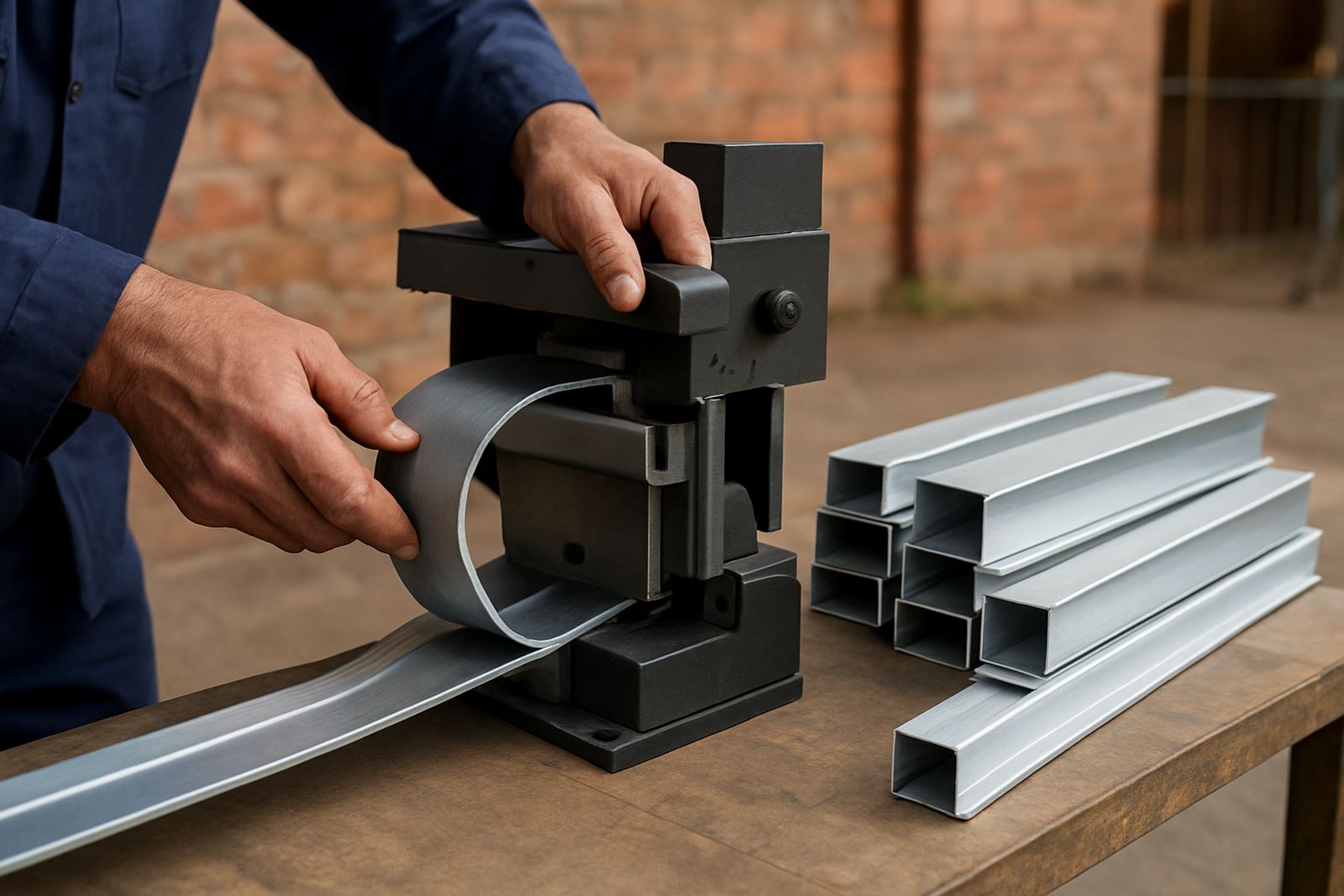
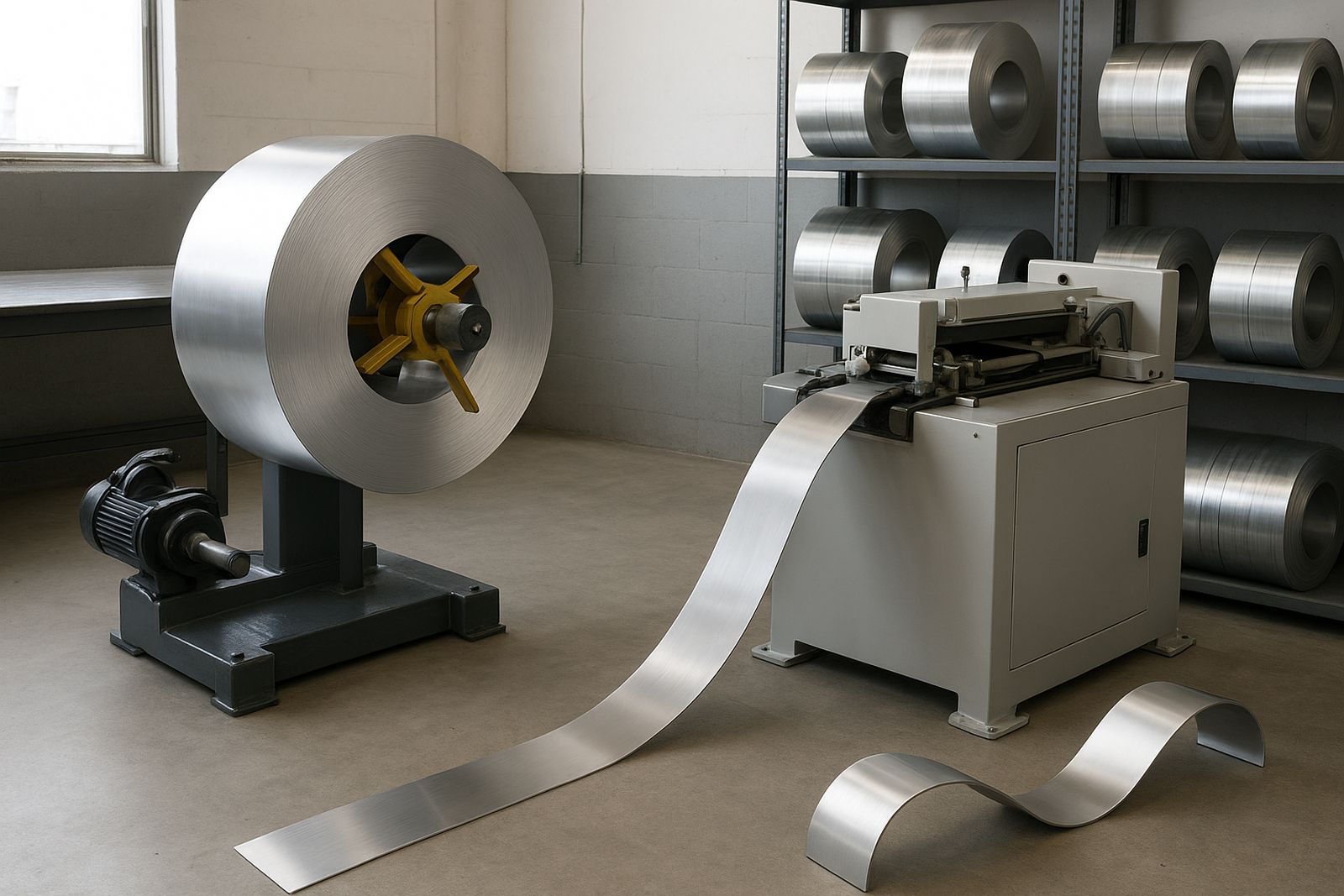
A coil decoiler holds return coil in a controlled position so the operator can pull material through the bending machine without fighting twists, drag or loose loops. It is a simple piece of equipment, but it makes a real difference when you are working with long runs, repeated letters or heavier gauge material that must stay true from start to finish.
In a busy sign shop, the difference shows up quickly. The coil feeds better, the floor stays tidier and there is less risk of the material springing back during loading. That matters whether you are producing shop fascias in Sandton, road-facing branding in Pretoria, or repeat batches for installers moving between Gauteng and coastal sites where humidity can affect handling and storage. The decoiler is there to keep the coil stable so the machine can do its job properly.
Sizes, coil formats and setup options
Coil decoilers are usually selected around the width, outside diameter and weight of the return coil you use most often. For sign makers, the common sizes are suited to standard return widths used in channel letter production, with enough bearing support to turn the coil smoothly as material is drawn off. A well matched decoiler also reduces the chance of kinks at the start of a run, which can save scrap on expensive stock.
Options can include manual rotation, adjustable side guides, a brake for controlled tension, and support arms for different coil widths. Some units are better for compact work areas in Midrand, while others suit larger production floors where more than one operator may be feeding material through the day.
- Suitable for standard return coil widths used in channel letter work
- Manual rotation for simple, low-maintenance use
- Brake or tension control for smoother feed
- Adjustable guides to keep the coil centred
- Floor-standing format for stable handling
Where it fits in a sign-making workflow
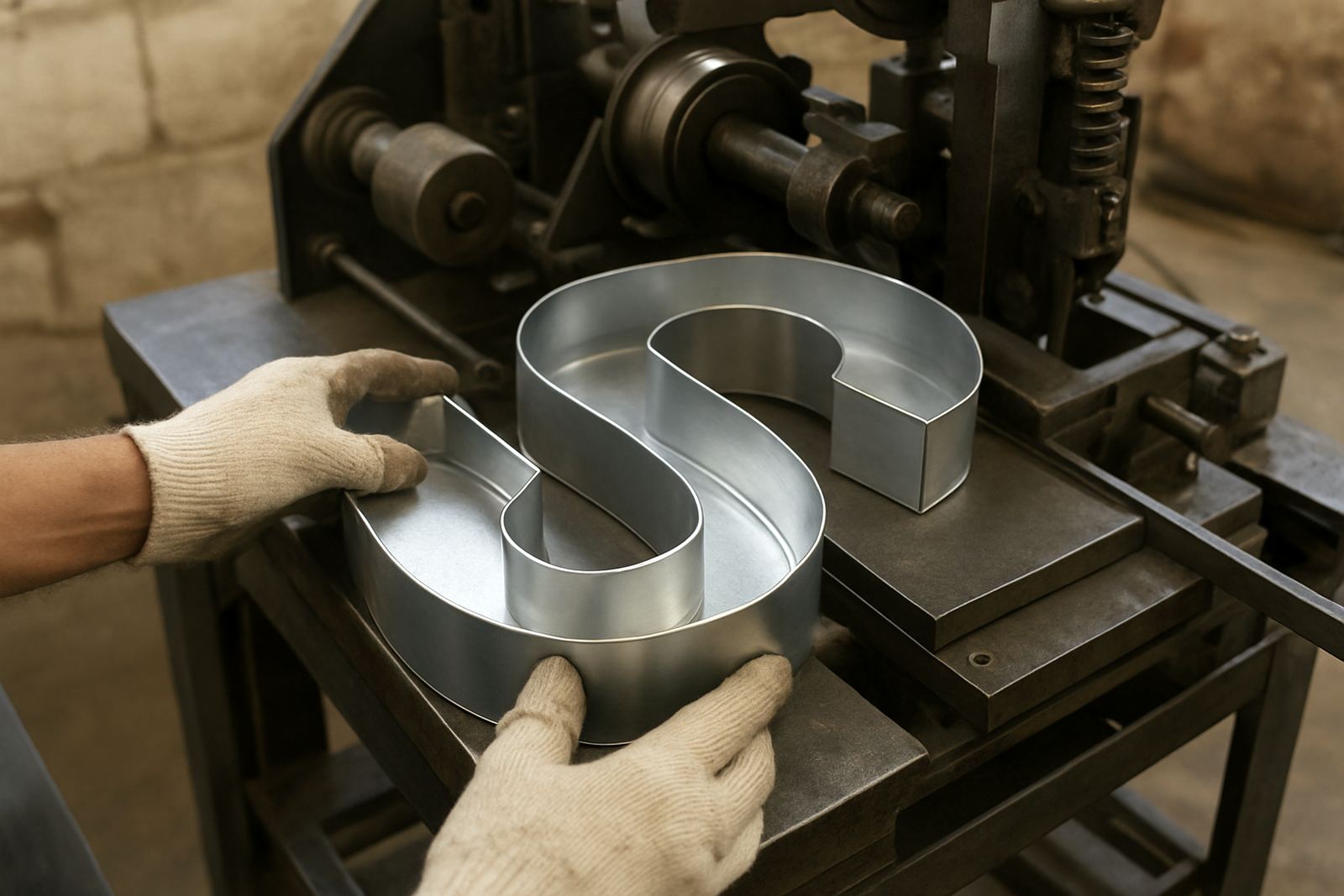
This product suits workshops that bend returns in-house and want a cleaner link between stock handling and production. It works well for small teams that make a few sets of letters a week, as well as higher volume shops that need repeatable feed without staff lifting coils by hand. If your team is preparing for site work in Durban, the East Rand or along the West Rand, the decoiler helps keep material ready before the first bend is made.
It also suits training environments. When new operators are learning how to feed coil into a bending machine, a stable decoiler makes the process easier to understand and safer to practise. The operator can focus on alignment and measurement instead of holding a springy coil at the same time. That is especially useful where turnaround times are tight and every letter needs to come out the same.
- Sign shops doing in-house return bending
- Training rooms and production coaching setups
- Workshops handling frequent small batches
- Manufacturers supplying installers nationwide
Installation, power needs and workshop planning
A coil decoiler is normally positioned close to the bending machine so the coil path stays short and direct. The floor should be level and strong enough to carry the loaded unit, especially where heavier coils are kept for longer runs. Leave enough space for the operator to load, rotate and inspect the coil without bumping into stock racks or other equipment.
Most decoilers are manual or mechanical and do not need dedicated electrical supply. If your setup includes powered feed assistance or linked production equipment, check the power requirement before installation and plan around load-shedding back-up where needed. For many Midrand and Pretoria workshops, that means making sure the unit works cleanly with your inverter, generator or changeover arrangement if the rest of the line depends on power. No gas is needed for the decoiler itself.
- Best installed on a level concrete floor
- Keep clear access for loading and operator movement
- Manual units need no dedicated power supply
- Check compatibility with any powered feed system
- Plan around backup power if the wider line depends on it
Keeping the decoiler in good working order
Good care starts with cleaning. Dust, offcuts and metal fines should be removed from the base and bearing areas so the coil can turn freely. In coastal regions, salt air and humidity can leave surfaces looking tired faster, so it helps to inspect moving parts more often and wipe down exposed steel after use. If the unit is sitting near an open roller door, that extra attention is worth it.
Preventive servicing should focus on fasteners, bearings, guide settings and any brake or tension parts. If the coil starts to turn unevenly or feels sticky, stop and check the cause before it affects the next batch. A quick inspection before each shift is good practice, and it saves time later. Small issues caught early are easier to sort than a bent return that ruins a whole set of letters.
- Clean dust and offcuts from the base regularly
- Check bearings and guides for free movement
- Wipe down exposed steel, especially in humid areas
- Inspect fasteners before high-volume production days
- Log any uneven feed or dragging for follow-up
Details to confirm before ordering a coil decoiler
Before ordering, confirm the coil width, outside diameter and approximate weight you use most often. It is also worth checking the type of return material, because different materials can behave differently when unwound. If your team works with more than one size, choose a decoiler that gives you enough adjustment to cover the range without forcing the operator to improvise.
Also check workshop access, floor space and whether the unit will be moved between areas. If your team installs nationwide, think about transport protection and how the decoiler will be loaded off the truck at site. For shops that want operator training, onsite commissioning or refresher training, it helps to have the machine and the coil type on hand during setup so the settings can be matched properly from day one.
- Coil width, outside diameter and weight
- Material type and thickness
- Available floor space and access for loading
- Need for brake, guides or other adjustments
- Transport plan if the unit must travel to site
- Whether training or commissioning is needed
Key facts
| Product | Coil Decoiler |
|---|---|
| Use | Supports controlled feeding of return coils before bending |
| Typical coil range | Sized for standard sign-making return coils, subject to model |
| Operation | Manual rotation with optional tension control |
| Power | No dedicated power required on standard manual units |
| Installation | Level floor, close to the bending machine |