
A compact bender for real sign work
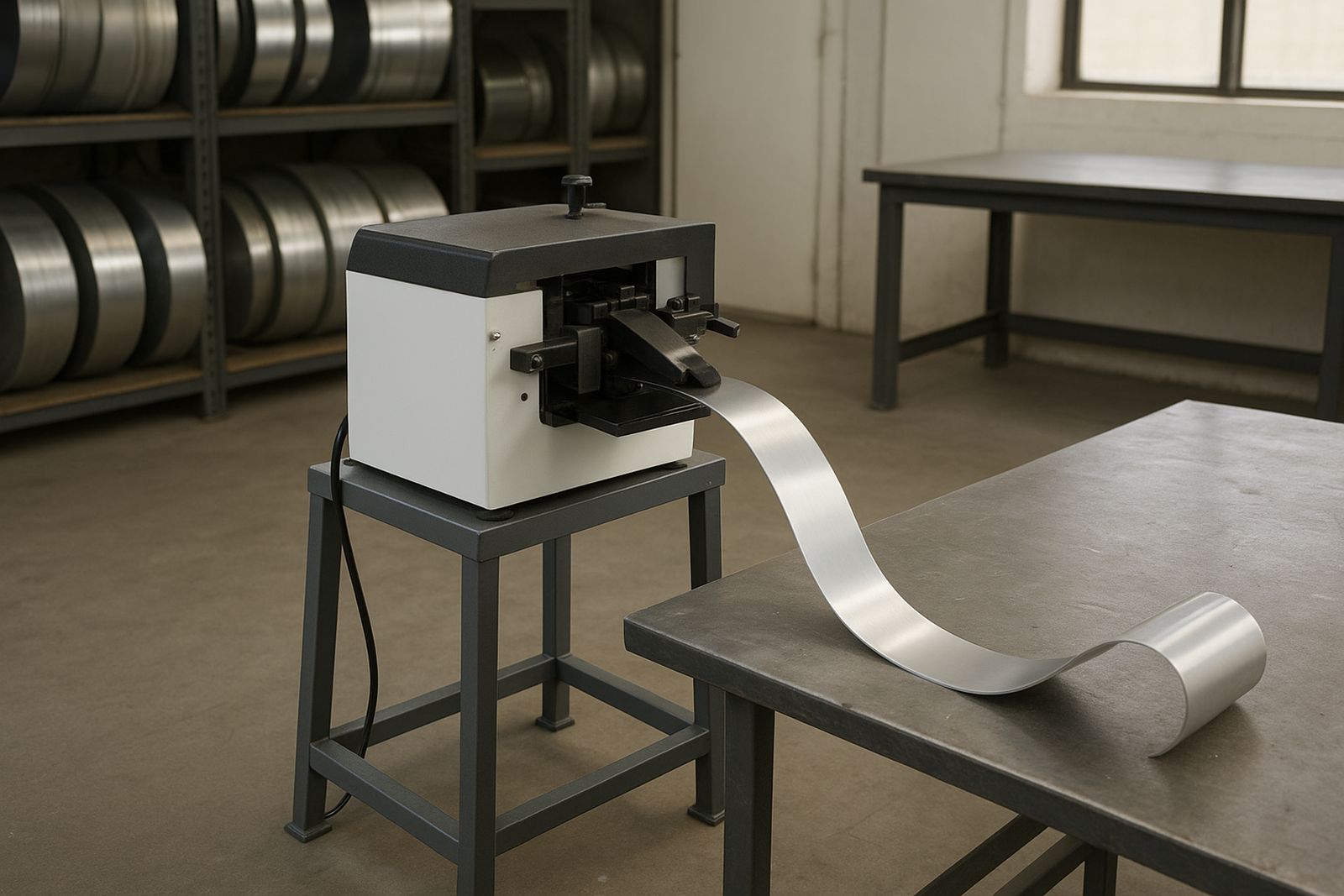
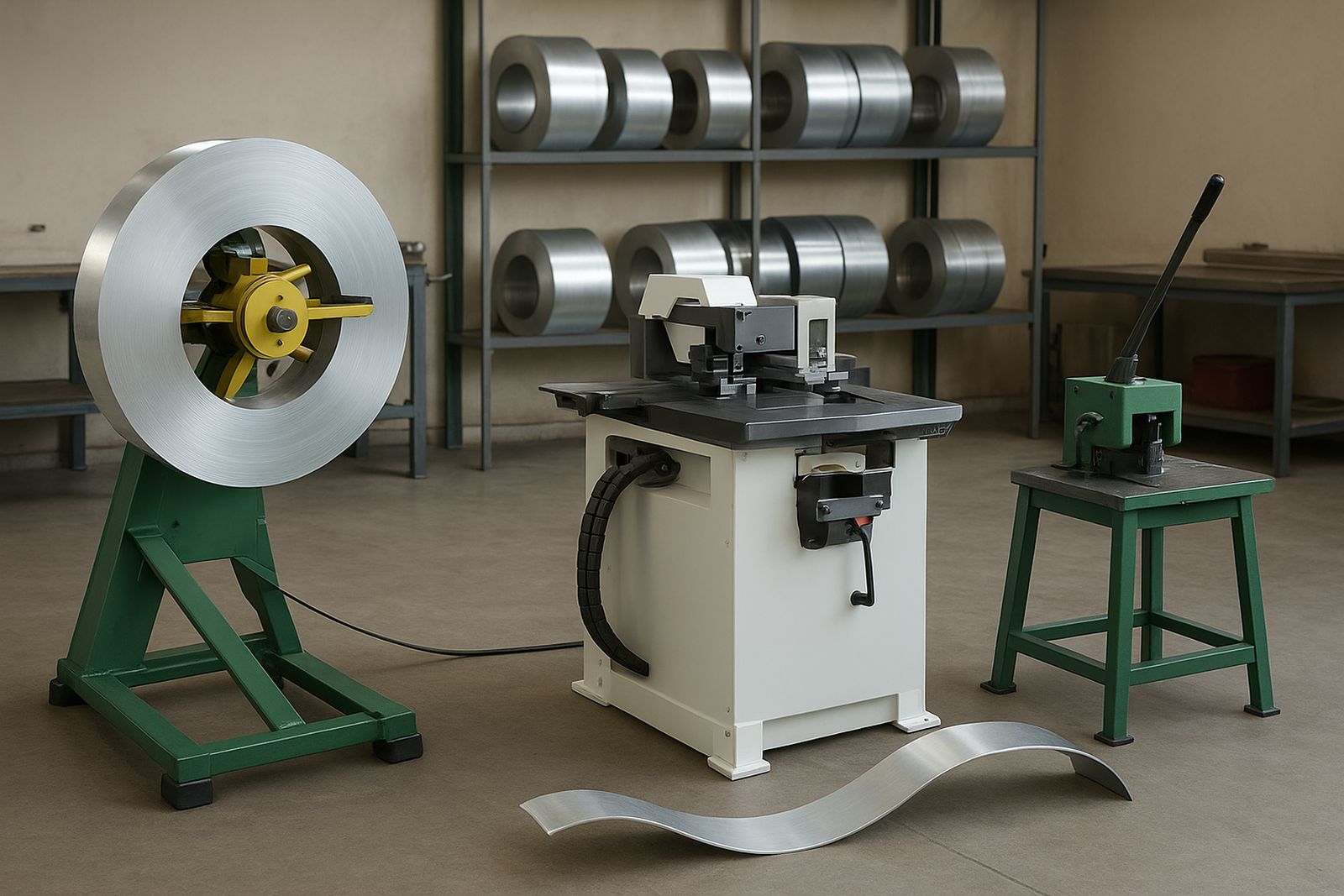
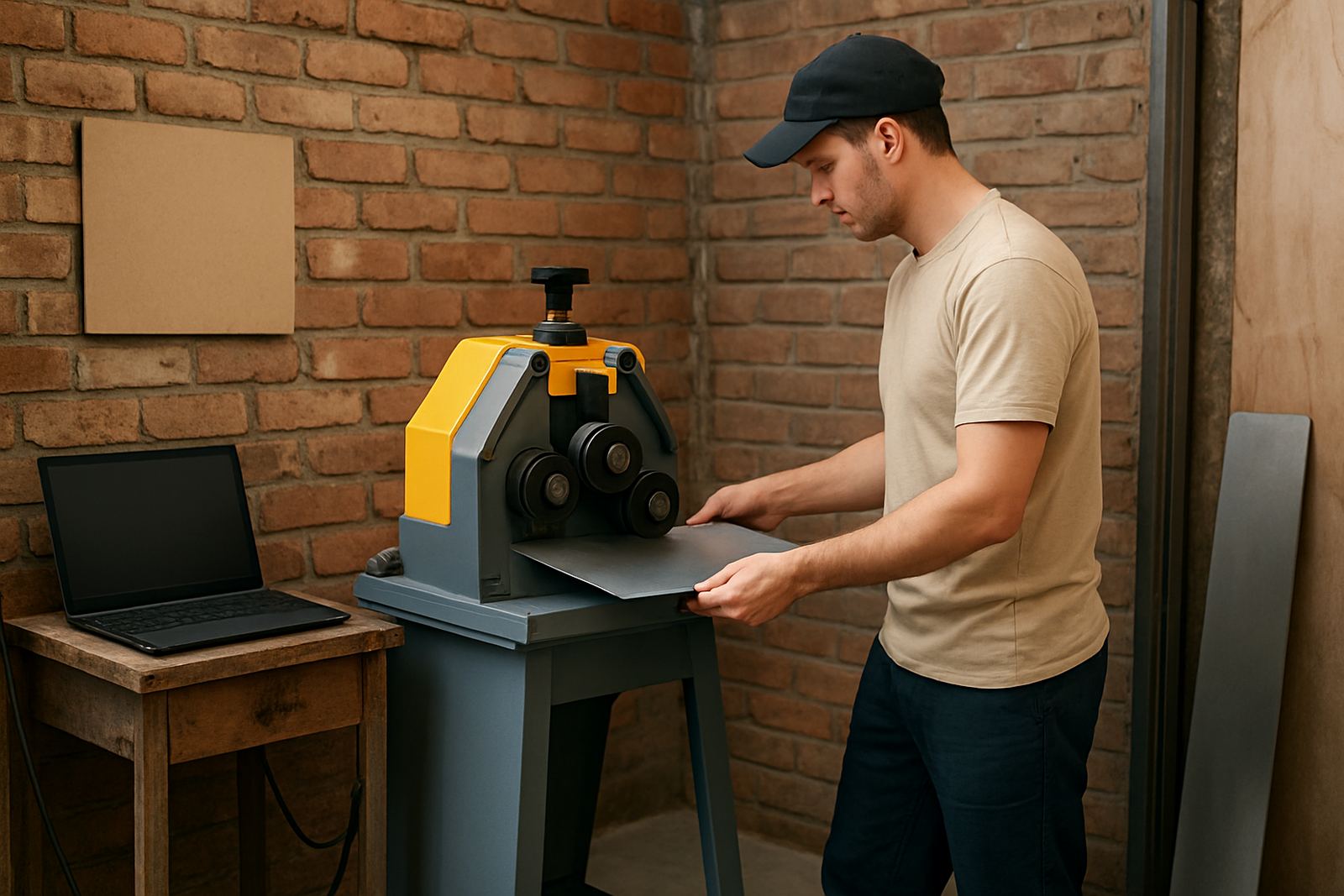
The Mini Workshop Bender is suited to businesses that want to produce channel letters in-house without giving up too much floor space. It is a practical choice for smaller fabrication rooms, satellite workshops, and busy sign teams that need a machine for daily use, not just occasional jobs. It helps you form returns for illuminated and non-illuminated letters with a neater finish than hand bending, and keeps production more consistent from one job to the next.
For shops in Midrand, Sandton, Pretoria, the East Rand and beyond, the main advantage is simple: you can keep output moving even when orders come in after hours or during load-shedding windows. With the right inverter or backup supply, the machine can remain part of a steady production line for letters, logos and custom shapes.
Where the Mini Workshop Bender fits best
This model suits sign makers who work from a smaller premises, a shared factory bay, or a workshop where every square metre counts. It is also useful for businesses that produce medium volumes and need to balance speed with control. If your work includes shopfront signs, fascia letters, estate boards, office branding or retail rollouts, the Mini Workshop Bender gives you the flexibility to handle varied jobs without moving to a large industrial machine too soon.
It also suits teams that are building up from manual forming and want a machine that shortens the learning curve. The output is more repeatable, which matters when you are matching letter sets across multiple sites, or making sure a Durban coastal install and a Pretoria inland install still look identical on the wall.
- Compact sign shops with limited production floor space
- Teams adding in-house return forming for the first time
- Installers who need better turnaround on urgent jobs
- Fabricators working with mixed letter sizes and short production runs
Sizes, options and output control
Mini workshop machines are usually chosen for their handling range, accuracy and how easily they fit into an existing process. The exact configuration depends on the letter sizes you produce most often, the coil widths you use, and whether your jobs lean toward small face letters or larger corporate signage. A good setup should let you move between common return heights without constant adjustment, and should keep the bend consistent on long runs.
When we discuss options, we look at the sort of work you actually send out. A shop that does small retail letters for local tenants in Sandton may need different handling to a team producing 300 mm to 600 mm characters for national rollouts. Small shops also benefit from clear control points, especially when different operators share the same machine. That way, output stays steady even when one job is aluminium and the next is stainless steel, or the team is under pressure to finish before a weekend install.
- Suitable for common channel-letter return work in small and medium sign shops
- Configured for repeatable bends on short and medium production runs
- Works well with standard coil and return materials used in South Africa
- Can be matched to the letter sizes and tolerances your team uses most often
Power, setup and installation planning
Before ordering, it helps to confirm the workshop power available on site, the machine footprint, and the path for moving it into position. Compact benders are easier to place than full-size production machines, but they still need a proper base, good access and enough working room around the unit. If your shop runs off a generator or inverter during outages, we can advise on practical power planning so the machine forms part of your normal production instead of stopping every time the lights go off.
Onsite commissioning is recommended, especially for teams that want quick handover and less trial-and-error. It allows the machine to be checked in the shop, the operator to be trained, and the setup to be aligned with the type of letters you actually make. In busy areas like the East Rand or West Rand, that can save a lot of time later when urgent install dates come through and you need the machine working properly from day one.
- Confirm workshop dimensions, access doors and floor space before delivery
- Check power supply and backup arrangements for load-shedding periods
- Plan the machine position for material flow, operator access and safe loading
- Book onsite commissioning if you want hands-on setup and testing
Care, servicing and day-to-day use
A Mini Workshop Bender performs best when it is kept clean and checked regularly. That means removing offcuts and dust, keeping moving parts within spec, and making sure the coil feed and forming areas are free from scrap build-up. In coastal areas like Durban, moisture and salt air can affect stored materials and machine parts, so drying and basic protection matter. In inland workshops, the bigger issue is often dust from cutting and sanding getting into the working area.
Preventive servicing helps reduce downtime and avoids avoidable breakdowns during peak production periods. We support sign makers with servicing, breakdown support, spares supply and remote tech help. If your operators change often, refresher training is useful too, because a small setting error can affect the return size, the fit of the face, or the final look of the letter. A neat machine room saves money and frankly, less stress for everyone.
- Keep the machine clean and clear of metal offcuts
- Check moving parts and feed paths on a regular schedule
- Protect materials and machine surfaces in humid coastal conditions
- Use preventive servicing to reduce downtime during busy periods
What to check before you order
Ordering the right mini bender starts with the work you plan to produce. We always ask clients to share their usual letter sizes, materials, daily volume and workshop layout, because that helps match the machine to the job. It is also important to know whether you need training for one operator or a full team, and whether you want the machine set up with future growth in mind. Some shops only need a compact machine for current work, while others want capacity that can take on larger contracts later.
It also helps to check the details that affect installation and support. If you are based in Midrand, Pretoria, Sandton, the East Rand, West Rand or Durban, we can arrange practical planning around delivery, setup and operator training. For nationwide install teams, we also assist with material selection, production coaching and installation planning so the machine fits the way your shop works, not the other way around.
- Typical letter height and return size you produce most often
- Materials you use, including coil thickness and finish requirements
- Available floor space, access routes and power supply on site
- Whether you need training, commissioning, servicing or ongoing support
Key facts
| Machine type | Mini workshop channel-letter bender |
|---|---|
| Use case | Return forming for compact sign shops and small production rooms |
| Footprint | Space-saving layout for tighter workshop areas |
| Material compatibility | Standard coil and return materials used in sign fabrication |
| Support options | Operator training, onsite commissioning, servicing and breakdown support |
| Service area | Midrand base with nationwide support and installs |