
What a Servo Feed Bender Does in Daily Production
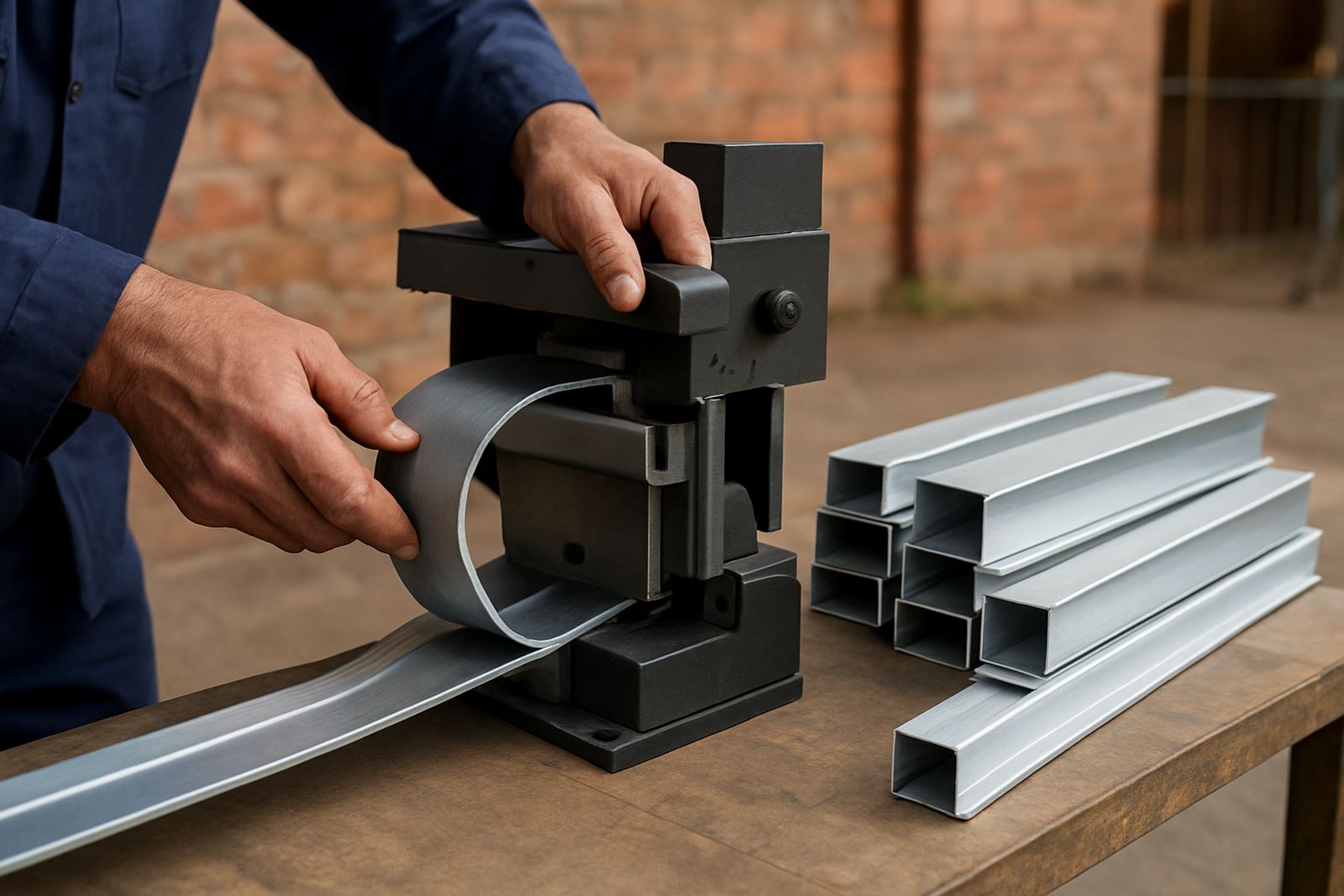
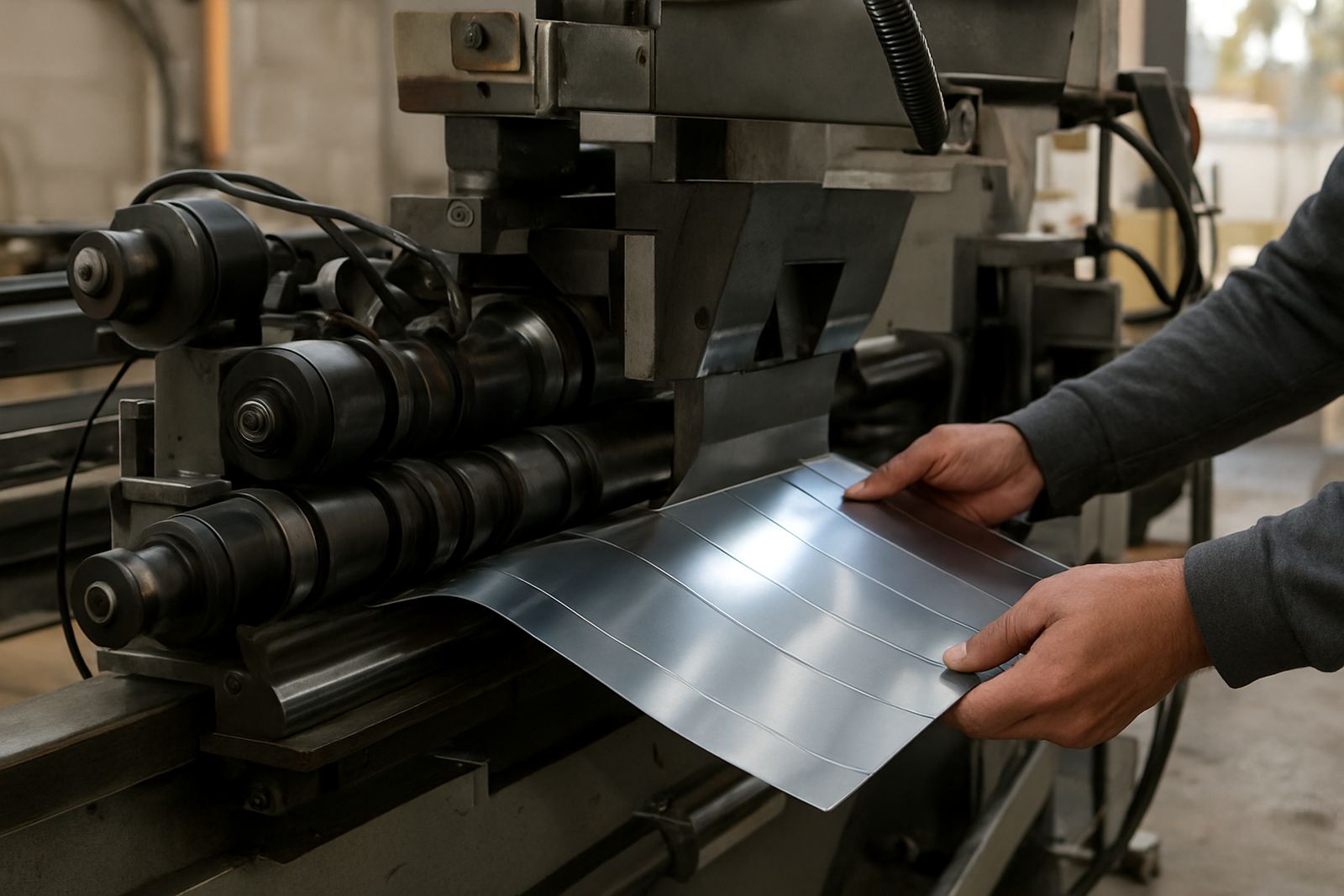
This machine feeds material with controlled movement, then bends it to the required profile for channel-letter work. The result is more even handling of strip material, less variation between pieces, and better repeatability when you are doing long runs or matching multiple letters on the same job.
It is suited to sign makers who want more control than a manual setup and less fuss during the bend cycle. For Midrand workshops, Pretoria fabricators, Durban coastal shops and teams working across the East Rand, it can help keep output steadier when order volumes change week to week.
Sizes, Coil Widths and Return Profiles to Ask For
Servo feed benders are usually selected around the material widths and profile depths you use most often. The right setup depends on whether you make small internal letters, larger storefront sets, or mixed production for retail parks, schools and municipal signage. We help with material selection so you are not buying more machine than you need.
- Typical coil widths: 30 mm, 50 mm, 70 mm and wider, depending on your channel range
- Common return depths: 30 mm to 100 mm, with custom settings for larger face sizes
- Suitable for aluminium and other sign-making strip materials used in channel-letter production
- Feed and bend settings can be matched to the style of letters you produce most often
- Optional coil and return supply can be arranged with the machine order
Where This Machine Fits Best
This type of bender suits sign shops that want cleaner control over the feed, especially where consistency matters across many pieces. It works well for small businesses producing local shopfront signs, as well as larger manufacturers handling regular orders for national rollouts. In humid coastal conditions, cleaner material handling can help reduce waste from handling marks and bent returns that do not line up properly.
It is also useful where labour has to be trained quickly. With proper operator training, a servo feed system can be easier to standardise across shifts, so one operator does not leave the next person fighting the settings. That matters when load-shedding or production delays mean you need to pick up where you left off without wasting material.
- Sign workshops with repeat channel-letter work
- Installers who want in-house control instead of outsourcing returns
- Manufacturers handling medium to higher volumes
- Teams that need consistent feed control across multiple operators
Installation, Power and Workshop Setup
Before installation, we check floor space, access for material loading, and the power available in your workshop. Most servo feed units need a stable electrical supply and proper earthing, especially in buildings where compressors, routers and welders are running on the same line. If your site is affected by load-shedding, it is worth planning surge protection and a suitable backup arrangement so settings are not lost mid-job.
For a clean install, the machine should sit on a level floor with enough room for coil handling and safe operator movement. If you are in a busy industrial park in Midrand or a shared unit in Sandton, we can help with installation planning so the equipment fits the workflow and the material path stays clear. Power needs vary by configuration, but the machine should always be connected by a qualified person who understands workshop loads.
- Confirm incoming power supply and earthing before delivery
- Allow space for coil loading, access panels and finished material exit
- Keep the machine out of damp spots and away from direct wash-down areas
- Plan for voltage stability if your site uses generators or backup systems
Care, Servicing and Breakdown Support
Good care keeps a servo feed bender accurate. Basic cleaning, regular checks on feed components, and careful storage of coils all help the machine stay consistent. In coastal areas like Durban, dust and moisture can build up faster than expected, so routine wiping and inspection are worth doing before problems start. In Gauteng, fine workshop dust can also get into moving parts and sensor areas.
We provide preventive servicing, spares supply and breakdown support, with remote tech help where a quick phone check can save time. If a fault develops, it is often best to stop using the machine until the feed path, control settings and wear points are checked. That helps avoid damaged material and keeps repairs simpler, even if the workshop is busy.
- Clean feed paths and guide areas on a regular schedule
- Check fasteners, rollers and moving parts for wear
- Keep coils dry and stored neatly to avoid bends and dents
- Arrange routine servicing before the machine starts drifting off spec
What to Confirm Before You Order
When ordering, the main thing is to match the machine to the work you actually do. Check the coil widths you use, the return sizes required, and whether you need training for one operator or a full team. If your shop does both small shop signs and larger frontage work, say that early so the machine setup can suit the range instead of only one part of it.
It also helps to confirm whether you want onsite commissioning, refresher training, or installation planning before delivery. Some customers need a straight supply only order, while others want a full handover with production coaching and remote support after the machine is running. Either way, clear order details keep the job moving and reduces errors later.
- Material width and thickness you use most often
- Return depth and letter styles in your normal production
- Power supply at the workshop and any backup system in use
- Whether you need operator training, commissioning or after-sales support
- Delivery address, site access and offloading arrangements
Midrand Supply with National Sign-Maker Support
Channel Letter supports sign makers from our Midrand base, with service across Sandton, Pretoria, the East Rand, West Rand and Durban, plus install work nationwide. Our team includes sales, technical support, training, operations and installation staff, so you can speak to people who know the day-to-day realities of sign production. Sibusiso Mthembu leads the business, and the team handles everything from first order questions to after-install support.
If you need a servo feed bender for a growing workshop, or you are replacing older equipment with something more controlled, we can assist with the machine, coils, returns, setup and training. Send a message through our contact form for product details, pricing in Rand, and practical advice on what will suit your production line best.
Key facts
| Machine type | Servo feed channel-letter bending machine |
|---|---|
| Feed control | Controlled servo-driven material feed for steadier handling |
| Material use | Channel-letter strip material, coils and returns |
| Typical workshop fit | Small sign shops to higher-volume manufacturers |
| Support options | Training, commissioning, servicing, spares and breakdown support |
| Base and coverage | Midrand base with nationwide sign-maker installs |