
What the Touchscreen Bender does in day to day sign production
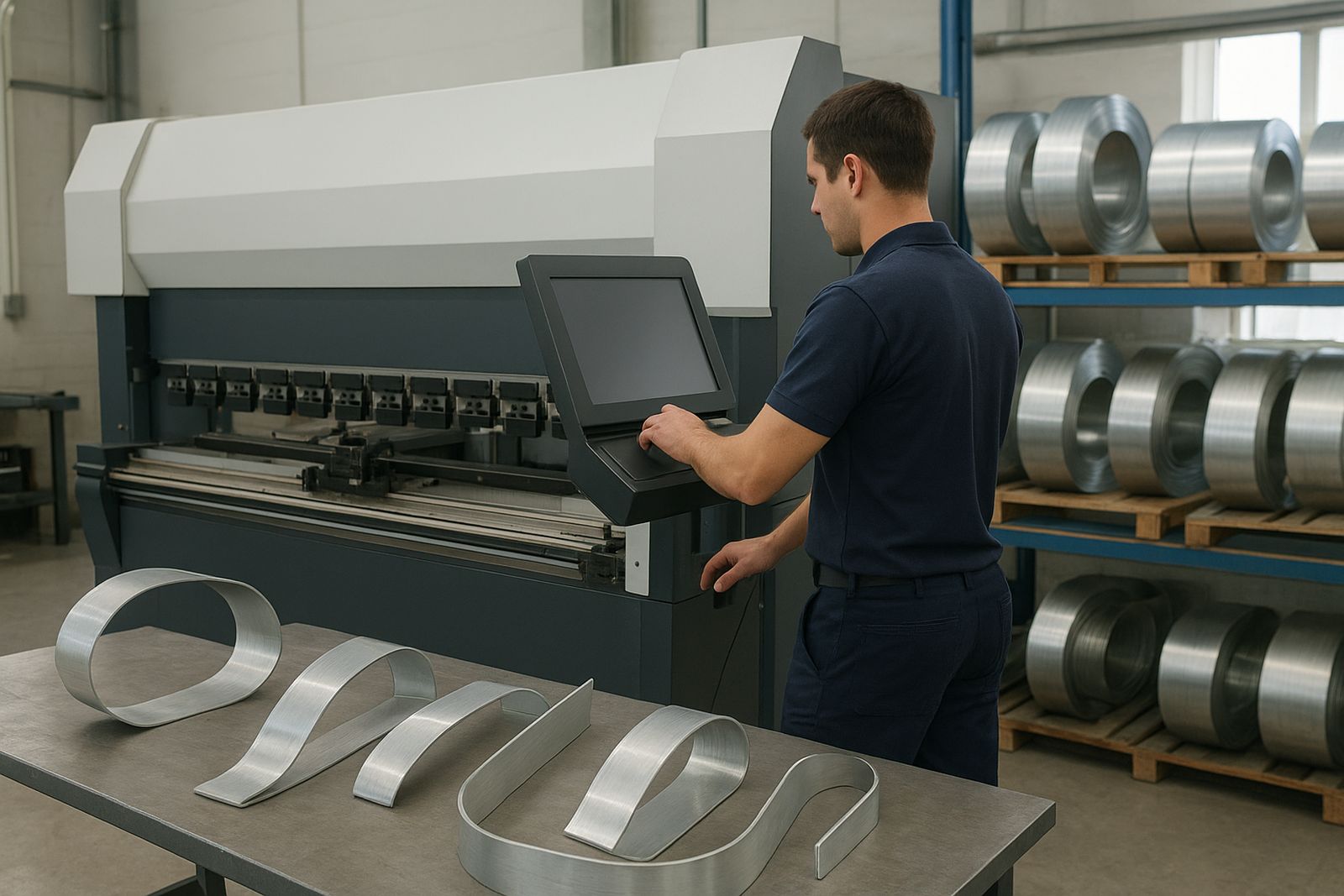
This machine is built for bending channel-letter returns with less fuss at the machine. The touchscreen interface lets the operator enter sizes, set jobs, save repeat work and move between profiles without digging through complicated menus. For a workshop handling a mix of lit letters, box signs and site branding, that means less time on setup and fewer mistakes when orders change at short notice.
It is a practical choice for shops that want cleaner output from a small team. One operator can manage a steady run once the material is loaded and the settings are confirmed. On tighter turnaround jobs, that matters, especially when a client phones in from Sandton needing same week changes or a shop in Durban needs replacement returns before the next fitment.
The system works well with aluminium coil feed and return bending for standard channel letters. It suits sign makers who already know their production sizes and want more control over consistency. The screen gives a clear view of the job settings, and that helps when different staff members need to use the same machine during busy weeks.
Sizes and configuration options to match your workshop
Touchscreen benders are usually supplied with options that match different production volumes and letter sizes. If you are handling small retail letters one day and larger rooftop signage the next, ask for the working range, cutting width and return height that fit your mix. A machine that is too limited can slow the whole line down, while an oversized setup can waste floor space and power.
- Common return widths for channel letters from about 30 mm to 150 mm
- Suitable for thin and medium gauge aluminium return material
- Job memory for repeat sizes and standard bends
- Clear touch display for setup, test runs and production checks
- Adjustable feed and bend settings for different letter profiles
In a Midrand or East Rand workshop, space often matters as much as output. The machine should allow safe loading, room for coil handling and enough access for maintenance. If your team runs a mixed signage line, it helps to match the bender with your most common letter heights rather than only the biggest jobs on your books.
Where it suits best from small shops to high volume makers
This product suits sign makers who need dependable bending for daily production. Smaller businesses benefit from faster setup and simpler staff training. Larger manufacturers benefit from repeatable output, especially where several operators share the same machine across shifts. It is also a strong fit where work includes shopfronts, forecourt signs, pylon lettering and corporate fitments.
For coastal work, the bender helps maintain consistency when the workshop is busy and the material needs careful handling. In humid areas like Durban, stored coil and finished returns should be kept dry and off the floor. Inland, dust and power interruptions are more common, so a controlled machine with clean settings and proper shutdown practice can save a lot of rework.
It also suits contractors who do install planning across Pretoria, Sandton and the wider Gauteng region. When jobs are built to a fixed template, the touchscreen setup reduces variation. That can improve fitment on site, because the returns are cut and bent to the same spec every time, and the sign face assembly goes quicker with less trimming.
Installation, power and workshop requirements
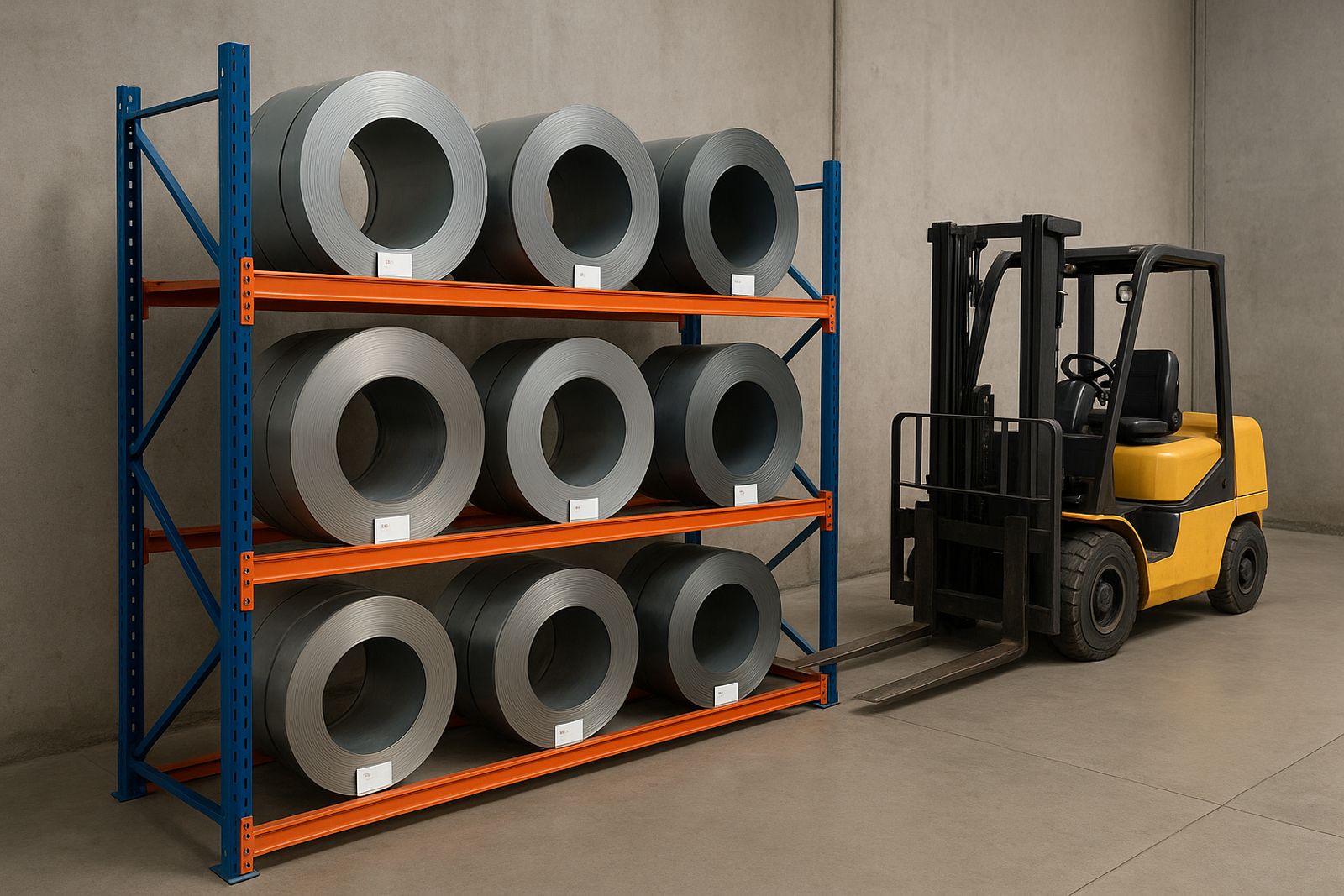
Before installation, confirm the machine footprint, floor strength and clear access for loading coil. A level concrete floor is best. Leave enough room around the unit for the operator, routine cleaning and material staging. If the workshop uses forklifts or hand trolleys, plan the route so coil can move in without damaging the feed side.
- Single phase or three phase power depends on the model ordered
- Stable supply is important for heaters, motors and controls
- Allow surge protection and proper earthing in areas affected by load shedding
- Keep the machine in a dry, well ventilated area away from grinding dust
- Ask for onsite commissioning so the first production run is set up correctly
For South African sites, power quality matters. Voltage dips can affect output, so a proper electrical check is worth doing before handover. In some workshops, a backup supply is also considered for control continuity. If the unit is going into a new production bay, our team can assist with installation planning, operator training and remote tech help after commissioning.
Care, servicing and the habits that keep output steady
Regular care keeps the touchscreen bender accurate and reduces stoppages. The most important routine is simple: keep the machine clean, check feed paths, inspect wear points and make sure the screen stays free from dust and glue residue. Operators should be trained to shut the unit down properly at the end of the shift and to report unusual noise, drag or inconsistent bends early.
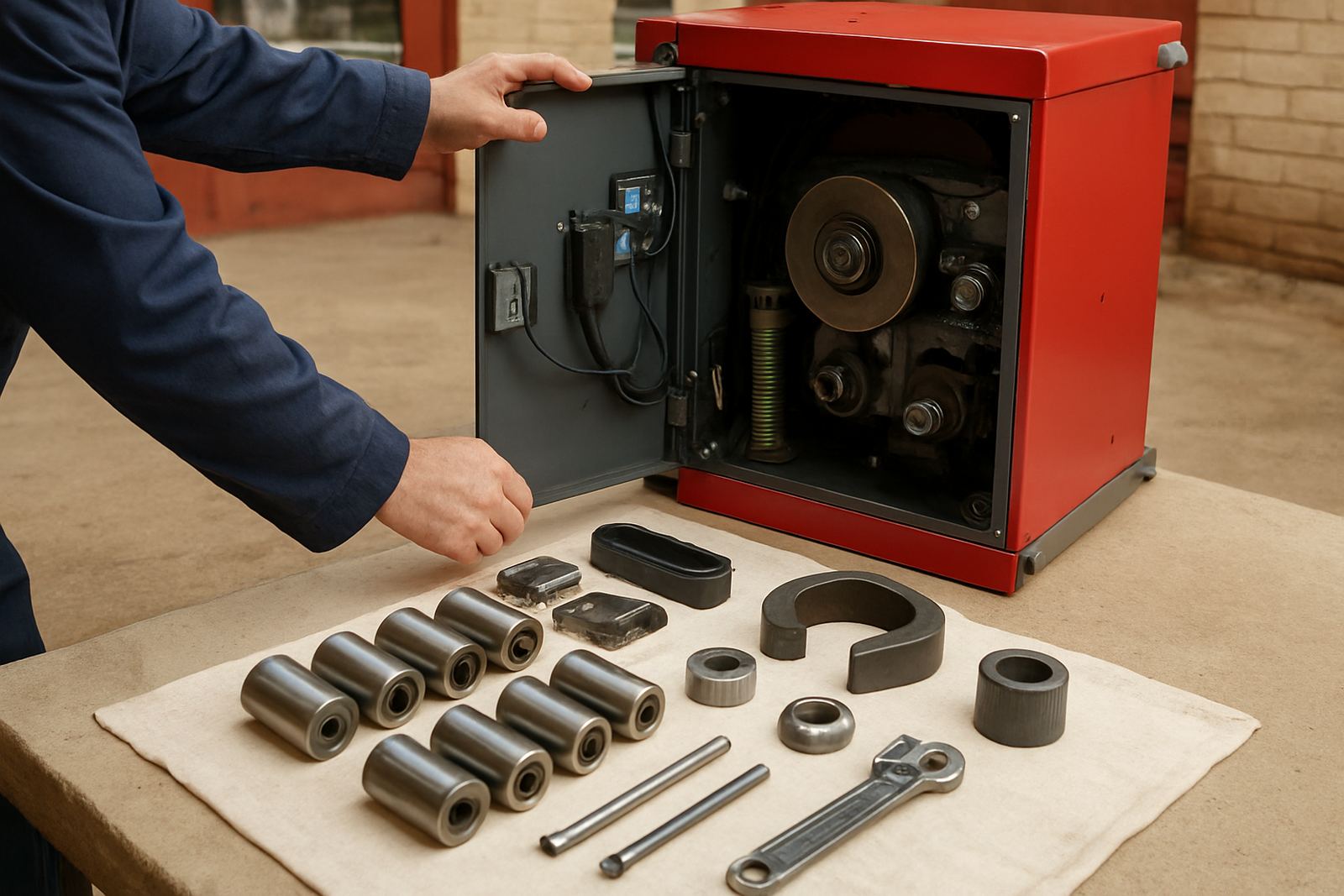
Preventive servicing is better than waiting for a breakdown. That includes checking moving parts, tightening fixings, confirming calibration and replacing worn items before they affect production. If your workshop runs long hours or works through busy tender periods, schedule servicing around your peak order weeks so you do not get caught with dead time and rushed repairs.
We also recommend refresher training when staff change or when a team has not used the machine for a while. A short session can prevent costly errors and helps keep returns neat, especially on repeat corporate work where the tolerances are tight. Small habits make a big difference and can save material that would otherwise be scrapped.
What to check before ordering the right bender and returns
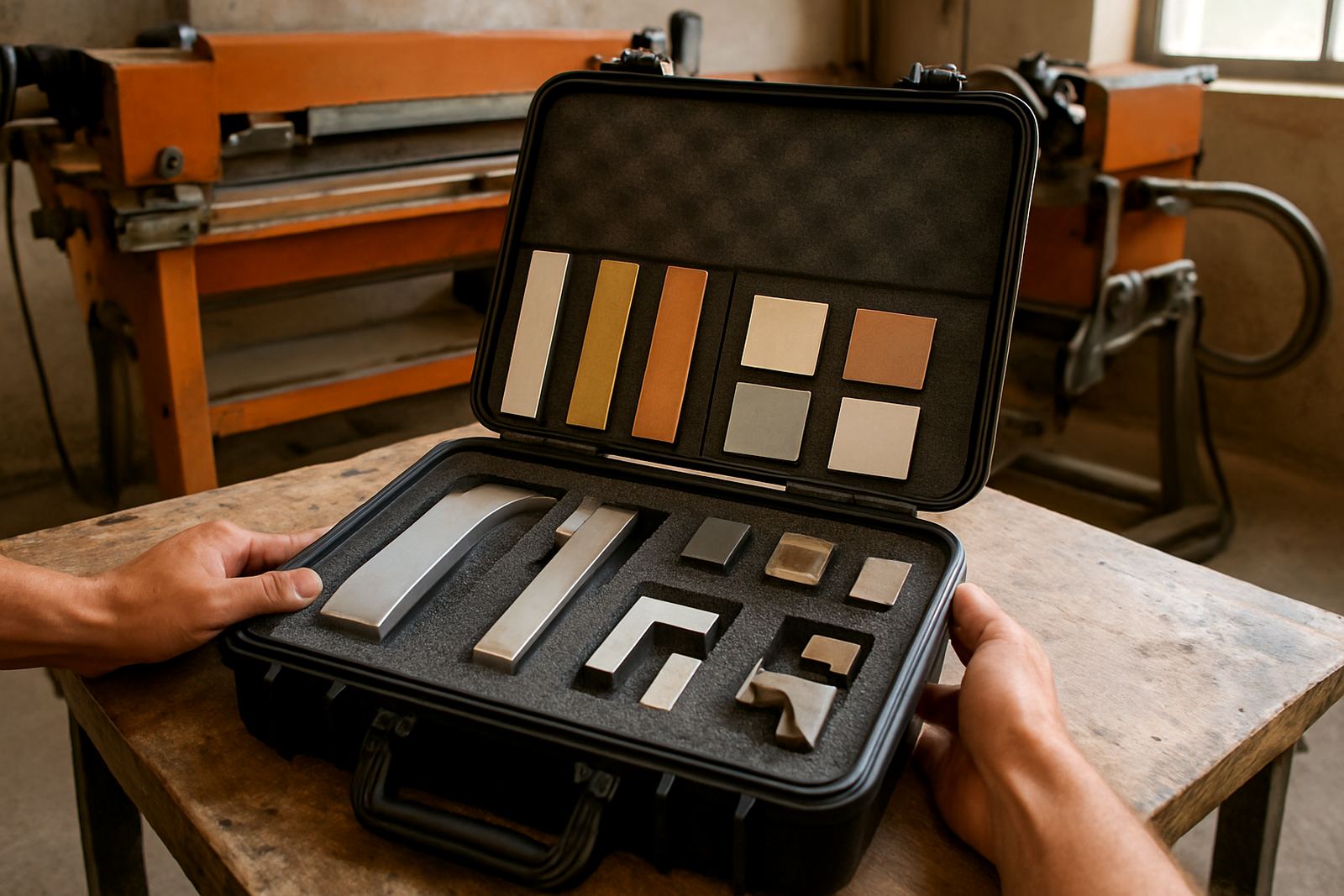
When you order, start with the size of the letters you produce most often. Check the return height, bend radius and material type you use on your common jobs. If you do a lot of illuminated signs, make sure the machine suits the thickness and finish of the aluminium coil you prefer. Ask how the settings are stored, how quickly a new job can be loaded and what the operator sees on screen.
- Most common letter heights and return widths
- Aluminium gauge and finish used in production
- Power supply available at the workshop
- Space for coil storage and safe loading
- Training needs for new and experienced operators
- Spare parts, blades or wear items that should be kept on hand
It is also worth checking support after delivery. If you need spares supply, breakdown support or material selection advice, that should be part of the order discussion. A machine that fits the workshop today must also be supportable next month when the first busy run starts. Getting those points right up front makes the purchase more useful and less stressful.
Key facts
| Product type | Touchscreen-operated channel letter bending machine |
|---|---|
| Typical material | Aluminium coil for channel letter returns |
| Working range | Common return sizes from about 30 mm to 150 mm, model dependent |
| Control system | Touchscreen interface with job setup and repeat settings |
| Power requirement | Single phase or three phase, depending on configuration |
| Support | Operator training, commissioning, servicing and breakdown assistance |