
Built for trimless channel-letter work
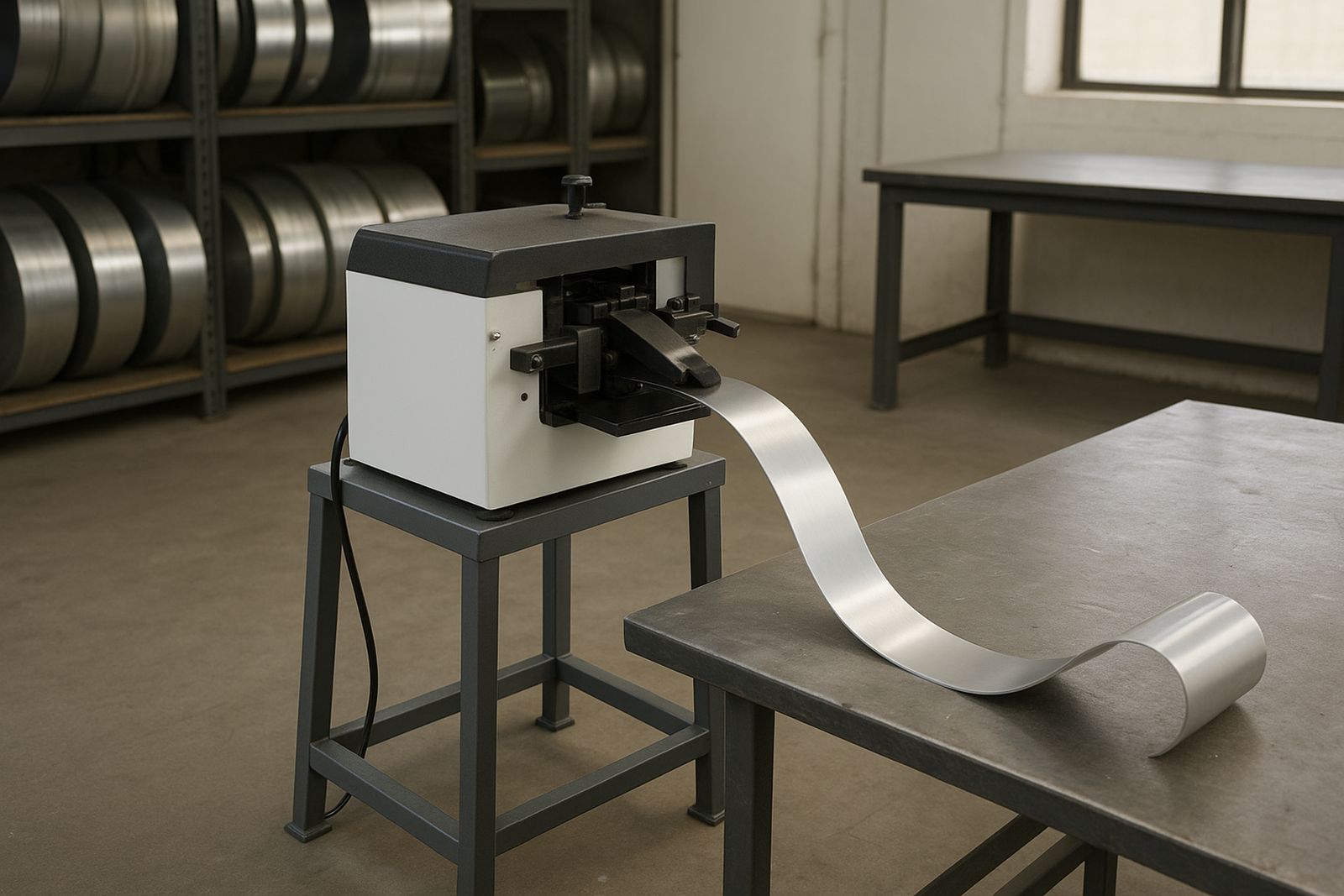
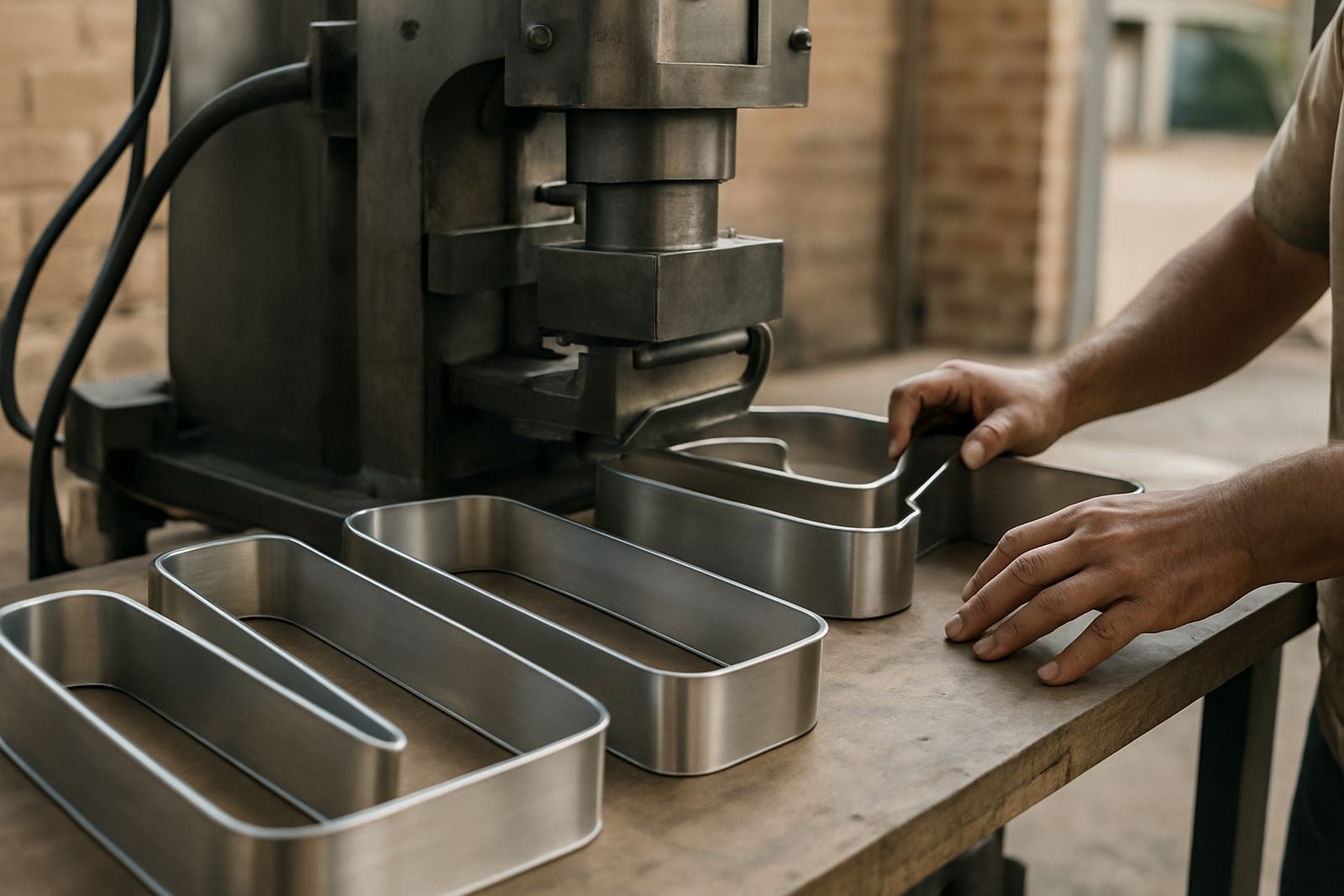
A trimless letter bender forms the return profile used on trimless channel letters, giving a neater finish where the face and side line must meet cleanly. Instead of relying on heavy manual shaping, the machine feeds, bends and measures the strip to the set profile so your team can keep pace with day-to-day production. It is useful when you need a cleaner edge for shopfront lettering, mall fascia signs and higher-end illuminated signs where the finish is noticed up close.
The machine is suited to aluminium return strip and similar sign-making material used in letter fabrication. For many shops, the gain is not only speed but also repeatability. Once the settings are correct, the next letter comes off the line with the same shape and depth which helps when you are producing sets of letters for national rollouts or one-off custom pieces.
- Cleaner edge formation for trimless letters
- Consistent return height and profile
- Less manual finishing on each letter
- Suitable for repeat production runs
Sizes, settings and build options
Trimless benders are commonly supplied with settings for different return heights and strip widths, because sign work in South Africa is rarely one-size-fits-all. A shop producing smaller indoor letters may need tight, neat returns while larger outdoor signage often calls for deeper forms and stronger material control. The right machine setup depends on the letter sizes you produce most often and the range of profiles your clients ask for.
Options can include adjustable feed control, programmable bend spacing, straightening support and cutting integration depending on the production line. If your team works on mixed jobs, it helps to choose a unit that can handle common return sizes without constant manual reset. This cuts down on setup time and keeps production moving when a rush order lands on a Friday afternoon.
- Adjustable return height settings
- Variable strip width support
- Fine feed and bend control
- Suitable for mixed job sizes and repeat runs
Where this machine suits best
This machine suits sign makers who fabricate channel letters for retail stores, industrial sites, offices, franchises and event work. It is especially useful for shops that supply trimless lettering for modern fascias, where a sharper finish is expected. In Gauteng, that often means work for Sandton office parks, Pretoria commercial sites and East Rand industrial customers who need signage that looks tidy and lasts. The same applies along the coast where humidity can expose weak finishing and poor handling.
It also makes sense for businesses that are moving from manual forming to a more controlled production process. If you have a small team and want to reduce rework, or a bigger shop trying to standardise output across multiple operators, the machine gives you a practical base to build on. For load-shedding planning, many workshops pair the bender with stable backup power for controls and support equipment, so work does not stop mid-run.
- Sign shops in Midrand, Pretoria and Johannesburg
- Franchise signage suppliers
- Manufacturers handling repeat letter sets
- Coastal clients needing careful finish control
Installation, power and working conditions
Correct installation matters because the machine must sit level, feed cleanly and stay aligned during bending. In most workshops, you want a dry, dust-controlled area with enough floor space for coils, returns and finished parts. Midrand base deliveries and nationwide installs can be planned around your production area so the unit arrives ready for placement and commissioning.
Power requirements depend on the machine configuration, but sign shops should always confirm voltage, phase and any compressor needs before ordering. If the unit uses air assistance or cutting support, the compressor must be sized correctly and placed where noise and moisture will not affect the line. In Durban and other coastal towns, salt air and humidity can shorten component life if the machine is not cleaned and protected properly. Gas is not normally a primary requirement for the bender itself, but some adjacent fabrication processes may use it, so keep those systems separate and safe.
- Level floor and stable mounting recommended
- Confirm voltage, phase and load requirements
- Allow space for coil feed and output handling
- Keep the unit dry and protected from dust
Care, servicing and production support
Regular care keeps the machine producing accurate returns and reduces downtime. Daily cleaning should focus on dust, offcuts and adhesive build-up around rollers and guides. Weekly checks should cover alignment, feed path condition and any wear on moving parts. If a shop runs long shifts or works through month-end pressure, a preventive servicing plan can make a real difference to output and call-back rates.
Channel Letter supports operator training, onsite commissioning, preventive servicing, breakdown support, spares supply, production coaching and remote tech help. That matters for newer teams and established workshops alike because small setup errors can lead to wasted material and poor edge finish. A bit of training on strip handling and settings saves money quickly, especially when material prices are high and production schedules are tight.
- Clean rollers and guides regularly
- Check alignment before each production run
- Schedule preventive servicing for busy shops
- Keep spare wear parts and consumables on hand
What to confirm before you order
Before ordering, check the typical letter heights you produce, the return widths you use most, the material thickness you prefer and whether your team needs manual or more automated control. It also helps to know how many letters you cut per week and whether the machine must sit in a single production lane or work alongside other sign-making equipment. The right choice is the one that fits your actual workload, not only the biggest job you hope to land.
Also confirm access for delivery and installation, especially if the machine must move into a first-floor workshop or a tight factory bay. If you are outside Gauteng, plan for setup support and operator training so your team can start correctly from day one. For shops in Pretoria, East Rand, West Rand and Durban, it is worth checking spares availability before finalising the order.
- Common letter sizes and return profiles
- Material type and thickness
- Power supply and workshop access
- Need for training, commissioning and after-sales support