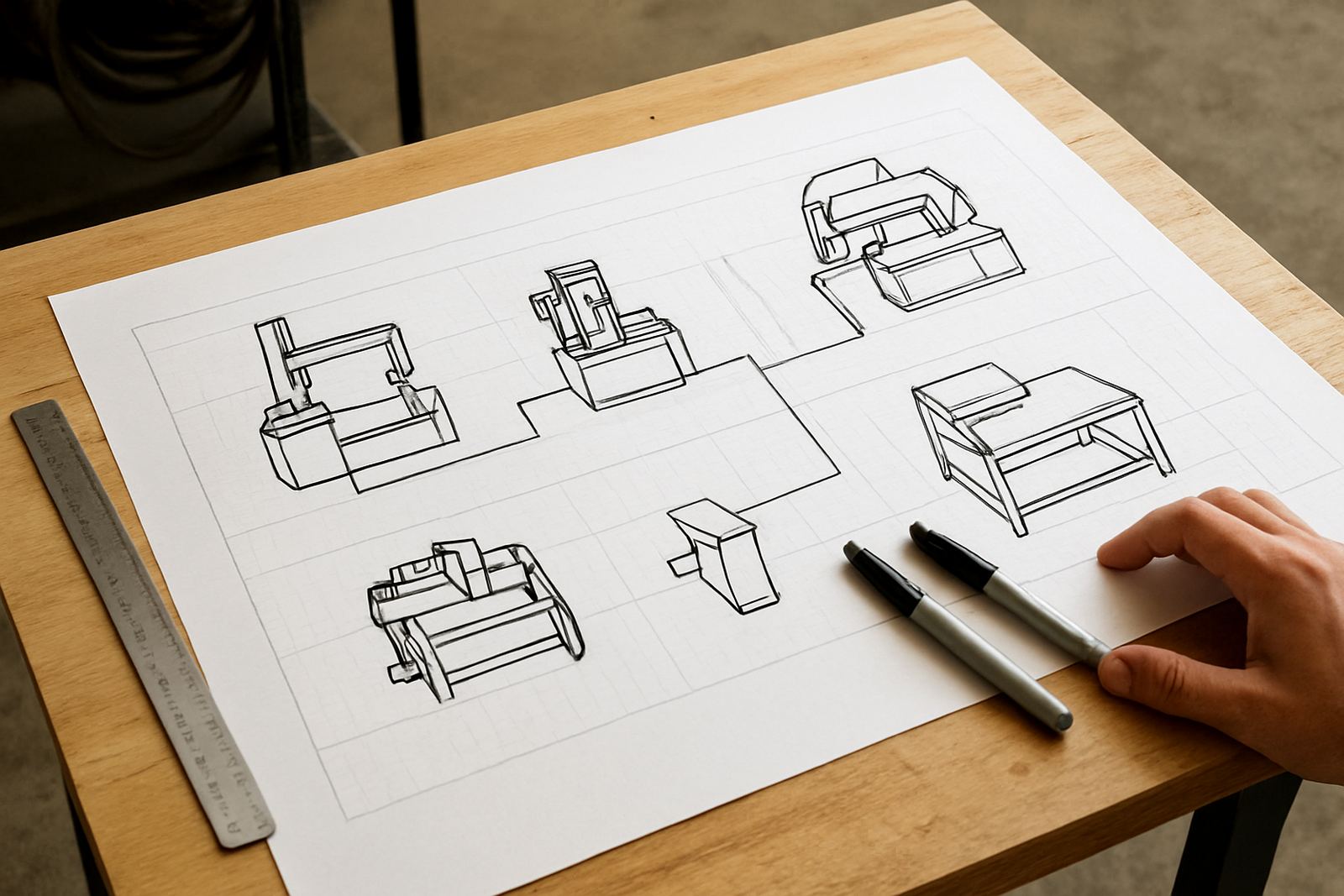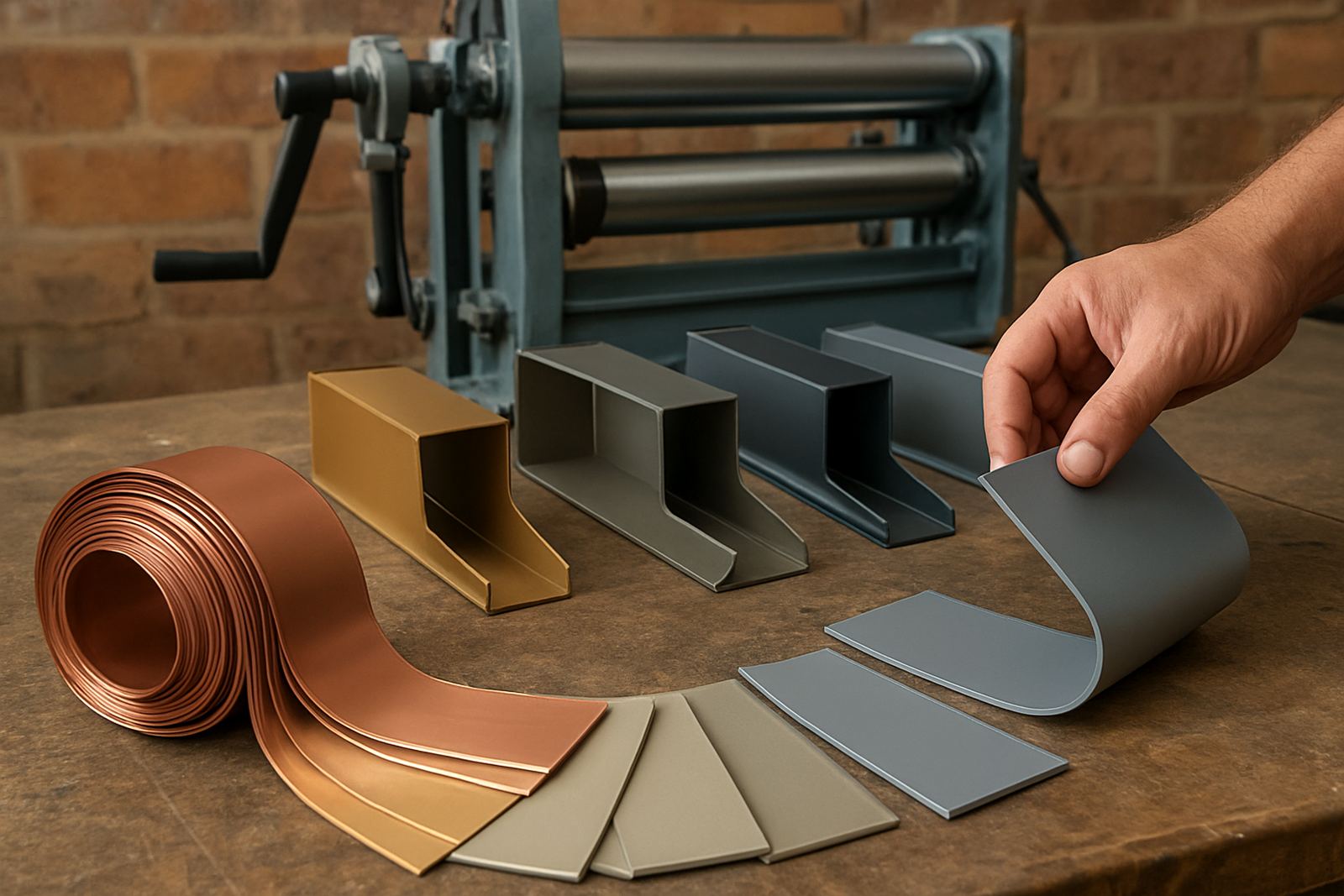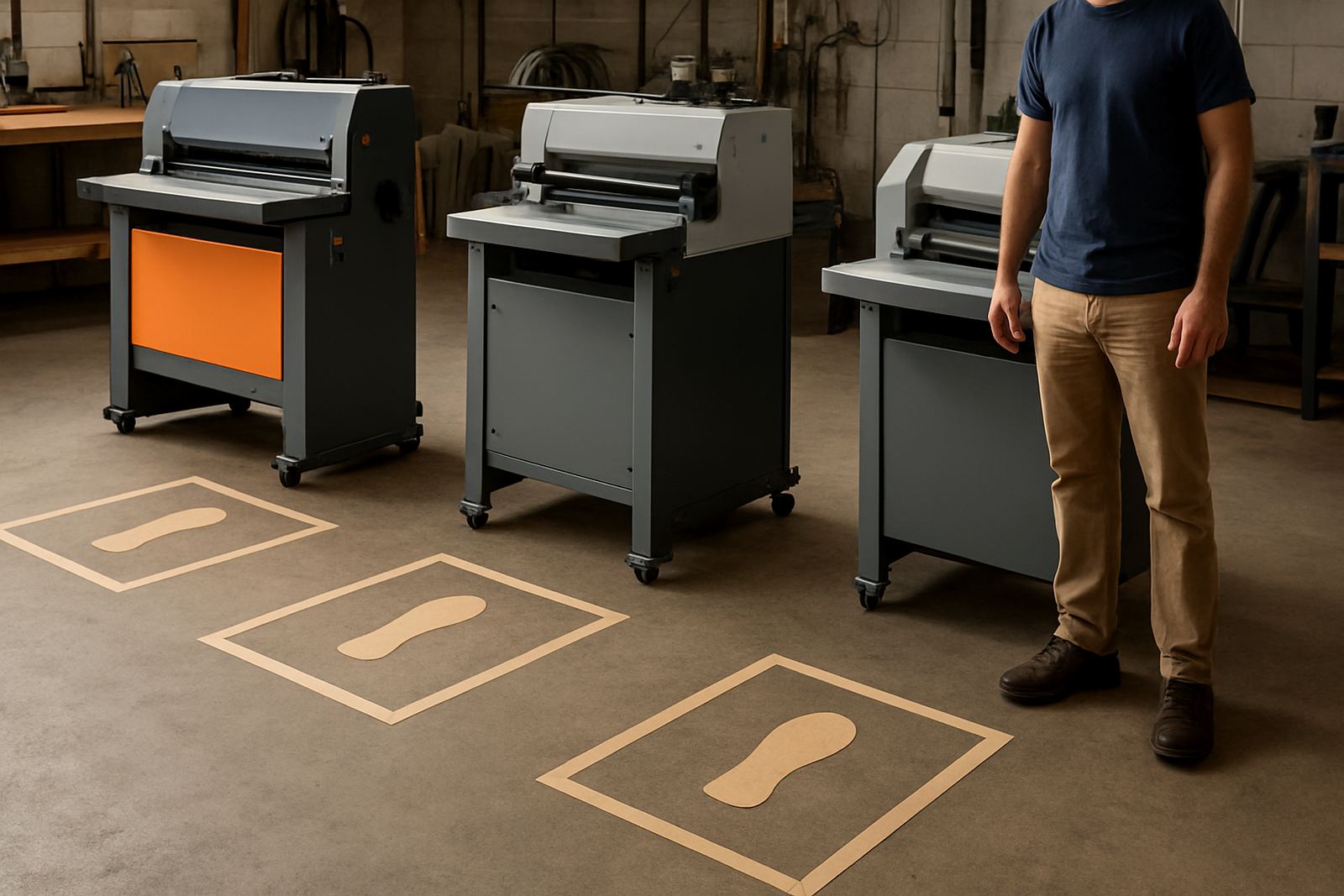


Start with the signs you actually want to make
Before you compare machine specs, write down the kind of work you want to produce in the first 6 to 12 months. A shop doing shopfront letters for Pretoria retail parks will need a different setup to one building larger fabrication pieces for Durban coastal clients or industrial sites in the East Rand. Think about letter height, face depth, return height, aluminium thickness and how often you will run jobs in a week.
If you only need standard illuminated letters, you do not need to buy for every possible profile on day one. Get clear on the most common jobs first. That makes it easier to choose a machine with the right feed width, cutting accuracy and bend control without overspending.
- Typical letter sizes you will produce
- Material thickness you plan to use most often
- Monthly volume, not best case volume
- Indoor workshop space and power supply
- Whether you need training on site after delivery
Check the workshop before you place an order
A first machine should fit your current workshop, not a future space you may not have yet. Measure your floor area, door width and loading access carefully. In Midrand and Sandton industrial units, access can be tight, while in some Pretoria and West Rand premises the challenge is more about floor level changes and limited three phase supply. If you are in a building where load shedding backup matters, ask what happens when power drops mid job and how the machine should be shut down safely.
Also look at dust, heat and humidity. Coastal air in Durban can affect storage and moving parts if the workshop is not managed properly. Keep material racks dry and plan for enough ventilation around the machine and compressor.
- Confirm electrical requirements before delivery
- Check where coils, returns and offcuts will be stored
- Allow space for operator movement and loading sheets
- Plan a clean, level area for finished returns and packing
Know what matters in machine specification
Not every machine with a long list of features will suit a new operator. For a first purchase, focus on repeatable accuracy, stable bending, easy setup and support for the material sizes you use daily. Ask how the machine handles narrow returns, tight radius work and longer runs without drifting. If a setting takes too long to learn, your production time goes up and scrap follows.
Ask for practical numbers, not general promises. What is the minimum and maximum return height, what material thickness is supported, and how easy is it to switch between jobs? If you plan to train staff in stages, the control system should make sense to someone with basic workshop experience.
- Material range supported
- Repeatability on short and long runs
- Changeover time between profiles
- Availability of spares and consumables
- Clarity of operator controls and settings
Budget for more than the machine price
A first machine purchase is never only the machine. You also need coils, returns, mounting hardware, tools, transport, installation planning and time for setup. If you are starting from scratch, add training and at least one support visit into the budget. That protects cash flow and reduces the risk of a machine standing idle while the team tries to figure things out.
Many first time buyers undercount the cost of mistakes in the first 60 days. A few bad bends, incorrect material choice or poor operator setup can waste stock quickly. It is better to set aside a small contingency fund now than to stop production later when a municipal tender or retail opening job is already booked.
- Machine purchase price
- Transport to site and offloading
- Coils, returns and starter stock
- Training, installation and commissioning
- Spare parts and maintenance reserve
Use a commissioning plan on day one
Once the machine arrives, do not jump straight into live customer work. Start with installation planning, power checks, material loading and a test sequence on simple letters. This is where onsite commissioning helps. It gives your team a controlled start and catches small setup issues before they become production problems. For sign makers working across Gauteng or further afield, remote tech help can still be useful after the initial handover.
Build a short launch checklist and follow it every time you start a new shift or new material batch. That keeps work consistent, especially when different staff members handle the machine across the week.
- Test power, emergency stop and safe restart
- Run sample bends before customer material is loaded
- Confirm coil feed direction and tension
- Check return fit against the intended letter face
- Record the settings used for each material type
Train the operator, then train the team
One trained person is not enough if you want steady output. Operators go on leave, get pulled onto installs, or move between jobs. That is why refresher training and production coaching matter after the first handover. A first machine works best when at least two people understand the settings, cleaning routine and common fault checks. In smaller shops around East Rand or West Rand, this can make the difference between meeting a rush order and missing a deadline.
Good training also reduces waste. When the team understands material selection and bend behaviour, they use the right coil for the right job and stop forcing bad stock into production. That saves time and keeps returns straighter.
- Nominate one lead operator and one backup
- Keep a printed settings sheet near the machine
- Train staff on basic cleaning and daily checks
- Review common errors after the first month
Plan support after the first 90 days
Your first machine should be backed by practical after sales support. That includes preventive servicing, spares supply and breakdown help when needed. A machine that is used every day needs regular checks on wear points, feed paths and cutting components. If you run jobs from Midrand to Durban, keeping spares available locally can save days of downtime.
Set a maintenance calendar from the start and keep it simple. Daily cleaning, weekly inspection and scheduled servicing are usually enough to avoid many stoppages. If a fault appears, log it immediately with the job number, material type and the setting used. That makes remote troubleshooting faster and more accurate.
- Book preventative servicing before peak season
- Keep key spares on hand for busy months
- Record faults, fixes and material used
- Review output monthly with your operator and sales team