
Where the clock is lost first
When a sign job runs late, the first blame often falls on installation. In practice, the slowest part is usually the handover between bending, assembly and install prep. A return that is 2 mm out can hold up an entire run, especially when face panels, trims and fixings all need to match. That means one small delay can ripple through the workshop and into the vehicle loading bay.
In a Midrand base where jobs may leave for Sandton in the morning and Pretoria by lunchtime, timing matters. If the operator bends a batch without checking coil width, depth and corner alignment, the assembly team spends time correcting instead of building. If the install team arrives with incomplete fixings or wrong mounting points, the client site becomes the place where the real rework happens.
Bending that keeps assembly moving
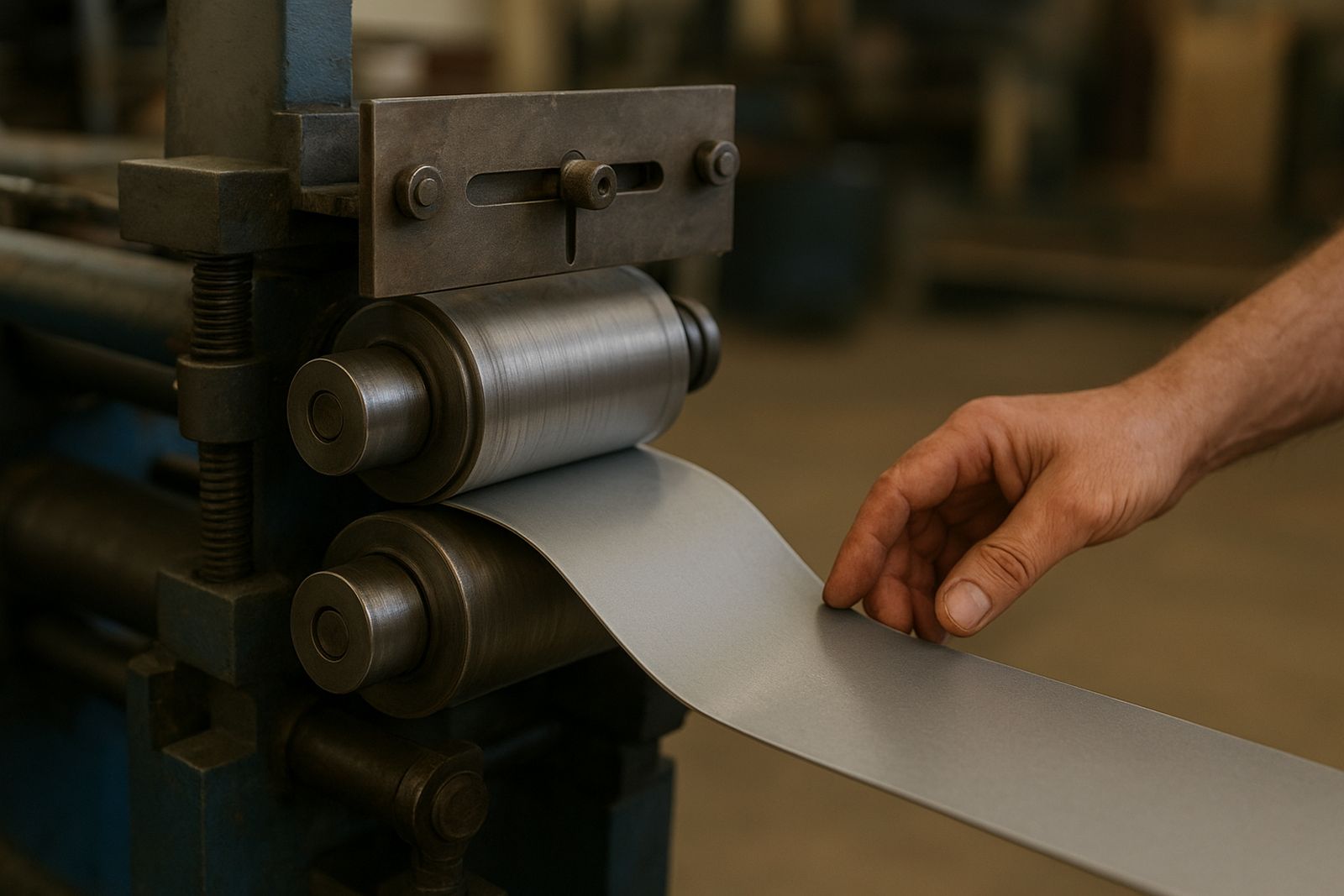
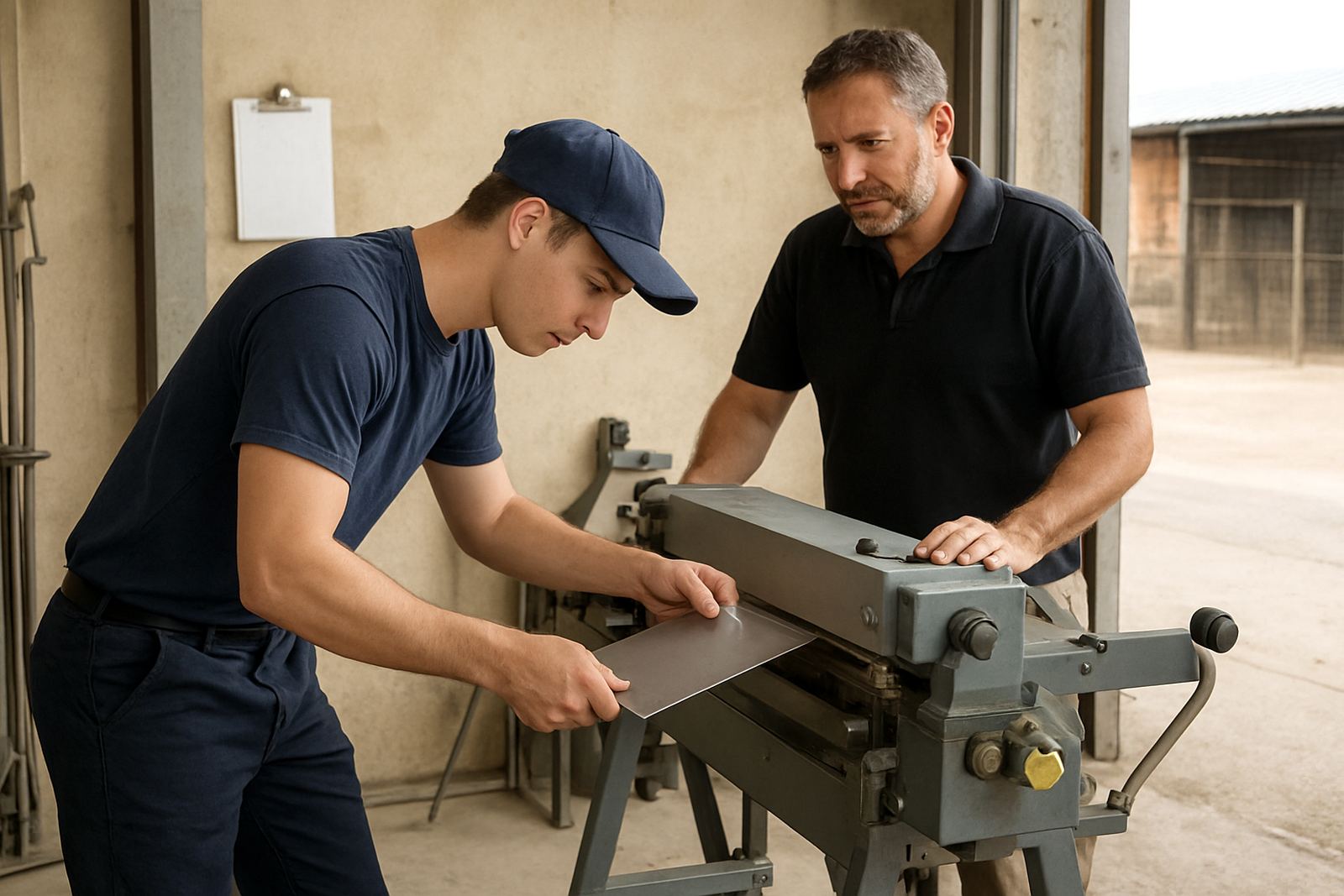
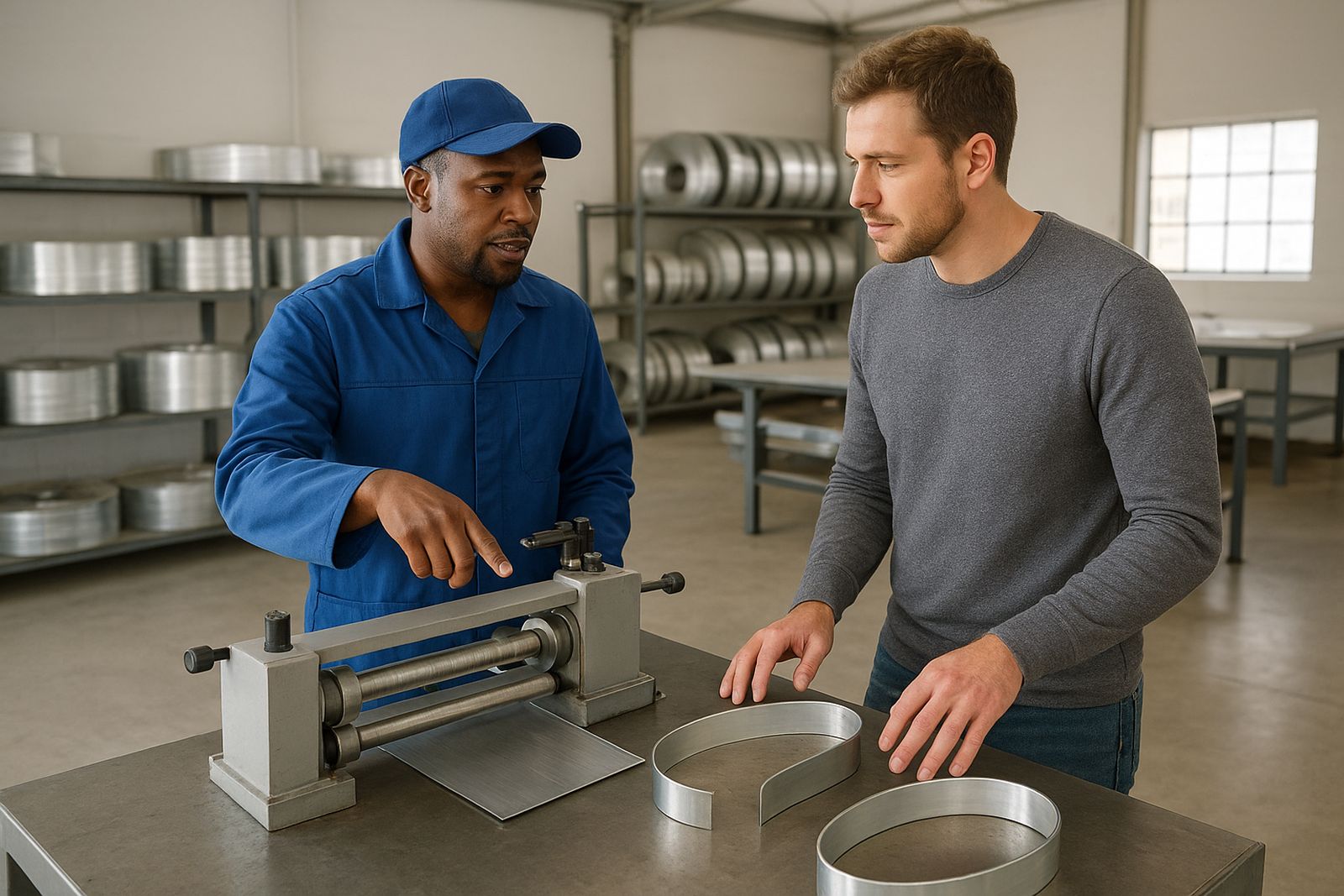
Channel letter bending should be set up to support the next step, not just to finish a profile. The right return depth, consistent bends and clean cut points save hours later. Many workshops still lose time because the machine is doing the job, but the output is not matched to the assembly method. That can mean extra trimming, repeated test fits and wasted material.
Good production flow starts with standard sizes for common letter heights, face depths and fixings. Keep a clear record of coil thickness, return width and the most used profiles for each type of sign. If you have a mix of shopfront work and larger roadside signs, separate the settings so the operator does not keep resetting for every order.
- Check coil width before the run starts.
- Confirm bend depth against the face and back panel spec.
- Label cut parts by job number and letter position.
- Keep one approved sample on hand for repeat work.
Assembly problems that slow a whole batch
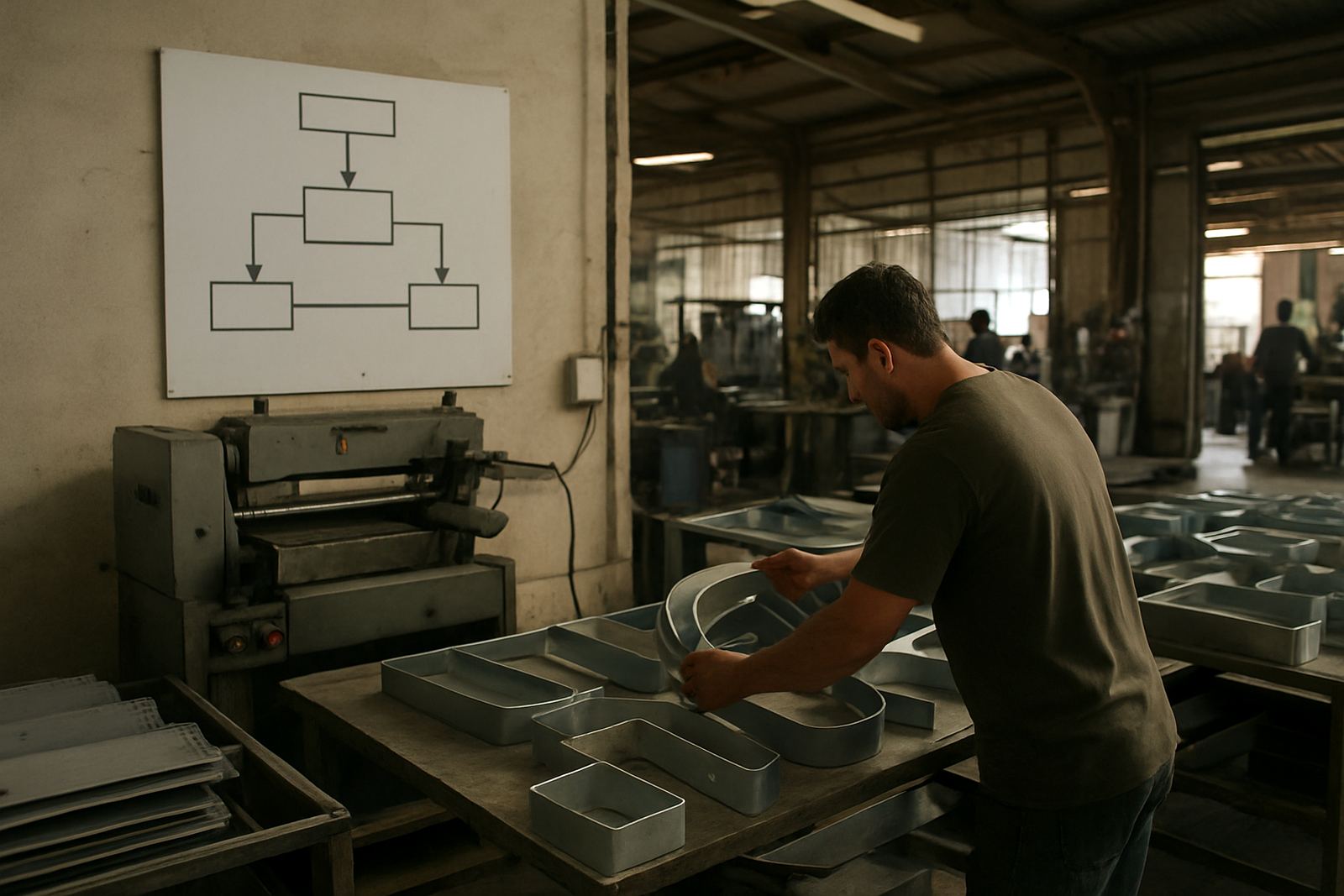
Assembly is where many teams discover that the bent returns are not the only issue. If the faces, returns and backs are not organised properly, the bench fills up fast and the crew starts hunting for parts. That is wasted time and it creates avoidable errors. A neat bend means little if the correct face colour or mounting clips are missing from the tray.
In coastal places like Durban, humidity can also affect storage. Coil and cut parts left open to damp air may not fail instantly, but the handling becomes harder and finishes can mark more easily. Keep materials stored off the floor, close containers after use and move completed parts into a dry area before final fitting. It sounds basic, but it keeps the batch consistent and saves rework.
- Group all parts for one sign together before assembly starts.
- Use a checklist for faces, returns, fixings and templates.
- Keep offcuts separate from usable stock.
- Inspect each letter before it moves to install prep.
Prep for installation before the truck is loaded
Install prep should start in the workshop, not at the site gate. A team that leaves Midrand with the correct fixings, tools and sequence drawing will work faster than one trying to solve gaps on the pavement outside a shopping centre. Make sure every job has measured mounting points, access notes, and a clear count of brackets, sealants and fasteners. On municipal sites, there may also be permit or access rules that affect timing, so the crew must know that before departure.
Load-shedding makes this even more important. If assembly or final checking depends on power tools, a sudden outage can stall the job and push the install window into the next day. Plan the bench work so the non-powered checks are done first, and keep battery tools charged for basic site adjustments. In Pretoria and the East Rand this can be the difference between finishing at midday and returning after dark.
- Pack fixings by job and by sign position.
- Send the installation drawing with the crew.
- Check access height, lifting points and wall condition.
- Confirm after-hours rules if the site is in a mall or office park.
A Midrand example: one small error, three lost hours
A small workshop in Midrand had a run of channel letters for a forecourt sign in Centurion. The bending was done well, but the returns were set 3 mm shallower than the agreed spec. Assembly still went ahead, and only during dry fit did the team see that the face sat too tight on two letters and too loose on three others. By then the crew had already cut, cleaned and sorted the batch, so the correction took most of the afternoon.
The lesson was simple. The machine was not the problem, and neither was the install team. The bottleneck came from skipping a quick check between bend and assembly. Once the workshop introduced a first-piece inspection and a sign-off sheet, the next similar job moved through in one clean run. Less stress, fewer calls and no last-minute scrap bin work.
Practical habits that keep jobs moving
If your workshop handles mixed work, from small tenant signs to larger building fascias, the answer is not to rush harder. It is to remove the repeated delays that slow every order. Short meetings before production, clear job cards and one person checking the handover points will save more time than a longer shift with the same problems.
Channel letter production works best when the team treats each stage as part of one flow. Bending must suit assembly. Install prep must suit the site conditions. When those three stages are aligned, you get fewer call-backs and a better finish for the customer, whether the sign is going up in Sandton, West Rand or Durban.
- Hold a 10 minute start-up check each morning.
- Keep sample letters for quick comparison.
- Record the cause of every delay so it does not repeat.
- Train new operators on the full job flow, not only the machine.
What to ask before the next job starts
Before the next batch begins, ask one question: where is the job most likely to stall? If the answer is bending, fix the settings and the material check. If it is assembly, improve the parts flow and storage. If it is install prep, tighten the checklist and load plan. The right answer is different for each workshop, but the method is the same. Look at the handover points, not just the task in front of you.
That approach keeps production realistic for South African conditions. It respects load-shedding, travel time between towns and the pressure of client deadlines. More than that, it helps the team finish the job properly the first time and that is where the savings are.