
Why feed alignment changes the whole bend
When the feed path is not aligned, the return material does not enter the bending section at a true angle. That small error shows up later as a twist, a shallow corner or a bend that sits just off the face line. On narrow returns the problem may be hard to spot at first, but once the letters are assembled the mistake can run through the whole job.
In a busy shop, this turns into more than a neatness issue. Misalignment can mean extra trimming, rejected sections and more time spent correcting one letter after another. Operators then start adjusting by eye, which helps for a moment but usually makes the next batch less consistent.
Signs the feed is not tracking square
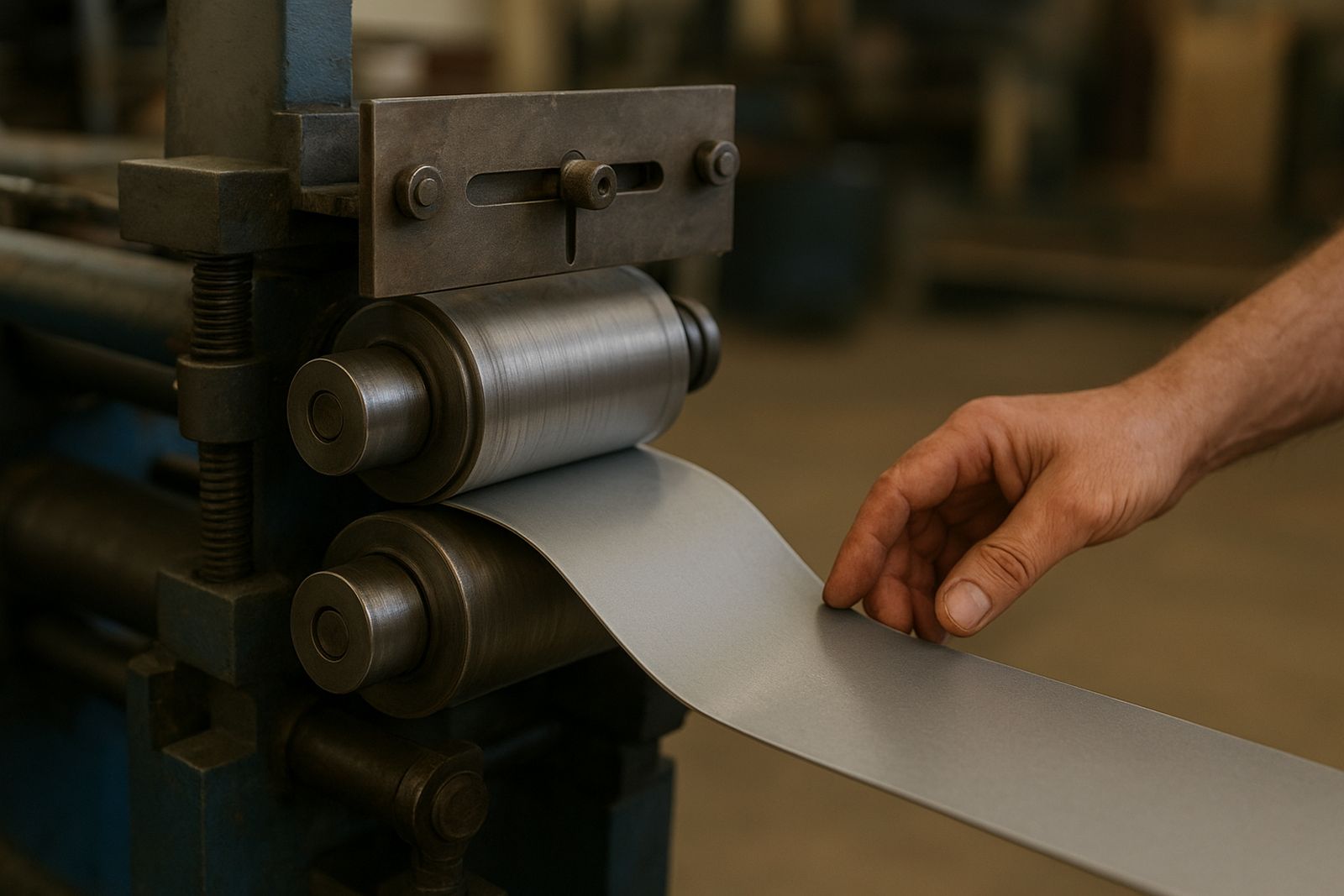
A good operator can usually feel when the feed is not right before the bend even finishes. The machine may sound different, the return may drift to one side, or the bend line may start creeping away from the set mark. If the feed rollers are pulling unevenly, the material may also show light scoring on one edge and not the other.
- Bends that sit a few millimetres off the intended line
- Returns that curl slightly instead of holding a clean angle
- More hand correction during assembly
- Uneven wear on rollers, guides or clamps
- Operators having to slow down to keep the job accurate
These are early warnings. Ignore them for a week and the machine may still run, but the waste count climbs and the team loses trust in the process.
What to check before blaming the tooling
It is tempting to blame the cutter, the tooling or the material first. In many cases the real issue is upstream at the feed. Start with the simple checks before making bigger changes. Confirm that the material sits correctly through the guide path and that both sides are supported evenly. Make sure the coil or strip is not entering with a sideways pull from the rack or from a badly placed stand.
Next, inspect the rollers and guide points for wear. A worn roller can hold one side of the return slightly higher, and that is enough to create a consistent bias in the bend. Also check that the feed tension is not too tight. Over-tension can flatten the material on one side and make the bend behave differently from the drawing. If the shop is working through load-shedding with a generator or inverter, check again when power returns because vibration and stop-start cycles can shift settings more than people expect.
- Check material entry from coil to machine
- Look for worn rollers and loose guides
- Confirm the feed tension is set for the material thickness
- Test after power interruptions or machine movement
How alignment affects waste and rework
Bad feed alignment wastes material in two ways. First, it creates outright scrap when a bend is too far out to use. Second, it creates hidden waste through rework. An operator may save the letter by cutting and refitting a return, but that takes time and often uses extra coil stock anyway. Over a month, those small fixes can amount to a surprising cost in 2 metre or 3 metre runs.
In Midrand and the surrounding industrial areas, many sign shops handle mixed jobs, from one-off shopfront letters to repeat production for larger installers. That means the machine must stay consistent from the first letter to the last. If feed alignment slips halfway through a batch, the team may not notice until the letters are stacked for final fitment. By then the correction work is expensive and the schedule is already tight.
Building operator confidence through repeatable setup
Operators gain confidence when the machine behaves the same way each time. A clean setup gives them a clear reference, so they can focus on size, shape and finish instead of wondering whether the next bend will drift. This matters when training new staff too. A new operator learns faster when the feed is stable because the results make sense from one test strip to the next.
For shops that run several shifts or use different people on the same machine, write down the setup values and keep them near the machine. That should include guide positions, pressure settings and the type of material used. If the team changes over during the week, one person’s correction does not become the next person’s problem. It sounds simple, but it prevents a lot of back and forth.
- Record the standard setup for each material thickness
- Use the same test piece when starting a new batch
- Keep a note of changes after servicing or transport
- Train operators to stop and check before the waste builds up
A practical Midrand example from the shop floor
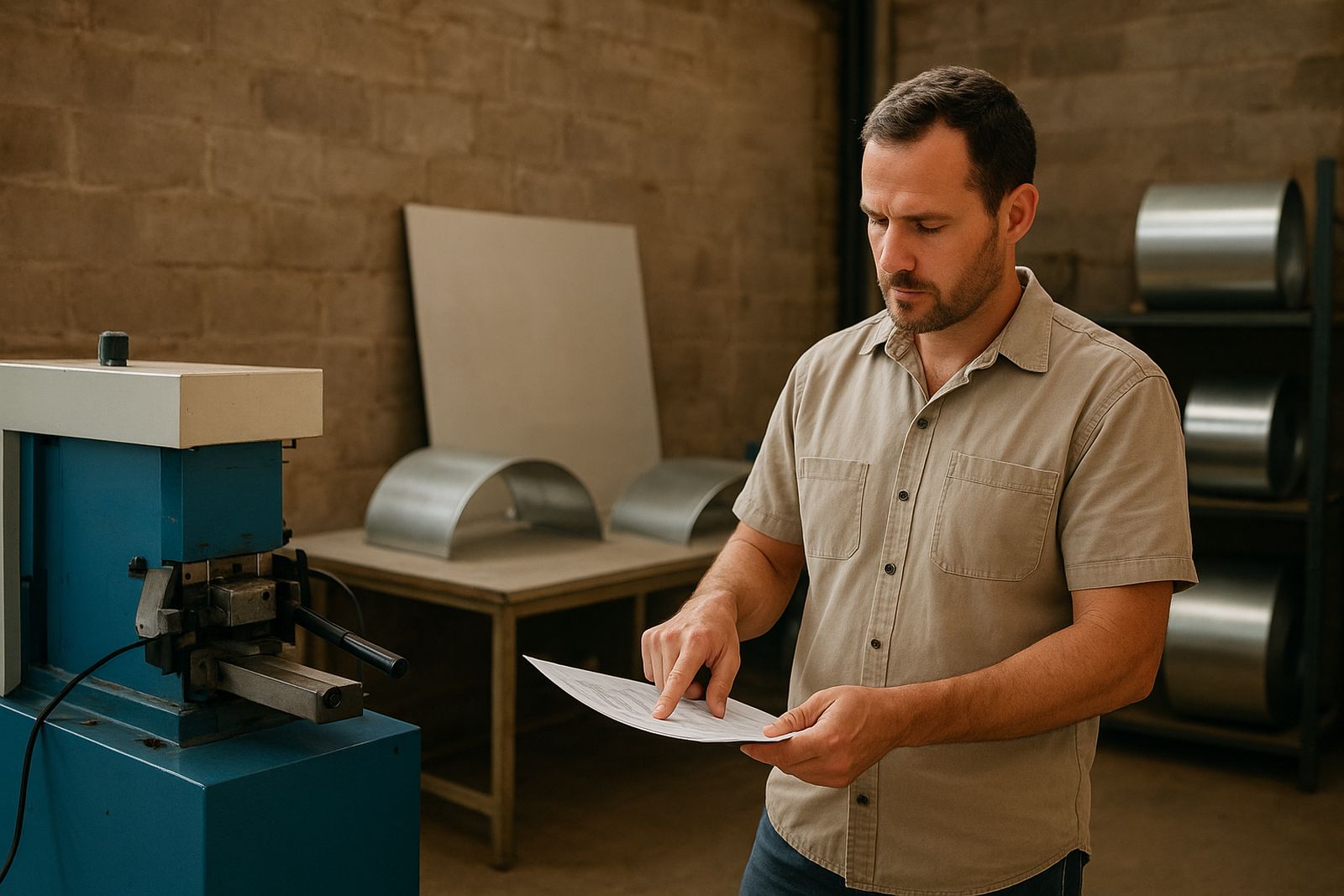
A sign maker in Midrand preparing a run for a retail centre had repeated issues with one corner always opening slightly on the returns. The tooling was checked first, but the real cause was a minor side pull from the coil stand and a guide that had drifted after moving the machine across the floor. Once the feed path was squared up and the guides reset, the bends settled immediately and the scrap dropped within the same afternoon.
That sort of issue is common in shops that also handle installs in Sandton, Pretoria, the East Rand and beyond. Machines get moved, floors are uneven, and coils can shift with handling. A quick alignment check before production would have saved several sheets of waste and a lot of frustration. The lesson is plain: if the feed is off, the rest of the job follows it.
When to call for help instead of pushing through
If alignment keeps drifting after you reset it, there may be a mechanical issue behind the feed, not just an operator setting. Persistent side pull, unusual wear, bent guide parts or inconsistent motor behaviour all need a proper inspection. Preventive servicing is better than running the machine harder and hoping the problem disappears.
At that point it is worth bringing in technical support, especially when production is booked tightly or a client install date is close. A short visit for onsite commissioning, breakdown support or refresher training can stop a small alignment fault from turning into a costly batch failure. The aim is not just to get the machine moving again, but to get it bending straight and holding that standard through the whole run.