
Start With the Access Route, Not the Sign
Before a channel letter install can go ahead, the team needs a clear path from the road to the fixing point. That means checking gate widths, driveway turns, overhead cables, low branches, guard houses and whether the delivery vehicle can reverse or turn around on site. In Midrand and Sandton, tight business parks often leave very little room for error, while in older industrial areas like parts of the East Rand, uneven paving and service yards can slow the job down fast.
The simple question is whether the sign, the tools and the lifting gear can reach the point of work without damage or extra handling. If the answer is no, the plan must change before the truck leaves the base. A short site visit or photo review can save a full day of wasted time later on.
Check Heights, Clearances and Fixing Surfaces
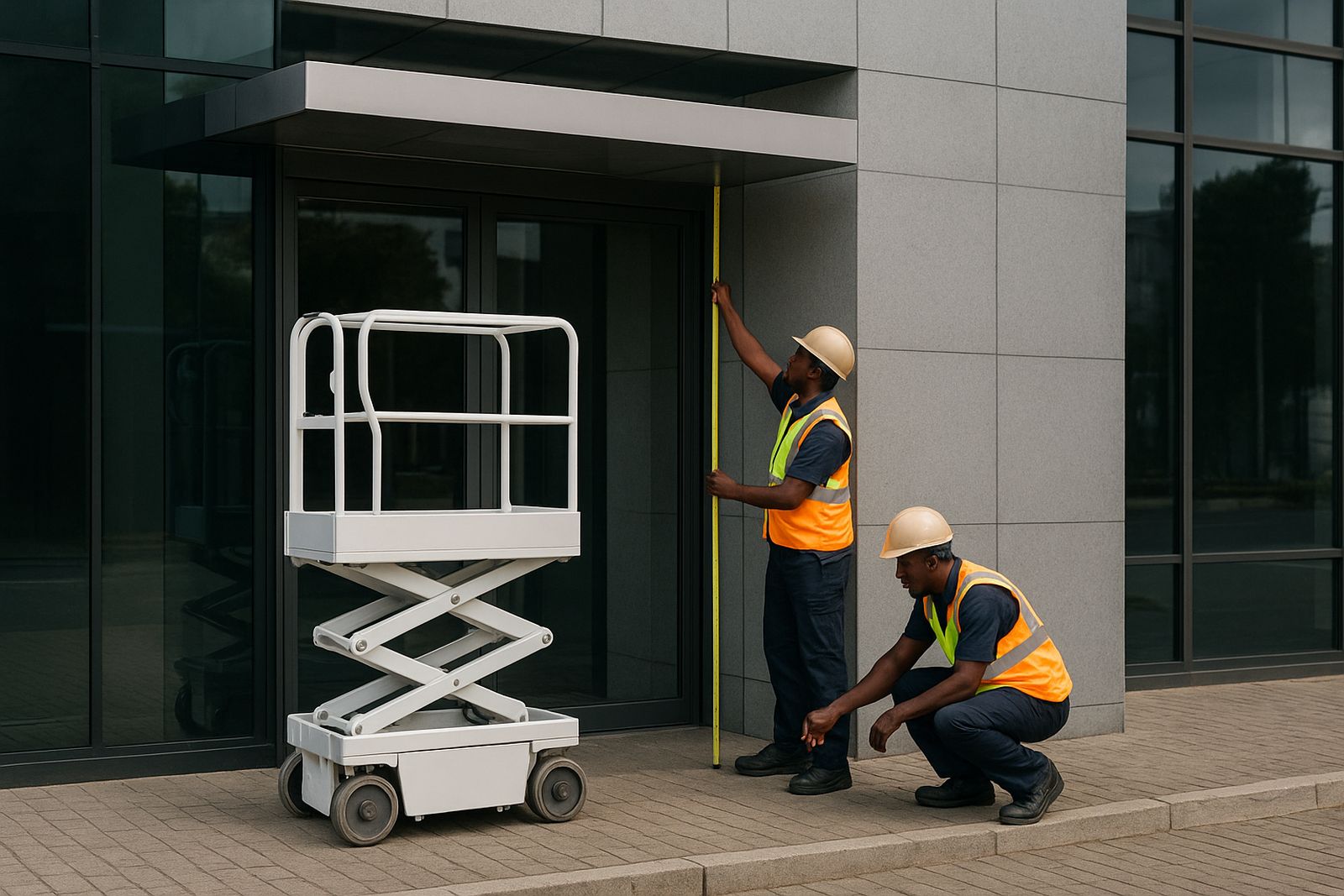
Access is not only about getting onto the property. It is also about reaching the exact fixing point safely. The crew must know the mounting height, the type of wall or cladding, the condition of the substrate and whether there is space to work from a ladder, scaffold or lift. On taller shopfronts and warehouse facades, even a small misunderstanding on height can affect the equipment choice and the labour needed.
Ask for clear measurements and recent photographs. A wall that looks flat on a phone image may hide coping stones, pipes, cable trays or uneven panels. If the sign is going onto a corner position, check both sides, because one side may have access while the other needs a different reach plan.
- Measure the sign position from ground level to the centre line.
- Confirm wall material and fixings before drilling starts.
- Check for obstructions such as gutters, beams and service pipes.
- Allow space for the installer to step back and inspect alignment.
Delivery, Unloading and Lifting Equipment Must Match the Site
Channel letters and related materials can arrive in boxes, crates or bundled sections depending on size and finish. The site needs enough space to offload, sort and move those items without bending returns or marking faces. If the installation is in a busy retail centre or a managed industrial park, unloading windows may be limited and security may require vehicle registration details in advance.
Sites in Durban and other coastal areas need extra care as humidity and sea air can affect handling and storage, especially if the materials will sit on site before fitting. In those cases the crew should plan for covered storage and quick installation. For larger signs, a lift plan may be needed so the right access plant arrives with the truck, not after it.
- Confirm where the vehicle will stop and unload.
- Check weight limits for pavements, slabs or loading bays.
- Make sure the lifting method suits the sign size and shape.
- Keep a dry holding area ready if the install runs over more than one day.
Power, Permits and Site Rules Can Hold the Job Up
Many installs fail on admin rather than technical work. A site may need access permits, after-hours approvals, inductions, or copies of insurance documents before anyone can start. Municipal and property management rules can also affect where a sign may be fixed, how high it may stand and whether temporary barriers are required during the job. If load-shedding is expected, the crew should know whether testing, drilling support equipment or temporary lighting will need backup power.
It helps to confirm who signs off the job on arrival. A missing manager, no key to the electrical room or no approval for an elevated work platform can stop the whole team. Keep the paperwork together and share it early, not at the gate.
Safe Placement Depends on People as Much as the Wall
Even when the physical access is fine, the working area still has to be safe for the public and the crew. Check pedestrian routes, delivery traffic, parking bays, drop zones and any live operations nearby. At a shopping strip in Pretoria or a factory yard in the West Rand, the installer may need to work around customers, forklifts or stock movement. That changes the timing and the barrier setup.
Good placement also means thinking about visibility. The sign should be level, readable and positioned where it will not clash with security lights, awnings or traffic signs. If the install is too high or too close to another structure, it may be hard to service later. A sign should look right on day one and still be practical when a panel needs attention months later.
- Mark a clear exclusion zone before lifting starts.
- Keep the public away from drilling and overhead work.
- Check for night work lighting if the site is busy during the day.
- Plan future service access before final fixing.
A Midrand Warehouse Example Shows Why Planning Matters
Take a typical Midrand warehouse installation. The sign is ready, the crew is booked and the client wants the work done before a product launch. On arrival, the team finds a narrow gate, a parked delivery truck and overhead electrical lines near the access lane. The wall is high, the yard surface is uneven and the only safe working window is after 6 pm. Without a proper site access check, that job would have turned into a delay and possibly a safety issue.
With the checks done early, the plan changes. The truck arrives at the correct time, the lift reaches the wall safely and the sign is mounted without drama. That kind of preparation is what keeps projects moving across Midrand, Pretoria, Durban and the surrounding industrial areas. It is not extra admin, it is part of getting the job done properly and on time.
If you are planning a new sign install, send through photos, measurements and access notes before delivery day. The more the crew knows upfront, the fewer surprises on site.