
Start With a Proper Cut List, Not a Guess
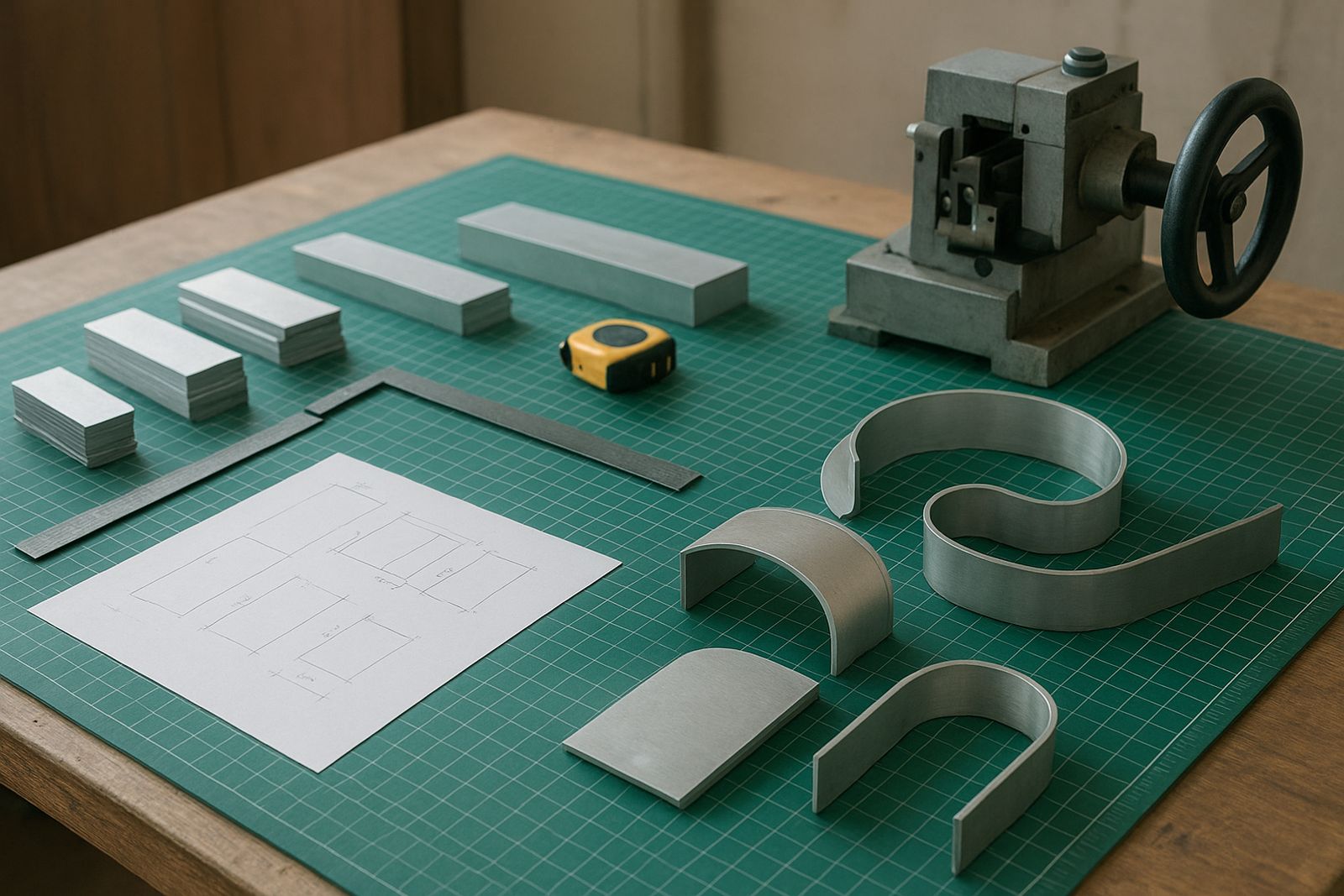
Most offcuts are not caused by one bad bend, they come from poor planning at the start. If the face size, return depth and letter count are not mapped out properly, the coil gets used in short runs and the leftovers pile up fast. A clear cut list helps the operator work from the same numbers every time, which matters when you are producing a mix of block letters, script and illuminated signage in one week.
For sign makers in Midrand or Pretoria, where jobs often move between small retail signs and larger factory fascias, the temptation is to start cutting as soon as artwork is approved. That is when waste creeps in. Measure twice, confirm the return height and check whether the design can be nested more efficiently before you load the machine. It sounds simple, but a few minutes at the planning table can save metres of material.
- Confirm the letter heights and stroke widths before cutting the coil
- Group similar profiles together to reduce machine setup changes
- Allow for joints, overlaps and corners so the first run is accurate
- Keep a written job sheet with sizes, quantities and finish type
Match Coil Width and Return Depth to the Job
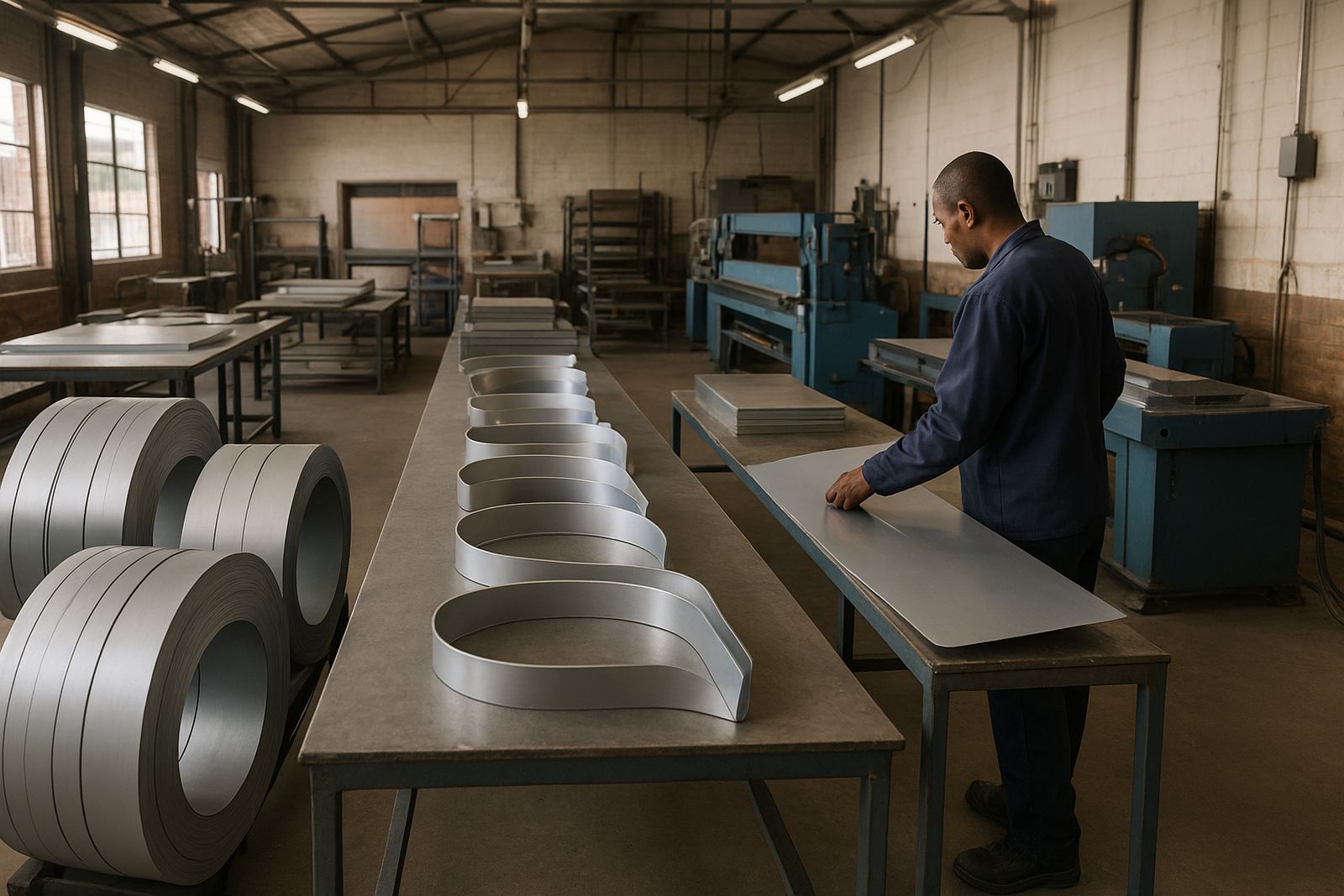
Material waste often starts with using the wrong coil width for the letter depth. If the return is too deep for the strip, you lose material on every letter and spend more time trimming. If the strip is too wide, you trim away expensive offcut on the bench. The best fit is one that gives enough material for the bend without leaving too much excess.
South African sign shops also need to think about storage and climate. In Durban, coastal humidity can affect how neatly material sits in storage, while in Gauteng heat and dust can change how coils handle during the day. Keep stock flat, labelled and protected from damage. A bent edge or dented strip can force a re-cut, and that is wasted money before the job has even started.
- Choose the narrowest usable coil size for the specified return depth
- Separate stock by thickness so the wrong sheet is not pulled by mistake
- Check material condition before loading to avoid damaged sections
- Store long lengths on proper racks to prevent twist and edge marks
Set the Machine Once and Keep It Consistent
A channel-letter bending machine works best when the setup is steady. Poor calibration creates inconsistent returns, which leads to test pieces, corrections and scrap. Before each production run, confirm the feed path, cutting settings and bending profile. If the machine is slightly out, the waste is not always visible on the first letter. It usually shows up on the tenth, when the signs no longer fit the face cleanly.
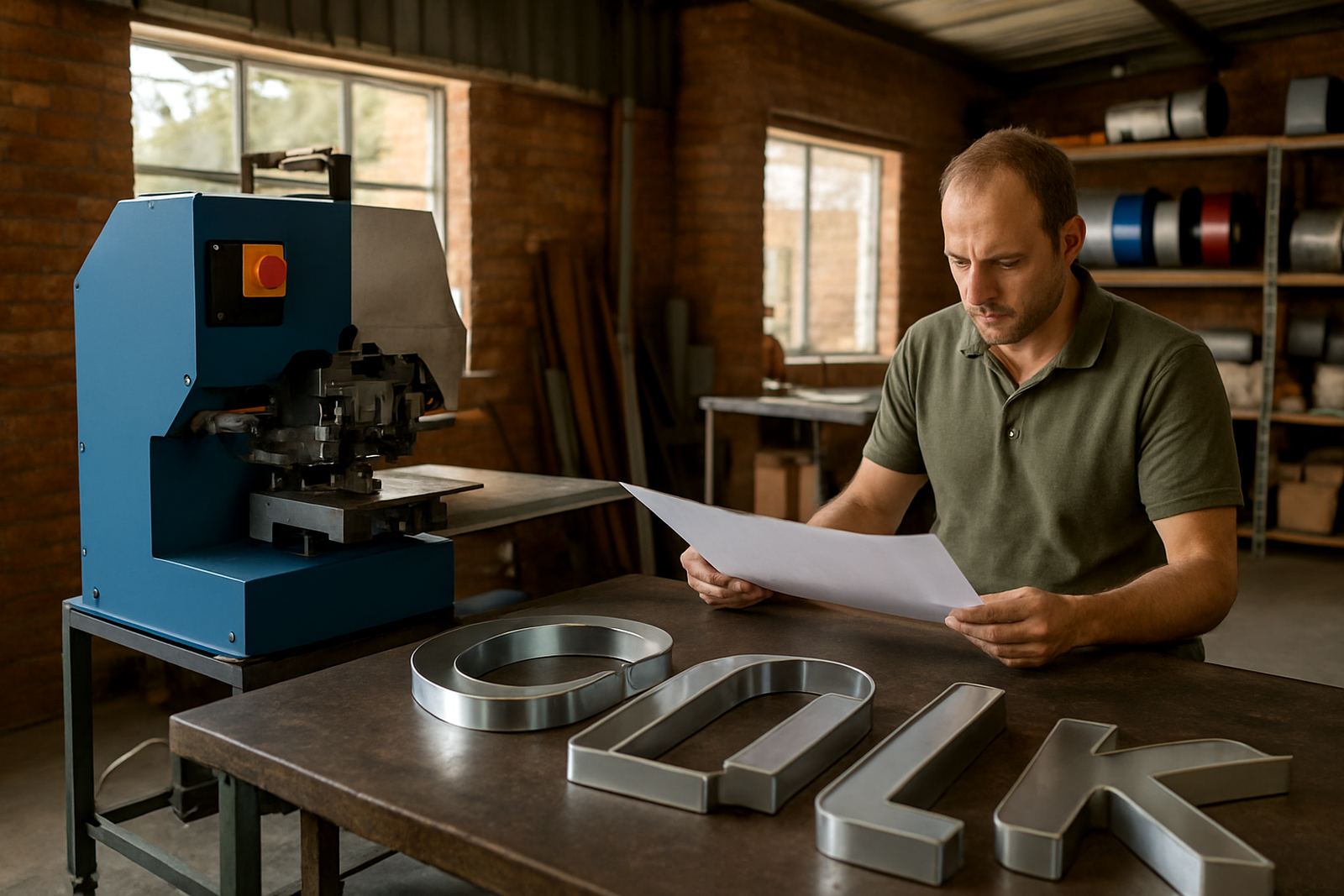
This is where operator training pays off. A trained operator knows how to read the first sample and adjust before a full run begins. That saves both material and time. It also keeps the team from forcing a bad profile into shape by hand, which often damages the return and means starting again. On busy weeks in Sandton or the East Rand, that can be the difference between a clean handover and a late job.
- Run a sample piece before the full production batch
- Check feed alignment at the start of every shift
- Use the same setup notes for repeat orders
- Stop early if the bends are drifting instead of pushing through bad output
Plan Around Letter Shape, Not Just Letter Count
Two jobs with the same number of letters can use very different amounts of material. A set of simple rectangular letters will not waste as much as a mixed logo with curves, narrow counters and multiple joins. If you only count letters and not complexity, the material estimate will be off and the excess will end up in the offcut bin.
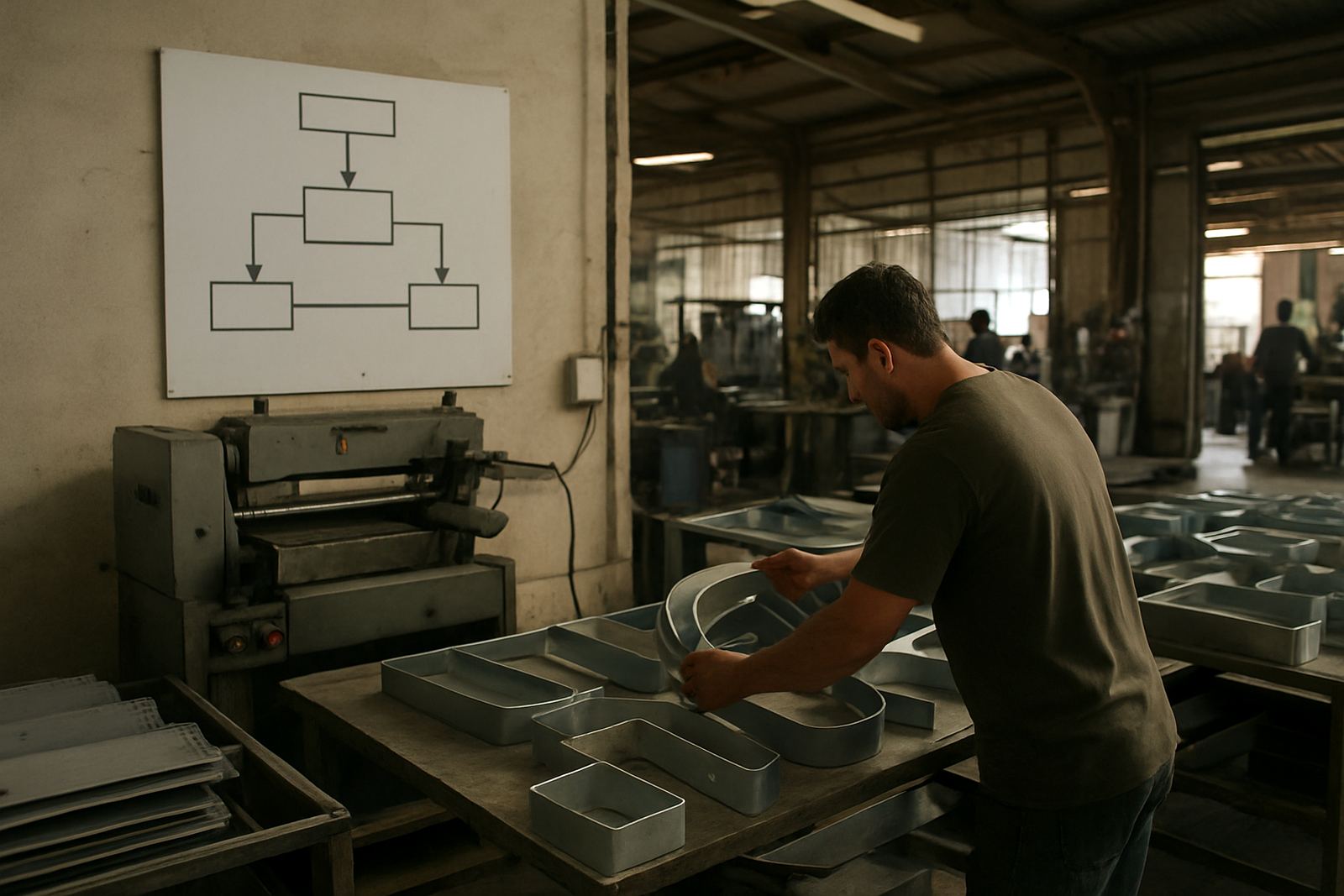
A better approach is to split jobs into production groups. Straight sections can be nested together, while curved or detailed letters get their own run. This is especially useful for sign makers handling branded fascias, shopfronts and directional signs for municipal or property clients. The fewer shape changes you force through one run, the less trim and rework you create. It also makes production easier to track when more than one installer is waiting on the same order.
- Sort jobs by complexity before loading the machine
- Separate straight and curved profiles where possible
- Check whether mirrored letters can be nested efficiently
- Keep small repeat elements together for cleaner handling
Reduce Rework With Clear Quality Checks
The cheapest offcut is the one that never becomes scrap. Most waste in letter production comes from rework after poor inspection. A return that is too short, a corner that is not square, or a joint that does not close properly can turn a nearly finished set into a full redo. That is why quality checks should happen during production, not only at the end.
Set a simple inspection routine. Check the first piece, then every batch after that. Make sure the face and return sizes match the cut list, and that the joints are clean enough to install without forcing. In a busy Midrand workshop, where power interruptions can also disrupt workflow, a stop-start process can make errors easier to miss. Keeping a short checklist at the machine helps catch problems before they multiply. Small checks save a lot of material, and a fair amount of frustration too.
- Inspect the first letter before continuing the batch
- Measure return depth against the job sheet at set intervals
- Replace worn parts before they cause uneven bends
- Keep rejected pieces separate so they are not reused by mistake
Use Local Experience to Plan Better On the Next Job
Waste reduction gets easier when you track what happened on the last job. A Pretoria installer might notice that a certain profile always needs a little more handling, while a Durban client may need extra protection because of humidity during transport and fitting. Those details matter. They show which materials are worth ordering in tighter sizes, and where the team keeps losing time or offcuts.
At Channel Letter, the focus is on helping sign makers build a cleaner process from the start. That can mean operator training, material selection advice, installation planning, or a quick remote tech check when production starts drifting. A small factory in the East Rand does not need to waste the same coil twice. Once the team knows what to watch for, the job becomes more predictable and the material goes further.
Better planning does not only save money, it improves delivery dates and makes quoting more accurate. That matters whether you are working in Sandton, West Rand or further afield on a national install. Less waste means fewer surprises and a stronger margin on each sign.