Start with the signs you actually sell
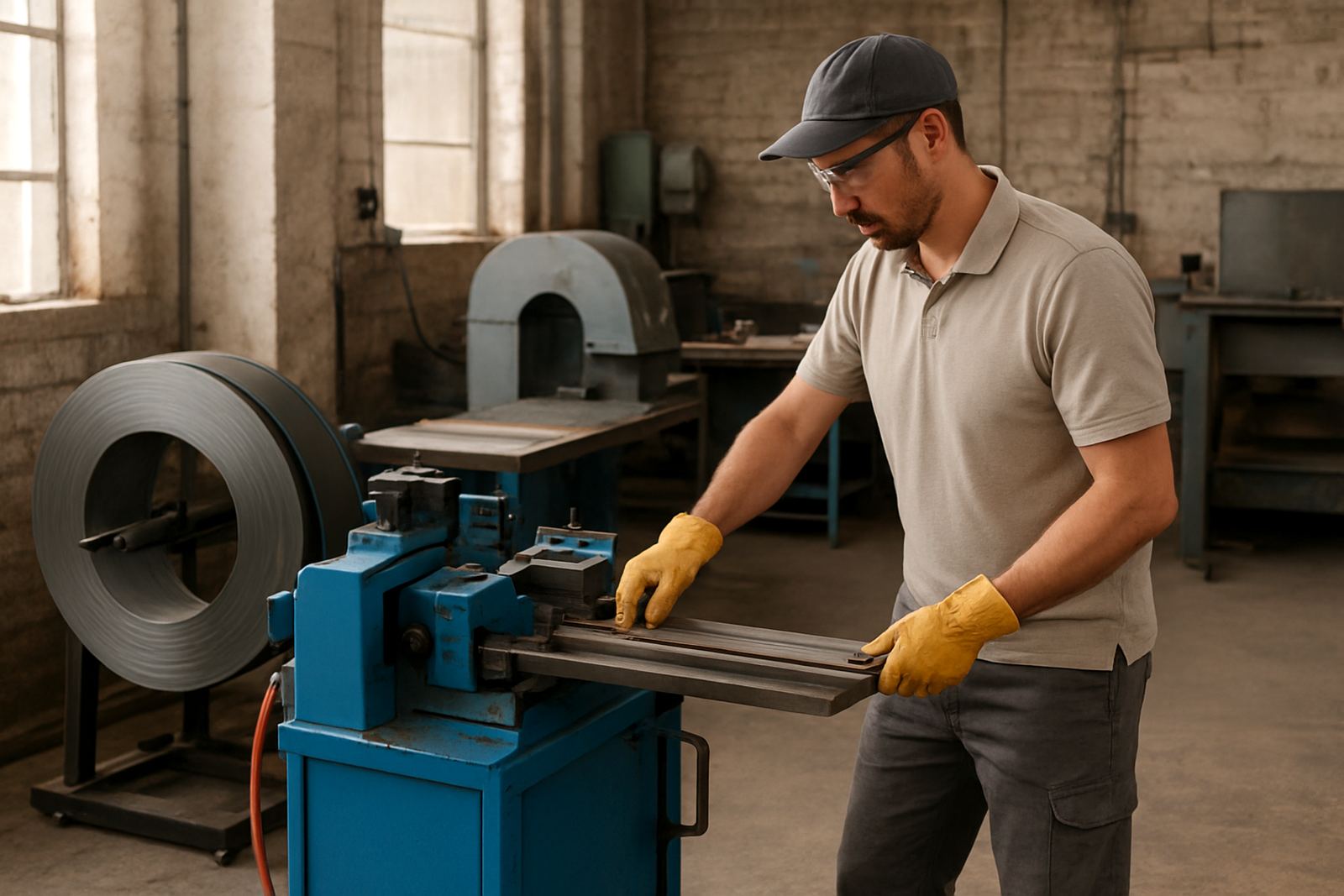
Before you compare machines, look at the work on your order book. A shop doing shopfront letters for Kempton Park takeaways and office buildings in Pretoria will have different needs from a team focused on small indoor signs or one-off display pieces. The first machine should suit the jobs you produce most often, not the biggest sign you hope to land one day.
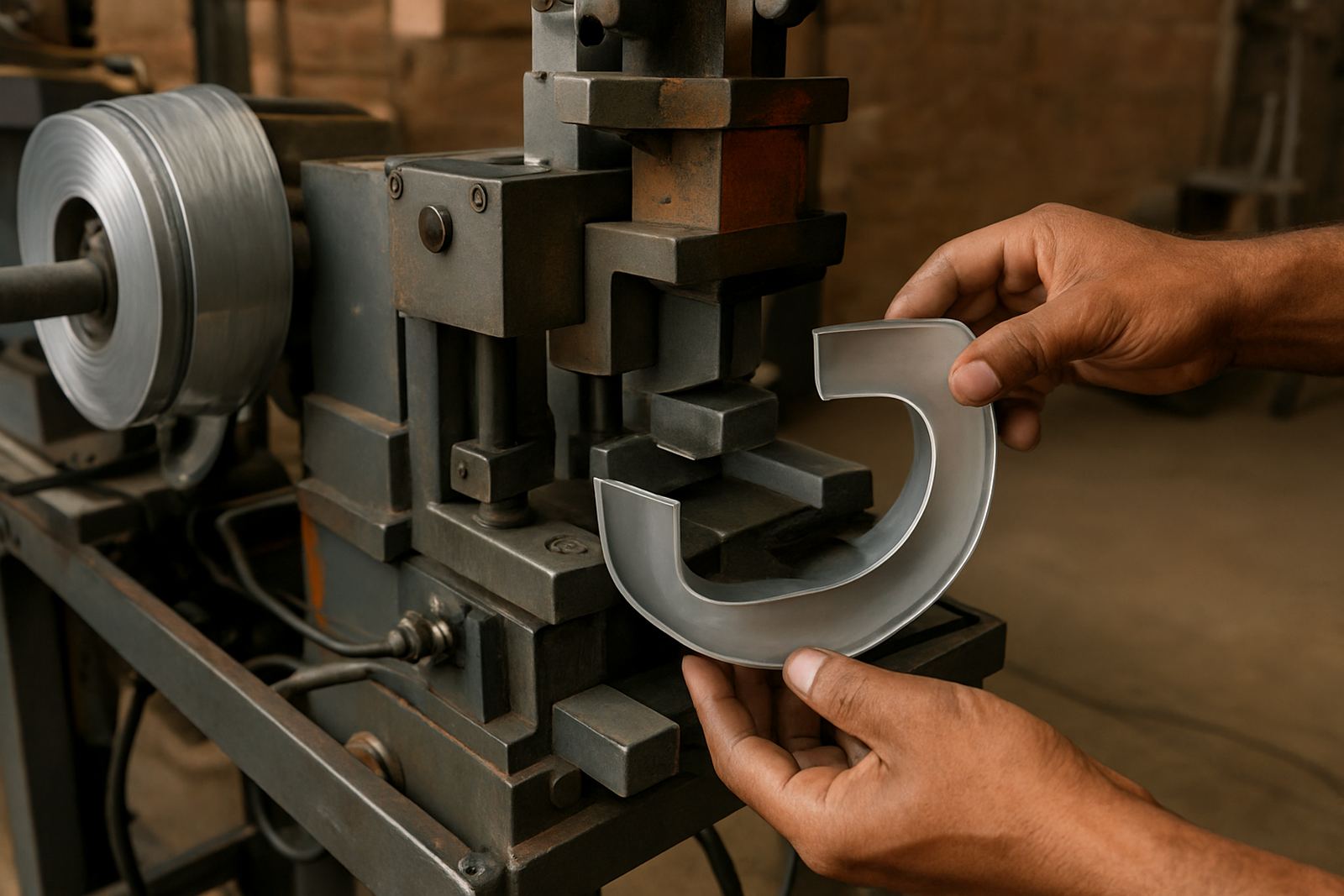
That means checking the letter heights, stroke widths, return depths and material types you handle week after week. If your typical jobs use thinner returns and standard aluminium coil, you do not need to pay for capacity you will rarely use. On the other hand, if you are often asked for deeper returns, larger illuminated letters or repeat orders for franchise sites, a machine with steadier feed control and cleaner bends will save time from the start.
Measure the space and the power before you order
A first machine must fit the workshop, not only in floor space but in day to day movement around it. In a Midrand unit, for example, space is often shared with cutting tables, packing, welding and finished stock. Leave enough room for coil handling, safe operator access and loading around the machine. If the layout is cramped, production slows and mistakes creep in.
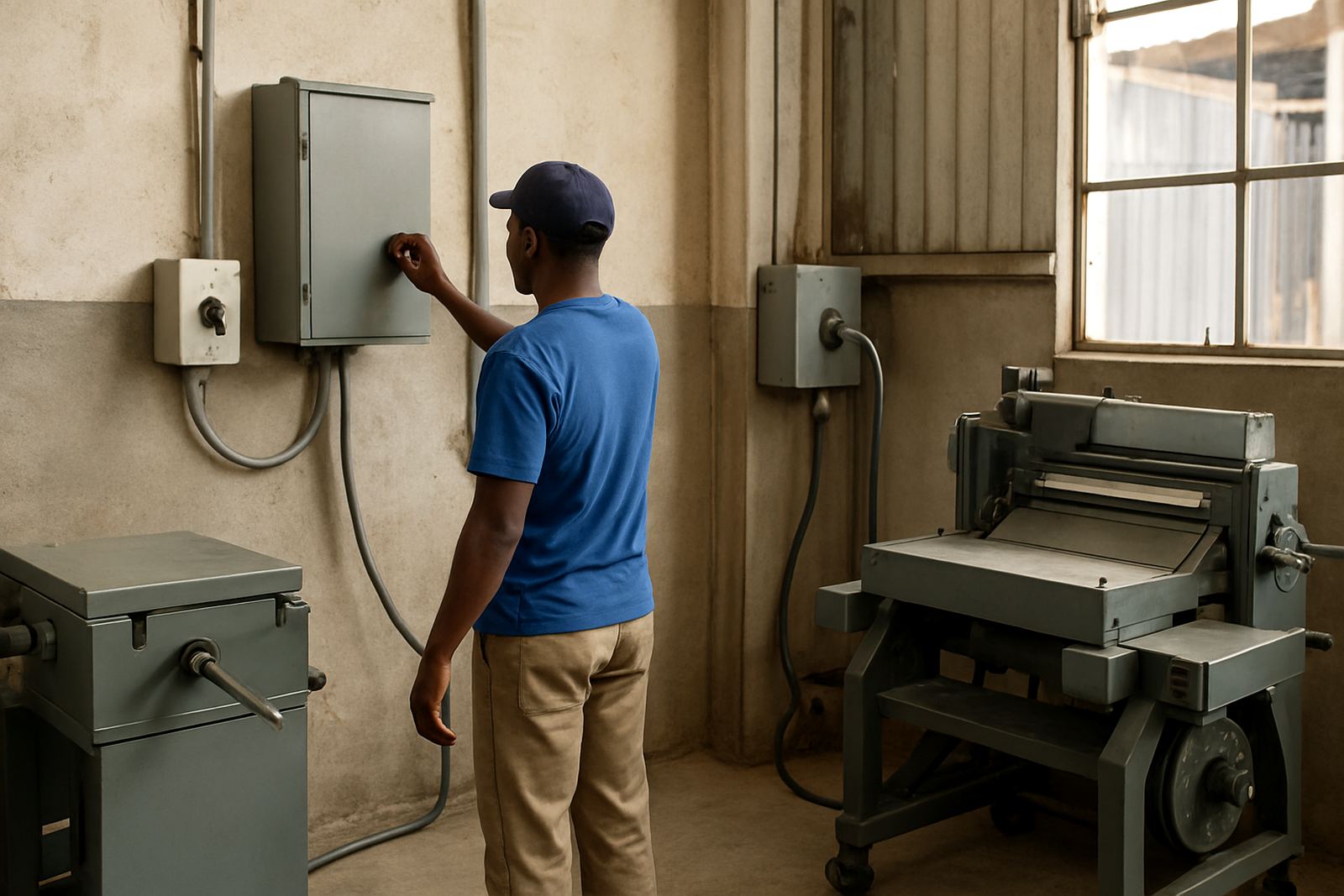
Power is just as important. Load-shedding, voltage dips and shared supply in industrial areas can affect output if the machine is not set up properly. Ask what power protection is needed, whether the control system tolerates unstable supply and what the restart process is after an outage. A sign shop that works late to meet a Friday install cannot afford repeated setup delays.
- Check machine footprint, coil storage and operator clearance.
- Confirm electrical requirements and backup planning.
- Plan where training, maintenance and breakdown access will happen.
Choose support that suits a smaller team
Many first-time buyers focus on the machine only, then find the real challenge is keeping production moving when the operator is new or a setting needs correction. Smaller shops usually cannot spare a full-time technical department, so the supplier’s support matters as much as the equipment itself. Look for operator training, onsite commissioning and clear guidance on setup, feeding and basic troubleshooting.
Good support also reduces costly scrap. A machine that is theoretically capable of fine work but difficult to learn can waste coil and returns for weeks. Training should cover more than buttons and menus. It should show how to read a profile, adjust for different metals, handle difficult corners and spot wear before it causes a poor bend. If the shop serves Durban or coastal clients, advice on humidity, storage and material care is useful too because damp air can affect stock and finished parts.
- Ask who helps after installation and how quickly they respond.
- Check whether refresher training is available for new staff.
- Find out if remote tech help and breakdown support are included.
Do not buy a machine without thinking about coils and returns
A bending machine does not work on its own. The coils and returns you use every day affect finish quality, repeatability and waste. Before purchase, check whether the machine suits the thicknesses and widths your shop buys locally, and whether it can handle the materials your customers want. A neat bend on paper is no help if the return stock is inconsistent or difficult to source in South Africa.
Smaller sign makers should also think about production flow. If material selection is an afterthought, stock gets mixed up and jobs stall while the wrong coil is being hunted down. It helps to set up a simple system for coil sizes, return profiles and job labelling. That sounds basic, but in a busy workshop in Sandton or the East Rand, basic order is what keeps a small team on schedule.
Ask these questions before signing off:
- What coil widths and return profiles are used most often?
- Are the materials easy to source locally and on time?
- Will the machine handle both short runs and repeat production?
- Can the supplier help with production coaching if output changes?
Look at uptime, not just the purchase price
The cheapest machine can become expensive if it stands still for days. Smaller shops should compare the purchase price with likely downtime, spares access and preventive servicing. A machine that is easy to maintain and supported by local spares supply gives better value over 12 to 24 months than one that needs long waits for parts.
For sign makers who install nationwide, downtime also affects scheduling. If a Pretoria order is ready but the bender is down, the whole install team can be delayed. That is why service response, maintenance planning and spares stock should be part of the buying decision from the start. Preventive servicing may feel like an extra cost, but it is usually cheaper than losing a week of production because of a worn part or misalignment.
A Midrand example: small shop, big pressure
Consider a two person shop in Midrand taking on retail fascia letters for local sites and a few jobs in Pretoria and the West Rand. The owner wants to produce faster, reduce manual bending and stop outsourcing every letter run. The right first machine for that shop is not the biggest available. It is the one that fits the current workload, can be installed quickly, and comes with proper operator training so the team can run it without guesswork.
That shop should plan for installation before the first job is promised. It needs a clear production path, one person responsible for material checks and a support line for questions during the first weeks. If the team also gets a refresher session after the first busy month, the machine will likely earn its keep faster. In practical terms, that means fewer reworks, neater returns and a calmer workshop when deadlines get tight.
Questions to ask before ordering your first bender
When a smaller shop is ready to buy, the best questions are usually practical ones. They show whether the machine will help the business grow or simply add another item to manage. Keep the focus on output, support and fit for your daily work, not sales talk.
- What size work can the machine handle comfortably?
- How long does setup take for a new operator?
- What training is included at installation and after?
- How are spares and breakdown support handled in South Africa?
- Can the supplier assist with installation planning and material selection?
- Will the machine suit current jobs in Midrand, Sandton and beyond?
If the answers are clear, the decision usually becomes easier. A first bender should help the shop produce cleaner signs, save time and handle more work without adding confusion. For smaller businesses, that is the point.