
Why corner quality makes or breaks a letter face
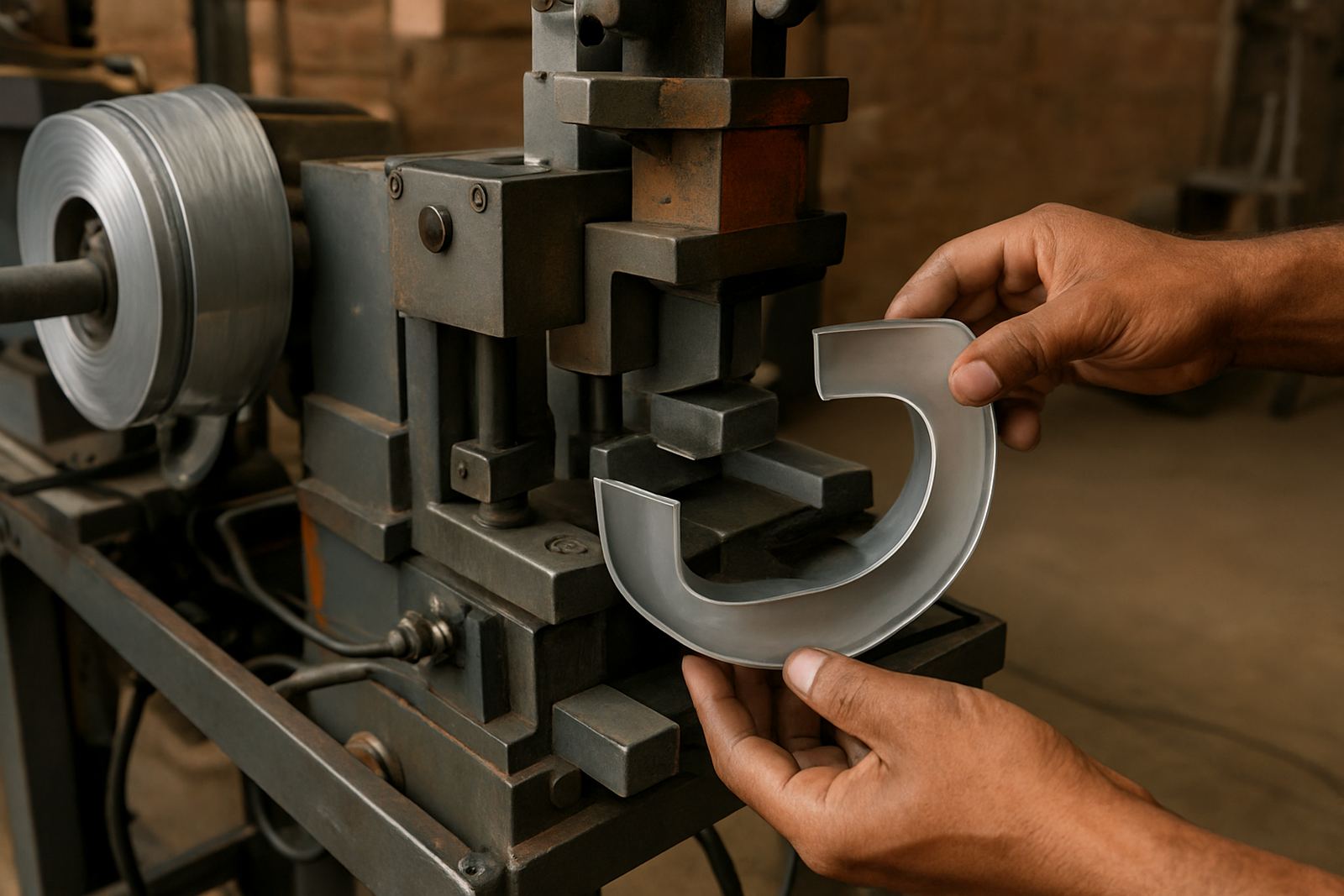
A clean corner does more than look neat. It helps a letter hold its shape, keeps the face sitting properly in the return and reduces the chance of small gaps opening up after installation. On illuminated work, that matters even more because uneven corners can show up as light leaks, shadowing or hot spots once the sign is switched on.
In practice, sharp corners are affected by the full production chain, not just the machine setting. If the coil is too soft, the return can distort. If the feed is off by even a fraction, the bend line lands in the wrong place. If the operator rushes trimming and corner joining, the result may look fine on the bench but expose problems once the sign is on a wall in Sandton or on a windy pylon site in Pretoria.
Many shop owners chase speed first, then spend time fixing poor corners later. A better approach is to control the steps that influence accuracy from the start.
The material you choose changes the corner you get
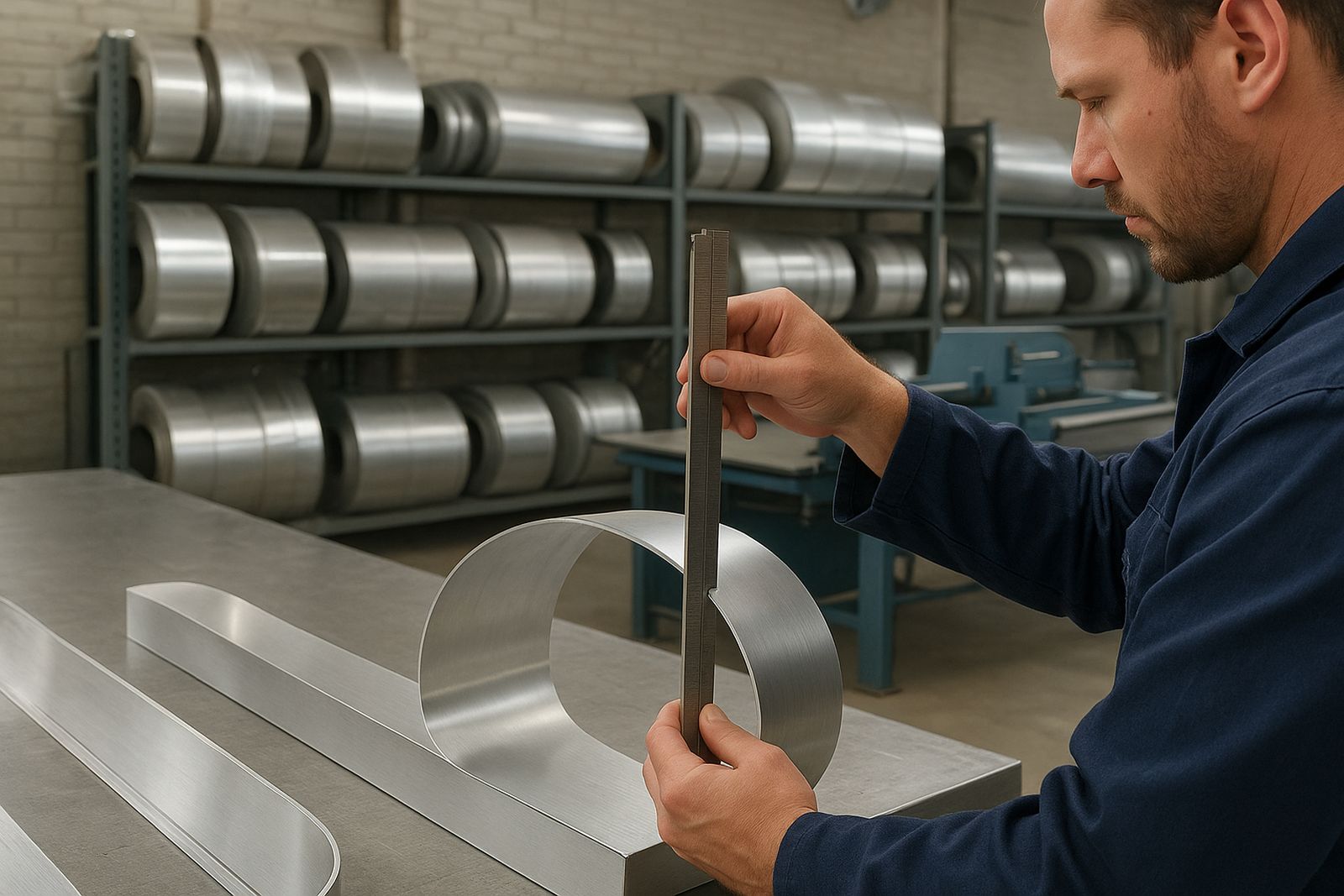
Not all coil behaves the same way when folded around a corner. Thickness, alloy consistency and surface finish all affect how tightly the material bends and how much spring back you get after forming. In humid coastal areas like Durban, storage conditions also matter because moisture and heat can change how cleanly the material feeds into production.
For sign makers, the right choice depends on the letter size, return depth and whether the sign will be lit or unlit. Small letters with tight inside corners need material that forms cleanly without cracking or buckling. Larger letters allow a little more tolerance, but poor material selection still shows up once the panels are aligned and sealed.
- Use material thickness that suits the letter size and the bend radius required.
- Check surface condition before loading coils, especially if stock has stood in a hot storeroom.
- Keep note of which material behaves best on common jobs, such as shopfront names or corporate wall signs.
- Match the return height to the design so the corner does not have to do too much work.
Machine setup and calibration set the tone
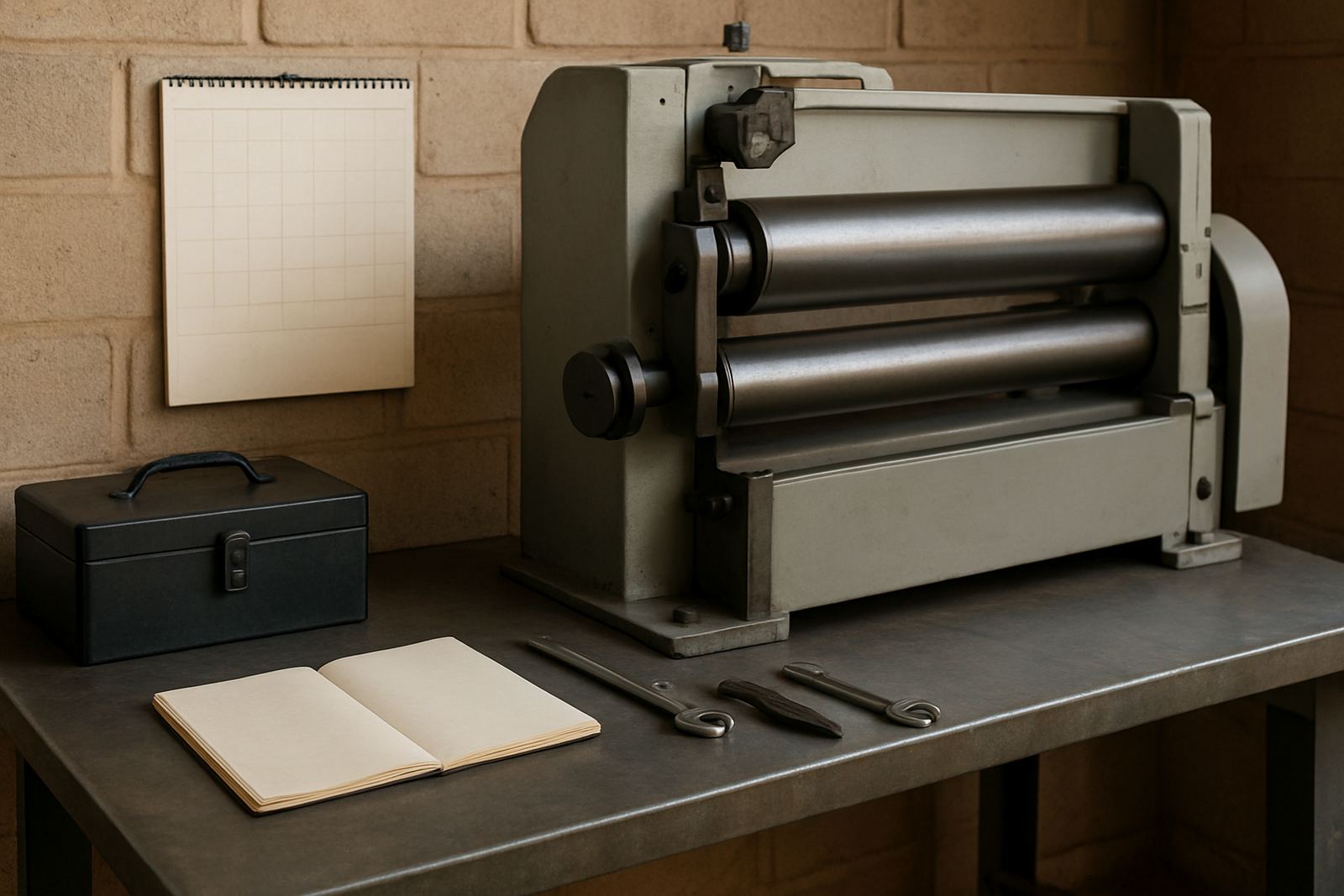
Even a good operator cannot fix poor setup. Corner neatness depends heavily on correct feed alignment, blade condition, pressure settings and calibration of the bending path. If the machine pulls slightly off-centre, the corner may still close, but the join line will not stay true from one letter to the next.
That is why a proper setup routine is worth the time. Before a production run, the operator should check the feed path, test a sample bend and confirm that the return lands where the drawing expects it. For high-volume jobs, especially when a team is pushing through a large order for a developer or retail roll-out, small setup errors can multiply very quickly.
- Run a test bend on the same coil used for the actual job.
- Confirm the bend points against the cut list before starting production.
- Inspect cutting tools and forming parts for wear, chips or buildup.
- Check the first two letters, not just the first one, because drift can appear after the machine warms up.
Corner joins depend on the person at the bench
The final corner is shaped by the operator’s hands as much as by the machine. Trimming, tab fitting, corner closing and sealing all require the same discipline every time. If one side is cut a little long or a join is pressed unevenly, the corner may look fine from one angle and poor from another.
Training helps here. Operators who understand how to read the bend line, how to spot stretch marks and how to adjust for spring back produce better results than someone who is only told to keep the machine moving. That is especially true on mixed jobs where one order may include small illuminated letters for a pharmacy and the next may be larger non-lit branding for a warehouse in Midrand.
Good habits at the bench also save material. Less rework means fewer offcuts, fewer returned parts and fewer delays when a site is waiting for completion before opening day.
Installation conditions can expose hidden corner faults
A letter that looks tidy in the workshop can still show weak corners once it reaches site. Uneven wall surfaces, strong sunlight, vibration from traffic and poor fixing points can all highlight a corner that was only just holding together. In places with load-shedding, battery-backed testing is also useful because a sign should be checked both lit and unlit before handover.
Local conditions matter. In coastal air, unsealed edges can attract corrosion sooner than expected. On outdoor signs near busy roads in Johannesburg or Pretoria, dust and movement can work into a corner that was left slightly open. A clean corner therefore needs correct production and sensible installation planning.
If a letter face is large or the sign is being mounted at height, installers should verify that each return sits square before final fixing. Once it is on a façade, a small fault is harder to correct and can cost far more to put right.
A Midrand job that showed the value of patience
A retail client in Midrand once needed a set of fabricated letters for a front fascia ahead of a Friday opening. The first test pieces looked acceptable from a distance, but the corners on two letters showed slight opening on the top right bend. Rather than pushing ahead, the workshop stopped, checked coil feed, replaced a worn forming part and re-cut the affected letters.
The extra time on Wednesday saved a call-back on Friday. When the sign went up, the corners sat tight, the lighting was even and the join lines stayed consistent across the full word. That is the practical lesson: sharp corners are rarely the result of one lucky setting. They come from repeatable checks, sound material and a team that is willing to correct small issues before they become visible on site.
For sign makers working under pressure, that discipline is often the difference between a job that merely goes out and a job that comes back with no complaints.
What to check before releasing fabricated letters
Before any fabricated letter leaves the workshop, a short inspection can catch most corner problems. The aim is not perfectionism for its own sake, but fewer returns and cleaner installations across Gauteng, Durban and the rest of the country.
- Are the corners square and consistent from letter to letter?
- Do the join lines sit closed with no visible gaps?
- Has the return depth stayed even around tight bends?
- Is the face sitting properly without twist or ripple near the corner?
- Have all edges been sealed or finished according to the material used?
- Was the first sample approved before the full batch was made?
When these checks become routine, corner quality improves without adding unnecessary delay. That is the kind of improvement that keeps production stable when orders are heavy and timelines are tight.