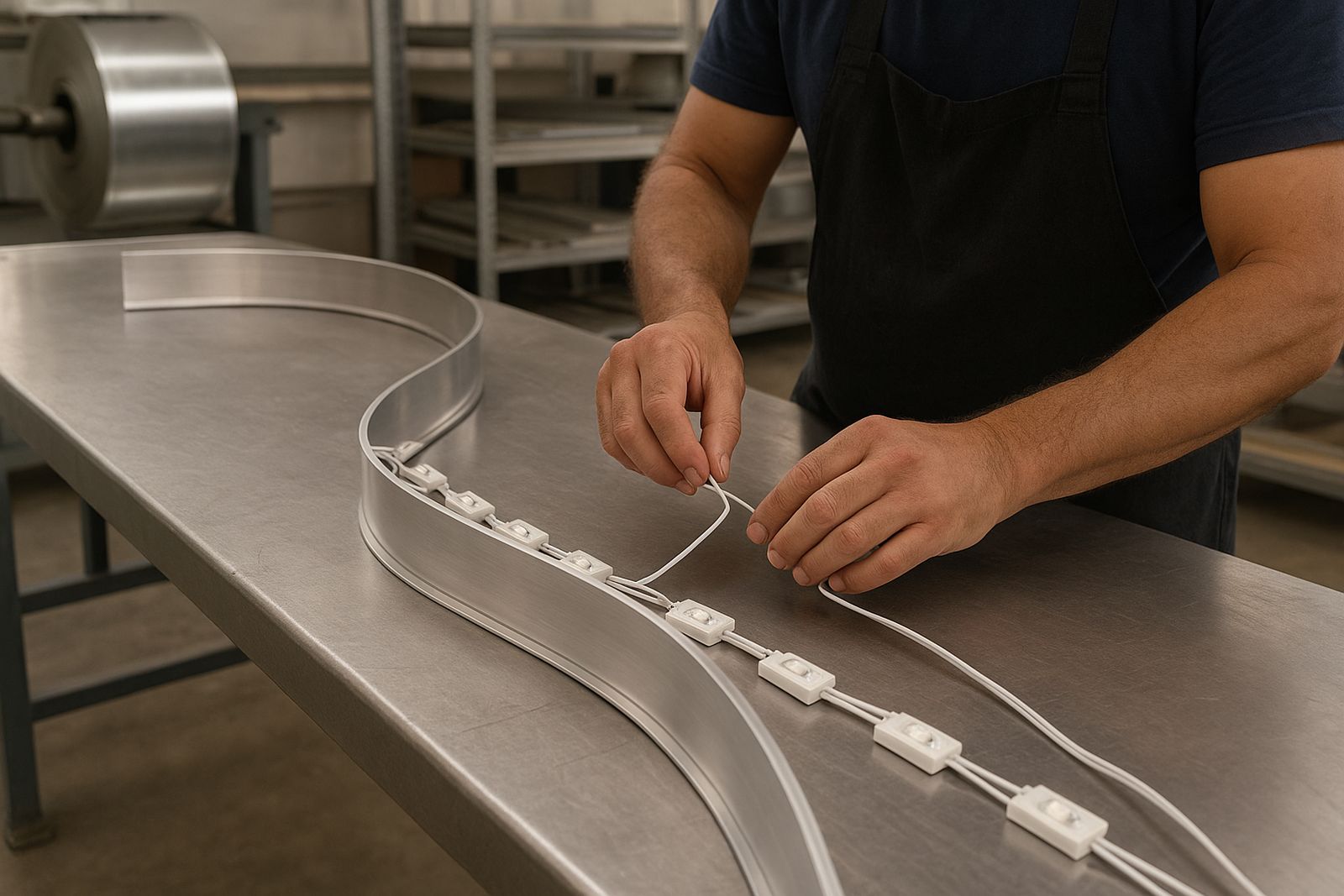

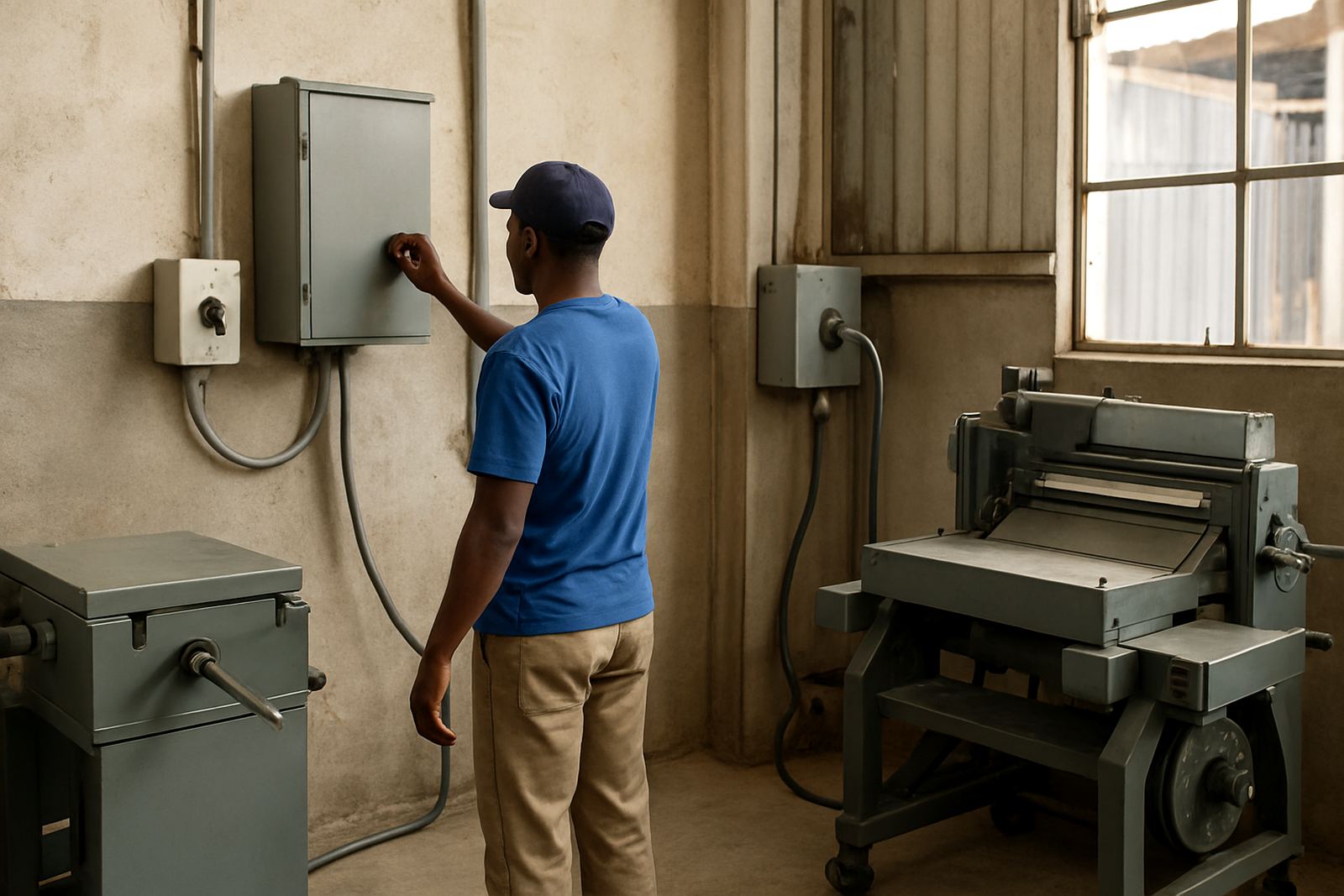
Start with the machine nameplate, not a guess
The first step is simple: read the machine’s electrical plate and work from the actual figures. Check the input voltage, phase, current draw, and whether the unit needs a dedicated supply. In many South African workshops, the problem is not that the power is weak all the time, it is that the machine is sharing circuits with compressors, welders, polishers, kettle loads, and lighting.
If you are running from Midrand, Sandton, or the East Rand, ask your electrician to confirm the supply at the board before the machine arrives. That saves time on the install and avoids a situation where the workshop looks ready but the breaker trips the moment production starts.
- Confirm voltage and phase requirements.
- Check the rated current and starting load.
- Ask for a dedicated circuit where possible.
- Allow space for isolation and safe maintenance.
Size the circuit for real workshop conditions
A machine may run on paper, but a workshop has heat, dust, longer cable runs, and people switching on other equipment at the same time. That is why cable size, breaker rating, and isolator placement matter. In a coastal town like Durban, moisture and salty air can also affect terminals and enclosures, so fittings should be suitable for the environment.
Keep the electrical run as short as practical and avoid makeshift extensions. Long runs can cause voltage drop, which leads to poor performance and nuisance tripping. If the machine is installed in a separate bay, the route to the board should be planned before drilling and mounting starts.
- Use the correct cable size for the distance.
- Choose breakers and protection to suit the load.
- Fit an accessible isolator near the machine.
- Protect wiring from forklifts, offcuts and foot traffic.
Plan for load-shedding and production interruptions
Load-shedding has changed how sign shops work. If your business depends on bending returns for light boxes, shopfront letters, or project deadlines, you need a backup plan that matches the machine load and production hours. A small inverter setup may keep laptops and lights going, but not every workshop machine can run that way without proper sizing.
Think through what must stay live during outages. For some shops, the priority is to finish the current run and save work safely. For others, it is to keep the full line going through shorter interruptions. Either way, the backup plan should be tested under load, not only on paper.
- List the equipment that must stay on during outages.
- Check whether your backup supply can handle starting current.
- Separate machine power from general office loads.
- Test the changeover before a busy production week.
Don’t ignore compliance and local approval rules
Electrical work is not only about getting the machine to switch on. It must also meet local safety and compliance requirements. In many areas, an installer or electrician may need to follow municipal rules, confirm proper earthing, and issue the right paperwork for the site. That matters whether you are in Pretoria, the West Rand, or operating from an industrial unit in Midrand.
Keep records for inspections, insurance, and internal safety checks. If a fault happens later, clear documentation helps the technician trace the problem quicker. It also protects the workshop owner when multiple people use the same floor space and not everyone knows which circuit feeds what.
Match training to the power setup
Training is easier when the electrical arrangement is clear. Operators should know how to shut down the machine safely, what to do if the supply dips, and who to call when a breaker trips. That reduces panic during a busy shift, especially when a delivery is due the same day.
A good power plan also supports better production habits. If the team understands the machine limits, they are less likely to overload sockets or move equipment around without checking the circuit. In a busy shop this can prevent a lot of avoidable downtime.
- Show operators the isolator and breaker locations.
- Explain safe shutdown steps during outages.
- Keep a basic fault log for repeat issues.
- Train one person to recognise early warning signs, like heat or unusual tripping.
Use a local example before you buy or install
A Midrand sign maker with a small fabrication team may have three phase supply available, but that still does not mean the workshop is ready for a new machine. The board might already be carrying cutters, compressors, extraction fans, and lighting. Once the channel-letter bending machine is added, the load profile changes and the electrician may need to redistribute circuits or upgrade protection.
That is why power planning should happen before installation day. When the supply is checked early, the machine can be commissioned faster, the team gets proper operator training, and the workshop avoids last-minute delays. It is a small step, but it saves money and keeps production moving.
If you are planning a new install, or checking whether your current setup can handle more output, it helps to review the site with someone who understands both the machine and the realities of South African power supply. The right advice up front is usually cheaper than fixing a stop-start workshop later.